Why South Dakota Stopped Its Brood Survey
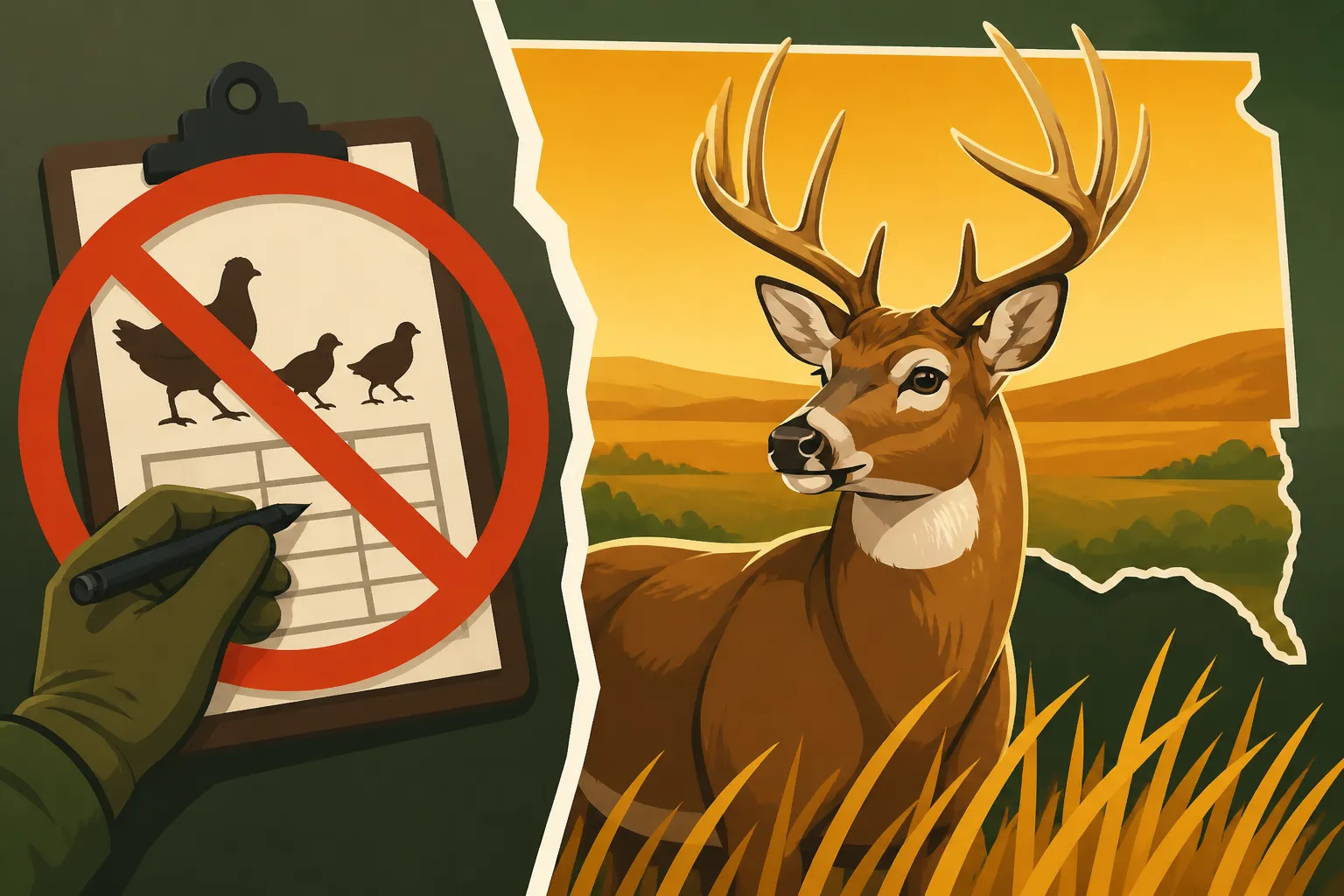
It can be incredibly frustrating for hunters when a long-standing tradition or source of information suddenly disappears. For years, many of us eagerly awaited the annual South Dakota pheasant brood survey results, hoping to get an early glimpse into what the upcoming season might hold. Then, it just… stopped. If you’ve felt that pang of confusion or wondered why on earth the state Game, Fish and Parks (GFP) decided to pull the plug on such a seemingly vital tool, you're not alone. This guide aims to demystify that decision, explore the reasons behind it, and explain what hunters can now look to for insights into the pheasant population.
Understanding the Traditional Pheasant Brood Survey
For decades, the pheasant brood survey was an institution in South Dakota, a ritual that offered hunters and wildlife managers a snapshot of the pheasant population before the opening day. It provided those all-important numbers that could fuel excitement or temper expectations for the season ahead.
How the Roadside Count Method Worked
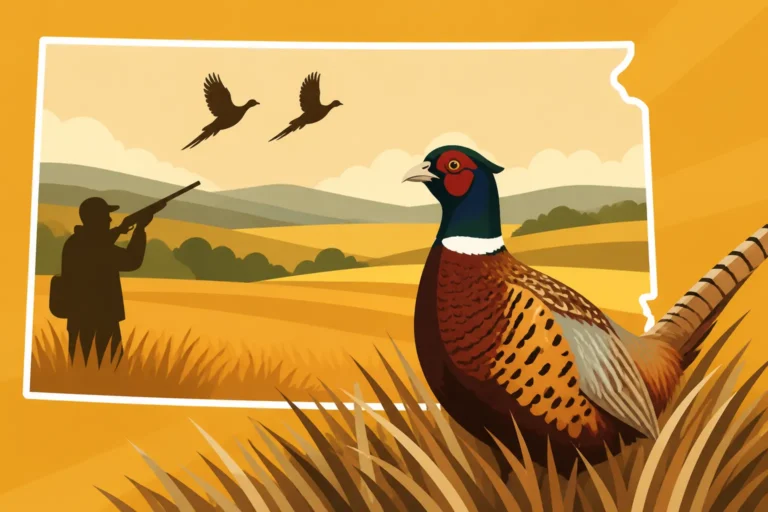
Imagine driving through the heart of South Dakota’s pheasant country on a quiet summer morning. That's essentially what the traditional brood survey entailed. GFP staff and volunteers would drive predetermined routes, typically on gravel roads, usually in late July or early August. These routes were carefully chosen to cover a diverse range of pheasant habitat across different regions of the state.
The methodology was fairly straightforward: observers would drive at a consistent, slow speed, counting every pheasant they saw, noting whether they were hens with broods, solitary roosters, or lone hens. They'd meticulously record the number of chicks per brood, trying to get an average. The idea was that by standardizing the routes, the time of day (often early morning when dew was on the grass, making birds more visible on roadsides), and the observation period, they could generate comparable data year after year. It felt scientific, and for many of us, it was the first real "forecast" we got for the season.
What Data the Survey Aimed to Collect
The primary goal of the brood survey was to estimate pheasant reproduction and chick survival. Wildlife managers hoped to gauge the number of young birds that had successfully hatched and made it to a size where they were visible, giving an indication of the overall "pheasant class" for the year. This data was then used to project how many birds might be available for hunters in the fall.
Beyond just raw numbers, the survey aimed to capture trends. Was the average brood size up or down from previous years? Were there more or fewer broods being seen overall? These trends, over time, were thought to be crucial for understanding the health of the pheasant population. It was also a way to correlate weather patterns (like spring rains or harsh winters) with their potential impact on nesting success and chick survival, helping to inform management decisions.
The Importance of Early Season Forecasts
For many hunters, resident and nonresident alike, these early season forecasts were gold. They dictated planning – how many days to book off work, whether to organize a trip with a large group, or even which part of the state might be experiencing a banner year. Businesses in rural South Dakota also looked to these numbers, as a strong pheasant forecast often translated into more hunters, more hotel bookings, and more dollars spent in local communities.
It wasn't just about the numbers themselves; it was about the narrative. A high brood count meant an optimistic outlook, generating buzz and excitement. A lower count might suggest a tougher season, prompting hunters to adjust their expectations or strategies, perhaps by focusing more on Late-Season South Dakota Pheasants in Heavy Cover. This anticipation was a huge part of the annual hunting cycle, a shared conversation piece around coffee shops and online forums.
Why the South Dakota Brood Survey Was Discontinued
The decision to end a program with such a long history and perceived value was not made lightly. The GFP faced increasing challenges in maintaining the integrity and usefulness of the survey data, leading them to a pivotal conclusion: the traditional roadside counts were no longer providing the accurate, reliable information needed for effective wildlife management or hunter expectations.
Shifting Agricultural Practices and Landscape Changes
One of the most significant factors contributing to the survey's obsolescence was the dramatic change in South Dakota's agricultural landscape. Over the decades, farming practices evolved. Roadside ditches, which once offered prime, undisturbed nesting and brooding cover, became more intensively managed. Farmers often mow ditches earlier and more frequently for weed control or hay production. Furthermore, crops are often planted closer to the road, and technologies like GPS guidance make farming more precise, leaving less "waste ground" for wildlife.
Think about it: a pheasant hen and her brood need secure cover to move, feed, and escape predators. If the prime roadside edges are constantly disturbed or reduced, the birds simply aren't going to be as visible along those routes, regardless of whether the overall population is healthy elsewhere. This meant the survey was increasingly measuring "brood visibility" on specific, dwindling strips of cover rather than true population numbers. It became difficult to discern if fewer birds were seen because there were truly fewer birds, or because they were simply using different, less visible habitats.
Inconsistent Data and Methodological Hurdles
The very nature of a roadside survey, while seemingly simple, came with a host of inherent inconsistencies. Weather, for instance, played a huge role. On a calm, dewy morning, pheasants and their broods might be out in the open, highly visible. But on a windy or rainy morning, they'd be tucked deep into cover, making counts artificially low. This weather variability could swing results wildly from one day or route to the next, making year-over-year comparisons less reliable.
Moreover, the human element introduced further variability. Different observers might have different detection skills, attention spans, or even slight variations in adherence to the protocol. Was that a young rooster or a hen? How many chicks were in that blur of brown and yellow that darted into the weeds? These subjective judgments, multiplied across hundreds of miles and numerous observers, compounded the data's unreliability. Over time, these methodological hurdles made it incredibly difficult for GFP to confidently stand behind the numbers, leading to questions about the survey's true scientific value.
The Decision to Prioritize Other Metrics
Ultimately, the GFP realized they were spending significant resources on a survey that was becoming less and less effective. Rather than clinging to an outdated system, they made the strategic decision to reallocate those resources towards more robust and scientifically sound methods of monitoring pheasant populations. This wasn't about abandoning pheasant management; it was about modernizing it.
The shift meant moving away from a single, snapshot survey and embracing a more holistic approach. This involved placing greater emphasis on long-term habitat trends, harvest data, and a suite of environmental indicators that, when combined, offer a more comprehensive and accurate picture of pheasant health. It’s an adaptive management approach, recognizing that wildlife populations are complex and require diverse data points for proper understanding. The old system, while comforting in its familiarity, simply couldn't keep up with the ecological and agricultural changes reshaping the pheasant's world.
The Challenges and Limitations of the Old System
Even beyond the evolving landscape, the traditional brood survey grappled with several intrinsic challenges that chipped away at its reliability and value over time. These limitations were key drivers in GFP's decision to seek alternative methods for monitoring South Dakota's cherished pheasant population.
Weather Variability's Impact on Counts
Anyone who’s spent time hunting pheasants knows how much weather influences bird behavior. A cold, damp morning might keep birds hunkered down, while a sunny, calm day brings them out to dust or feed. This fundamental truth was a constant bane for the roadside brood survey. Imagine attempting to compare data from a week of surveys during unseasonably cool, rainy weather to data from a week of hot, dry conditions. The counts would inevitably be skewed, regardless of the actual number of pheasants on the landscape.
Observers struggled with this. A route that produced high numbers one year might show a significant drop the next, not because of a population crash, but simply because heavy dew or a strong breeze made birds less likely to be on the gravel road at survey time. This made it incredibly difficult to track genuine population trends versus mere variations in bird visibility due to atmospheric conditions. The data became noisy, making it hard to extract a clear signal about the pheasant population's true trajectory.
Observer Bias and Inconsistent Reporting
Another subtle yet pervasive issue was observer bias and the inherent inconsistency that comes with human observation. Even with rigorous training, different individuals possess varying levels of observational skill, patience, and interpretation. One observer might be exceptionally good at spotting camouflaged chicks, while another might miss them entirely. What one person classifies as a "large brood" might be a "medium" to another.
Over the decades, as personnel changed and volunteers cycled through, maintaining a perfect, uniform standard of observation became increasingly difficult. This inconsistency introduced errors into the data set, making it less reliable for making statewide comparisons or long-term trend analyses. The GFP recognized that if the input data itself was constantly subject to these variables, the output – the eagerly awaited pheasant forecast – would always carry a significant margin of error that undermined its credibility.
Public Misinterpretation of Survey Results
Perhaps one of the most significant frustrations for GFP wildlife managers was the public's tendency to misinterpret or overemphasize the brood survey results. Hunters, understandably, wanted a simple, definitive answer: "Are the birds up or down?" The survey often provided that simple, numerical answer, but without the nuance and context that GFP tried to convey.
A slight dip in the statewide average might be viewed as a "bad year" even if local conditions were excellent, or if the dip was within the margin of error of a flawed survey method. Conversely, a small increase might lead to unrealistic expectations. This misinterpretation could lead to frustration among hunters when their field experience didn't match the survey’s pronouncements, creating a disconnect between perceived reality and actual hunting success. The GFP realized that if the tool they were using was routinely misunderstood and causing more confusion than clarity, its utility was significantly diminished. It often led to questions about Why the Brood Count Was Discontinued rather than providing clear answers.
Modern Approaches to Estimating Pheasant Populations
With the traditional brood survey retired, the South Dakota GFP has shifted its focus to a more comprehensive, multi-faceted approach to estimating pheasant populations. This strategy leverages a variety of data sources and ecological indicators, aiming for a more robust and accurate picture of bird numbers across the state.
Habitat Monitoring and CRP Enrollment
At the core of modern pheasant management is a deep understanding of habitat. Pheasants are habitat-dependent creatures; without suitable nesting, brooding, and winter cover, their populations simply cannot thrive. The GFP continuously monitors habitat conditions, with a strong focus on programs like the Conservation Reserve Program (CRP). CRP enrollment, which pays landowners to convert cropland to perennial grasses, is absolutely critical for pheasant success. When CRP acres are abundant and well-managed, pheasants have more safe places to nest and raise their young.
Conversely, declines in CRP acreage or changes in land use that reduce available cover directly impact pheasant numbers. The GFP tracks these changes closely, often correlating them with observed pheasant trends. They also look at factors like CRP Loss and South Dakota Bird Numbers, acknowledging that such broad ecological shifts have a far greater impact on statewide populations than individual roadside sightings. By understanding the landscape and the availability of crucial habitat, managers gain a more foundational insight into the carrying capacity for pheasants.
Harvest Data and Hunter Success Rates
One of the most valuable sources of real-world data comes directly from hunters themselves: harvest reports and hunter success rates. After all, who better to tell you about pheasant numbers than the thousands of hunters out in the fields, dogs flushing birds, and limits being filled (or not)? The GFP meticulously collects data on the number of hunting licenses sold, the number of birds harvested per hunter, and the overall hunter effort.
This information is invaluable. If hunters are consistently filling limits in certain areas, it suggests a healthy local population. If overall harvest numbers are down despite similar hunter effort, it indicates a potential population decline. Furthermore, GFP often conducts wing and leg collections from harvested birds, allowing them to determine age ratios (the ratio of young birds to adult hens). A high ratio of young birds suggests a successful breeding season, while a low ratio indicates poor reproduction. This post-season data offers a concrete, ground-truth assessment of the pheasant population that directly reflects actual field conditions, rather than just roadside visibility. This detailed analysis helps answer questions like How GFP Counts Big Game.
Winter Severity and South Dakota Hen Survival
Pheasants are tough, but South Dakota winters can be brutal. Extreme cold, deep snow, and prolonged blizzards can decimate pheasant populations, especially affecting the breeding hens that are crucial for future years. This is why the GFP pays very close attention to the Winter Severity Index (WSI). The WSI is a composite measure that takes into account factors like daily minimum temperatures and snow depth. A high WSI indicates a severe winter that can lead to significant mortality among pheasants, particularly adult hens who need to survive to produce next year’s broods.
Understanding the impact of winter on South Dakota Hen Survival is critical because even if habitat is excellent, a population can't rebound if the breeding stock is severely diminished. By monitoring the WSI and correlating it with subsequent harvest data and anecdotal reports, wildlife managers can better predict the overall health of the population going into the spring nesting season. This forward-looking approach, combined with habitat and harvest data, paints a much more complete picture than the old roadside survey ever could.
What Hunters Can Rely On Now for Bird Forecasts
So, if the old brood survey is gone, where can you turn for reliable information about the upcoming pheasant season in South Dakota? Don't worry, the GFP hasn't left hunters in the dark. They've embraced more dynamic and comprehensive ways to communicate the state of the pheasant population, giving you better tools to plan your hunts.
Official GFP Season Outlooks and Reports
The most authoritative source for pheasant forecasts remains the official South Dakota Game, Fish and Parks. Instead of relying on a single, potentially misleading brood count, they now issue comprehensive season outlooks. These reports synthesize information from all the modern metrics discussed earlier: winter severity, spring precipitation, habitat conditions, and previous harvest data. They often include insights from field staff across different regions, providing a nuanced perspective rather than a blanket statewide number.
These outlooks are usually released closer to the season opener, offering a more accurate and holistic prediction. They often break down conditions by region, which is incredibly helpful since pheasant populations can vary significantly across the state. Instead of just a "birds per mile" number, you'll get a narrative that explains the underlying factors influencing the population, allowing you to understand why the forecast is what it is. This helps manage expectations and guides hunters to areas with better potential.
Leveraging Tools Like GoHunt for Insights
In today's digital age, hunters also have a wealth of resources at their fingertips, and dedicated platforms like GoHunt are leading the charge. While GoHunt focuses heavily on big game draws and western hunting, the principle of using advanced mapping and data analysis applies universally. While specific pheasant data might not be their primary focus, the type of sophisticated tools and community insights they offer can be adapted. For example, similar platforms or the advanced features within the South Dakota Public Hunting Atlas can help hunters understand land ownership, public access points, and habitat types in incredible detail.
This allows for much better self-scouting and planning. You can use aerial imagery to identify prime cattail sloughs, shelterbelts, and CRP fields that hold birds, even if a direct "pheasant forecast" isn't explicitly given for that specific parcel. The key is to use technology to become your own scout, combining publicly available data with your boots-on-the-ground observations. Apps and online platforms provide layers of information that were unimaginable just a few years ago, empowering hunters to analyze habitat and access like never before.
Scouting South Dakota Public Hunting Atlas and E-Scouting Walk-In Areas Before the Season
Gone are the days when you just showed up and hoped for the best. Modern pheasant hunting in South Dakota demands a proactive approach, and the tools are readily available. The South Dakota Public Hunting Atlas is an absolute treasure trove for hunters. It's an interactive map that clearly delineates all public hunting lands, including Game Production Areas (GPAs), federal lands, and critically, the vast network of Walk-In Areas (WIAs).
Before you even leave home, you can spend hours E-Scouting Walk-In Areas Before the Season. Zoom in on aerial imagery to identify crucial cover – those thick cattail sloughs that hold birds through winter, those dense shelterbelts offering thermal protection, or those sprawling CRP fields providing nesting cover. Look for pinch points, access roads that might indicate heavy pressure, or hidden corners that might see less traffic. Combine this with knowledge of how pheasants use the landscape – for instance, Reading Aerial Imagery for Cattail Cover can show you where birds will flock. This kind of detailed scouting allows you to pinpoint promising locations and develop a strategy, increasing your chances of success far more than a generalized "brood count" ever could.
| Aspect | Traditional Brood Survey (Pre-2020) | Modern Approach (Post-2020) |
|---|---|---|
| Primary Method | Roadside visual counts (hens, broods, roosters) | Synthesis of multiple ecological and hunter-derived metrics |
| Key Data Point | Birds per mile, average brood size | Habitat trends (CRP), Winter Severity Index, Harvest Data, Hunter Success |
| Data Collection | Primarily late July/early August, specific routes, human observers | Continuous monitoring, post-season data, environmental tracking |
| Accuracy/Reliability | Susceptible to weather variability, observer bias, visibility changes | More robust, multi-layered data, less prone to single-point errors |
| Focus | Short-term snapshot of reproductive success | Long-term population health, carrying capacity, trend analysis |
| Hunter Value | Early season "forecast" for anticipation | Comprehensive outlooks, empowering self-scouting with better data |
| Resources Needed | Staff/volunteer driving & counting | Data analysis, habitat mapping, hunter survey management |
The Future of Pheasant Management in South Dakota
The decision to discontinue the brood survey was not an act of neglect, but rather a forward-thinking step towards a more robust and responsive approach to pheasant management. The future of South Dakota's pheasant populations hinges on adaptive strategies that acknowledge ecological realities and leverage comprehensive data.
Focus on Habitat and Conservation Efforts
If there's one resounding message from the GFP's shift, it's this: habitat is king. The future of South Dakota pheasant hunting success will be directly tied to the health and abundance of quality pheasant habitat. This means continued emphasis on programs like CRP, which provide essential nesting and winter cover. It also involves working with private landowners – who control the vast majority of South Dakota’s land – to encourage wildlife-friendly farming practices.
Conservation efforts are no longer just about setting aside land; they are about intelligently managing the landscape to maximize its potential for pheasants. This includes understanding the benefits of diverse cover types, promoting practices that minimize early mowing of ditches, and creating food plots that sustain birds through harsh winters. The GFP will continue to champion these initiatives, knowing that investing in habitat is the single best way to ensure strong pheasant numbers for generations to come. This is why initiatives that involve What South Dakota Pays Walk-In Landowners are so crucial, as they incentivize habitat preservation.
Adaptive Management Strategies
The move away from a single, flawed survey is a testament to the GFP's commitment to adaptive management. This is a dynamic, learning-based approach where management actions are continuously evaluated and adjusted based on new information. Instead of rigidly adhering to one method, the GFP now uses a suite of indicators – from South Dakota's Peak Pheasant Population history to current winter severity and South Dakota hen survival – to inform their decisions.
This strategy allows managers to be more flexible and responsive to changing environmental conditions, agricultural trends, and even hunter feedback. If a series of harsh winters impacts populations, management might shift to focus more on creating winter refugia. If spring rains are consistently poor, efforts might focus on water retention. It’s about being proactive and adjusting the sails as the winds change, ensuring that management strategies are always aligned with the most current and accurate understanding of the pheasant resource.
Community Involvement and Hunter Feedback
While the formal brood survey is gone, the GFP deeply values the input and experiences of the hunting community. Hunters are, in many ways, the ultimate "field observers," spending countless hours across the landscape. Their firsthand accounts of bird numbers, brood sizes, and habitat conditions are invaluable. The GFP frequently conducts hunter surveys and encourages direct communication, ensuring that the collective wisdom of thousands of boots on the ground contributes to the overall understanding of pheasant populations.
This collaborative approach fosters a stronger connection between hunters and wildlife managers. It empowers hunters to feel more invested in conservation efforts, knowing their observations matter. Ultimately, the future of South Dakota pheasant hunting relies on this partnership: informed management decisions from the GFP, combined with passionate engagement and responsible hunting practices from the community. Together, we can ensure that the "Pheasant Capital of the World" continues to live up to its name, offering incredible experiences for those willing to learn, adapt, and appreciate the nuances of this iconic bird. Don't forget to check the requirements for your South Dakota Habitat Stamp Requirements as part of your commitment.
Disclaimer
The information provided in this article is for general guidance and informational purposes only. While every effort has been made to ensure accuracy, hunting regulations, season dates, and wildlife management practices are subject to change. Always consult the official South Dakota Game, Fish and Parks website and current year's hunting handbook for the most up-to-date and authoritative information before planning any hunting activities.