Elk Calving and Summer Range
Trying to pinpoint where South Dakota elk disappear to after the snow melts and before the rut kicks in can feel like chasing ghosts. Their movements during calving season and through the long days of summer are critical for survival and growth, yet these periods often see elk vanish into remote, dense cover. This guide will meticulously break down the typical habitats and behaviors of South Dakota's elk herds during these crucial months, helping you understand where to look and why they choose those spots.
Understanding South Dakota Elk and Their Seasonal Needs
South Dakota's elk herds are a remarkable testament to the state's diverse landscapes, thriving primarily in the rugged Black Hills and in smaller, more dispersed groups across the prairie. Unlike their distant cousins in the Rockies, these elk navigate unique challenges and opportunities, leading to distinct seasonal patterns. To truly understand their calving and summer range, we first need to appreciate the general ecological pressures and nutritional demands they face year-round.
Black Hills and Prairie Herds: Distinct Environments
The Black Hills offer a mixed bag of Ponderosa pine forests, aspen stands, and open meadows, providing a mosaic of cover and forage. This topography, with its steep ridges and deep drainages, gives elk ample opportunity to escape pressure and find secluded areas. Here, thermal cover is often readily available, and water sources are generally consistent. Prairie elk, on the other hand, exist in a much more open environment, often utilizing large river breaks, scattered timber patches, and the deeper coulees for cover and security. Their world is one of vast grasslands punctuated by breaks, which means their movements for security and sustenance are often more exposed and dependent on specific features. Understanding this fundamental difference is key, as what constitutes prime calving or summer range in the Black Hills might be vastly different from what a prairie elk seeks out. For instance, a small, isolated timber patch on the prairie might serve the same critical function as a dense, north-facing slope in the Black Hills.
Nutritional Demands Throughout the Year
Elk are constantly driven by the need for calories and nutrients. This need shifts dramatically throughout the year. In spring, after a potentially lean winter, cows are pregnant and require high-quality forage to support fetal development and prepare for lactation. Once calves are on the ground, the demands skyrocket as mothers must produce nutrient-rich milk. Bulls, meanwhile, are focused on regrowing antlers, a process that requires an immense amount of protein and minerals. As summer progresses, all elk seek to put on as much fat as possible to prepare for the energy-intensive rut and the coming winter. This constant search for the best available forage dictates much of their movement, pushing them towards lush green-ups in spring, then higher protein browse and grasses in summer. This drive influences where they choose to calve and where they spend their summer days, often seeking out areas that offer a buffet of nutritious plants close to water and security cover.
The Solitude of Spring: Calving Grounds and Early Nursery Habitat
Calving season is perhaps the most vulnerable time for elk, especially for the cows and their newborn calves. During this period, security and seclusion are paramount, driving cows to seek out very specific types of habitat where they can give birth and protect their young from predators. Finding these areas requires a deep understanding of what a mother elk needs to feel safe and provide for her calf.
Timing of Calving in the Black Hills
Generally, elk calving in South Dakota begins in late May and extends through mid-June, though individual births can occur a bit earlier or later. This timing is biologically synchronized to coincide with the flush of new, nutrient-rich vegetation, providing the mothers with the best possible forage as they prepare to calve and then nurse their young. It's a delicate balance; calve too early, and vital green-up might not be present; calve too late, and the peak of nutritious forage might be passing, leaving less time for calves to grow strong before winter. Hunters doing their pre-season scouting or those just interested in wildlife observation should mark this window on their calendars, understanding that elk will be intensely secretive during these weeks. Areas that show early signs of lush growth, particularly in protected pockets, often become prime candidates for these nursery zones.
Characteristics of Prime Calving Habitat
When a cow elk is ready to calve, she isn't looking for open meadows. Instead, she seeks dense, often impenetrable cover where she can be hidden and her calf can remain concealed in its first few days of life. Think thick stands of young pines, dense brush, or heavy pockets of aspen or oak brush that offer both visual and physical barriers. These areas typically have good visibility for the cow to spot potential threats but are so thick that predators struggle to navigate them. Proximity to water is also crucial, as the cow won't want to travel far. Often, these spots are on north-facing slopes or in shaded drainages where temperatures stay cooler, and vegetation retains moisture longer. The specific micro-climate created by dense cover and topography provides both thermal regulation and critical security. Using aerial imagery from tools like GoHunt, you can often pick out these darker, denser pockets that stand out from more open terrain, even if the trees haven't fully leafed out yet. For more on finding these hidden spots, check out Scouting South Dakota Public Ground Before the Season.
Mother Cow Behavior and Calf Protection
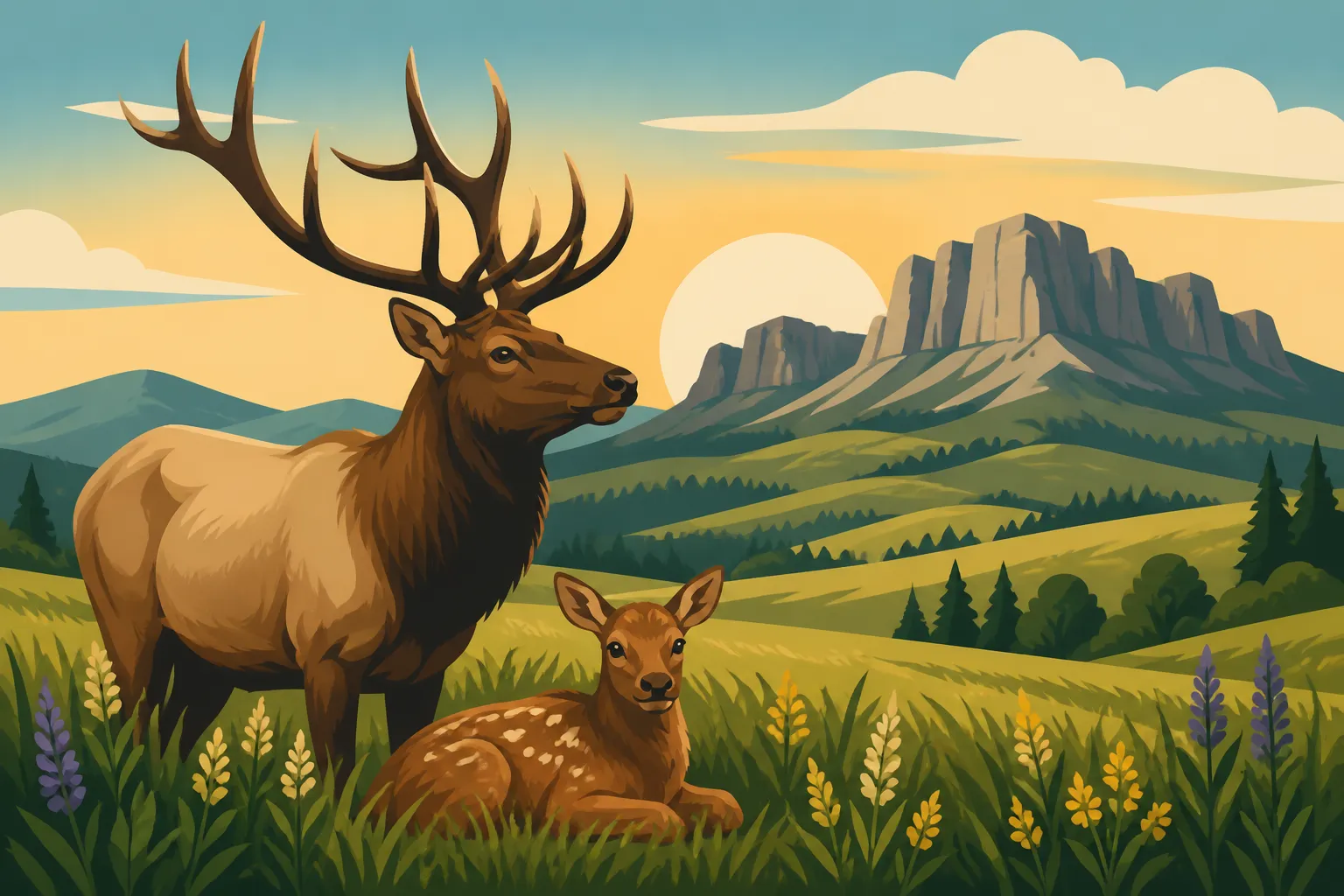
For the first few days, a newborn calf is largely immobile, relying entirely on camouflage and the protection of its mother. The cow will keep her calf bedded down, returning frequently to nurse it. This is a time of extreme vigilance for the cow. She will often bed near her calf but far enough away that she can intercept danger before it reaches the vulnerable newborn. She might even try to lead a perceived threat away from the calf's hiding spot. After a few days, the calf gains strength, and the cow will gradually begin to move it to slightly more open, but still very secure, areas. They often join other cow-calf pairs, forming small nursery bands for collective protection. This behavior makes these areas incredibly difficult to penetrate without disturbing the elk, underlining the importance of minimal intrusion during this sensitive period.
Summer's Bounty: Foraging and Growth on the Summer Range
Once the calves are a few weeks old and strong enough to travel, the elk transition from the secretive calving grounds to their broader summer ranges. This period, from late June through August, is all about putting on weight, growing antlers, and preparing for the strenuous demands of the fall rut and the coming winter. Their movements are largely dictated by the availability of high-quality forage, water, and relief from heat and insects.
Post-Calving Movement to Summer Feeding Grounds
As the calves gain mobility, the cow-calf bands gradually leave the super-dense calving cover and move towards areas with abundant, nutritious forage. These are often lush meadows, open forest clearings, or riparian zones with a rich mix of grasses, forbs, and browse. The exact timing and distance of this movement can vary based on forage conditions and how quickly the calves develop. In the Black Hills, this might mean moving from thick Ponderosa stands to higher elevation meadows or areas with mixed aspen and oak. On the prairie, they might gravitate towards robust creek bottoms or sheltered river breaks that provide consistent green growth. Water sources become even more critical during this time, not just for drinking but also as places to cool off and escape insects. Understanding South Dakota Elk Population Numbers can give you an idea of herd density, which often correlates with how much prime summer range they utilize.
Bulls Seeking Solitude and High-Quality Forage
While cow-calf bands are focused on nurturing their young, bull elk embark on their own summer mission: growing impressive antlers. This process is incredibly taxing, requiring vast amounts of energy and minerals. Consequently, mature bulls often seek out solitude in bachelor groups or alone, frequenting areas with exceptional forage quality and minimal disturbance. These locations might be at higher elevations in the Black Hills, or in the most remote, undisturbed pockets of prairie breaks. They often utilize different areas than cow-calf groups, focusing on lush, protein-rich browse and forbs that fuel antler growth. They’ll also seek out cool, shaded bedding areas to conserve energy and avoid heat stress during the warmest parts of the day. Hunters targeting big bulls often utilize resources like GoHunt to scout for these specific types of summer bull hangouts, looking for patterns that hold these elusive animals year after year. For those interested in Black Hills tactics, Black Hills Elk Hunting Tactics offers a deep dive.
Cow-Calf Bands and Their Summer Routine
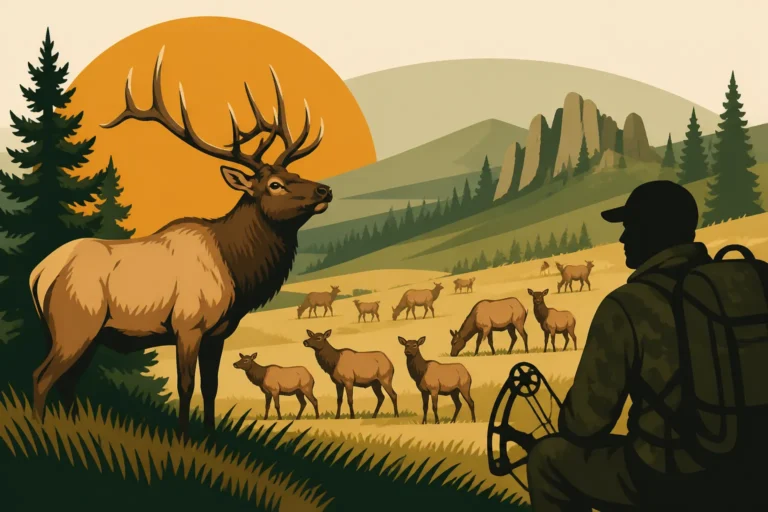
Throughout the summer, cow-calf bands establish a more consistent routine. They will typically feed heavily in the early morning and late evening, often moving into more open areas to graze. During the heat of the day, they retreat to thick cover for bedding, rumination, and shade. They might use large timber blocks, dense brush, or the cool, shaded slopes of a coulee. Water is a constant draw, and they will likely visit reliable water sources at least once, often twice, daily. As summer progresses and calves grow, these bands become larger and more visible, but they rarely stray far from the safety of dense cover. Observing these routines during the summer can provide invaluable intel for fall hunting, helping you understand preferred bedding areas, travel corridors, and feeding patterns.
Environmental Influences on Elk Movement and Range Selection
Elk are creatures of habit, but their habits are profoundly shaped by their environment. Weather, forage, water, and human disturbance all play significant roles in determining where elk choose to calve and where they spend their summer months. Understanding these variables is crucial for anyone trying to predict elk behavior.
The Role of Water and Forage Availability
Water is life, especially for large animals like elk, and its availability is a primary driver of their movements, particularly during the dry summer months. Elk need to drink frequently, and lactating cows have an even higher demand. Areas with reliable springs, seeps, creeks, or stock ponds become magnets for elk. In arid West River country, finding water can be the single most important factor in locating elk. Coupled with water, the quality and quantity of forage directly influence where elk choose to spend their time. Lush, green meadows and areas with a diverse mix of palatable plants will always attract elk over sparse, dry landscapes. A late spring rain can green up an area rapidly, drawing elk in, while a prolonged drought can force them to shift their ranges in search of better feeding. This constant search for sustenance and hydration can mean significant shifts in their home range from one year to the next. Analyzing historical rainfall and vegetation maps on platforms like GoHunt can sometimes reveal these patterns.
Temperature and Thermal Cover Requirements
Summers in South Dakota, especially in the Black Hills or on the open prairie, can get incredibly hot. Elk, with their thick coats, are particularly susceptible to heat stress. This makes thermal cover—dense stands of conifers, thick brush, or north-facing slopes—absolutely vital during the warmer months. Elk will seek out these shaded, cooler areas to bed down during the midday heat, conserving energy and reducing their body temperature. Even on cooler days, a thick canopy provides relief from biting insects. Understanding these needs helps hunters identify prime bedding areas. For instance, in the Black Hills, a steep, north-facing timbered slope might hold elk all day, even when surrounding areas are exposed and hot. Hunting Elk on Steep Black Hills Ridges offers more insight into these types of tactics.
Human Presence and Disturbance Factors
Perhaps the biggest influence on elk behavior, especially during vulnerable times like calving and summer, is human presence. Elk are incredibly wary animals, and persistent disturbance can cause them to abandon otherwise ideal habitat. This includes hikers, mountain bikers, off-road vehicles, and even frequent noise. During calving, a cow will quickly move her calf if she feels threatened. In summer, continuous pressure can push elk into thicker, more remote areas, sometimes compromising their access to the best forage. This is why many prime elk areas are found deep within national forests or on remote private lands where human traffic is minimal. For hunters, this means considering access routes that don't immediately "blow out" the area and understanding how daily recreational use might shift elk patterns. Planning your approach to minimize disturbance is crucial for success, whether it's for hunting or simply observing these magnificent animals.
Table: Key Differences Between Calving and Summer Range Habitat
| Feature | Calving Ground Characteristics | Summer Range Characteristics |
|---|---|---|
| Primary Goal | Security, Seclusion, Calf Protection | Foraging, Antler Growth, Fat Accumulation |
| Cover Density | Extremely Dense, Visual Obstruction (e.g., thick pines, brush) | Varies, but still good cover for bedding (e.g., mixed timber, riparian) |
| Forage Type | Lush, early green-up, high-protein for cows (often localized) | Diverse, abundant grasses, forbs, and browse (more widespread) |
| Water Proximity | Very close, minimal travel for cow | Accessible, but willingness to travel short distances |
| Topography | Often secluded drainages, north-facing slopes, hidden pockets | Varied; meadows, forest openings, river breaks, higher elevations |
| Social Structure | Solitary cows with newborns, then small nursery groups | Bachelor bull groups, cow-calf bands, larger mixed herds |
| Human Tolerance | Extremely low, highly sensitive to disturbance | Low, but slightly more tolerant if disturbance is infrequent |
Locating Elk: Scouting Strategies for Calving and Summer Range
Successfully finding elk during the calving and summer months requires a combination of pre-season research, e-scouting, and careful in-field observation. This isn't just about finding animals for a future hunt; it's about understanding the intricate dance between elk and their environment, which ultimately makes you a more knowledgeable outdoors person.
E-Scouting for Prime Habitat
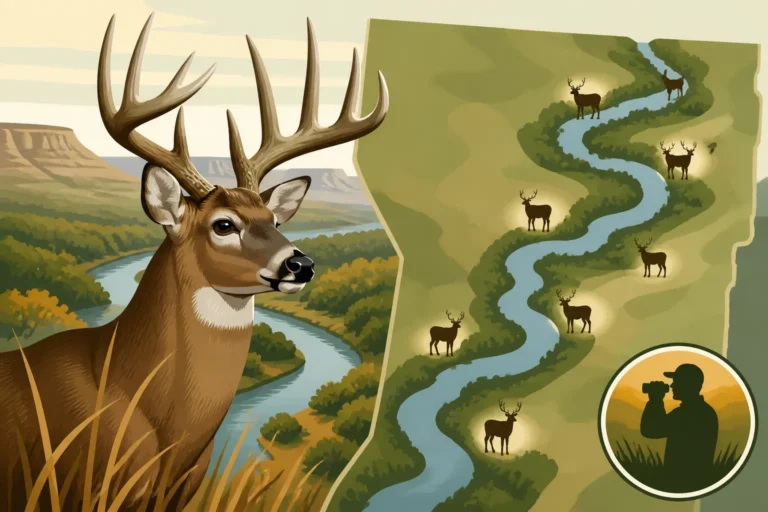
Before you ever set foot in the field, modern tools can give you a massive advantage. E-scouting platforms (like GoHunt) allow you to meticulously study aerial imagery, topographical maps, and vegetation layers right from your computer. Look for areas that fit the descriptions of prime calving and summer range. For calving, focus on dense, north-facing timber blocks or thick brushy pockets in secluded drainages, especially those close to a water source. For summer range, identify lush meadows adjacent to heavy cover, long riparian corridors, or remote, untraveled breaks. Pay close attention to changes in vegetation type, elevation, and aspect. Identify potential travel corridors connecting feeding and bedding areas. These visual cues can help you narrow down vast tracts of land to a few promising areas worth investigating on foot. E-Scouting Walk-In Areas Before the Season can provide excellent foundational knowledge.
In-Field Observation and Sign Reading
Once you've identified potential areas on your maps, it's time to hit the field. During late spring and summer, your goal isn't necessarily to spot elk (though that's a bonus), but to find fresh sign. Look for elk tracks in soft earth near water sources, dusty wallows, and trails through dense vegetation. Pay attention to rub trees, which bulls use to strip velvet from their antlers in late summer. Fresh droppings can tell you how recently elk have been in an area. Glassing at first and last light from a vantage point can reveal movement patterns into and out of feeding areas. Use your binoculars to pick apart distant timbered edges and open parklands. Remember, during calving season, mothers are incredibly secretive, so tread lightly and use your optics to scan without intruding. Look for subtle cues – a flicker of an ear, a patch of hide – that might reveal a bedded animal.
The Dynamic Nature of Elk Habitat
It's important to remember that elk habitat isn't static. A severe winter can reduce forage quality, pushing elk into new areas the following summer. A particularly wet spring can create lush conditions in places that are typically dry, drawing elk away from their usual haunts. Conversely, a drought can force elk to concentrate around the few remaining water sources. Timber thinning or prescribed burns can drastically alter habitat, creating new foraging opportunities or destroying old ones. Always approach your scouting with a flexible mindset, understanding that elk will adapt to changing conditions. The more time you spend in the field, observing and learning, the better you'll become at predicting their movements and understanding the nuances of South Dakota Elk in the Black Hills and Prairie.
Disclaimer
This article is for general informational purposes only and does not constitute professional advice. Laws, prices and regulations vary by location and change over time. Consult a qualified professional for guidance on your specific situation.