Bison in Custer State Park
There’s something truly primal about seeing a herd of bison roaming free, a living echo of a landscape that once stretched for thousands of miles, and nowhere in South Dakota is that feeling more palpable than in Custer State Park. If you're planning a visit or just dreaming about it, this guide will walk you through everything from their fascinating history and management to the best ways to observe these magnificent animals safely and ethically in their natural habitat.
The Enduring Legacy of Bison in Custer State Park
Seeing bison up close in Custer State Park is more than just a wildlife sighting; it's a journey back in time, a chance to connect with the very soul of the American West. These aren't just animals; they are a vibrant, breathing link to an era when vast herds shaped the prairies and plains.
A Living Relic of the Old West
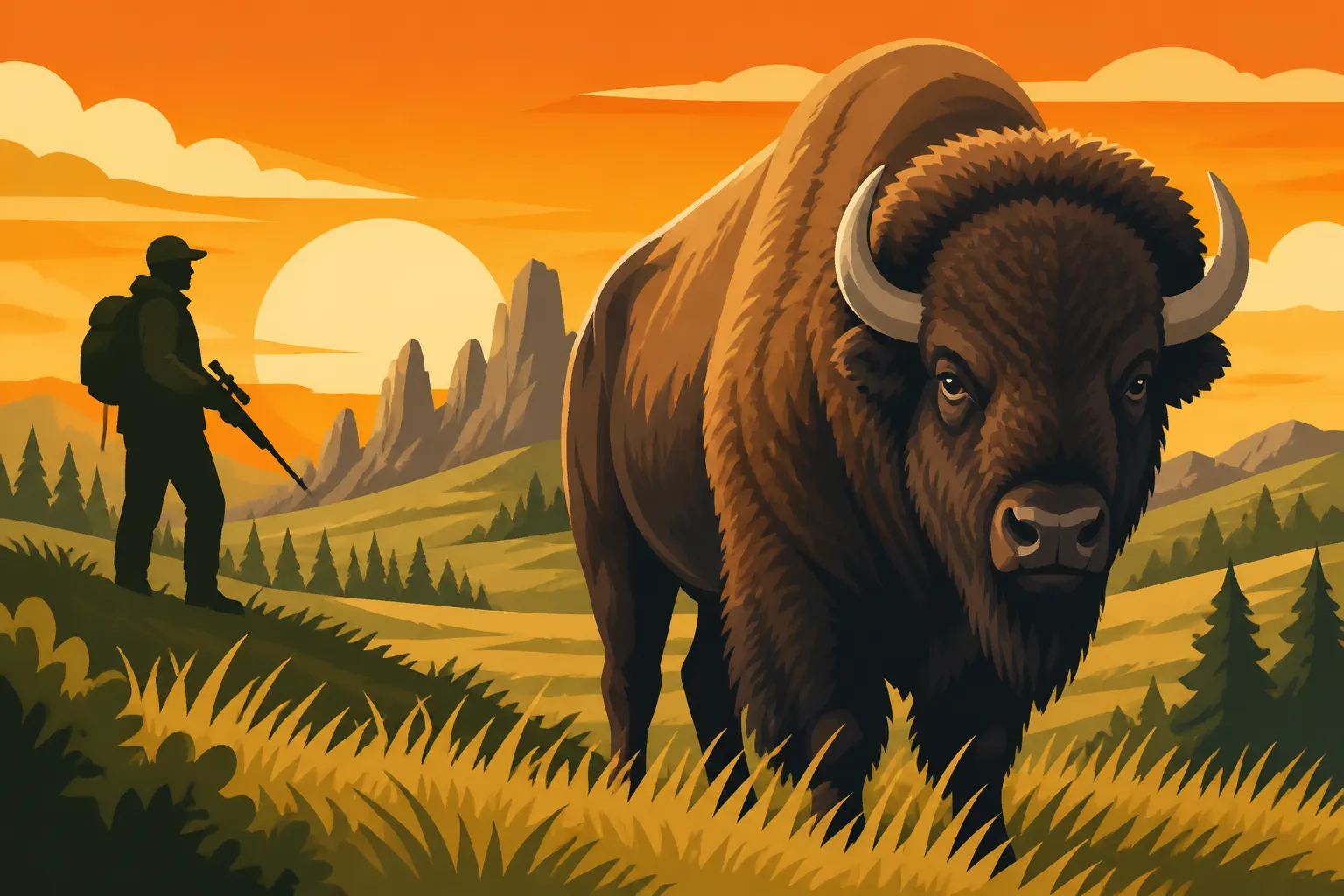
Imagine standing on a windswept hill, the scent of sage and pine in the air, and watching a massive bull bison grazing with his herd. It’s easy to feel the weight of history in that moment. For centuries, bison were the lifeblood of this region, their thundering hooves shaping the very ecosystem. To witness them thriving within the boundaries of Custer State Park is to see a piece of that wild heritage preserved, not as a museum exhibit, but as a dynamic, living entity. The park gives visitors a rare opportunity to experience the scale and raw power of what was once commonplace.
While they are managed within park boundaries, the environment feels incredibly wild. The rolling hills, the ponderosa pine forests, and the open meadows provide an authentic backdrop that allows the bison to behave much as their ancestors did. This sense of undisturbed nature is what makes the experience so profound; you're not just seeing an animal, you're observing a keystone species interacting with its ancestral home. It’s a powerful reminder of what was almost lost and what committed conservation efforts can bring back.
The Park's Role in Bison Conservation
Custer State Park isn’t just a pretty place for bison to live; it's a critical player in the ongoing conservation story of the American bison. The herd within the park is one of the largest publicly owned herds in the world, and it plays an invaluable role in maintaining the genetic health and overall viability of the species. Unlike some other herds, the Custer State Park bison are considered genetically pure, meaning they haven't been crossbred with domestic cattle, which is a huge deal for long-term conservation goals.
The park actively manages its bison population, not just for the benefit of visitors, but for the health of the species as a whole. They are involved in programs that supply bison to other conservation herds across North America, helping to re-establish and bolster populations elsewhere. This dedication ensures that the legacy of these magnificent creatures continues far beyond the park's fences. It’s a testament to sustained, thoughtful management that we still get to see these giants roam today.
Custer State Park's Bison Herd Management
Managing a herd of over 1,000 bison in a diverse landscape like Custer State Park is no small feat. It requires careful planning, scientific insight, and, famously, a whole lot of grit and cowboy spirit. This ongoing effort ensures the health of the animals and the vitality of the ecosystem they call home.
The Annual Buffalo Roundup Tradition
Perhaps the most iconic aspect of Custer State Park's bison management is the annual Buffalo Roundup. Every fall, usually the last Friday in September, the park unleashes a team of cowboys and cowgirls, on horseback, to drive the massive herd across the open prairie into corrals. If you've never seen it, it's an absolutely incredible spectacle – a thundering mass of hooves and hides, dust rising against the Black Hills backdrop, a scene ripped straight from a classic Western movie. Many folks plan their entire trip around it; checking specific dates for events like this can be a key part of using a resource like GoHunt for your travel planning.
The roundup isn't just for show, though it certainly is a grand one. Its primary purpose is herd management. Once the bison are safely in the corrals, they undergo health checks, vaccinations, and branding. This is also when the herd's population is assessed. Some animals are selected for sale, which helps maintain the herd at a sustainable size for the park's resources and ensures genetic diversity. It's a critical process that keeps the herd robust and healthy, ensuring their future in the park and contributing to wider bison conservation efforts. You can learn more about this exciting event by searching for The Custer State Park Buffalo Roundup.
Balancing Herd Health and Habitat
The delicate balance between maintaining a healthy bison herd and preserving the diverse habitats of Custer State Park is a continuous challenge for park managers. Bison are powerful grazers, and if left unchecked, their sheer numbers could significantly impact the vegetation and overall health of the ecosystem. The park aims to keep the herd at a size that the land can naturally support without degradation. This often means culling animals annually to prevent overgrazing.
Park biologists constantly monitor the condition of the grasslands and forests, using the information to inform their herd management decisions. They consider factors like forage availability, water sources, and the animals' overall health. This scientific approach, coupled with traditional practices like the roundup, ensures that Custer State Park remains a vibrant, healthy home for its bison, as well as for the Custer State Park Elk and Bison and other wildlife that rely on the same resources. It’s a complex dance of conservation, ecology, and responsible stewardship.
Understanding Bison Behavior and Ecology
Bison are much more than just large, shaggy animals; they possess fascinating social structures and behaviors that are intrinsically linked to their prairie environment. Understanding these aspects enhances your viewing experience and, crucially, helps ensure your safety.
Daily Life on the Prairie
A typical day for a Custer State Park bison largely revolves around foraging, resting, and social interaction. You'll often see them slowly moving across the meadows, heads down, systematically grazing on grasses and forbs. This grazing is vital to the prairie ecosystem, acting as a natural lawnmower that prevents woody plants from taking over and encourages the growth of diverse plant species. These animals are incredibly efficient grazers, constantly on the move to find the best forage, a behavior that has shaped the prairie for millennia.
Beyond grazing, bison are known for their distinctive "wallowing." They'll roll in dirt and dust, creating shallow depressions known as wallows. This isn't just for fun; it's believed to help them shed winter fur, deter insects, and potentially even establish dominance within the herd. During the summer rut, mature bulls will engage in impressive displays of dominance, including roaring, head-butting, and sparring, all to establish breeding rights. Observing these behaviors from a safe distance truly brings their wildness to life.
Bison and Human Interaction Safety
While bison might look slow and docile, especially when grazing calmly, they are powerful, wild animals and utterly unpredictable. Approaching too closely is one of the biggest mistakes visitors make, often with severe consequences. It's crucial to remember that bison can run much faster than a human – up to 35 miles per hour – and can weigh over a ton. They also have sharp horns and a surprisingly quick temper, especially if they feel threatened, if there are calves nearby, or during the breeding season.
The golden rule in Custer State Park, and any wildlife area with bison, is to always maintain a safe distance. Park recommendations typically suggest staying at least 100 yards away from bison. Never try to pet them, feed them, or get out of your vehicle to take a "selfie" with them. If a bison changes its behavior due to your presence – lifting its head, pawing the ground, or flicking its tail – you are too close. Slowly and calmly retreat. Keeping these safety guidelines in mind is essential for a memorable and incident-free visit. Tools like GoHunt can help you plan your itinerary, but they also often feature sections on park regulations and safety tips, which are vital to review before you hit the road.
Bison Viewing and Photography Tips
Getting a fantastic view or a stunning photo of Custer State Park's bison herd is a highlight for many visitors. With a little planning and respect for wildlife, you can achieve both while keeping everyone safe.
Where to Find the Herd
While bison can appear anywhere within the park, there are a few areas where they are more frequently spotted, increasing your chances of a great viewing experience. The Wildlife Loop Road is perhaps the most famous and reliable spot. This 18-mile scenic drive takes you through rolling prairie and forested hills, and it’s specifically designed to offer prime wildlife viewing opportunities. Here, you’ll often find large herds grazing in the open meadows, especially in the early mornings and late evenings when they are most active.
Another excellent area is around the French Creek Horse Camp and the adjacent grasslands. Sometimes the herd will cross the main highways, especially US-16A (Iron Mountain Road) or SD-87 (Needles Highway), but remember to drive slowly and be prepared for sudden stops. Often, the best strategy is simply to drive the Wildlife Loop Road, taking your time, and letting the animals reveal themselves. Patience is key; sometimes you'll see hundreds, other times you might only spot a few. The beauty of it is that it's a wild experience, and there are no guarantees, which adds to the adventure.
Ethical Wildlife Photography
Capturing the majesty of Custer State Park's bison through your lens is a rewarding experience, but it’s crucial to do so ethically and safely. The primary rule, as mentioned, is distance. This means investing in a good telephoto lens if you're serious about photography. A 300mm or 400mm lens will allow you to get those incredible close-up shots without ever encroaching on the bison's personal space, ensuring both your safety and their comfort. Remember, a stressed animal doesn't make for an authentic photograph.
Beyond equipment, patience is your best friend. Instead of chasing the shot, find a good vantage point, perhaps from your vehicle, and wait for the bison to move into a favorable position. Avoid using flash, especially at night, as it can startle wildlife. Resist the urge to use drones; not only are they often prohibited in national and state parks, but their presence can also disturb animals. Focus on capturing natural behaviors – grazing, wallowing, or calves playing – rather than trying to provoke a reaction. Your goal should be to document their lives as they unfold, respectfully. For planning your trips and gear, resources like GoHunt can provide useful insights, from finding ideal viewing spots to recommendations on camera equipment that respects wildlife safety guidelines.
Comparison of Custer State Park Bison Viewing Areas
| Location | Best Time to Visit | Typical Sightings | Viewing Difficulty | Notes |
|---|---|---|---|---|
| Wildlife Loop Road | Early Morning / Late Afternoon | Large herds, bulls, cows, and calves | Easy – Moderate | Most reliable, paved road, can get busy. Drive slow. |
| French Creek Horse Camp Area | Morning / Evening | Smaller groups, grazing near water | Easy | Less traffic, can sometimes see them near camp area. |
| SD-87 (Needles Highway) | Midday (less predictable) | Occasional crossings, single animals | Moderate | Less frequent, scenic drive. Be prepared for bison on road. |
| US-16A (Iron Mountain Road) | Midday (less predictable) | Similar to SD-87, sometimes near tunnels | Moderate | Beautiful views, keep eyes peeled. |
| Lame Johnny Creek Area | Anytime | Small groups, often near water/shade in summer | Moderate | Deeper into the park, less frequented, requires more searching. |
| Elk Mountain Campground Area | Anytime | Mostly individuals or small bachelor groups | Moderate | Good chance to see bison further from main loop. |
Disclaimer
This article is for general informational purposes only and does not constitute professional advice. Laws, prices and regulations vary by location and change over time. Consult a qualified professional for guidance on your specific situation.