Canada Goose Growth in South Dakota
It wasn't always like this, was it? For many of us who've spent decades chasing honkers across the vast South Dakota landscape, the sheer number of Canada geese we see today can sometimes feel overwhelming, a far cry from the more limited opportunities of past generations. This guide aims to pull back the curtain on how these magnificent birds have managed to thrive and proliferate across our state, exploring the history, the habitat, and the hunting strategies that have evolved alongside their impressive growth.
The Resurgence of Canada Geese in South Dakota
If you've been around South Dakota for a while, especially in the hunting community, you might remember a time when Canada geese were considered more of a prized rarity than the common sight they are today. It's easy to get a little frustrated when you see massive flocks settling into every available field, sometimes pushing out other species, but understanding their journey helps put it all in perspective. Their comeback story across North America, and particularly in our state, is a remarkable testament to both their resilience and concerted conservation efforts.
Early Populations and Conservation Efforts
Back in the early to mid-20th century, Canada goose populations were in serious trouble across many parts of their range, including what would become prime South Dakota habitat. Overhunting, coupled with widespread habitat destruction from expanding agriculture and development, had pushed certain subspecies to the brink. It was a bleak picture, and many thought the days of abundant waterfowl might be gone forever.
However, dedicated conservationists and agencies stepped in. Strict hunting regulations were implemented, waterfowl refuges were established, and groundbreaking reintroduction programs began to bring birds back to areas where they had been extirpated. These efforts were often painstaking, involving the capture and relocation of breeding pairs and goslings to suitable new habitats. South Dakota, with its burgeoning agricultural landscape and natural prairie potholes, quickly became a focal point for these recovery initiatives.
These early successes laid the groundwork for the future we see today. The focus wasn't just on bringing back numbers, but on understanding their biology and ensuring the conditions were right for sustainable growth. It was a long game, played out over decades, but the results speak for themselves, transforming the outlook for these incredible birds.
Adaptability and Habitat Expansion
One of the most defining characteristics of Canada geese is their incredible adaptability. While many species struggle with human encroachment, Canada geese have, in many ways, learned to thrive alongside us, even in environments we wouldn't traditionally think of as "wild." This adaptability has been a huge driver in their population explosion across South Dakota.
They've learned to utilize urban and suburban green spaces, golf courses, parks, and even farm ponds as safe havens for nesting and loafing. These areas often provide ample food (like manicured grasses) and fewer natural predators than their ancestral prairie nesting grounds. This expansion into diverse habitats has allowed them to colonize new territories and increase their breeding success exponentially.
In South Dakota, this means they’re not just confined to the major rivers or large public lakes. You'll find them on small stock dams in West River country, in the city parks of Sioux Falls, and nesting along the edges of a thousand prairie potholes. This flexibility in choosing breeding and resting sites has meant that more hens are nesting successfully, and more goslings are making it to maturity, contributing to the overall robust population.
Why South Dakota Became a Goose Magnet
South Dakota isn't just a convenient stopover for migrating Canada geese; it's become a critical destination and even a year-round home for many. This transformation into a true "goose magnet" isn't accidental. It's a combination of ideal geography, plentiful resources, and a landscape that, perhaps unintentionally, caters perfectly to their needs. Understanding these factors helps us appreciate why our state now boasts such impressive goose numbers.
Abundant Water and Food Sources
One of the primary drivers behind the explosive growth of Canada geese in South Dakota is the sheer abundance of high-quality habitat, particularly water and food. Our state sits squarely in the Central Flyway, a superhighway for migratory birds, offering countless natural pit stops. The Missouri River system, with its massive reservoirs like Lake Oahe and Lake Sharpe, provides vast stretches of open water that are critical for loafing and roosting, especially during migration and in colder weather.
Beyond the big rivers, the eastern half of South Dakota is dotted with thousands of prairie potholes and wetlands – natural depressions carved by ancient glaciers that fill with water and teem with aquatic vegetation. These wetlands are goose nurseries, offering ideal nesting sites and rich feeding grounds for young goslings. Meanwhile, the vast agricultural fields across the entire state, particularly those growing corn, wheat, and soybeans, provide an almost unlimited buffet of waste grain after harvest. A goose can easily spend the day feeding in a cut cornfield, packing on energy, and then retreat to a safe water body for the night. This combination of prime water and food is a gold mine for geese, supporting huge flocks and high reproductive rates. You can explore more about these opportunities in Waterfowl Hunting the South Dakota Prairie.
Reduced Predation and Nesting Success
Another critical factor contributing to the significant growth of Canada geese is a general reduction in certain types of predation, particularly for nesting birds and goslings. While foxes, coyotes, and eagles are always a threat, many resident geese have found "safer" places to nest that offer them a distinct advantage.
In areas closer to human habitation – think farmsteads, golf courses, or even islands within larger water bodies – the presence of humans often deters some of the ground predators that would typically raid nests. This isn't to say geese are entirely safe, but the odds of a nest being destroyed by a coyote are often lower in these semi-protected zones compared to a completely wild prairie setting. This can lead to higher clutch survival rates and ultimately more goslings making it to the flight stage. When you combine this with plentiful food and water, it creates a near-perfect environment for goose populations to flourish. Many avid bird hunters rely on scouting tools, like those found on GoHunt, to help identify these prime feeding and resting areas ahead of their hunts.
Impacts of a Thriving Goose Population
While the robust population of Canada geese is a testament to successful conservation, it's not without its complexities. A thriving goose population brings both exciting opportunities for hunters and unique challenges for landowners and wildlife managers. It's a delicate balance, and understanding these various impacts is crucial for anyone who cares about South Dakota's wildlife and agricultural landscape.
Opportunities for Waterfowl Hunters
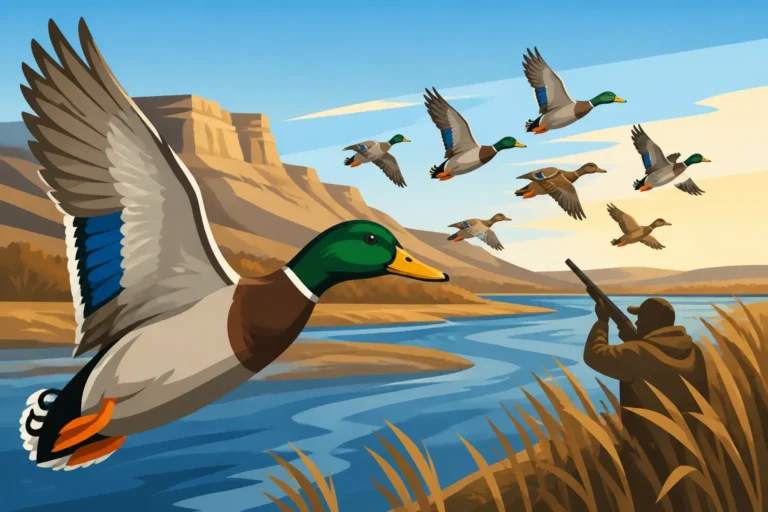
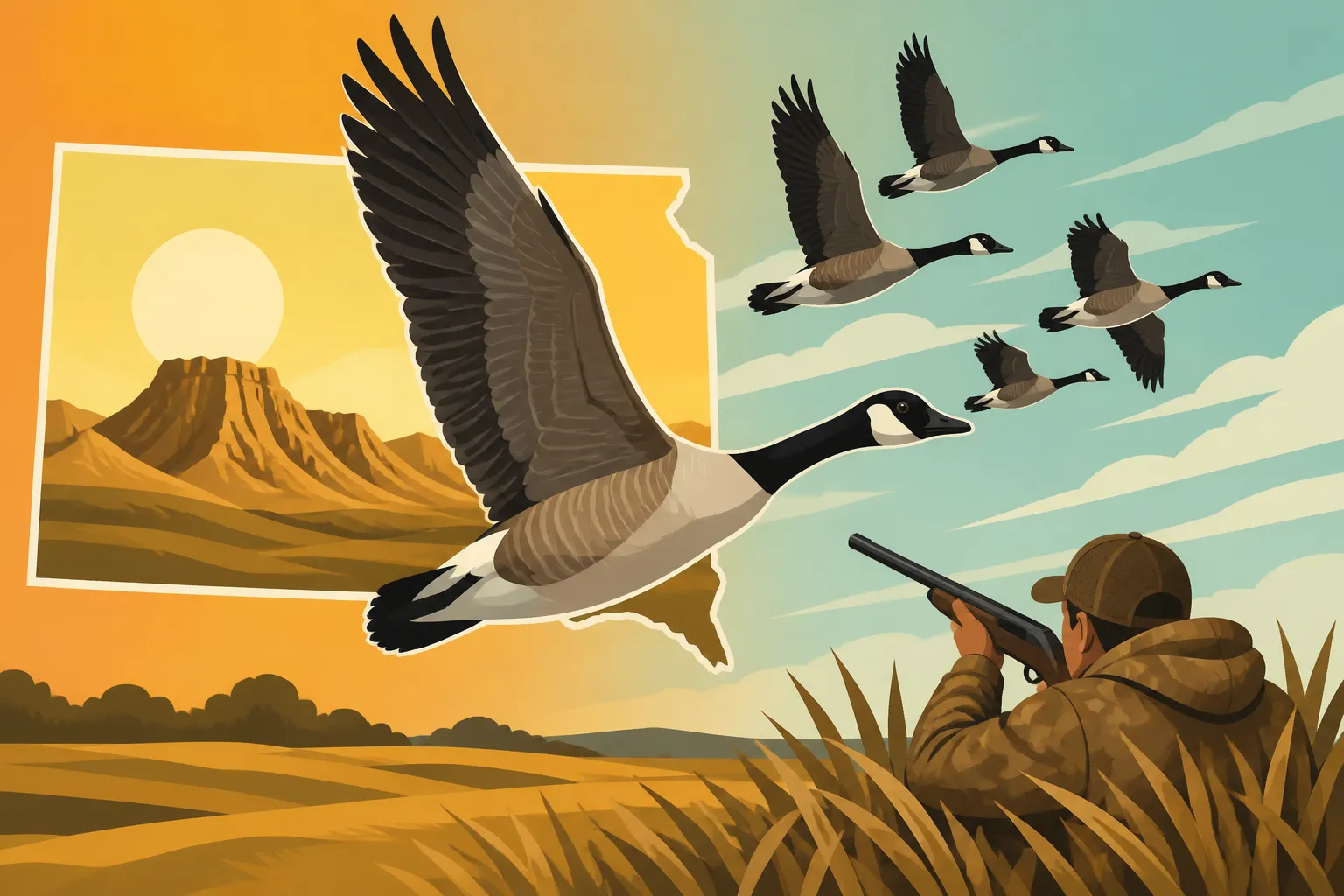
For many hunters, the growth of Canada geese in South Dakota has been nothing short of a blessing. The sheer numbers mean more opportunities, longer seasons, and often, more liberal bag limits than some other waterfowl species. It's become a quintessential South Dakota hunting experience, with hunters bundling up, setting out massive decoy spreads, and calling in flocks of honkers against a crisp autumn sky.
Whether you're targeting early season resident geese or challenging late-season migrants, the presence of these birds provides consistent hunting action. The "Early Canada Goose Season" has become incredibly popular, offering a chance to get out in the field before the main waterfowl seasons kick off, specifically designed to help manage those abundant local populations. Knowing where geese prefer to feed, such as in Field Hunting Geese in South Dakota Cut Corn, becomes key to success. This sustained opportunity contributes significantly to our state's hunting heritage and economy, drawing both residents and non-residents eager to experience world-class goose hunting. Many hunters use digital mapping services from providers like GoHunt to scout potential feeding areas and secure access, enhancing their success in these popular fields.
Agricultural Conflicts and Management Challenges
On the flip side, the impressive growth of Canada goose populations isn't always celebrated, especially by agricultural producers. Large flocks of geese can cause significant damage to crops, particularly during certain times of the year. Newly sprouted winter wheat fields can be grazed down, and mature corn or soybean fields can suffer heavy losses from feeding birds, especially as they trample and consume grain before or during harvest. This can translate to tangible financial losses for farmers, creating tension between wildlife conservation and agricultural livelihoods.
Managing these conflicts is a complex challenge for wildlife agencies. Strategies often include special hunting seasons, depredation permits, and hazing techniques to move birds away from vulnerable crops. However, the sheer number of birds and their widespread distribution across agricultural landscapes make comprehensive management a continuous effort. It requires ongoing monitoring, flexible regulations, and collaboration with landowners to mitigate the impact while still sustaining healthy goose populations. The table below summarizes some of the key factors that have contributed to this growth and the challenges it brings.
| Factor Contributing to Growth | Impact on Geese | Challenges for Management |
|---|---|---|
| Abundant Water Bodies | Ideal nesting, resting, and roosting sites | Concentrates birds, can lead to localized damage |
| Plentiful Waste Grain | High-energy food source, supports large populations | Causes significant crop depredation |
| Reduced Predation | Higher survival rates for nests and goslings | Increased population pressure on resources |
| Adaptability to Human Areas | Colonization of new habitats, extended range | Difficult to deter from urban/suburban refuges |
| Milder Winters | Better overwinter survival, earlier breeding | More resident birds, longer periods of impact |
Managing Canada Goose Numbers for a Healthy Balance
With such a booming population, active management is absolutely essential to maintain a healthy ecological balance, minimize conflicts, and ensure sustainable hunting opportunities. It’s not just about letting nature take its course; it’s about understanding the dynamics of these birds and implementing strategies that work for both the geese and the people of South Dakota.
Hunting Regulations and Early Seasons
Hunting remains the primary and most effective tool for managing Canada goose populations. South Dakota's wildlife agencies carefully set season dates and bag limits based on population surveys and biological data. These regulations are designed to allow for recreational harvest while ensuring the long-term health of the goose population. You'll often find specific rules related to South Dakota Waterfowl Season Dates that reflect these management goals.
The "Early Canada Goose Season" is a prime example of targeted management. This season typically occurs before the main duck and goose seasons, focusing specifically on resident, locally breeding geese. These are the birds that contribute most directly to agricultural damage and can quickly overpopulate local areas. By allowing hunters to target these birds before migrants arrive, it helps reduce local numbers and disperse flocks, minimizing their impact on crops and habitat. Hunters need to be aware of regulations like South Dakota Federal Duck Stamp Rules and South Dakota HIP Registration to participate legally.
Habitat Management and Public Awareness
Beyond hunting regulations, habitat management plays a crucial role. While Canada geese are adaptable, maintaining diverse and healthy wetlands benefits all waterfowl species and can influence how geese utilize the landscape. Efforts to restore and protect wetlands provide not only nesting cover but also alternative food sources, potentially reducing pressure on agricultural fields.
Public awareness and education are also key components of effective management. Helping landowners understand methods for hazing geese from sensitive areas, promoting responsible feeding practices (or discouraging feeding altogether in some cases), and encouraging participation in hunting are all vital. When planning your hunting trips, remember that valuable resources like GoHunt can provide insight into different hunting areas and regulations, helping you be a more informed and effective hunter. Understanding why geese behave the way they do, and how human actions influence them, is crucial for fostering a coexistence where both wildlife and people can thrive. Whether you're setting out Layout Blinds on South Dakota Stubble or strategizing for Early Canada Goose Season Tactics, responsible hunting and an informed approach contribute to this broader goal.
Disclaimer
This article is for general informational purposes only and does not constitute professional advice. Laws, prices and regulations vary by location and change over time. Consult a qualified professional for guidance on your specific situation.