South Dakota Predators and Furbearers
South Dakota is a state often celebrated for its pheasants and big game, but underneath that reputation lies a vibrant and often challenging world of predators and furbearers that offer incredible hunting opportunities. Many hunters, especially those new to the prairie, might feel overwhelmed by the vastness and the elusive nature of these animals, unsure how to even begin deciphering their movements or where to focus their efforts. This comprehensive guide is designed to peel back the layers, offering a realistic look at the different species, their behaviors, and practical strategies to enhance your success and appreciation for these remarkable animals across the diverse landscapes of South Dakota.
Understanding South Dakota's Predator and Furbearer Landscape
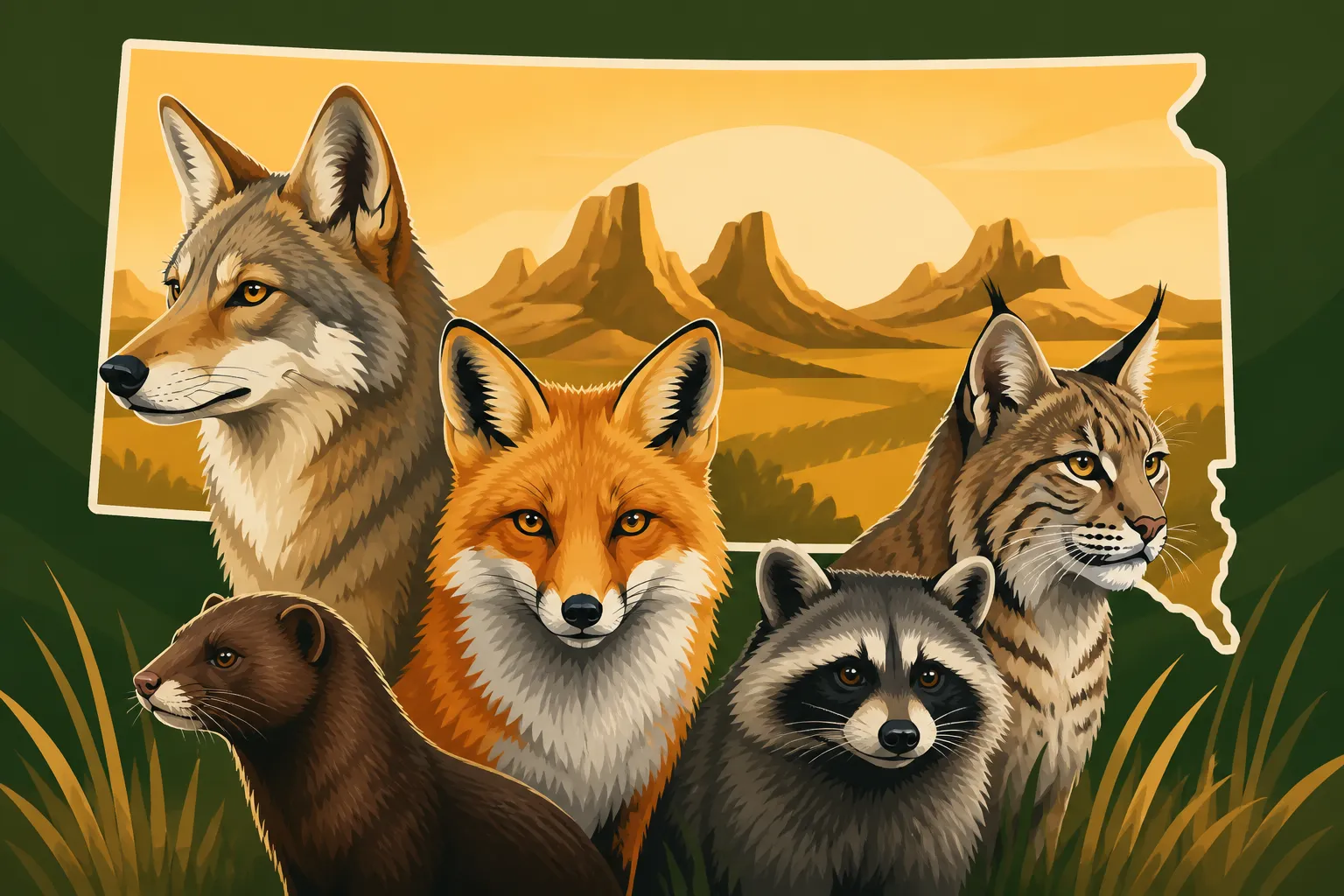
When you think about the wild heart of South Dakota, images of pheasants bursting from cattails or massive mule deer silhouetted against a West River sunset probably come to mind. But lurking in the shadows, patrolling the vast grasslands, and navigating the timbered draws are a fascinating array of predators and furbearers that are an integral part of this ecosystem. These creatures aren't just targets for hunters; they are crucial components of the natural balance, and understanding their role and environment is the first step to successfully pursuing them. The sheer variety here, from the ubiquitous coyote to the elusive bobcat, makes predator hunting a year-round challenge for those willing to learn their ways.
The Diverse Ecosystem Supporting These Species
South Dakota's landscape is a mosaic of habitats, each contributing to the rich biodiversity that supports its predator and furbearer populations. East River, characterized by its glacial lakes, extensive wetlands, and agricultural fields interspersed with shelterbelts and sloughs, provides ample cover and food sources. This region is a haven for small game like pheasants and rabbits, which in turn sustain coyotes, foxes, and raccoons. Travel west of the Missouri River, and the landscape transforms into rugged breaks, vast grasslands, and sagebrush flats. This West River country, particularly areas like the Buffalo Gap National Grassland, offers different opportunities. It’s the domain of the swift fox, the badger, and, notably, the occasional mountain lion in the Black Hills. Even the timbered river bottoms along the Missouri provide unique corridors for these animals. This topographical and ecological diversity means that a "one size fits all" approach to predator hunting simply won't cut it. You need to understand the local pantry and the local hideouts.
Why These Animals Thrive Here
The success of South Dakota's predator and furbearer populations can be attributed to several key factors. First, the abundant prey base. Whether it's the millions of pheasants, the healthy deer herds, or the prolific rabbit and rodent populations, there's rarely a shortage of food for these opportunistic hunters. Second, the vast expanses of undeveloped land, particularly in West River, provide crucial habitat and cover from human disturbance. Even in heavily farmed East River areas, pockets of dense cover—like unharvested cornfields, deep cattail sloughs, and thick shelterbelts—offer refuge. Finally, relatively liberal hunting and trapping regulations for many of these species allow for year-round pursuit, which, paradoxically, can help keep populations healthy by preventing overpopulation and disease in certain areas. Understanding these fundamental reasons for their success will help you key into where to look and when to focus your efforts. For example, during harsh winters, prey animals might be concentrated in specific areas, drawing in predators who are just trying to survive, presenting unique opportunities for savvy hunters.
Coyotes: The Prairie's Apex Small Predator
If there's one animal that truly embodies the spirit of the South Dakota prairie, it's the coyote. Their mournful howls echoing across the vast landscape are as iconic as a pheasant's cackle. Coyotes are incredibly adaptable, intelligent, and widespread, making them a top target for many predator hunters. However, their cunning nature means that simply driving around hoping to spot one is often a recipe for frustration. To consistently connect with these wily canids, you need a deep understanding of their behavior, their preferred hangouts, and the art of deception. Many a hunter has spent hours calling, only to realize the coyote circled downwind and vanished without a trace.
Coyote Behavior and Habitat Preferences
Coyotes are creatures of habit, but also opportunists. They generally prefer open country where they can use their keen senses to locate prey from a distance, but they also rely heavily on cover for denning, resting, and ambushing. In East River, you'll find them concentrating around large cattail sloughs, dense shelterbelts adjacent to cornfields, and the edges of large CRP (Conservation Reserve Program) grasslands. These areas provide food, water, and protection. West River, with its expansive prairie, breaks, and coulees, offers even more prime habitat. They'll use the topography to their advantage, often traveling along creek beds or through brushy draws that keep them out of sight. During the denning season, typically from late winter through early spring, they become even more territorial and can be very responsive to distress calls. Knowing their daily patterns—active during dawn and dusk, often resting in heavy cover during midday—is crucial for timing your hunts. Using mapping tools, like those found on GoHunt, can help you identify these key habitat features, such as isolated groves of trees or the confluence of several draws, long before you set foot in the field.
Calling Tactics for South Dakota Coyotes
Effective coyote calling in South Dakota is an art form, not just a simple flick of a switch. You're trying to replicate sounds that trigger a coyote's natural instincts: hunger, curiosity, or territorial defense. There are generally three main types of calls: distress calls (rabbit, fawn, bird, rodent), challenge howls, and pup distress. Distress calls are often most effective, mimicking an easy meal. Start subtly, then increase intensity. Challenge howls, especially during the breeding season (late winter), can provoke a territorial response from dominant coyotes. Pup distress calls can work well when coyotes have pups nearby, as they'll come to investigate the perceived threat.
The key is setting up appropriately. Always approach your calling location with the wind in your favor, as coyotes almost always try to circle downwind to scent-check the source of the sound. Utilize topography and cover to conceal your approach and your position. A good rule of thumb is to call for 15-20 minutes, alternating call types and volumes, before moving to a new setup. Don't be afraid to try different areas; sometimes a subtle change in terrain or cover can make all the difference. Remember to pause and scan frequently, as coyotes can appear silently and quickly. Mastering your Coyote Calling on Open Grassland techniques will greatly improve your odds.
Night Hunting Regulations and Considerations
South Dakota offers the exciting opportunity to hunt coyotes at night, which can be an incredibly effective strategy, especially for pressured animals. However, it comes with strict regulations and safety considerations. According to the South Dakota Game, Fish and Parks (GFP), you must use artificial lights and be on foot when hunting coyotes at night. There are restrictions on what lights you can use, so always check the latest regulations. Generally, any white light can be used to locate, spotlight, or kill coyotes. This contrasts with some states that restrict light color or intensity.
When planning a night hunt, safety is paramount. Always know your backstop, especially when using powerful rifles in low light. Have a clear understanding of the terrain you're hunting; e-scouting with tools like GoHunt and walking the area in daylight can prevent missteps. Communication with your hunting partners is vital, using pre-arranged signals if you’re covering separate areas. Thermal optics and night vision have revolutionized night hunting, allowing hunters to detect animals at great distances, but even with this advanced technology, the fundamental principles of wind direction and stealth remain critical. Understanding the specific Night Hunting Rules for Coyotes in South Dakota will keep you legal and safe.
Red Fox and Swift Fox: Stealthy Prairie Hunters
Beyond the coyote, South Dakota is also home to two distinct fox species that offer unique hunting challenges: the widespread red fox and the more localized swift fox. Both are cunning, but they differ significantly in size, habitat, and behavior, requiring hunters to adjust their tactics accordingly. Successfully hunting foxes often means a keen eye, patience, and a nuanced understanding of their world.
Identifying and Locating Fox Species
The red fox is the most commonly encountered fox in South Dakota, found throughout the state in areas with a mix of agricultural land, grasslands, and timbered draws. They are larger than swift foxes, with the iconic reddish-orange fur, white belly, black "stockings" on their legs, and a distinctive white tip on their tail. They often den in burrows dug by other animals, under abandoned buildings, or in dense brush piles. They are highly opportunistic feeders, preying on rabbits, rodents, birds, and even insects, making them adaptable to various food sources. Look for them around farmsteads, shelterbelts, and the edges of fields where small game is abundant.
The swift fox, on the other hand, is much smaller, about the size of a house cat, with a yellowish-tan coat, large ears, and a black tip on its tail. As their name suggests, they are incredibly fast. They are predominantly found in the shortgrass prairie regions of West River South Dakota, particularly the Buffalo Gap National Grassland. They prefer very open country, often utilizing prairie dog towns for their dens and as a primary food source. They are largely nocturnal, though they can be active during twilight hours. Distinguishing between these two can be critical for targeting your efforts, as their habitats often don't overlap extensively.
Effective Fox Hunting Strategies
Hunting red fox often involves similar calling strategies to coyotes, using distress calls like rabbit or rodent squeals. However, red fox can be more cautious and may hang up at a distance, making a long-range shot essential. They often prefer to approach cover, so setting up near a brush line or shelterbelt can be effective. They also respond well to "chirps" or "squeaks" made directly from the mouth, especially if one is spotted at a distance. Camouflage and remaining absolutely still are even more critical with these keen-eyed predators. Many hunters find success by combining calling with careful glassing of open fields during low light conditions.
For swift fox, the strategy shifts. Their preference for open prairie means long-range visibility and good optics are essential. They are incredibly wary. Calling, again with rodent or small bird distress sounds, can be effective, but typically requires a very cautious approach and an understanding of their tendency to "pop up" from a den site to investigate. Often, swift fox hunting can involve more spotting and stalking, much like you might approach Spot-and-Stalk Antelope on Open Prairie. Patience is a virtue, and being able to sit and glass vast areas, especially near prairie dog towns, can reveal their presence. Understanding the nuances of Fox and Bobcat Sets in South Dakota can greatly enhance your success, especially when considering different lure and bait applications if trapping.
Bobcats: Elusive Felines of the Badlands and Beyond
The bobcat stands as one of South Dakota's most captivating and challenging furbearers to pursue. Their secretive nature, beautiful spotted coats, and powerful predatory instincts make them a highly sought-after trophy for both trappers and hunters. While not as numerous or widespread as coyotes, their presence adds an exciting dimension to the state's predator hunting scene. Bagging a bobcat in South Dakota is a true testament to a hunter's skill and perseverance.
Bobcat Distribution and Prime Habitat
Bobcats in South Dakota are primarily concentrated in the western half of the state, particularly in the rugged and broken terrain of the Badlands, the Black Hills, and the Missouri River breaks. These areas offer the dense cover, rocky outcroppings, and abundant prey (rabbits, rodents, and even deer fawns) that bobcats rely on. They prefer areas with good hiding spots—dense brush, caves, rock piles, and thick timber. While less common, they can occasionally be found in the timbered draws and heavy cover along major river systems in East River, especially the James River and other large watersheds, often using these corridors to travel undetected.
Their territories can be quite large, especially for males, and they are largely nocturnal or crepuscular (active at dawn and dusk). During the day, they will often rest in dense cover. A key to locating bobcats is to focus on areas that offer this trifecta of cover, water, and a diverse prey base. Looking for sign, such as tracks in sandy washes or scat on prominent rocks, can give you clues to their presence. Utilize mapping applications like GoHunt to pinpoint those secluded canyons, rocky areas, and dense timber pockets that might hold a bobcat.
Hunting Challenges and Best Practices
Hunting bobcats is a test of patience, stealth, and acute observation. They rarely expose themselves in the open for long periods. Calling can be effective, but often requires more subtlety than coyote calling. Using high-pitched rodent or bird distress calls can entice a bobcat, but they often approach very cautiously, utilizing every piece of cover available. It’s not uncommon for a bobcat to appear silently at close range, only to vanish if it senses danger. Therefore, absolute stillness and a keen eye are critical.
Another effective method, particularly in areas with good snow cover, is tracking. A fresh bobcat track can lead you to prime habitat or even a fresh kill, though following one can be an arduous and time-consuming endeavor. Setting up near known travel corridors, particularly those that connect dense cover to feeding areas, can also be productive. Consider a combination hunt; you might be calling for coyotes and have a bobcat come in. Remember, bobcats are tough animals, and a well-placed shot is essential. Shotguns with heavy loads or small-caliber rifles (like a .22-250 or .204 Ruger) are common choices, but always ensure your shot is ethical and clean. Patience and persistence are your greatest allies when pursuing these elusive felines.
Badgers and Raccoons: Often Overlooked Opportunities
While coyotes, foxes, and bobcats often steal the spotlight in South Dakota's predator hunting scene, two other furbearers, the badger and the raccoon, offer unique and often overlooked hunting and trapping opportunities. These animals are common across the state and can provide thrilling pursuits for those willing to learn their habits. They might not have the same allure as a mountain lion, but they offer consistent action and can be fantastic animals to pursue, especially for newer predator hunters or those looking to fill some off-season time.
Hunting Badgers in Agricultural and Grassland Areas
Badgers are fascinating, powerful digging machines that are surprisingly widespread in South Dakota. You'll find them primarily in the open grasslands and agricultural fields of both East and West River, especially where there are abundant rodent populations like prairie dogs, ground squirrels, and gophers. Their presence is often indicated by the large, characteristic mounds of dirt marking their burrows. These burrows can be found in pastures, along field edges, and throughout rangelands. Badgers are largely nocturnal, but it's not uncommon to see them active during the day, especially during cooler temperatures or when they're particularly hungry.
Hunting badgers usually involves careful observation and often, a spot-and-stalk approach. Glassing open areas, particularly in the morning or late afternoon, can reveal a badger foraging or digging. They are surprisingly tolerant of human presence if you approach slowly and are downwind. Calling with rodent distress sounds can sometimes draw a badger out of its hole or cause it to pause its digging to investigate, but it's not as consistently effective as with coyotes. Rifles chambered in calibers like .223 Remington or .22-250 are excellent choices for the open country shots you'll likely encounter. Be mindful of their powerful claws and teeth if you approach a downed animal; they are remarkably tough. Their fur is prized for certain uses, adding another dimension to the hunt.
Raccoon Hunting Near Waterways and Farmsteads
Raccoons are incredibly adaptable and abundant throughout South Dakota, particularly in areas with water, mature timber, and human habitation. You'll find them in nearly every county, thriving along river systems, creek bottoms, around farmsteads, and in urban fringes. They are primarily nocturnal and highly opportunistic, feeding on everything from corn and berries to insects, eggs, and small vertebrates. Their intelligence and dexterity are legendary, often leading to them being considered a nuisance animal by farmers and homeowners.
Hunting raccoons typically involves night hunting with dogs, a traditional and exciting pursuit in South Dakota. Baying hounds tracking a coon to a tree under the moonlight is an experience unlike any other. However, they can also be hunted with lights and calls. Using a predator call that mimics a coon fight or baby coon distress can be effective, especially near den trees or along known travel routes. Still-hunting near cornfields or along riverbanks at night, using a red or green light to scan for their reflective eyes, is another popular method. A .22 long rifle or shotgun is often preferred for raccoon hunting due to the relatively close ranges and the need for minimal pelt damage if you're looking to harvest their fur. Always confirm specific regulations for night hunting raccoons, as they can differ from coyote rules.
Mountain Lions: Black Hills Mystery and Management
The mountain lion, also known as cougar or puma, represents the pinnacle of predatory power in South Dakota. These magnificent, elusive cats are primarily found in the rugged, timbered landscape of the Black Hills. Their presence adds a thrilling, wild dimension to the state's wildlife, and while hunting opportunities are extremely limited and tightly regulated, their story is an important part of the South Dakota predator narrative. Encountering one in the wild is a rare and awe-inspiring event.
Mountain Lion Presence and Encountering Them
Historically, mountain lions were eradicated from much of the Midwest, including South Dakota. However, in recent decades, their population has rebounded in the Black Hills, primarily through natural recolonization from Wyoming and Montana. Today, the Black Hills National Forest supports a small but stable population of these apex predators. Occasionally, transient lions are sighted in West River prairie counties, even making their way east of the Missouri River, but these are rare occurrences and typically young males dispersing in search of new territory.
Encounters with mountain lions are infrequent, given their solitary and secretive nature. They prefer dense cover for stalking and resting, often in steep, rocky terrain. If you spend enough time hiking or hunting in the Black Hills, you might catch a fleeting glimpse, find tracks in the snow, or discover a cached deer carcass. While attacks on humans are extremely rare, it's wise to be aware of their presence. If you do encounter one, make yourself appear large, maintain eye contact, and never run. The GFP actively monitors the Black Hills population through camera studies and public reports to better understand their numbers and movements.
Specific Regulations for Black Hills Mountain Lions
Hunting mountain lions in South Dakota is a highly regulated activity, unique among the state's predators. Unlike coyotes, which can be hunted year-round, mountain lion hunting is restricted to the Black Hills Fire Protection District and managed through a quota system. This means only a limited number of tags are issued each season, and the season closes automatically once the quota is met for either male or female lions. This conservative approach is designed to ensure the long-term health and sustainability of the Black Hills population.
Hunters must apply for a mountain lion license, and nonresident opportunities are very rare. The season typically runs from late December into March, allowing for hunting when snow conditions are favorable for tracking. Often, hunting with trained hounds is the most effective and traditional method for pursuing these elusive cats, requiring specialized dogs and experienced handlers. However, still-hunting and calling are also legal methods, though significantly more challenging. Hunters must immediately report any harvest to the GFP and present the animal for inspection and tagging. Understanding these stringent rules and quotas is critical, as they can change annually. The GFP's management ensures that this majestic predator continues to roam the Black Hills for generations to come.
Essential Gear and Preparations for Predator Hunting
Venturing out for predators in South Dakota isn't just about knowing where to go; it's also about being properly equipped for the task. The right gear can make the difference between a frustrating day of missed opportunities and a successful, enjoyable hunt. From your firearm to your footwear, every piece plays a role in your effectiveness and comfort, especially when dealing with the state's often unpredictable weather and vast, open landscapes.
Rifles, Shotguns, and Ammunition Choices
The choice of firearm largely depends on the species you're targeting and the terrain you'll be hunting. For coyotes and fox on the open prairie, a flat-shooting, accurate rifle is paramount. Calibers like the .22-250 Remington, .204 Ruger, .223 Remington, or .243 Winchester are popular choices, known for their velocity and precision at extended ranges. Use bullets designed for varmints, which fragment rapidly upon impact, to ensure quick, humane kills and minimize ricochet in open country. If you're hunting in areas with denser cover or targeting raccoons at closer ranges, a shotgun can be highly effective. A 12-gauge or 20-gauge with appropriate loads (like buckshot or heavy magnum shot) can be devastating at typical calling distances.
For larger predators like bobcats or potential mountain lions (if you're lucky enough to draw a tag), slightly heavier calibers might be considered, though many of the aforementioned rifle calibers are perfectly adequate. Always practice with your chosen firearm and ammunition to become proficient with it. Knowing your rifle's capabilities and your own limitations will prevent unnecessary missed shots and ensure ethical hunting. Consider a Rifle Setup for South Dakota Open Country that balances accuracy with recoil management, which is crucial for follow-up shots.
Optics, Calls, and Scent Control
Beyond the firearm, optics are arguably the next most critical piece of gear for South Dakota predator hunting. High-quality binoculars (10×42 or 12×50) are essential for scanning vast landscapes, spotting subtle movements, and identifying animals at long distances before they spot you. A good spotting scope can be invaluable for confirming details on distant animals. For rifles, a variable power scope (e.g., 4-12x or 4-16x) provides versatility for both close and long shots. For night hunting, a powerful spotlight (red or green filters are often preferred to maintain night vision) or modern thermal/night vision devices are game-changers, allowing you to effectively spot and engage targets in the dark.
Your calling arsenal should include a variety of calls, both mouth calls (hand calls) and electronic calls. Electronic calls offer a wider range of sounds and consistent volume, but hand calls provide a nuanced, personal touch. Carry a selection of distress calls (rabbit, fawn, bird, rodent) and at least one howl/challenge call. Finally, don't underestimate the power of scent control. Predators, especially coyotes and foxes, have an incredible sense of smell. Wear clean clothes, spray down with scent-eliminating sprays, and play the wind religiously. Even subtle scents, like morning coffee or bug spray, can betray your presence. Layering clothing is also vital for comfort in South Dakota's often frigid conditions, so ensure your base layers are well-ventilated and your outer layers provide warmth and wind protection, as discussed in Layering for South Dakota Wind.
Conservation and Ethical Considerations
Hunting predators and furbearers in South Dakota is not just about the thrill of the chase or the challenge of outsmarting a wary animal; it's also about being a responsible steward of the wildlife and the land. Ethical hunting practices and an understanding of conservation principles are paramount to ensuring these opportunities endure for generations to come. It’s about respecting the animals, the habitat, and the regulations that govern these pursuits.
Harvest Management and Population Health
The South Dakota Game, Fish and Parks (GFP) manages predator and furbearer populations to ensure their long-term health and stability. For species like coyotes and fox, which are generally abundant, management often focuses on providing liberal hunting and trapping seasons, recognizing their role in controlling smaller game populations and their resilience. For more sensitive species, like mountain lions and bobcats, strict quotas and specific season structures are in place. This targeted approach is based on scientific data, population surveys, and harvest reports.
As hunters, our role in this management is crucial. By following regulations, accurately reporting harvests when required, and understanding the rationale behind season dates and bag limits, we contribute to healthy populations. Over-harvesting specific areas or targeting animals without regard for population dynamics can be detrimental, though with South Dakota's vast landscapes and resilient predator populations, this is less often an issue than with big game species. Supporting habitat conservation efforts, even those focused on game species like pheasants, ultimately benefits predators by providing them with a robust food base and essential cover. Your hunting license fees directly contribute to these vital conservation programs.
Respecting Landowners and Wildlife
A significant portion of South Dakota is private land, and much of the best predator hunting occurs on these properties. Gaining landowner permission is often essential for accessing prime habitat, and maintaining a respectful relationship with landowners is critical. Always ask for permission well in advance, clarify where you can hunt and what rules they might have, and always leave the property in better condition than you found it. Offering to share some of your processed game or assist with chores can go a long way in building goodwill. Being a good ambassador for hunters helps everyone.
Furthermore, ethical hunting extends to how we interact with the wildlife itself. This means striving for clean, humane kills, avoiding harassment of animals, and understanding that not every hunt will result in a harvest. It's about the experience, the challenge, and the connection to the wild. Respecting closed areas, knowing property boundaries (tools like onX are invaluable for this), and practicing safe firearm handling are non-negotiable. Whether you're hunting South Dakota Walk-In Areas or meticulously planning a hunt on private ground, leaving a positive impression and upholding ethical standards ensures that future generations can continue to enjoy the incredible predator hunting opportunities South Dakota has to offer. Remember to always carry a First Aid Kit for a Prairie Hunt and understand Cell Coverage in West River Country limitations for safety.
Disclaimer
The information provided in this guide is for informational purposes only and is not a substitute for official regulations. Hunting laws and regulations in South Dakota can change frequently. Always consult the current South Dakota Game, Fish and Parks (GFP) hunting handbooks and official publications before planning any hunt. Ensure you have the proper licenses and stamps.