Reporting Poaching in South Dakota
It’s a truly frustrating experience, isn’t it? You spend countless hours scouting, preparing, and following all the rules, only to hear stories or, worse, witness firsthand someone actively undermining the very essence of ethical hunting. Poaching isn’t just breaking the law; it's a direct slap in the face to every conservation effort, every responsible hunter, and the future of South Dakota’s incredible wildlife resources. This guide is here to empower you with the knowledge and steps needed to report poaching effectively and help protect the game we all cherish.
Understanding Poaching and Its Impact in South Dakota
Poaching is a serious offense that threatens wildlife populations, undermines fair chase principles, and robs law-abiding citizens of their hunting opportunities. In South Dakota, our diverse ecosystems, from the rolling prairies to the Black Hills, are home to iconic species like pheasants, deer, antelope, and elk. When these animals are illegally taken, it can have far-reaching consequences.
What Constitutes Poaching in South Dakota?
When we talk about poaching, we're not just referring to someone sneaking onto private land to shoot a deer. It encompasses a wide array of illegal activities that violate state and federal wildlife laws. Understanding what constitutes poaching is the first step in recognizing and reporting it. For instance, hunting outside of designated seasons, such as shooting a pheasant before the official South Dakota Pheasant Opener Date or after closing hours, is poaching. Every hunter should know and abide by the South Dakota Legal Shooting Hours for Big Game as well as for small game.
Another common violation involves exceeding bag limits, whether it's taking more pheasants than allowed in a day or tagging out on a deer and then going after another without the proper additional licence. Using illegal methods, like spotlighting deer at night or employing electronic calls for species where they are prohibited, also falls under poaching. Then there's the critical issue of hunting without the proper licenses or tags, or using someone else's tag. Finally, shooting from a public road or highway, often referred to as road hunting, is a significant problem, as outlined in the South Dakota Road Hunting Laws. It’s not just illegal; it's incredibly dangerous and disrespectful to landowners. This list isn't exhaustive, but it covers some of the most frequently observed infractions.
Why Poaching Harms Everyone
The harm caused by poaching extends far beyond the individual animal taken. Ecologically, uncontrolled taking can impact local wildlife populations, especially if pregnant females or prime breeding age animals are targeted. This can disrupt population dynamics, leading to fewer animals for future generations of hunters and wildlife enthusiasts. Consider the meticulous work that goes into managing our South Dakota Ring-Necked Pheasants or the various deer herds; poaching erodes these efforts.
From a fairness perspective, poaching is a direct insult to the vast majority of hunters who diligently follow all regulations, invest in licenses, and support conservation through those funds. It creates an unfair advantage for criminals who disregard the law, effectively stealing from everyone who plays by the rules. Economically, fewer animals mean less revenue from license sales, federal excise taxes on hunting equipment, and tourism dollars, all of which fund crucial wildlife management and habitat restoration projects in South Dakota. When these funds dwindle, the very resources we love to pursue suffer. It's a vicious cycle that ultimately diminishes hunting opportunities and the overall health of our wild places.
Common Poaching Scenarios You Might Encounter
Living or hunting in South Dakota, you might unfortunately encounter various poaching scenarios. One of the most prevalent is the aforementioned road hunting, where individuals drive down county roads or section lines, spotting game and shooting from their vehicle or the road right-of-way. This is particularly common with pheasants or even deer in open country. It's not just illegal; it's a huge safety hazard for anyone else in the vicinity.
Another scenario involves taking game outside of legal shooting hours. Imagine seeing headlights shining into a field after dark, followed by a shot – that's a classic sign of spotlighting for deer, which is strictly illegal. Over-bagging is another frequent issue, especially during popular seasons. You might see a group of hunters returning to their vehicle with far too many pheasants for the number of licensed hunters in their party, or hear boasts about taking more deer than their tags allow. Often, these individuals try to conceal their take, but suspicious behavior or excessive game can be a tip-off. For hunters looking to understand all the regulations, the official South Dakota Hunting Handbook Release is an indispensable tool. Knowing the rules makes it easier to spot when they're being broken.
How to Report Poaching: Steps and Best Practices
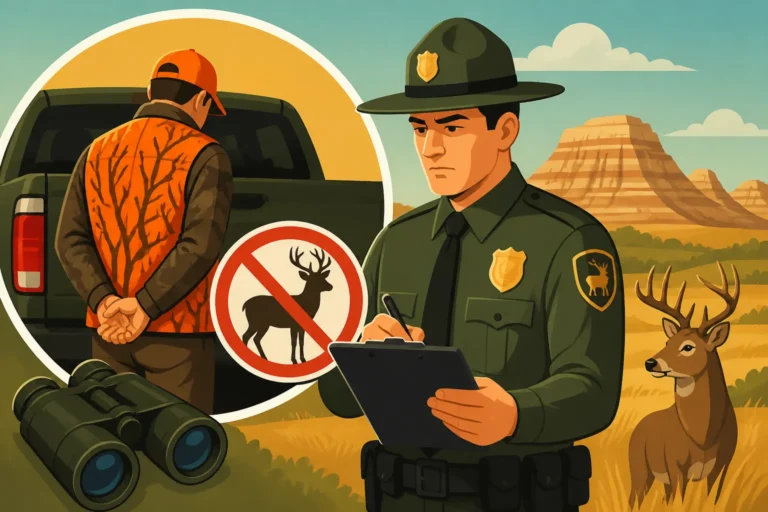
When you encounter what you suspect is poaching, your first instinct might be to intervene or confront the individuals. Resist this urge. Poachers are often armed and engaged in illegal activity, making them unpredictable and potentially dangerous. Your safety, and the safety of anyone with you, is paramount. The most effective and safest approach is to gather information and report it to the proper authorities.
Gathering Critical Information
The more details you can provide, the better equipped law enforcement will be to investigate and apprehend poachers. Think like a reporter: who, what, where, when, why, and how. Crucial information includes:
- Location: Be as specific as possible. Note the county, nearest town, road names or numbers, mile markers, GPS coordinates if you have them, or even identifiable landmarks like a distinctive barn, a specific shelterbelt, or a creek crossing. If you're on public land, mention if it's a South Dakota Walk-In Area, a South Dakota Game Production Area, or other public access.
- Time and Date: An accurate timestamp helps establish the timeline of the event.
- Suspect Description: If you can safely observe, note physical characteristics (height, build, hair color, clothing), but do not put yourself at risk.
- Vehicle Information: This is often one of the most vital pieces of evidence. Get the make, model, color, and especially the license plate number (including the state). Note any distinguishing features like bumper stickers, dents, or aftermarket equipment.
- Species and Number of Animals: What kind of animal was poached (deer, pheasant, antelope, etc.)? How many? Was it a buck, doe, rooster, hen?
- Method and Weapon: Was it a rifle, shotgun, bow? Was spotlighting involved? Were they using an illegal call?
- Specific Activity Observed: What exactly did you see? Shooting from a vehicle? Retrieving an animal from private land without permission? Carrying too many birds?
Remember, every detail helps paint a clearer picture for the investigating officers. It can be helpful to use a mapping app like GoHunt to quickly pinpoint your location and note nearby road names or property boundaries, which can be invaluable when relaying information to authorities.
Who to Contact and When
In South Dakota, the primary and most effective way to report poaching is through the Turn In Poachers (TIP) program. This program is specifically designed for wildlife violations and ensures confidentiality.
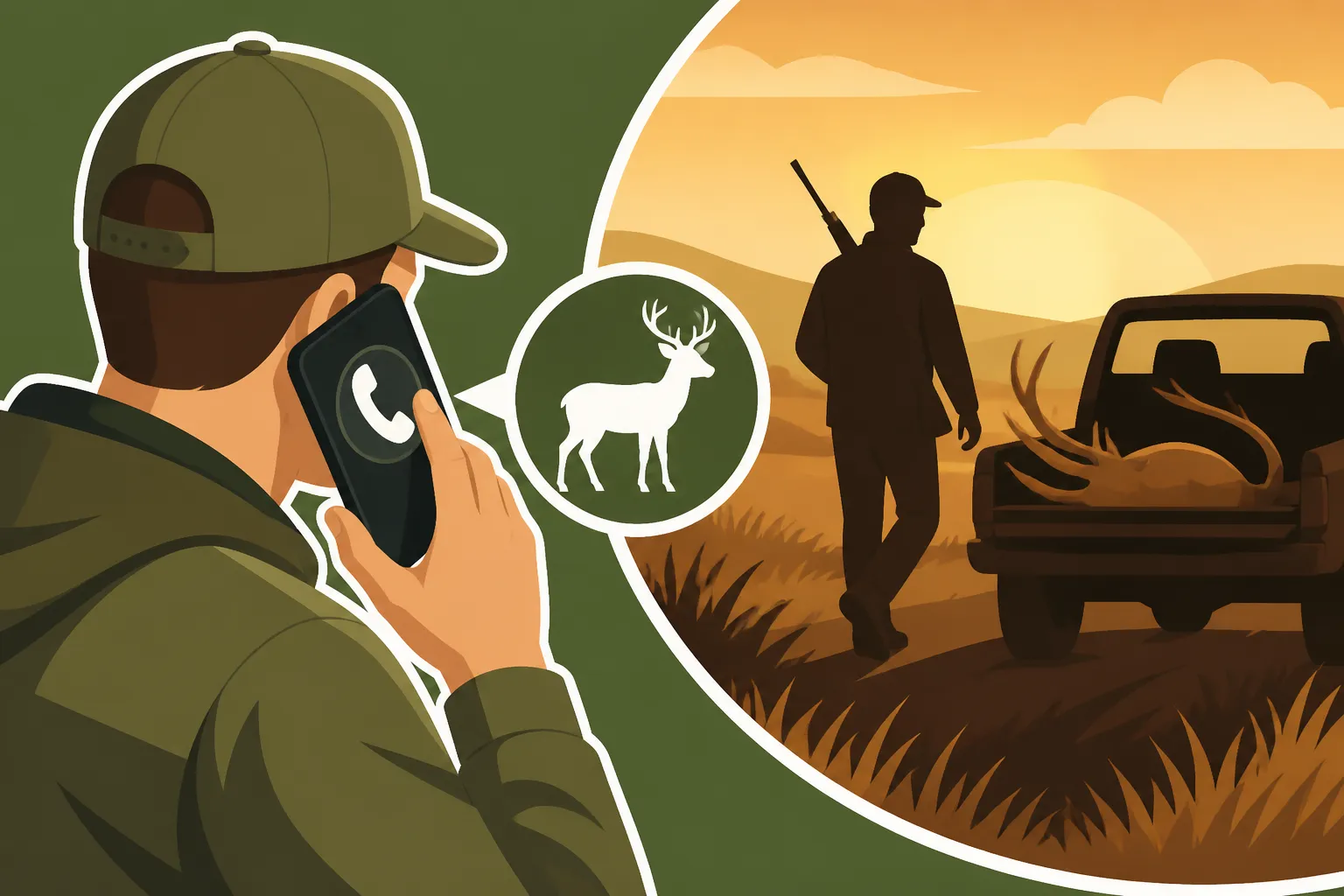
- For Urgent or In-Progress Violations: If you witness an active poaching event, or something that has just occurred and the suspects are still in the area, call the TIP hotline immediately: 1-888-OVERBAG (1-888-683-7224). This number is staffed 24/7. Speed is critical in these situations, as it increases the chances of a Conservation Officer intercepting the individuals.
- For Non-Urgent or Historical Violations: If the incident happened hours or days ago, or if it's a suspicious situation that isn't actively occurring (e.g., finding a carcass with signs of illegal take), you can still call the TIP hotline. Alternatively, you can fill out an online report form through the South Dakota Game, Fish and Parks (GFP) website. This method is good for providing detailed information and attaching photos if you have them, but it’s not for emergencies.
- Directly Contacting a Conservation Officer: If you know the direct contact information for a local GFP Conservation Officer, you can reach out to them. However, the TIP line is generally the most efficient first point of contact as it ensures the report goes to the appropriate officer in the field.
- Local Law Enforcement: In extremely rare cases where a GFP officer is unavailable and local law enforcement is the only immediate option (e.g., if there's an immediate threat to human life or property beyond just the wildlife violation), you could contact 911 or your local sheriff's department. However, for wildlife crimes, the GFP and TIP program are specifically equipped to handle these situations.
The South Dakota Turn In Poachers TIP Program
The South Dakota TIP program is the backbone of citizen involvement in wildlife enforcement. It’s a vital resource that empowers ordinary people to become eyes and ears for conservation. When you call 1-888-OVERBAG, your call is handled by trained personnel who will take down all the relevant details you've gathered. The beauty of the TIP program is its commitment to anonymity. You do not have to give your name, and your identity will be protected if you choose to remain anonymous. This crucial aspect removes a significant barrier for many people who might otherwise be hesitant to report due to fear of reprisal.
Beyond anonymity, the TIP program also offers rewards for information that leads to a conviction. These rewards can range from $50 to $500, depending on the severity of the violation, and in some cases, even higher amounts for major infractions like poaching big game animals. It’s a tangible way the state acknowledges the invaluable service citizens provide in protecting wildlife. The funds for these rewards come from fines paid by convicted poachers, so it's a self-sustaining program where lawbreakers inadvertently help fund the program that catches them. Whether you use the phone hotline or the online reporting system, the goal is the same: to provide GFP with actionable intelligence to investigate and stop wildlife crime. Many hunters also find value in using apps like GoHunt to stay current on regulations, which can help in identifying potential violations quickly.
What Happens After You Make a Report?
Once you’ve made a report, it's natural to wonder what happens next. The process isn't always immediate or visible, but rest assured, your information sets a series of events in motion aimed at protecting South Dakota's wildlife.
The Investigation Process
After a report is received by the TIP program or directly by GFP, it's immediately relayed to the appropriate Conservation Officer (CO) responsible for that area. These officers are highly trained professionals, essentially state police officers specializing in wildlife law enforcement. Their initial steps might involve:
- Assessment: The CO will assess the urgency and credibility of the report. In-progress violations get immediate priority.
- Surveillance: If possible, the CO might conduct surveillance in the reported area, looking for the described vehicle or individuals.
- Evidence Collection: For historical incidents, the officer might visit the scene to look for physical evidence such as shell casings, tire tracks, blood trails, or illegal carcasses.
- Interviews: If suspects are identified, the CO will attempt to locate and interview them, as well as any other potential witnesses.
- Legal Action: If sufficient evidence is collected, the officer will proceed with an arrest, citation, or a formal case filing with the state's attorney. This can lead to significant penalties, as outlined in South Dakota Wildlife Violation Penalties.
It's important to remember that investigations take time and often require detailed corroborating evidence. Not every report leads to an immediate arrest, but every piece of information contributes to the overall enforcement effort.
Confidentiality and Anonymity
One of the cornerstones of the South Dakota TIP program is its strict adherence to confidentiality and anonymity. When you report a violation, you have the option to remain completely anonymous. This means your name will never be released, even if the case goes to court. Your identity is protected, allowing you to provide information without fear of retribution from those you are reporting.
If you choose to provide your name, it will still be kept confidential to the fullest extent allowed by law. Officers may use your name to follow up for additional details if needed, but they are generally very careful about how and when they reveal sources. This commitment to protecting informants is what makes the TIP program so effective and trusted by the public. It ensures that critical information flows to those who can act on it, safeguarding both the wildlife and the concerned citizens who speak up.
The Impact of Your Report
Every report, big or small, makes a difference. Even if your tip doesn't immediately lead to an arrest, it can contribute to a larger investigation, help officers identify patterns, or provide crucial pieces of information that, when combined with other tips, lead to a successful prosecution down the line. A single report might be the missing puzzle piece an officer needs to close a long-running case.
Successfully prosecuting poachers sends a clear message that illegal activity will not be tolerated. It serves as a deterrent to others who might consider violating wildlife laws. More importantly, it directly protects the wildlife populations we all care about. By removing poachers from the equation, more game animals survive to reproduce, ensuring healthier populations for future generations of hunters and wildlife viewers. Your call or online report is a direct contribution to conservation, helping to preserve South Dakota's rich hunting heritage and natural beauty. It's truly a community effort, and every ethical hunter and outdoor enthusiast plays a part.
Supporting Ethical Hunting and Wildlife Conservation
Our role as hunters and outdoor enthusiasts goes beyond just following the rules; it extends to actively championing ethical practices and contributing to wildlife conservation in every way we can. Reporting poaching is a critical part of this larger responsibility.
Beyond Reporting: Being an Ethical Hunter
Being an ethical hunter in South Dakota means more than just having the right licenses, like the required South Dakota Nonresident Hunting Licence Cost for out-of-state hunters, or abiding by specific bag limits. It involves a deep respect for the animals we pursue, the land we hunt on, and the fellow hunters we share the field with. It means making quick, clean kills and diligently tracking any wounded animal, no matter how difficult the terrain, even if it means Following Up a Marginal Shot in Grass. It means understanding the role of hunting in wildlife management and appreciating that our harvests contribute to healthy ecosystems.
It also means respecting private property. Always secure permission before hunting on private land, even if you think it's unposted. This demonstrates courtesy and helps build positive relationships between landowners and hunters, which is vital for maintaining access. You can learn more about this in South Dakota Landowner Permission Basics. Ethical hunting is about upholding the highest standards of sportsmanship, knowing and understanding local regulations (including those specific to South Dakota Deer Licence Types by Region), and actively contributing to a positive public image of hunting. When we act ethically, we strengthen our community and ensure hunting's future.
Utilizing Resources for Responsible Hunting
Staying informed is one of the best ways to ensure you’re always hunting responsibly and ethically. The South Dakota Game, Fish and Parks (GFP) department provides a wealth of resources designed to help hunters understand regulations, identify legal hunting areas, and stay up-to-date on wildlife management efforts. The annual South Dakota Hunting Handbook Release is your go-to guide for all current rules, season dates, and licensing requirements. It's essential reading for every hunter, every year.
Beyond the handbook, the GFP website offers detailed maps, public hunting atlases (useful for navigating areas like the Buffalo Gap National Grassland Hunting or South Dakota Walk-In Areas Explained), and information on specific game species like White-Tailed Deer Across South Dakota or South Dakota Ring-Necked Pheasants. Educational programs, such as South Dakota Hunter Safety Requirements, are also crucial for new hunters and a great refresher for seasoned ones. There are numerous apps, like GoHunt, that provide layered mapping and regulatory summaries that can be incredibly helpful in the field, making it easier to identify legal boundaries and understand specific unit rules. By actively using these resources, we not only avoid accidental violations but also deepen our understanding and appreciation for South Dakota's wildlife and hunting heritage.
Disclaimer
The information provided in this article is for general guidance only and should not be considered legal advice. Hunting regulations, laws, and contact information can change. Always consult the most current South Dakota Game, Fish and Parks (GFP) hunting handbooks, official GFP websites, or directly contact the South Dakota GFP for the most accurate and up-to-date information before engaging in any hunting activity or making a report.