Buying East River Leftover Tags
There’s nothing quite like the excitement of drawing a coveted deer tag, but let's be honest, the South Dakota big game draw system can be a real heartbreaker for many, especially if you're chasing those prime antlered tags or are an out-of-state hunter. When your name doesn't come up, it can feel like your hunting season is over before it even begins. But don't throw in the towel just yet! For those looking for an opportunity to chase whitetails, specifically in the eastern part of the state, East River leftover deer tags offer a fantastic second chance to get out into the field. This guide will walk you through everything you need to know about these valuable tags, from understanding why they exist to strategically acquiring and utilizing them for a successful hunt.
Understanding East River Leftover Deer Tags
When we talk about "East River leftover deer tags" in South Dakota, we're referring to those deer hunting licenses that weren't claimed or allocated during the initial big game draw periods. Think of them as the unsung heroes of the hunting season, often overlooked but offering incredible opportunities for determined hunters. These tags become available to the general public on a first-come, first-served basis, providing a lifeline for anyone who missed application deadlines, struck out in the draw, or simply decided last-minute that they wanted to pursue deer.
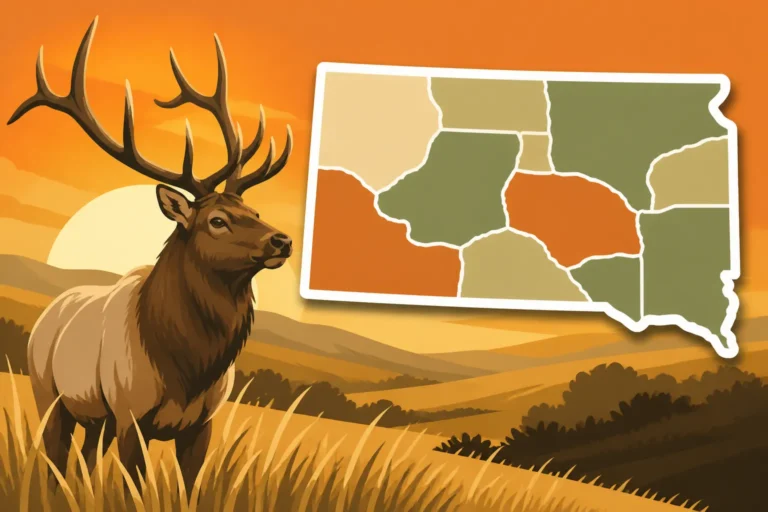
Typically, these leftover tags are for antlerless deer, meaning you'll be targeting does. While some hunters might prefer a buck tag, pursuing antlerless deer is not only an excellent way to fill your freezer with lean, organic protein, but it also plays a crucial role in sound herd management. Harvesting does helps to keep the deer population in balance with its habitat, ensuring healthier animals overall. East River, generally speaking, refers to the land east of the Missouri River, an area characterized by its rich agricultural lands, ample cover provided by shelterbelts, creek bottoms, and numerous sloughs, which all contribute to a robust South Dakota Whitetail Population. This makes it a prime area for deer, and consequently, where leftover tags are most commonly found. These tags often cover the general firearm seasons, but sometimes special archery or muzzleloader tags might also appear if they weren't fully subscribed during their respective draw periods.
The Dynamics Behind Leftover Tag Availability
So, why do these tags end up "left over" in the first place? It's not because there aren't any deer or because the hunting isn't good. Rather, it's a fascinating interplay of South Dakota's draw system mechanics, hunter preferences, and sometimes, environmental factors. The South Dakota Game, Fish and Parks (GFP) allocates a certain number of deer tags for each unit across the state, carefully balancing herd health with hunter opportunity. When you apply for a license during the main draw, you're competing with thousands of other hunters for those initial allocations. Despite the best efforts to match supply and demand, some tags simply don't get claimed.
One major reason is often hunter preference. Many hunters, particularly non-residents, naturally gravitate towards antlered deer tags. They dream of a wall-hanger, and while that's completely understandable, it means that the equally important antlerless tags often receive fewer applications. If a unit offers, say, 100 antlered tags and 200 antlerless tags, and only 150 people apply for the antlerless tags, you're left with 50 unclaimed licenses. It’s a simple numbers game. Furthermore, some East River units might be perceived as having less public hunting ground compared to, say, the sprawling national grasslands out West, leading to lower application rates even if the deer density is excellent. This doesn't mean there's no public land, of course – South Dakota has a fantastic South Dakota Public Hunting Atlas and programs like Walk-In Areas – but the perception can influence initial draw numbers.
Another factor can be unforeseen events. While tragic, severe winters or disease outbreaks like Epizootic Hemorrhagic Disease (EHD), which can unfortunately impact EHD and South Dakota Deer Die-Offs in certain areas, might lead to reduced hunter interest in a specific unit the following year. Even if the GFP adjusts quotas, the initial dip in applications can result in a higher number of leftover tags. It’s always a good idea to keep an eye on wildlife disease reports and population trends. Checking updates on South Dakota Wildlife Disease Monitoring can sometimes provide insights into areas that might have more tags available due to these factors.
The "when" of these leftovers is crucial. After the main South Dakota Deer Application Deadline passes, and the South Dakota Draw Results Dates are announced, successful applicants have a period to claim and purchase their tags. Once that period closes, typically in late summer or early fall, the GFP compiles all the unclaimed tags and makes them available for purchase. This is your window of opportunity, and it's often fleeting.
Your Playbook for Snagging an East River Leftover Tag
Acquiring an East River leftover tag isn't about luck; it's about preparation, vigilance, and speed. These tags often disappear within minutes, sometimes even seconds, of being released. Think of it less like a leisurely shopping trip and more like a high-stakes online auction.
Stay Vigilant: The Timing is Everything
The most critical aspect is knowing when these tags will become available. South Dakota GFP will typically announce the date and time for leftover tag sales on their website. This isn't a suggestion; it's a hard deadline you need to mark on your calendar, set alarms for, and be prepared for. These releases usually happen a few weeks or months after the main draw results are posted, often in late July or early August for many deer seasons. Keep a close watch on the official GFP website news releases and social media channels. Don't rely on word of mouth; go straight to the source.
Pre-Purchase Preparations
Before the drop date, you need to have all your ducks in a row. Seriously, any delay can cost you a tag.
- Licensing Requirements: Make sure you have your basic hunting licenses in order. This includes your annual South Dakota Nonresident Hunting Licence Cost or South Dakota Resident Hunting Licence Cost, and the mandatory South Dakota Habitat Stamp Price. These need to be purchased before you can buy any big game tag. The GFP website offers a streamlined process for Buying a South Dakota Licence Online, and it's highly recommended to do this well in advance. Don't wait until the day the tags drop to realize you need to buy these first! Also, if you haven't taken a hunter safety course and are required to do so based on your age, make sure that's completed.
- GFP Account Setup: If you don't already have one, create an account on the South Dakota GFP licensing portal. Log in a few days before the sale to ensure your username and password work. Update all your personal information and contact details.
- Payment Method Ready: Have your credit card information saved or readily accessible. The less time you spend typing, the better. Consider using a card that won't trigger any fraud alerts due to a quick, unexpected purchase.
- Internet Connection: Use a fast, reliable internet connection. If possible, opt for a desktop computer over a mobile device, as the larger screen and more stable connection can give you a slight edge. Ensure your browser is updated.
Researching Units: Act Before the Tags Drop
This is where strategy truly comes into play. You can't afford to waste precious seconds deciding which unit to try for once the tags go live. You need a target list before that happens.
- Utilize Mapping Tools: Dive deep into resources like the South Dakota Public Hunting Atlas. This interactive map will show you all publicly accessible lands, including Game Production Areas (GPAs) and South Dakota Walk-In Areas Explained. Identify units that have a good percentage of public ground or where you might have existing private land access. Tools like onX Layers for South Dakota Land Status can be incredibly helpful for visualizing property boundaries and identifying potential pinch points or travel corridors.
- Historical Data: While past performance is no guarantee, look at historical draw odds and leftover tag availability. Some units consistently have more antlerless tags leftover than others. You might not find this exact data for leftovers directly on GFP, but general draw information can hint at less popular units.
- GoHunt's Role: While GoHunt is renowned for its draw odds and strategy tools for Western states, its mapping capabilities and unit research features can still be invaluable for South Dakota. You can use their mapping platform to scout potential East River units, analyze terrain, identify key habitat features like shelterbelts, water sources, and pinch points. Even if GoHunt doesn't provide real-time South Dakota leftover tag alerts, it’s an indispensable resource for understanding the ground you're hoping to hunt. Pre-scouting with GoHunt allows you to prioritize units so when tags drop, you know exactly which ones to click on first.
- Understand Unit Boundaries: Seriously, double-check! Knowing Reading a South Dakota Unit Boundary is paramount. The last thing you want is to secure a tag for a unit only to find out it doesn't align with your hunting plans or access points.
The Purchase Moment: Speed and Precision
When the clock strikes the announced time, be logged in and ready. Navigate directly to the licensing page.
- Go Directly to Deer Licenses: Don't browse. Go straight to the "Deer Licenses" section or whatever specific link GFP provides for leftover tags.
- Filter Quickly: If there are filters for "East River" or "Antlerless," apply them immediately.
- Select Your Pre-Determined Unit: Click on your top-priority unit. If it's gone, immediately move to your second, then third. This is where your pre-planning pays off.
- Rapid Checkout: Add the tag to your cart and proceed to checkout as fast as humanly possible. Having your payment details already stored or memorized will shave off critical seconds.
It can be a nerve-wracking experience, but successfully navigating this rapid-fire process will secure your tag.
What to Expect After Purchase
Once you've successfully purchased a tag, congratulations! You'll typically receive an email confirmation. Your tag itself might be mailed to you or available for print at home, depending on GFP's current system. Make sure you understand all the South Dakota Deer Tagging Requirements and know how to properly tag your deer should you be successful. Additionally, all harvested deer must be reported to the GFP, so be aware of the Reporting a South Dakota Harvest process.
Strategic Considerations for East River Leftover Hunts
Now that you've got your tag, the real planning begins. Hunting East River with a leftover tag often means focusing on specific strategies.
Embrace Antlerless Opportunities
These hunts are primarily about filling the freezer. Antlerless deer tags are a fantastic way to enjoy a quality hunt without the pressure of finding a trophy buck. East River whitetails thrive on agricultural crops and dense cover, making them excellent table fare. Focus on identifying areas with good food sources adjacent to thick cover, such as cattail sloughs, shelterbelts, and woody draws.
Maximize Public Land Access
Many units with leftover tags might have a higher proportion of public land or Walk-In Areas that receive more pressure during the prime seasons. However, don't let that deter you. Public lands can offer incredible hunting if you're willing to walk a bit further, hunt during off-peak hours (mid-day, weekdays), or scout out overlooked pockets. Use your mapping tools extensively to find secluded corners, bottlenecks, or areas that are harder to access. Hunting Pressure Patterns on Walk-In Areas suggests that walking a little further from parking areas can significantly improve your chances.
The Value of Pre-Season Scouting (Even if It's Last Minute)
Even with a quickly acquired tag, any scouting you can do will boost your success. Take a day trip, if possible, to drive around your unit. Look for obvious food sources, water, and bedding areas. Note areas of heavy traffic, fresh tracks, and rub lines. If you're utilizing public lands or walk-in areas, pay attention to entry points and how other hunters might be accessing the area. GoHunt and other mapping apps can also help you virtually scout for these features, identifying potential bedding areas in thickets, travel corridors along waterways, or feeding areas in crop fields.
Leverage Late-Season Advantages
Many leftover tags are valid through the late deer season in South Dakota, often extending into December. This can be a huge advantage. As temperatures drop and snow covers the ground, deer behavior changes. They often congregate in larger groups, especially around reliable food sources and thermal cover. Snow also makes tracking much easier and can highlight game trails that are otherwise invisible. This can be a tough hunt, requiring warm gear and patience, but the rewards can be substantial. Remember to prepare for Late-Season Hunting in South Dakota Snow.
Here’s a quick comparison of the main draw versus the often-opportunistic leftover tag process:
| Feature | Main Deer Draw (Initial Application) | Leftover East River Deer Tags (Purchase) |
|---|---|---|
| Application Period | Fixed deadlines, usually early summer (e.g., June for deer) | After draw results, typically late summer/early fall |
| Availability | All allocated tags (antlered, antlerless, any deer) | Unclaimed tags, overwhelmingly antlerless, sometimes "any deer" |
| Competition | High for popular antlered units, especially nonresident | High for any tag once available, due to limited quantity |
| Success Rate | Varies greatly by unit and points, lottery system | First-come, first-served; depends on speed and luck |
| Tag Types | Often includes antlered, sometimes specific weapon types | Mostly antlerless, primarily rifle, potentially some archery |
| Scouting Importance | Crucial for pre-draw unit selection | Critical for rapid decision-making and post-purchase planning |
| Flexibility | Apply for specific unit/tag, wait for results | Opportunistic, grab what's available quickly |
Don't let the initial draw disappointment define your hunting season. East River leftover deer tags in South Dakota are a fantastic opportunity to experience a rewarding hunt, fill your freezer, and contribute to wildlife management. With careful preparation, quick action, and smart scouting, you can turn a missed draw into a successful and memorable deer season.
Disclaimer
The information provided in this guide is for general informational purposes only and does not constitute legal advice. Hunting regulations, seasons, and licensing requirements in South Dakota are subject to change. Always consult the official South Dakota Game, Fish and Parks (GFP) website and current hunting handbooks for the most accurate and up-to-date information before planning any hunt. It is the hunter's responsibility to know and follow all applicable laws and regulations.