Finding a Processor During Pheasant Season
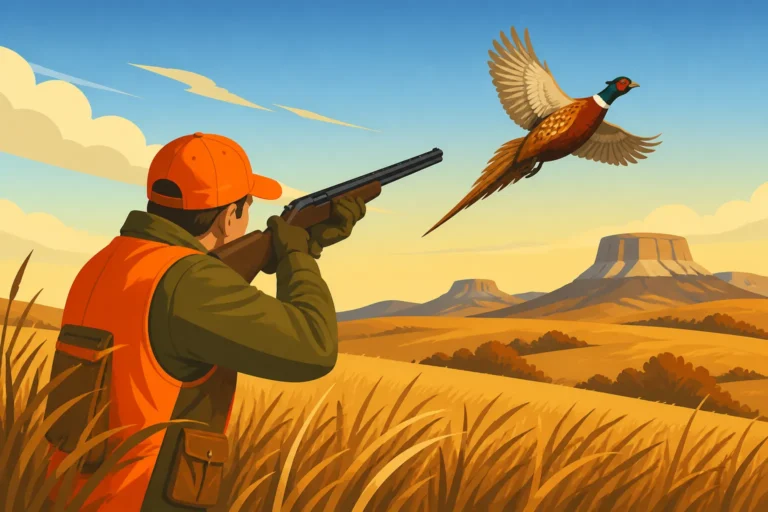
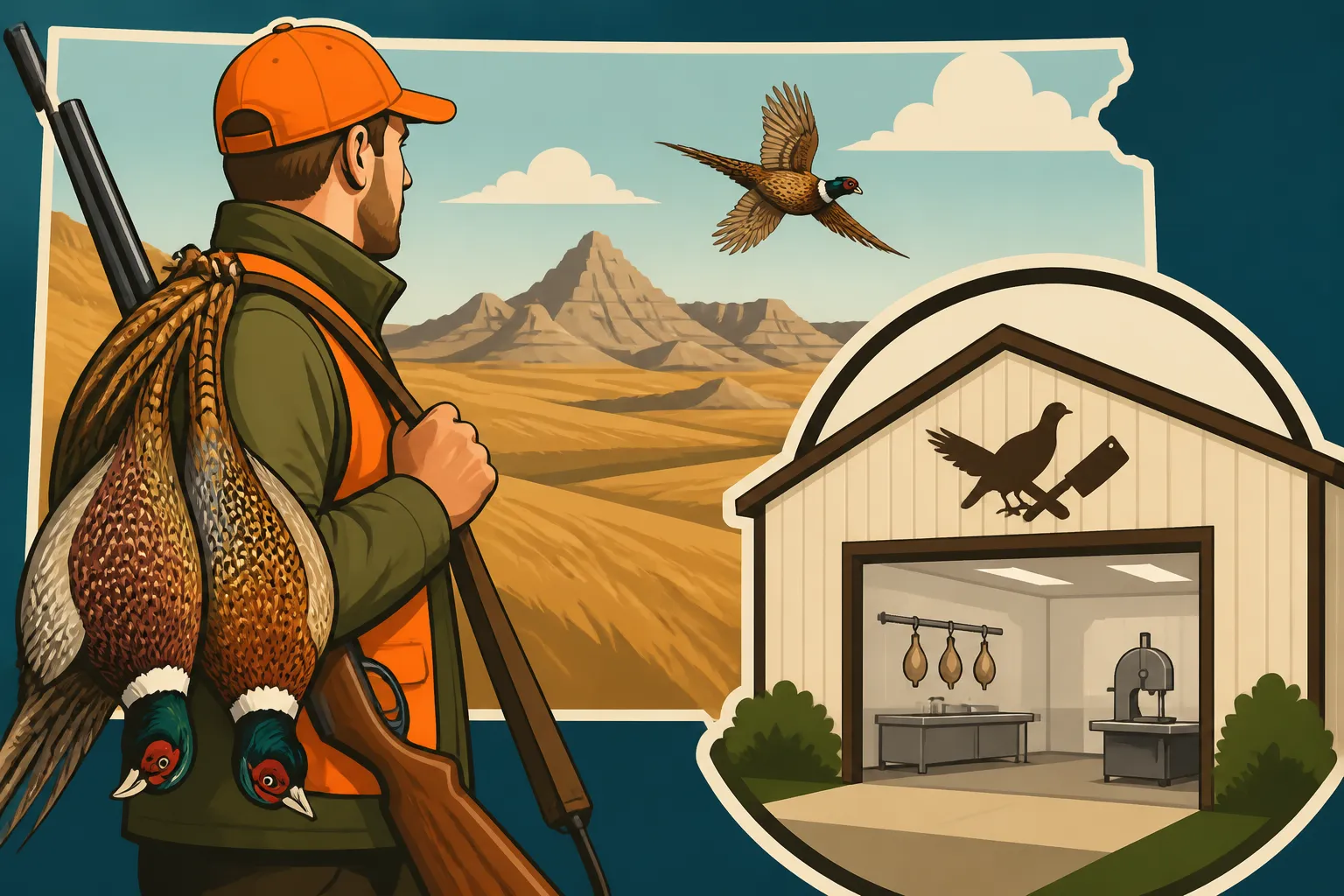
That triumphant moment when a gorgeous South Dakota rooster folds mid-air, a perfect shot, and your dog retrieves it with pride – it’s a feeling unlike any other. But then, as the day winds down and you’re back at the lodge or campsite with a cooler full of birds, a familiar question starts to gnaw at you: "Where am I going to get these pheasants processed?" This guide is here to walk you through the often-stressful process of finding a reliable game processor during the bustling South Dakota pheasant season, helping you preserve that hard-earned harvest properly.
The Pheasant Season Rush: Why Finding a Processor is a Challenge
Anyone who's hunted pheasants in South Dakota knows it's a special experience, but it also means you're often one of thousands of hunters descending upon the state. This incredible popularity, while fantastic for local economies and the spirit of the hunt, creates some very real logistical headaches, especially when it comes to getting your birds professionally processed. It's not just a matter of dropping them off; it's a full-on seasonal bottleneck.
The Sheer Volume of Birds and Hunters
Imagine every hunter bringing in their daily limit, often multiple limits accumulated over a few days of hunting. Now multiply that by tens of thousands of hunters across the state during the busiest weeks of the season, particularly the opener. This isn't just a few deer hanging in a cooler; we're talking about an avalanche of pheasants. Local game processors, many of whom are small, family-run businesses, simply do not have unlimited capacity. They might have a handful of employees, a certain number of plucking machines, and limited cooler space. This means long wait times, limited intake slots, and sometimes, outright rejection if they're completely swamped. It’s not uncommon to call a processor only to be told they’re booked solid for days or even weeks in advance, especially around peak times like the first few weekends of the season or during extended trips.
Geographic Distribution of Processors
South Dakota is a big state, and prime pheasant country often means wide-open spaces and smaller towns. You might be hunting fantastic Walk-In Areas for pheasants miles from the nearest town. While many small towns do have a local locker or butcher, they might not be equipped to handle the specialized volume of game birds. Dedicated game processors tend to be concentrated in areas known for heavy hunting traffic, but even then, they're not on every corner. Finding one that's conveniently located to your hunting grounds can be a puzzle. Plus, these facilities often have specific operating hours, which can be challenging to meet if you're hunting from dawn until dusk and then have a drive back. It's not like a 24-hour convenience store for your birds.
Varying Services and Turnaround Times
Just like any service, not all game processors are created equal, and what they offer can vary wildly. Some might offer full plucking and packaging, turning your birds into beautiful, oven-ready roasters. Others might only breast them out, providing boneless meat ready for your freezer. There are also options for sausage or other specialty products, which naturally take even longer. The cost will also reflect the level of service. Beyond the services themselves, the turnaround time is a huge factor. During the height of pheasant season, you might drop off birds only to be told they won’t be ready for several days, or even a week or more. This is perfectly understandable given the volume, but it requires careful planning, especially if you're a nonresident hunter trying to get your bounty home before your flight or long drive. Understanding these nuances before you commit is crucial, as is making sure you're adhering to all legal requirements for Tagging and Transporting Birds Legally.
Proactive Strategies for Securing Your Processing Spot
Given the challenges, a reactive approach to finding a processor – simply showing up with a cooler full of birds and hoping for the best – is almost guaranteed to lead to frustration. The key to success here, as with many aspects of a successful hunt, is being proactive and doing your homework long before your boots hit the prairie.
Researching and Booking Ahead of Time
This is arguably the most critical step. As soon as you've decided on your hunting dates and location in South Dakota, start your processor research. Think of it like booking a popular restaurant during peak tourist season – you wouldn't just show up without a reservation. Many reputable game processors in prime pheasant areas, especially those near towns known for their South Dakota Pheasant Hunting Tactics for the Opener, will take reservations or at least have a clear intake schedule. Call them weeks, or even months, in advance. Ask about their capacity for the specific dates you'll be hunting. Inquire if they require pre-payment or a deposit to hold your slot.
When you call, be clear about how many birds you anticipate bringing in and over what timeframe. A good processor will appreciate your foresight. Websites like GoHunt or state GFP resources can sometimes offer lists of licensed processors, but don't stop there. Call the specific locations you're considering. It's also wise to have a couple of backup options in mind, just in case your primary choice gets unexpectedly overwhelmed or has an equipment breakdown.
Utilizing Online Resources and Local Networks
Beyond direct calls, the internet is your friend. A quick Google search for "South Dakota pheasant processing" or "game processor [town name]" can yield results. Check their websites for hours, services, and any pre-booking information. Look for online reviews, but take them with a grain of salt – a single bad review during a chaotic season doesn't always tell the whole story.
However, some of the best information comes from local networks. If you know anyone who hunts in South Dakota regularly, ask them for recommendations. Lodge owners, local bait shops, or even fellow hunters you meet in the field are invaluable resources. They often know who's reliable, who's fast, and who might be able to squeeze in a few extra birds when others are full. Forums dedicated to South Dakota Hunting Walk-In Areas or general South Dakota hunting often have threads where hunters share their experiences with local processors. Using platforms like GoHunt to scout hunting locations might also lead you to discover towns with processing services nearby, making your planning more efficient.
Understanding Different Processor Types
Not every facility advertising "meat processing" is set up for game birds, let alone the volume of pheasants during the season. It's helpful to understand the distinctions:
- Dedicated Game Processors: These are businesses specifically geared towards wild game. They often have specialized equipment for plucking, skinning, and packaging various species. They understand game meat handling and usually offer a wider range of services, but they are also the most likely to be booked solid during peak season.
- Local Butcher Shops/Locker Plants: Many small-town butcher shops, or "locker plants," handle domestic livestock but might also take on wild game seasonally. Their expertise can vary. Some are excellent and have adapted to game birds, while others might be more accustomed to deer and will only breast out pheasants. Always call ahead to confirm they process pheasants and what services they offer.
- Meat Markets with Seasonal Game Services: A few grocery store meat departments or specialized markets might offer limited game processing, especially for small game. These are less common for pheasants but worth asking about if you're in a pinch.
Here's a quick comparison of what to look for:
| Processor Type | Primary Focus | Pheasant Services Likely | Capacity During Season | Price Range | Key Advantage |
|---|---|---|---|---|---|
| Dedicated Game Processor | Wild Game | Pluck, Breast, Package | High (but books fast) | Mid-High | Specialized equipment, knowledgeable staff |
| Local Butcher/Locker Plant | Domestic Livestock, Game | Breast, sometimes Pluck | Moderate | Mid | Often reliable, good for basic cuts |
| Seasonal Meat Market | Retail Meats, limited Game | Breast Only | Low | Varies, often basic | Convenience in larger towns (less common) |
Remember, always confirm the specific services they offer for pheasants, including whether they pluck the bird whole or only breast them out, if you have a preference for Breasting Versus Plucking Birds.
What to Expect When Dropping Off Your Birds
So, you've done your homework, booked a slot, or at least found a place that can take your birds. Now comes the moment of truth. How you prepare your pheasants and what questions you ask at drop-off can significantly impact the quality of the final product and your overall experience.
Proper Field Care Before Drop-Off
This cannot be stressed enough: the quality of your processed meat begins the moment the bird hits the ground. Improper field care is the number one reason game meat gets a "gamey" flavor. Pheasants, especially, benefit from rapid cooling. If you're hunting in warm October weather on the South Dakota Pheasant Season and Licences opener, getting those birds cooled down fast is paramount.
- Cool Immediately: As soon as possible after the kill, gut the bird. This removes the entrails which carry bacteria and heat. While some processors will do this, it's best practice for quality.
- Keep Them Dry and Cool: Don't just toss birds into a pile in the truck bed. Place them in a cooler with ice, but ideally in game bags or Ziploc bags so they don't sit directly in melted ice water. This prevents "waterlogging" and bacterial growth. For more tips on this, check out Keeping Birds Cool in a Warm Truck or Getting Meat Cooled in Warm Weather.
- Cleanliness: Try to keep the birds as clean as possible. Remove excess mud, burrs, and feathers before bagging.
Arriving at the processor with warm, uncleaned birds is not only unprofessional but also puts your meat at risk and reflects poorly on you as a hunter. They are handling food, after all!
Key Questions to Ask at the Processor
Even if you've done your research, always confirm the details at drop-off. A quick conversation can prevent misunderstandings.
- Price and Payment: Confirm the per-bird price, and if there are any additional charges for specific services (e.g., vacuum sealing, specialty cuts like legs/thighs, sausage making). Clarify payment methods and when payment is due.
- Services: Reconfirm if they pluck whole birds, breast them out, or offer other options. Ask about packaging – do they vacuum seal, or is it freezer paper?
- Turnaround Time: Get a realistic estimate of when your birds will be ready. If you're leaving the state, this is critical.
- Pickup Procedures: What are their pickup hours? Do they call you? What if you can't pick them up on time? Some might have storage fees if left too long.
- Minimums/Maximums: Do they have a minimum number of birds required for processing? Is there a maximum they can take?
- Tagging: Confirm their tagging procedures. Most require specific tags or identifying information to match your birds to you. This is also important for legal transport, so double-check current Tagging and Transporting Birds Legally regulations.
Legalities of Transport and Tagging
It's not just about getting your birds processed; it's also about staying legal. South Dakota has specific rules for tagging and transporting game, especially for nonresidents. Each bird must typically have proof of license and harvest information attached until it reaches your home or a processor. When picking up processed birds, ensure the packaging has the necessary information for transport back to your home state, if applicable. This often includes your name, address, license number, species, date of harvest, and unit where harvested. Always carry your hunting license and any relevant permits. The folks at your processor should be familiar with these requirements, but ultimately, it's your responsibility as the hunter to ensure you're compliant.
Alternatives to Commercial Processing
Sometimes, despite all your best efforts, you might find yourself in a situation where a commercial processor simply isn't an option. Maybe they're completely full, or their turnaround time doesn't align with your travel plans. Don't despair! You have other options, including doing it yourself or making special arrangements for transport.
DIY Processing: Cleaning Your Own Birds
This is often the most practical and satisfying alternative. While it might sound daunting, cleaning pheasants isn't overly complicated, especially if you're willing to just breast them out. It saves money, ensures immediate care of your meat, and gives you a greater connection to your harvest.
- Breasting Out: This is the fastest method. A sharp knife, a flat surface, and a little practice are all you need. You'll typically get two boneless breast halves from each bird. It's quick, clean, and minimizes waste if you're not planning to use the legs and thighs. For a step-by-step, look up Cleaning Pheasants in the Field.
- Plucking: If you want whole birds for roasting, plucking is the way to go, but it's much more labor-intensive. It can be done by hand, or with a drill-powered plucker if you're really committed. This method is messier and takes significantly more time, but it yields all the delicious dark meat. We've got more details on the pros and cons in Breasting Versus Plucking Birds.
- Equipment: For DIY, you'll need a good sharp knife, cutting boards, freezer bags, and plenty of paper towels. A cooler with ice is essential to keep cleaned meat cold.
Many hunters prefer to breast out birds themselves in the field or at their lodge, pack them in Ziploc bags, and then freeze them for the journey home. This eliminates the processor headache entirely.
Cooler Storage and Transporting Birds Home
If you're processing birds yourself or picking them up from a processor, the next challenge is getting them safely home, especially if you have a long drive or are flying.
- Cooler and Ice/Dry Ice: For driving, a high-quality cooler filled with ice or dry ice is crucial. Dry ice is excellent for keeping things frozen solid for extended periods, but follow safety precautions (don't seal it in an airtight container, handle with gloves). For shorter drives, regular ice will suffice, but make sure the meat isn't sitting in melted water.
- Frozen Solid: Ideally, your meat should be frozen solid before transport. This extends its safe travel time significantly. If you're staying in a lodge or hotel, inquire about freezer space.
- Airline Regulations: If flying, check TSA and airline regulations carefully. Most airlines allow frozen meat as checked baggage, provided it's properly packaged and frozen. It's often best to put frozen meat in a sturdy cooler that can withstand handling, and mark it clearly. Dry ice limits apply, and fresh ice is not usually allowed in checked bags.
- Possession Limits: Always be mindful of South Dakota's possession limits for pheasants, which are typically higher than the daily bag limit but still have a cap (e.g., 15 birds, representing five daily limits of 3 birds each). Ensure you're not exceeding these limits when transporting your birds, particularly if you're part of a larger group that has combined its harvest. Once you get them home, you can refer to Pheasant Meat Handling and Cooking for inspiration!
Finding a game processor during South Dakota's bustling pheasant season requires forethought and planning, but with these strategies, you can ensure your hard-earned birds are properly cared for, preserving the memories and the delicious meat for months to come.
Disclaimer
Please remember that hunting regulations, including those related to processing and transport, can change. Always consult the most current South Dakota Game, Fish and Parks regulations and federal guidelines (for migratory birds or interstate transport) before your hunt. This guide is for informational purposes only and should not be considered legal advice.