Dog Water and Burrs on the Prairie
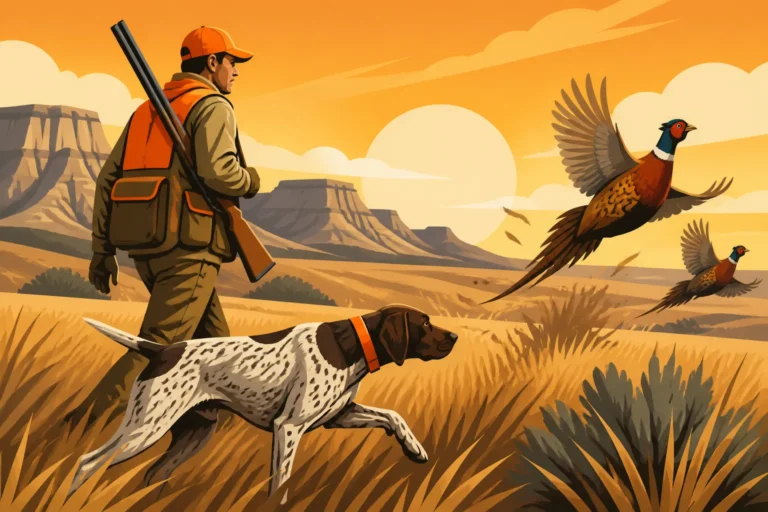
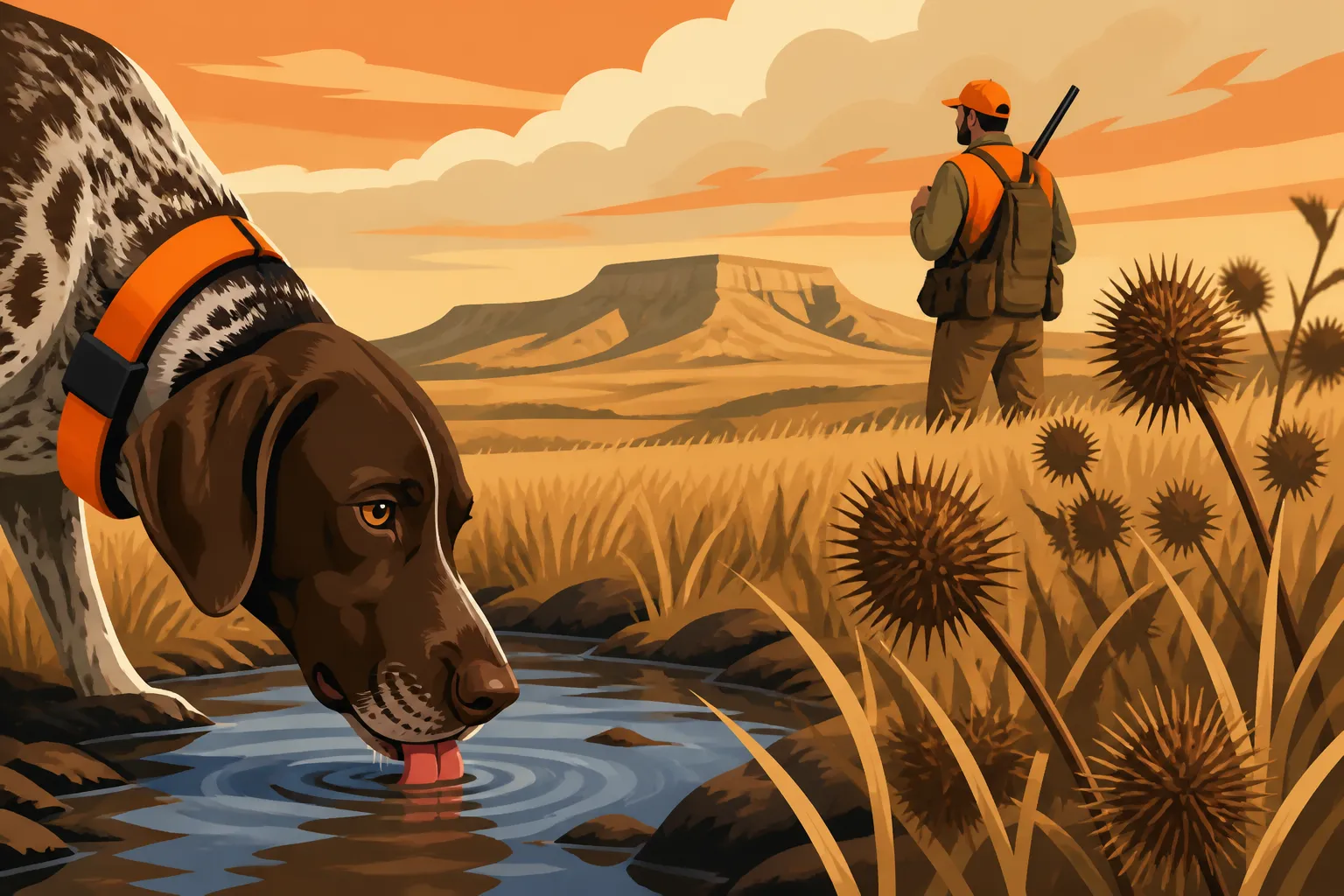
Oh, the South Dakota prairie in hunting season. It’s a beautiful, wild, and incredibly challenging place, especially for our four-legged hunting partners. There’s nothing quite like the heartbreak of watching your dedicated bird dog panting heavily, tongue lolling, desperate for a drink, or worse, seeing their beautiful coat absolutely plastered with burrs that seem to defy all attempts at removal. These aren't just minor inconveniences; they're serious issues that can ruin a hunt, injure your dog, or even put their life at risk. This guide is all about equipping you with the knowledge and practical strategies to keep your best hunting buddy hydrated, burr-free, and ready for action in the demanding South Dakota landscape.
The Unseen Threat: Dehydration on the Prairie
South Dakota's hunting seasons, particularly the pheasant opener in October, can often greet us with surprisingly warm and dry conditions. The expansive grasslands and fields, while holding plenty of birds, offer little natural shade or accessible water. This combination creates a significant risk of dehydration for our hard-working dogs. A dog running hard, quartering through tall grass, and constantly sniffing for scent is expending an incredible amount of energy, and with that comes a rapid loss of fluids.
Understanding Your Dog's Thirst Signals
It's easy to overlook how quickly a dog can become dehydrated when they're in full hunting mode, driven by instinct and excitement. Early signs might be subtle. You might notice your dog's tail flagging a little less enthusiastically, or they might lag slightly behind the pack. Their gums might appear tacky or dry, rather than moist and pink. As dehydration progresses, their eyes might look sunken, and their skin elasticity will decrease – if you gently pinch the skin on their neck or back, it will be slow to return to its normal position. Excessive panting, a clear sign they’re trying to cool down, also contributes to fluid loss. In severe cases, they can even vomit or collapse. Recognizing these signals early is paramount to preventing a full-blown emergency. It's not just about offering water; it's about making sure they actually drink enough.
Planning for Water Accessibility on the Go
Reliance on natural water sources in South Dakota is a risky game. Many stock dams are either dry, stagnant, or on private land without permission. Potholes might be present in East River country, but they can be few and far between, and often require a significant detour. This means you are responsible for bringing enough water for your dog. For a full day of hunting, a single small bottle isn't going to cut it, especially for larger breeds or multiple dogs. I've found that carrying a dedicated dog hydration pack or multiple large insulated bottles like a Yeti or Hydro Flask is essential. Collapsible fabric bowls are lightweight and packable, making it easy to offer water frequently during short breaks. Make it a routine: every time you stop to discuss the next field, offer your dog water. Don't wait until they're visibly thirsty; proactive hydration is key. Remember, while you might be looking for ideal routes for Walking and Blocking South Dakota Cattail Sloughs, don't forget to scout for water points too.
If you're using a planning app like GoHunt, use its mapping features to identify potential stock tanks or creeks marked on public lands before you even step foot in the field. This way, you have a backup plan or at least an awareness of where not to expect water. Carrying oral electrolyte solutions specifically formulated for dogs can also be a lifesaver. These can help replenish not just water, but also crucial minerals lost through sweat and heavy exertion, especially if you're dealing with higher temperatures, which can be common even into the early fall pheasant season. Read more about specific dog care for hot days in our guide on Keeping a Dog Cool on an Early Opener.
The Battle Against Burrs: A Hunter's Constant Foe
Ah, burrs. They're the bane of every upland hunter's existence, clinging with tenacious resolve to dog fur, clothing, and even shotgun barrels. South Dakota's diverse prairie habitats are prime real estate for various types of burr-producing plants, each with its own unique brand of misery.
Identifying Common Prairie Burrs
You'll encounter a few main culprits in South Dakota's fields and sloughs. Cockleburs are typically the largest, often found in disturbed soil, around field edges, and along fence lines. Their hooks are stout and incredibly sticky, and they tend to embed deeply, especially in longer, softer fur. Sandburs, on the other hand, are smaller, spikier, and have a nasty habit of working their way deep into paw pads, causing lameness. They thrive in sandy soils, which are common in many West River areas and even some East River spots. Then there are the various sticktights or beggar-ticks, often smaller, flat, and barbed, which seem to magically appear in dense clusters across a dog's chest and belly after a run through thick cover. Each type presents a different challenge, and understanding where they grow can help you anticipate and potentially avoid them.
Preventing Burr Infestations
Prevention is truly the best medicine when it comes to burrs. Once they're matted deep in a dog's coat, removal can be a long, painful process for both of you.
One of the most effective strategies is to invest in a quality dog vest. These can protect the chest and belly, areas most prone to collecting burrs. Look for vests made of smooth, snag-resistant materials like Cordura or a similar durable synthetic fabric. Ensure it fits snugly but doesn't restrict movement. Some vests even come with an integrated neck gaiter for added protection. While a vest won't cover every inch of fur, it significantly reduces the surface area for burrs to latch onto.
Regular grooming is another critical step. For breeds with longer or finer hair, especially around the legs, ears, and tail, consider a pre-season trim. Shortening the hair in these high-contact areas makes it much harder for burrs to gain purchase and easier to remove any that do. Pay particular attention to the 'armpits,' groin, and feathering on the legs. For those thinking about Pointing Dogs Versus Flushers on Wild Birds, remember that a Springer Spaniel's long ear and leg feathering will be a burr magnet compared to a shorter-haired German Shorthaired Pointer.
Before stepping into a known burr hotspot, a quick application of a dog-safe conditioner or anti-static spray can make a huge difference. These products often create a slicker surface on the fur, allowing many burrs to slide off or at least making them easier to brush out. It's a small step that can save you hours of frustration later. When you're scouting South Dakota Walk-In Areas or similar public hunting lands, remember to observe the dominant plant life. If you see vast stands of plants known for burrs, you might adjust your strategy or prepare your dog accordingly.
Field-Side First Aid and Removal Techniques
Despite your best preventative efforts, burrs are an almost inevitable part of hunting the South Dakota prairie. Knowing how to efficiently and safely remove them is a skill every bird hunter needs.
Tools of the Trade for Burr Removal
Having the right tools on hand can turn a painful ordeal into a manageable task. Your hunting vest or pack should always contain:
- A strong, wide-toothed comb: A metal greyhound comb or a dedicated burr comb is indispensable. The wide teeth are less likely to pull hair and can work through larger clumps.
- Small, sharp scissors: For stubborn mats or burrs deeply embedded close to the skin, sometimes cutting them out is the kindest option. Just be incredibly careful not to nick the skin. A Leatherman multi-tool often has a small, sharp blade that can work in a pinch.
- A spray bottle with water or a detangling solution: A little moisture can help loosen the burrs and make the fur more pliable, reducing static and breakage.
- Latex or nitrile gloves: Protect your own hands from the burrs!
- A small towel: For wiping off muddy paws or general cleanup.
When you're out hunting, especially if you're working thick cover like the kind found when Hunting Food Plots and Corn Edges, take regular five-minute breaks. During these breaks, quickly run your hands over your dog's legs, belly, chest, and ears. Catching burrs when they're still sparse and on the surface is infinitely easier than dealing with a matted, tangled mess after a long drive.
Step-by-Step Burr Extraction
- Locate and Isolate: Find the burr or cluster. Gently separate the surrounding fur with your fingers to expose the burr and the hair it's attached to.
- Apply Solution (Optional): If using, lightly spray the area with water or detangling solution. This can lubricate the fur and reduce friction.
- Break Up Large Clusters: If there's a big clump, try to gently break it into smaller, more manageable sections with your fingers before using a comb.
- Comb Carefully: Starting at the outer edge of the burr and working your way inward, use your wide-toothed comb. Use short, firm strokes, always combing away from the skin. Hold the fur closest to the skin to minimize pulling.
- Stubborn Burrs: For burrs that are really dug in, you might need to try to crush them with pliers (from your multi-tool) to break their hold, then comb.
- Cutting as a Last Resort: If a burr is completely matted and fused into a knot of hair, and combing is causing too much pain, it's kinder to carefully cut the affected hair. Always use blunt-nosed scissors, and place your fingers between the scissors and the dog's skin to act as a barrier. Cut small sections at a time.
- Paw Pads: Sandburs are notorious for paw pads. Gently separate the toes and check between the pads. Small tweezers can sometimes help with these tiny, sharp burrs. If a burr is embedded and causing lameness, you might need to consult a vet.
- Post-Hunt Check: Even after a thorough field-side cleaning, perform a full body check back at camp or home. A fine-toothed flea comb can catch any small burrs you missed.
It's a process that requires patience and a gentle touch. Your dog will appreciate your efforts, even if they whine a bit during the toughest parts.
Essential Gear and Proactive Measures
Beyond just immediate field solutions, there's a holistic approach to ensuring your dog's well-being on the South Dakota prairie. Thinking ahead and investing in the right gear and preparation can make all the difference.
Building Your Dog's Prairie-Proof Kit
Just like you have your essential hunting gear, your dog needs their own specialized kit.
- Insulated Water Bottles and Collapsible Bowls: As mentioned, these are non-negotiable. Consider a dedicated hydration bladder system designed for dogs if you’re doing long, strenuous hunts. Some brands even offer water bottles with integrated drinking troughs, like Ruffwear's Quencher.
- Protective Vests: Not all vests are created equal. Look for durable, bright-colored options that offer high visibility and tear resistance. Brands like Browning, Cabela's, or Mud River offer good quality vests. A well-fitting vest not only reduces burrs but can also offer some protection from sharp stubble and minor abrasions.
- Dog Boots: While not universally loved by all dogs, a good set of dog boots can be invaluable, especially for protecting paw pads from sharp stubble, frozen ground, or those insidious sandburs. Introduce them slowly during training walks before the season to help your dog get used to them. Keep a few spares in your kit, as they can sometimes come off or get damaged in heavy cover. Our guide on Boots for Walking Cattails All Day provides more detailed information on selection and use.
- First Aid Kit (Dog-Specific): This should include antiseptic wipes, vet wrap, gauze, paw balm, small scissors, tweezers, a small flashlight, and dog-specific pain relievers (only given under vet guidance). Consider a compact kit specifically designed for canine field emergencies.
- Quality Combs and Brushes: A sturdy metal comb for detangling and a slicker brush for everyday maintenance are crucial. A dematting tool can be a lifesaver for really tough knots.
- Leash and Collar with ID: Always have a secure leash and a collar with up-to-date ID tags, including your phone number. Even the best-trained dogs can get disoriented.
Pre-Season Conditioning and Veterinary Care
A well-conditioned dog is better equipped to handle the physical demands of hunting and recover more quickly. Start a conditioning program weeks or months before the season. Gradually increase the length and intensity of walks and runs. This builds stamina and toughens paw pads.
Before the season, a visit to your veterinarian is highly recommended. Discuss their diet, joint health, and overall fitness for the demands of hunting. Ensure all vaccinations are up to date (you can find more on this in Dog Vaccination Requirements for Travel). Your vet can also advise on appropriate flea and tick prevention, which is another crucial aspect of prairie dog care, and discuss potential risks like canine influenza or leptospirosis, which can be present in standing water.
Beyond physical preparation, mental preparation plays a role. Reinforce obedience commands like "come," "heel," and "whoa" in distracting environments. A dog that responds reliably is safer and less likely to wander into dangerous situations, whether that's a barbed wire fence or a particularly dense patch of burrs. Using mapping tools like those from GoHunt can help you scout areas that might be less dense with burrs or offer easier access for dog relief, helping you make informed decisions before you even arrive.
By combining proactive hydration, burr prevention, and a readiness for field-side treatment, you can ensure your dog has a safer, more enjoyable, and ultimately more successful hunting season on the wide-open spaces of South Dakota.
Comparative Table: Common Prairie Burr Types & Management
| Burr Type | Common Location | Characteristics | Primary Risk to Dogs | Best Removal Strategy |
|---|---|---|---|---|
| Cockleburs | Field edges, disturbed soil, moist areas | Large, oval, rigid hooks | Deep embedding in long fur, matting | Wide-toothed comb, careful pulling, cutting if matted |
| Sandburs | Sandy soil, dry fields, sparse grass | Small, spiky, numerous sharp spines | Embedded in paw pads, skin irritation | Tweezers for paw pads, fine comb for fur, prevention with boots |
| Sticktights / Beggar-ticks | Tall grasses, heavy undergrowth, brushy areas | Small, flat, barbed, often in clusters | Clinging to belly/chest fur, general matting | Slicker brush, detangling spray, gentle combing |
| Foxtails | Dry grasslands, disturbed areas (less a "burr") | Sharp, barbed seed heads | Can burrow into skin, ears, nose, eyes | Prevention, thorough post-hunt checks (vet for embedded) |
Remember that being prepared for all these scenarios is what makes a successful and responsible hunt. Whether you're strategizing South Dakota Pheasant Hunting Tactics for the Opener or just enjoying a late-season walk, keeping your dog comfortable and safe is always priority number one.
Disclaimer
The information provided in this guide is for general informational purposes only and does not constitute veterinary advice. Always consult with a qualified veterinarian for any health concerns or before making any decisions about your pet's medical care. Hunting activities carry inherent risks, and it is the responsibility of each individual to ensure their own safety and the safety of their animals, and to comply with all local, state, and federal hunting regulations.