Corn Rows and Running Roosters
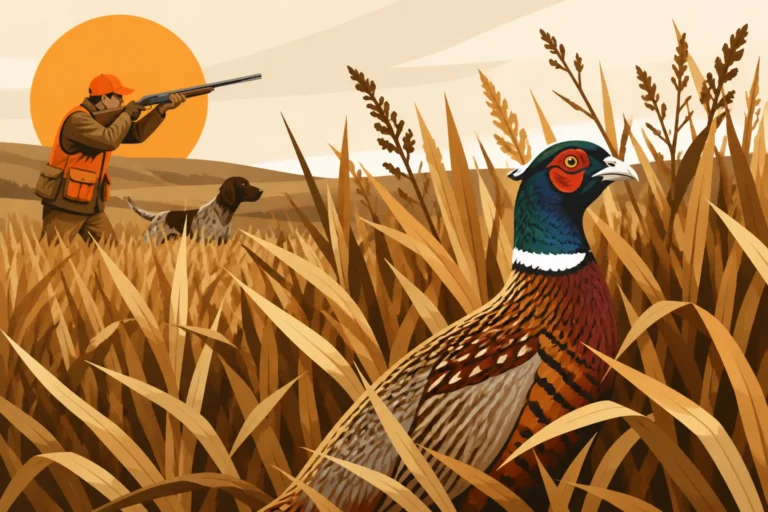
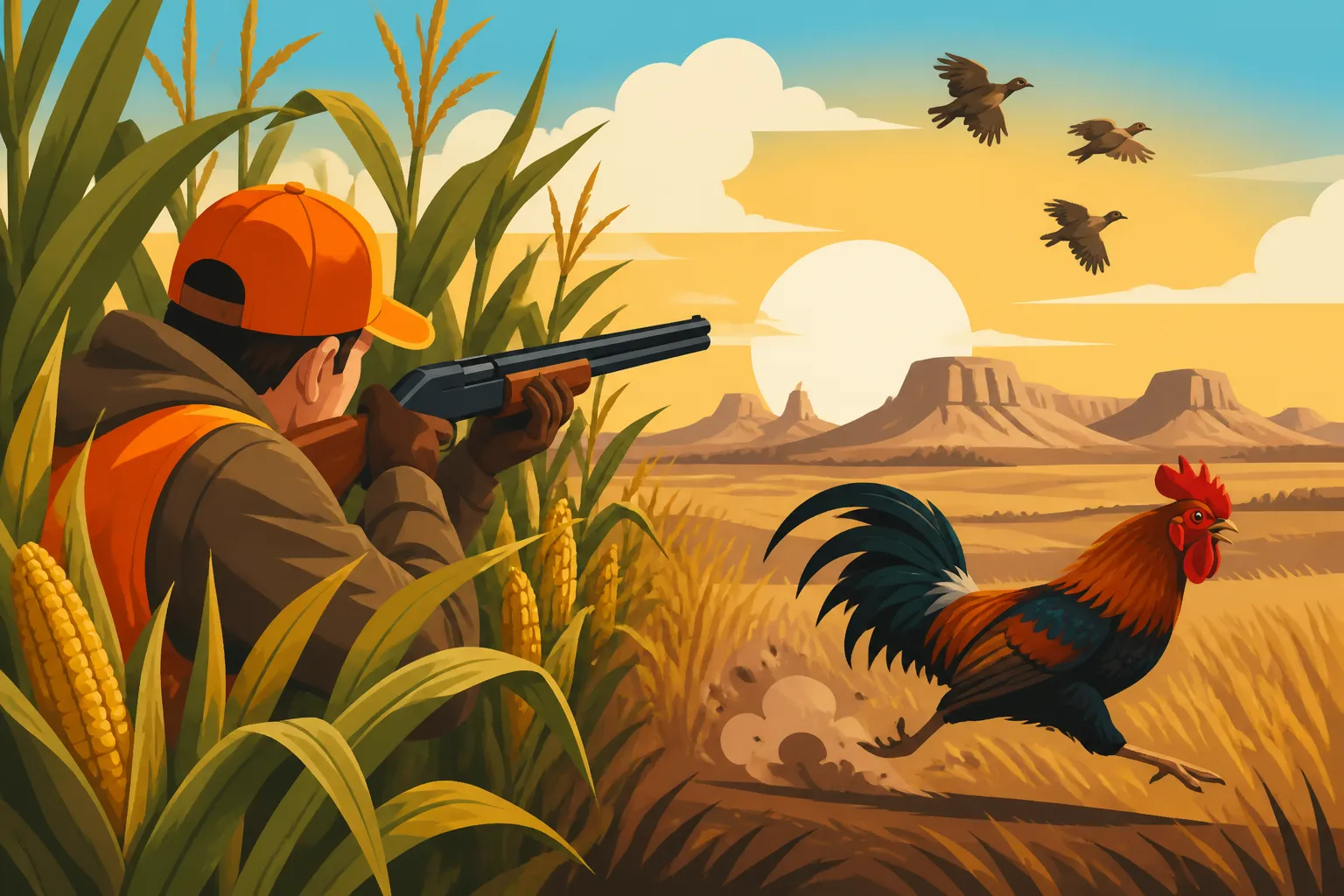
The endless frustration of watching a rooster disappear into a maze of corn rows, only to flush a quarter-mile away, is a feeling every South Dakota pheasant hunter knows all too well. It’s like they know the game, using that dense cover to their advantage, turning a hopeful hunt into a grueling marathon. This guide will dive deep into why those wily roosters prefer to run through the rows and, more importantly, equip you with the strategies, insights, and patience needed to turn those elusive runners into successful flushes during your South Dakota pheasant hunt.
Why Roosters Prefer to Run in Corn
There’s a reason why pheasants, particularly the roosters, seem to have an innate aversion to flying when confronted in a cornfield. It's not just stubbornness; it's a finely tuned survival strategy evolved over generations of dealing with predators and, of course, hunters. Understanding this behavior is the first step toward outsmarting them.
The Perfect Escape Cover
Think about a standing cornfield from a pheasant's perspective. It's a dense, vertical jungle offering incredible concealment. The stalks stand tall and close together, creating narrow, tunnel-like pathways perfect for a bird to scurry through unseen. When a hunter or dog enters, the pheasant isn't immediately exposed to open sky. Instead, it has the option to simply melt deeper into the cover.
The corn stalks themselves also work wonders at breaking up scent trails. A dog might catch a whiff of a bird, but as that rooster weaves through the rows, bumping against stalks, kicking up dust, and mixing its scent with the pervasive smell of drying corn, that distinct trail becomes incredibly difficult to follow. This offers the bird precious extra seconds, allowing it to put distance between itself and the threat. Unlike open grass or sparse cover, corn doesn't force a bird to flush quickly; it invites them to run and hide.
Psychological Advantage and Learned Behavior
Wild pheasants, especially in a state like South Dakota where hunting pressure is significant, are smart birds. They are masters of survival, and their experiences shape their behavior. Early in the season, younger birds might flush more readily, but as the season progresses and they encounter hunters more frequently, they quickly learn. They associate the sound of crunching boots, human voices, and dog bells with danger.
When a rooster hears or smells a threat approaching in a cornfield, its primary instinct isn't to take flight and expose itself. Instead, it calculates that running offers a higher chance of escape. It understands that the dense corn provides cover, making it harder for a hunter to shoot and for a dog to corner. This learned behavior means that the older, more experienced roosters are often the most notorious runners, having survived multiple encounters by simply out-legging the pursuit. They know they can often make it to the end of the field, or to a transition area like a fenceline or slough, before being forced to fly.
Wind and Rooster Positioning
The wind plays a much larger role in a rooster's decision-making process than many hunters realize, especially in corn. Pheasants, like most game birds, prefer to hold into the wind when they're hiding. This allows them to better hear and smell approaching threats, and if they do decide to flush, taking off into the wind provides lift and a quicker escape.
When you're pushing a cornfield with the wind at your back, your scent is carried ahead of you, potentially alerting birds far down the rows. This gives them ample warning and time to simply run ahead of the push, never feeling pressured enough to flush. If you push into the wind, however, your scent plume is behind you. Birds might be less likely to bolt far ahead because they don't get as strong an early warning. They might hold tighter, waiting until the last possible second, before bursting out. Knowing this, smart hunters often try to set up their drives to either push into the wind or across it, minimizing the advantage the rooster gains from an early warning. Understanding wind direction, which can be easily checked with a quick glance at an app like GoHunt that overlays real-time conditions, can make all the difference in a cornfield hunt.
Strategic Approaches to Hunting Corn Rows
Successfully hunting pheasants in corn is less about brute force and more about finesse and intelligent strategy. It requires patience, coordination, and a keen understanding of how to manipulate the birds' natural instincts within this challenging environment.
The Art of the Slow and Steady Push
One of the biggest mistakes hunters make in cornfields is moving too fast. Roosters are masters of the "ghost walk" in corn, often slipping away long before you get close enough to see them. To counteract this, a slow and deliberate pace is paramount. Imagine you're trying to sneak up on a deer; that's the kind of measured pace you need. This gives your dogs time to work the scent, and it gives the birds less time to react and run far ahead.
When walking, try to maintain a relatively consistent pace. Erratic speeds can sometimes spook birds into running harder. Incorporate slight pauses, too. Sometimes, a brief stop will make a running bird nervous, causing it to hold up, thinking it has evaded you, only to burst out when you resume the push. For parties of 2-3 hunters, consider zigzagging within your assigned rows. Instead of walking in a perfectly straight line, gently weave back and forth, covering more ground and increasing the chances of cutting off a running bird or forcing it to hold. This technique, similar to what you might use when Zigzagging a Grass Strip for Birds, can be surprisingly effective. The goal is to make the bird feel like its escape route is constantly being threatened, forcing a flush rather than an endless run. A proper Walking Speed That Holds Roosters is slower than you think.
Utilizing Blockers and Cornering Tactics
For larger cornfields, especially those longer than 100-200 yards, blockers are absolutely essential. Without them, even the most disciplined push will likely result in most roosters running out the end of the field unscathed. Blockers are positioned at the far end of the cornfield, waiting quietly and patiently to intercept birds that are pushed ahead. Their presence creates a barrier, giving running birds nowhere left to go but up.
The number of blockers needed depends on the width of the field. A good rule of thumb is to have at least one blocker for every 10-15 yards of field width, standing a few yards inside the corn at the far end, facing the incoming push. For a general guideline, you can look at insights into How Many Blockers a Field Needs. Communication between the pushers and blockers is critical. Walkie-talkies or cell phones (if service allows) can be invaluable to ensure everyone is on the same page. The pushers should signal when they are nearing the end of the field, allowing the blockers to get ready.
Corners and field edges are also prime spots for strategic placement. If a cornfield backs up to a slough, a fenceline, or a different type of cover, position blockers to cut off those escape routes. Roosters will often try to "duck out" the side of a field if they sense an opening. By having blockers stationed along these escape paths, you can funnel the birds back into the corn or force them to flush earlier than they intended. Remember, the goal is to eliminate all logical running options for the pheasant, making flight the only viable escape.
Reading the Corn and Rooster Sign
Hunting in corn is often about more than just walking; it's about observing and interpreting the subtle clues the birds leave behind. Before even stepping into the field, use tools like GoHunt to scout the area. Analyze aerial imagery to identify standing cornfields, adjacent cover types like sloughs or food plots, and potential escape routes. Knowing the layout beforehand will help you plan your drive.
Once in the field, pay attention to the corn itself. Fresh tracks in dusty rows, bent or broken stalks, and even disturbed cob husks can indicate that a rooster has recently passed through. These signs are often more prevalent near the edges of a field or where the corn transitions to other cover. If you see fresh sign heading in a particular direction, it might give you a clue as to where birds are concentrating their escape efforts, allowing you to adjust your push or blocker placement. On frosty mornings, look for melted frost patterns where a bird might have roosted or walked. The more you learn to Reading Aerial Imagery for Cattail Cover and other cover types, the better you’ll become at predicting pheasant movement in corn.
Midday and Late-Season Considerations
Rooster behavior changes significantly as the day progresses and the season wears on. Early in the morning, especially on colder days, pheasants might be found dusting themselves or feeding in field edges before retreating to heavier cover. By midday, they often seek thermal refuge, and a dense cornfield provides excellent insulation from both cold winds and bright sun. This means that a cornfield that seemed devoid of birds at 10 a.m. might hold a surprising number of roosters by noon or 1 p.m. Knowing Where Roosters Sit at Midday can drastically improve your success.
Later in the season, when temperatures drop and natural cover becomes sparser due to snow or harvest, cornfields become even more critical wintering habitat. They provide not just cover but also a potential food source (leftover kernels). Birds in late season are often warier and tougher, having survived earlier hunting pressure. They'll run harder and hold tighter, making the slow, methodical push and effective use of blockers even more important. Fields with adjacent sloughs or dense CRP become especially productive in the late season, as birds will transition between the two types of cover. For more insights on hunting in these challenging conditions, consider reviewing strategies for Late-Season South Dakota Pheasants in Heavy Cover.
| Factor | Early Season (Warm) | Late Season (Cold/Snow) |
|---|---|---|
| Bird Behavior | May hold tighter, but also more prone to running. | Very prone to running, hold incredibly tight if cornered. |
| Cover Value | Excellent concealment, thermal regulation from sun. | Essential thermal cover, protection from wind/snow. |
| Running Speed | Fast, but might flush sooner if pressured. | Extremely fast, determined to reach escape cover. |
| Strategy | Slower push, diligent dog work, blockers. | Even slower, tighter lines, maximum blocker coverage. |
| Dog Fatigue | Monitor for heat exhaustion. | Monitor for cold, burrs, ice. |
Working Your Dogs Effectively in Corn
Dogs are indispensable for pheasant hunting, but cornfields present unique challenges that require specific dog selection, training, and handling strategies. The dense cover and visual obstruction demand a different approach compared to hunting open grass.
Dog Selection and Training for Corn
When it comes to hunting corn, the choice between a pointing dog and a flusher can significantly impact your strategy. Flushing breeds like Labs, Springers, and Brittanys often excel in corn because their natural instinct is to push ahead and kick out birds. Their drive to hit dense cover and relentlessly pursue scent can be incredibly effective at forcing running roosters to take flight. However, their independent nature means they can easily get out of sight and range, requiring excellent obedience and a reliable e-collar.
Pointing breeds, on the other hand, offer a different advantage. A good pointer will lock up on scent, signaling the presence of a bird even when you can't see it. This allows hunters to move in for a planned flush. The challenge in corn is that a rooster can run from a point, leaving the dog standing on scent while the bird makes its escape. Some pointing breeds are trained to "flush on command" or will break point and flush if the bird tries to run. Ultimately, the best dog for corn is one with high drive, excellent scenting ability, and, most critically, unwavering obedience. Whether you prefer a pointer or a flusher, understanding their strengths and weaknesses in this specific cover is key to maximizing your success. Delve deeper into the nuances by exploring Pointing Dogs Versus Flushers on Wild Birds.
Handling Challenges: Losing Sight and Communication
The most obvious challenge in corn is visibility. Your dog can disappear from sight in a matter of seconds, leading to frustration and lost birds if communication breaks down. This is where a reliable GPS collar system like those from Garmin or GoHunt's integrated mapping solutions become invaluable. These systems allow you to see your dog's exact location, even if they're 50 yards deep in the corn, giving you peace of mind and the ability to adjust your walking line.
Beyond technology, consistent communication is paramount. Train your dog to respond to vocal commands and hand signals even when out of sight. A clear "Hup!" or "Whoa!" can be crucial. An e-collar with tone or vibrate functions can also be used as a "silent recall" or to reinforce commands without yelling. Whistles are another excellent tool, as their sharp sound cuts through the rustling corn better than a human voice. Remember, a dog that ranges too far ahead in corn is essentially pushing birds out the end before you're in position. Work on keeping your dog within a reasonable range – often 15-20 yards to either side of your walking line – to ensure birds are flushed within shooting distance.
Managing Energy and Safety in Dense Cover
Hunting corn is physically demanding for both hunters and dogs. The thick stalks and often uneven footing mean dogs are expending a lot of energy. This is especially true on early season hunts when temperatures can still be warm. Keep a close eye on your dog for signs of overheating: excessive panting, lagging behind, or seeking shade. Frequent water breaks are non-negotiable. Carry plenty of water and a portable bowl, and make sure your dog drinks regularly. Learn more about Keeping a Dog Cool on an Early Opener.
Beyond heat, cornfields present several physical hazards. The dry stalks can be abrasive, causing cuts and scrapes, particularly on a dog's sensitive underbelly. Burrs and foxtails are also a constant threat, clinging to fur and working their way into paws, ears, and eyes. Inspect your dog thoroughly during and after the hunt, removing any debris. Consider protective vests for your dog if they're prone to scrapes or a longer-haired breed that collects burrs easily. Pay special attention to their paws; dried corn stalks can be sharp. Having a small first-aid kit for your dog, including paw balm, tweezers for burrs, and antiseptic wipes, is always a good idea. Further essential tips can be found in a guide covering Dog Water and Burrs on the Prairie.
Safety and Practicalities in Cornfields
Hunting in corn requires an elevated awareness of safety, as visibility is often limited. Beyond safety, having the right gear and respecting the land are crucial for a successful and enjoyable experience.
Shot Placement and Lane Awareness
The dense nature of a cornfield creates unique challenges for safe shooting. Unlike open fields where you might have a wide-open view of your target and background, birds flushing from corn often appear suddenly, presenting fleeting opportunities. It's easy to get tunnel vision on the bird, but it’s absolutely critical to be aware of your surroundings – particularly other hunters and dogs.
When walking in a line, establish clear shooting lanes. Each hunter is responsible for their zone of fire, typically straight ahead or slightly to the sides, but never swinging back across the line. Communicate verbally if a bird is going to break cover in someone else's zone. Always know where your fellow hunters and dogs are, and assume they are in front of or alongside you, especially when a bird flushes. Never shoot low into the corn, as you might hit a dog or a hidden hunter. Shots should always be taken on birds flying upward and away from the hunting party. For larger groups, reinforce Muzzle Discipline With Blockers Ahead to ensure everyone's safety.
Gear Essentials for Corn Country
Beyond your shotgun and shells, specific gear can make a world of difference when hunting corn.
- Protective Clothing: Heavy-duty brush pants or chaps are a must. The dried corn stalks will scratch and poke relentlessly, and denim simply won't cut it. Look for durable materials like Cordura or briar-proof canvas.
- Blaze Orange: This isn't just a suggestion; it's a safety imperative and often a legal requirement in South Dakota. Wear a blaze orange hat and vest, ensuring you are highly visible to other hunters.
- Boots: You'll be doing a lot of walking, often on uneven, stalk-strewn ground. Comfortable, waterproof boots with good ankle support are crucial. Consider options designed for heavy cover. You can find excellent recommendations for Boots for Walking Cattails All Day which apply equally well to corn.
- Navigation: A GPS device or a smartphone app like GoHunt with offline maps is invaluable for keeping track of your position, especially in large, featureless cornfields. It helps prevent getting disoriented and ensures you stay on course.
- Water: Carry plenty of water for yourself and your dogs. Hunting corn is thirsty work.
- Bird Vest/Game Bag: A comfortable vest with ample carrying capacity for birds and shells is essential.
Respecting the Resource and Landowner
The vast majority of South Dakota's cornfields are on private property. Gaining access to these fields is a privilege, not a right. Always secure permission from the landowner before entering their property. A simple knock on the door, a polite conversation, and a promise to be respectful can open many doors.
Once you have permission, abide by any specific requests the landowner might have. This includes staying within designated areas, avoiding driving on wet fields, and picking up all spent shell casings. Leaving the field exactly as you found it, or even cleaner, is the best way to ensure future access for yourself and other hunters. A small thank-you note or gesture can also go a long way. This respect extends to the wildlife as well. Harvest only legal birds, adhere to bag limits, and make every effort to recover downed game. This ethical conduct not only respects the landowner but also upholds the integrity of our hunting heritage in places like South Dakota, where South Dakota Pheasant Hunting Tactics for the Opener are so ingrained in the culture.
Disclaimer
All hunting information provided is for educational and entertainment purposes only. Regulations and conditions can change rapidly. Always consult the current South Dakota Game, Fish and Parks regulations and secure all necessary licenses and permissions before hunting. Safety should be your top priority in the field.