Shot Placement on a Pronghorn
One of the most heart-wrenching experiences any hunter can face is making a poor shot on an animal, especially one as magnificent and notoriously tough as a South Dakota pronghorn. The vast, open prairie can make judging distance and wind a real challenge, leading to missed opportunities or, worse, wounded game. This comprehensive guide will meticulously break down everything you need to know about ethical and effective shot placement on pronghorn, ensuring you're prepared for success when that moment of truth arrives.
Understanding Pronghorn Anatomy and Vitals
When you're out there on the South Dakota prairie, the adrenaline can be pumping, and it's easy to forget the fundamentals. But truly understanding a pronghorn's anatomy and where its vital organs lie is the single most critical factor in ensuring a quick, humane kill. These animals are built for speed, not for taking a lot of lead, and their relatively small body mass means there's less room for error compared to, say, a mature mule deer.
The Vital Triangle: Heart and Lungs
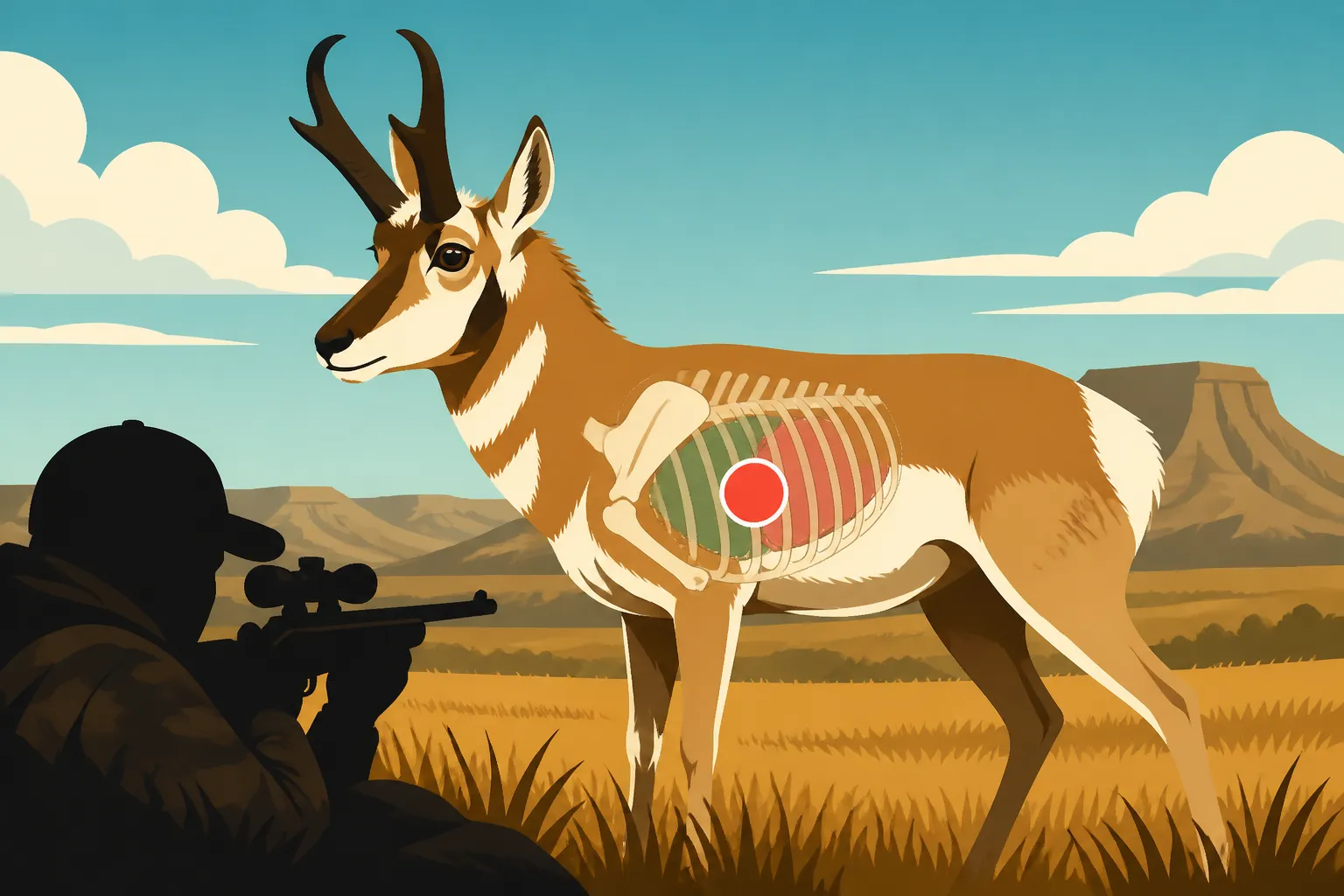
The classic "boiler room" shot is your best friend when it comes to pronghorn. This zone encompasses the heart and lungs, the engine room of the animal. Imagine a triangle drawn from the back of the shoulder, down to the brisket, and forward to the front of the leg. This area, slightly forward and low on the body, is where you want your bullet to impact. A double-lung shot will typically drop a pronghorn quickly or send it sprinting only a short distance before it succumbs. The heart, while a smaller target, is instantly lethal. The key is to avoid aiming too far back, which risks only hitting gut or liver, leading to a prolonged and difficult tracking job. Think of that moment when you've just completed a demanding stalk, perhaps using terrain to get How Close You Can Stalk a Pronghorn, and the animal is broadside; that's your prime opportunity for this shot.
Even when a pronghorn is quartering away slightly, a shot aimed at the opposite front leg can still pass through both lungs, often referred to as a "cross-body" shot. This is a very effective angle if the animal isn't too severely angled. A bullet passing through both lungs rapidly reduces oxygen supply to the brain, causing the animal to lose consciousness and expire quickly. It's not always about dropping them in their tracks, but about ensuring that if they do run, it's a short, unrecoverable dash into the prairie grass.
One common mistake I’ve seen, especially with younger hunters or those new to pronghorn, is aiming too high on the shoulder. While a high shoulder shot can drop an animal instantly by impacting the spine, it's a much smaller target and leaves little room for error. If you miss high, you're over the animal's back; miss low, and you might just hit muscle. Stick to the lower third of the body, just behind the shoulder, for the largest and most forgiving vital area. That's the zone that contains the most critical organs that will ensure a clean kill.
Shoulder and Spine Shots
While the vital triangle is the go-to, shoulder and spine shots can also be effective, albeit with higher risk. A direct hit to the shoulder blade itself (the scapula) will likely break bone and put the animal down, or at least severely incapacitate it, preventing escape. However, a shot too high on the shoulder or grazing the top of the bone can result in a superficial wound that the animal might recover from, leaving you wondering what went wrong. The shoulder shot really only works as an immediate anchor if you pulverize bone and push into the vitals behind it.
A spine shot, particularly a high shoulder shot that hits the vertebral column, is a classic "bang-flop" scenario. The animal instantly collapses due to central nervous system shock. It's tempting to aim for this, especially when a pronghorn is standing still at a moderate range, but the spinal column is a surprisingly small target, especially when viewed from a distance on a relatively small animal like a pronghorn. If your shot is off by even an inch or two, you could easily hit above the spine, resulting in a clean miss, or below it, hitting nothing but muscle and causing a non-lethal, albeit painful, injury.
It's crucial to remember that a broken leg or shoulder will make it difficult for the pronghorn to escape, but it won't necessarily kill it quickly. Your follow-up shot will be essential in such a scenario. The goal is always to deliver a lethal blow with the first shot. If you find yourself in a situation where the animal is presenting an opportunity for a shoulder shot, always prioritize aiming for the vitals behind the shoulder rather than the bone itself, if possible. This gives you a better margin of error and a higher probability of a quick, ethical kill. Many hunters utilize tools like the GoHunt app's detailed animal anatomy overlays to better visualize these critical zones before their hunt.
Brain and Neck Shots
These are often discussed but rarely recommended for ethical hunting of big game. A brain shot is instantly lights-out, no doubt about it. However, the brain of a pronghorn is incredibly small, perhaps the size of a golf ball, and it's surrounded by thick bone. Unless you are an absolute expert marksman, at extremely close range, and under perfect conditions, attempting a brain shot is an irresponsible gamble. The chances of missing the brain entirely and simply wounding the jaw or skull, causing horrific suffering and no quick death, are far too high.
Similarly, a neck shot can be lethal if it severs the spinal cord or major arteries/veins. But like the brain, the spinal cord in the neck is a tiny target, and the critical vascular structures are not nearly as large or centrally located as the lungs or heart. A miss could easily result in a flesh wound that paralyzes the animal, leading to immense suffering, or just a superficial wound that allows it to escape. I’ve seen hunters try this under pressure and only manage to graze the neck, leaving a difficult ethical dilemma.
For these reasons, most experienced hunters, myself included, strongly advise against brain and neck shots on pronghorn, especially in the variable conditions of the South Dakota prairie. It's just not worth the risk of causing prolonged suffering. Stick to the larger, more forgiving vital areas in the chest cavity. If you want to increase your odds for a clean kill, focus on precise shooting on the range, ensuring you can consistently hit that "dinner plate" sized vital zone from various field positions, rather than trying for a much smaller target.
Factors Affecting Shot Placement in the Field
Hunting pronghorn in South Dakota isn't like shooting at a stationary target on a calm range. The environment itself is a major player, introducing variables that can easily throw off even a well-practiced shot. Understanding and compensating for these factors is what separates a successful, ethical hunter from someone who just gets lucky.
Wind, Distance, and Animal Movement
The South Dakota prairie is famous for its wind, and it's a factor you absolutely cannot ignore when shooting at a pronghorn. A stiff crosswind can push your bullet several inches, or even feet, off target at longer ranges, transforming a perfect aiming point into a gut shot or a clean miss. This is where practicing Reading Wind at Four Hundred Yards truly pays off. You need to not only estimate the wind's speed but also its direction relative to your bullet's flight path. Wind flags, fine grass, and even the sway of your rifle sling can give you clues.
Distance, of course, is another huge consideration. Pronghorn hunting often involves longer shots than many other types of big game hunting. Their keen eyesight makes it tough to get close, meaning a 300-400 yard shot isn't uncommon. At these distances, bullet drop becomes significant, and even a small miscalculation in range can lead to a shot going high or low over the vitals. Always Rangefinding Across Open Ground is non-negotiable. Modern rangefinders are incredibly fast and accurate, removing much of the guesswork. Tools like those found on GoHunt can provide ballistic calculators to help compensate for bullet drop and windage, making a huge difference in precision.
Finally, pronghorn rarely stand perfectly still for long. They're constantly alert, twitching ears, flicking tails, and taking small steps. A pronghorn that appears stationary might suddenly take a step forward or back right as you break the shot, turning a broadside opportunity into a quartering-to or quartering-away nightmare. Patience is paramount. Wait for the animal to settle, ideally with its head down feeding or looking away, minimizing the chance of an unexpected shift. If it's walking, let it stop. A clean, stationary shot is always preferable to a rushed one on a moving animal.
Shot Angles and Animal Orientation
Pronghorn rarely present that perfect broadside shot. More often than not, they’ll be quartering slightly, whether towards you or away from you. Understanding how to adjust your aiming point for these angles is crucial to hitting the vital organs effectively. When a pronghorn is quartering to you, the vitals are partially obscured by the shoulder and leg bones, and the target area appears smaller. In this scenario, your aim should be slightly more forward and into the shoulder area, envisioning the bullet path to exit through the opposite flank. This ensures maximum penetration through the chest cavity. However, if the angle is severe, sometimes it’s best to wait for a better shot.
A quartering away shot can be very effective if the angle isn't too extreme. Here, you'll aim to hit behind the shoulder and angle the shot forward, so the bullet travels through both lungs and possibly the heart, exiting on the opposite side. The key is to aim for the far shoulder, effectively extending your target area. This shot presents a good opportunity to rupture both lungs. A Shot Placement on a Quartering Pronghorn needs careful consideration, visualizing the path of your bullet as it travels through the animal's body to ensure it intersects the maximum amount of vital tissue.
What about a head-on or straight-away shot? Generally, these are low-percentage, high-risk shots that should be avoided. A head-on shot offers only a small target (the chest cavity between the shoulders) and risks merely wounding the animal if the bullet deflects off bone. A straight-away shot can be devastating if it impacts the spine or passes cleanly through the rear of the lungs, but often results in a gut shot, which is slow and inhumane. Unless you're dealing with a severely wounded animal and need to finish it, always strive for a broadside or slight quartering shot. Don't let buck fever or the excitement of the moment push you into taking a shot you know isn't ethical.
Hunter Position and Support
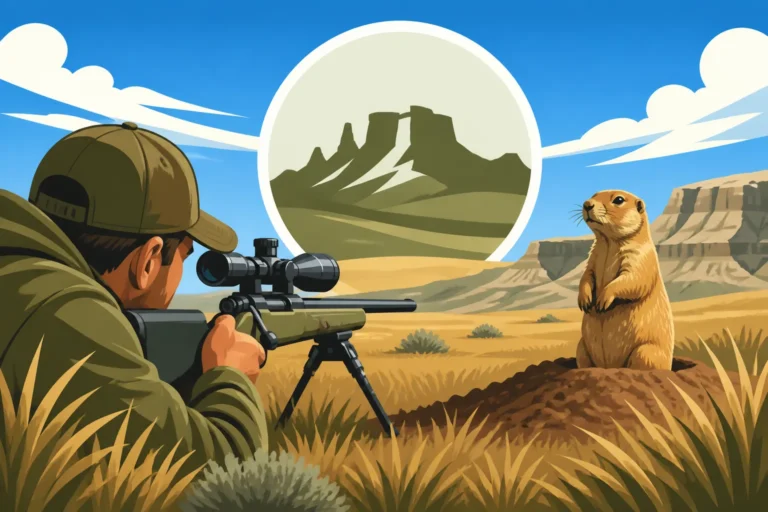
Your stability is directly correlated to your accuracy, and on the open prairie, stable shooting positions can be hard to come by. While Practicing Prone Shots on the Prairie is essential, the terrain might not always allow for it. Sometimes, the grass is too tall, or a small rise prevents a clear line of sight. This is where shooting sticks or a bipod become invaluable. They offer a stable platform from kneeling or standing positions, significantly reducing wobble and increasing your hit probability, especially at longer distances.
Imagine stalking across the prairie, perhaps Using Draws to Hide a Stalk, and finally getting into position, only to find the ground cover too high for prone. Having a set of dependable shooting sticks that deploy quickly can make all the difference. Practice with them, learn to set them up silently and swiftly, and ensure they are adjusted for your height. A comfortable, stable shooting position allows you to focus solely on the animal and the crosshairs, rather than fighting your own unsteady body.
Don't underestimate the mental aspect either. Being comfortable and confident in your shooting position allows you to manage the physical demands of a long stalk and the adrenaline surge that comes with spotting your target. Whether it's prone with a pack for support, kneeling with shooting sticks, or a steady seated position, find what works for you and practice it relentlessly. Because when that wary pronghorn finally gives you an ethical shot opportunity, you want every advantage on your side to make it count.
Caliber and Bullet Choice for Pronghorn
Choosing the right tool for the job is just as important as knowing where to put the bullet. Pronghorn, while relatively small, are incredibly tough animals. They have a dense hide and a strong will to live, meaning you need a cartridge and bullet that can deliver sufficient energy and reliable penetration to reach those vital organs.
Minimum Caliber and Energy Requirements
For pronghorn, you're generally looking for a cartridge that shoots relatively flat and carries enough energy to cause hydrostatic shock and reliable expansion at typical prairie hunting distances. While many states allow smaller calibers, a good rule of thumb is to start with something like a .243 Winchester or 6mm Creedmoor as a minimum, but move up to something like a .25-06, 6.5 Creedmoor, .270 Winchester, or .308 Winchester if you can manage the recoil and shoot it accurately. These calibers offer a better blend of flat trajectory, energy, and bullet weight for consistent performance on game.
The key is kinetic energy. A bullet needs to transfer enough energy to the animal to create a large wound channel and disrupt vital functions. A cartridge that might be fine for close-range whitetails in the timber might struggle to deliver the same terminal performance on a pronghorn at 300+ yards on the open plains. Always check the manufacturer's data for your chosen ammunition and understand its performance at various ranges. Rifle Calibers for South Dakota Antelope should be chosen not just for initial speed, but for retained energy downrange.
Avoid ultralight, highly frangible bullets designed for varmints, as they may not penetrate deeply enough or hold together sufficiently to reach the vitals of a pronghorn. Conversely, overly heavy, slow-moving bullets might not offer the flat trajectory needed for accurate long-range shooting in windy conditions. It's about finding that sweet spot, pairing a cartridge with a bullet that's designed for medium-sized game and that you can shoot accurately out to your maximum ethical range.
Bullet Construction and Expansion
This is where the magic happens, or doesn't. A perfectly placed shot with a poorly constructed bullet can still lead to a wounded animal. For pronghorn, you want a bullet that expands reliably but doesn't fragment excessively. Controlled expansion bullets, like those with bonded cores or interlocked jackets, are excellent choices. Brands like Barnes TSX, Hornady InterLock, Nosler AccuBond, and Winchester Power-Point are popular for good reason—they’re designed to expand consistently upon impact, creating a larger wound channel, while retaining enough weight and integrity to penetrate through bone and reach the vitals.
A bullet that expands too rapidly, often called a "grenade" style bullet, might create a spectacular entrance wound but lose too much energy and mass prematurely, failing to penetrate to the far side vitals, especially if it hits bone. On the other hand, a bullet that fails to expand at all will essentially act like a target projectile, poking a small, clean hole through the animal, leading to a slower kill or a lost animal. It’s all about finding that balance.
Consider the potential for hitting bone. A pronghorn's shoulder blade is tougher than you might think. A bullet needs to be able to punch through that bone, if necessary, and continue into the lungs or heart. This is why a premium, controlled expansion bullet is a wise investment, even if it costs a little more. When you've invested significant time, money, and effort into a hunt, scrimping on ammunition is a false economy. Test different bullet types with your rifle before the season to see what shoots best and performs reliably.
Practical Considerations for Prairie Hunting
Beyond ballistic performance, there are practical aspects to consider when hunting on the South Dakota prairie. For starters, you want a rifle and scope setup that is robust and reliable. The prairie environment is harsh—dust, wind, and occasional rain are standard. Your gear needs to withstand these elements without losing zero or failing when you need it most. This means a good quality scope with clear glass and precise adjustments, mounted securely.
Another consideration is recoil. While a magnum caliber might seem appealing for long-range performance, if you flinch or can't shoot it accurately, it's a detriment. A smaller caliber that you can shoot consistently and accurately is always preferable to a powerful one you can't control. Practicing Prone Shots on the Prairie with your actual hunting rifle and ammunition will reveal any issues with flinching or scope eye.
Finally, think about follow-up shots. Pronghorn often travel in herds, and if you miss, they can be gone in a flash. Having a rifle that allows for a quick, smooth follow-up shot, and being proficient in operating it under pressure, is essential. This ties back to practice—knowing your rifle inside and out, from cycling the bolt to reacquiring the target, is vital for success on the fast-paced prairie.
| Shot Placement Option | Pros | Cons | Ideal Scenario |
|---|---|---|---|
| Broadside – Heart/Lung | High success rate, large target area, quick kill | Animal may run a short distance | Stationary broadside, moderate range |
| Quartering Away – Double Lung | Very effective, hits vital organs | Requires precise angle compensation, risk of gut shot | Slight quartering away, stable platform |
| High Shoulder/Spine | Instant drop (if hit), immobilizes animal | Small target, high risk of clean miss or crippling injury if off | Very close range, perfectly stationary animal, expert shot |
| Frontal – Center Chest | Can be lethal if centered perfectly | Very small target, high risk of non-lethal wound, low ethical standard | Seriously wounded animal needing immediate dispatch |
| Rear/Gut Shot | Avoid at all costs! | Slow, inhumane death; difficult/impossible recovery | Never an ethical shot |
Tracking and Following Up After the Shot
Even with the best preparation and a seemingly perfect shot, things can go sideways. Pronghorn are known for their incredible ability to sprint after being hit, often showing little immediate reaction. Knowing what to do in the moments after you pull the trigger can be the difference between recovering your animal and an agonizing, fruitless search.
Interpreting the Animal's Reaction
When you shoot a pronghorn, pay extremely close attention to its reaction. Sometimes, they'll drop instantly, or do a "mule kick" and bolt. A high shoulder or spine shot will usually drop them like a sack of potatoes. If the animal humps up, takes a few stiff-legged strides, or walks slowly, it often indicates a gut shot. A sprint with tail tucked could mean a lung hit, while a pronounced limp might indicate a leg or shoulder injury. These initial reactions are crucial clues for Following Up a Marginal Shot in Grass.
Mark the exact spot the animal was standing when you shot, and where you last saw it run. Pick out distinctive landmarks like a specific patch of sagebrush, a fence post, or a distant hill feature. The prairie can be incredibly disorienting, and what seems obvious in the moment can vanish into a sea of grass just minutes later. If you're hunting with a partner, have one person watch the animal while the other marks the spot.
After the shot, resist the immediate urge to rush to the spot. If the animal didn't drop, it’s best to give it some time, especially if you suspect a lung or liver hit. Adrenaline can keep a wounded animal going for a surprising distance. A lung-shot pronghorn might lie down and bleed out if undisturbed, but if you push it too soon, it could get its second wind and run for miles, making recovery nearly impossible.
Blood Trailing Strategies on Open Ground
Blood Trailing Through Prairie Cover can be incredibly challenging. Unlike timber, where a blood trail often stands out against fallen leaves or dark soil, the prairie's mix of grasses, dirt, and sagebrush can hide even a good trail. Start at the exact spot where the animal was standing. Look for blood, hair, or bone fragments. The color and consistency of the blood can tell you a lot: bright red, frothy blood indicates a lung hit; dark red, thicker blood suggests a muscle hit; greenish or brownish, foul-smsmelling material points to a gut shot.
Move slowly and methodically. If you find blood, mark it with flagging tape or a piece of toilet paper (which is biodegradable and easily spotted). Then, look for the next sign, forming a mental grid. Don't rush ahead without finding consistent signs. If the blood trail peters out, circle ahead in a widening pattern, always returning to the last known sign. If you have a tracking dog, this is their time to shine, but always confirm the dog's find with visual sign.
Sometimes, there simply isn't much blood, especially with a high lung shot where the bullet may have expanded quickly and sealed off the wound channel, or if the animal only bleeds internally. In these cases, you’ll have to rely on tracks, broken vegetation, and observations of how the animal might have traveled. Did it jump a fence? Did it head towards a distant coulee or water source? Pronghorn often run downhill if wounded, or seek heavy cover like a cattail slough or deep draw. Consider these tendencies when expanding your search.
When to Back Off and Give Time
This is arguably the hardest part of ethical hunting: knowing when to back off. If you suspect a gut shot (indicated by animal behavior, the appearance of the blood, or a gut-wrenching feeling that your shot was back), give the animal at least 4-6 hours, or even overnight if conditions allow (cool weather is critical to prevent spoilage). A gut-shot animal will typically bed down nearby and stiffen up. If you push it, you’ll just make it run farther. Return later, ideally with fresh eyes and perhaps a tracking dog, to continue the search.
If your shot was a definite lung or heart shot, and the animal didn't drop immediately, give it at least 30 minutes to an hour before cautiously beginning your tracking. Often, they’ll run a short distance and then pile up. Pushing them too early can interrupt this natural process, causing them to get up and run again. It's tough to sit and wait, knowing your animal is out there, but it's the most responsible thing to do.
Remember, the goal is a quick, humane recovery. If you’ve exhausted all options, and the trail has completely vanished, it’s a tough decision, but sometimes, an animal is lost. Before giving up, expand your search far beyond what you think possible. A wounded pronghorn can cover incredible distances. If all efforts fail, record the details and move on, vowing to learn from the experience and improve your shot placement and tracking skills for the next opportunity. Ethical hunting demands not just making a good shot, but also doing everything in your power to recover the animal. Once recovered, be sure to Field Dressing an Antelope Fast, especially in warmer South Dakota weather, to preserve the meat.
Disclaimer
The information provided in this guide is for educational and informational purposes only and should not be considered a substitute for professional hunting instruction, local regulations, or personal judgment. Always consult the most current South Dakota Game, Fish and Parks regulations before hunting. Hunting inherently carries risks, and safety should always be your top priority.