Combination Bird and Deer Packages
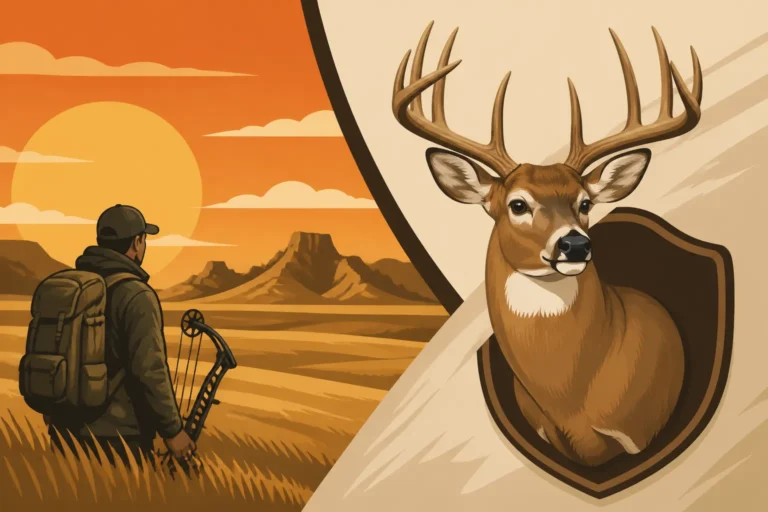
The dream of chasing both the vibrant flush of a South Dakota rooster pheasant and the elusive shadow of a big whitetail or mule deer buck on the same trip is incredibly alluring. It's the ultimate two-for-one adventure, but for many, especially non-residents, the thought of coordinating such a complex hunt can feel overwhelming. This guide will cut through the confusion, demystifying combination bird and deer packages, explaining the critical licensing hurdles, and equipping you with the right questions to ask to make your multi-species South Dakota hunting dream a reality.
The Allure and Reality of Combination Hunts
There's something uniquely satisfying about the idea of hitting the prairie for pheasants in the morning, listening to the crunch of frost-covered grass underfoot, and then transitioning to a deer stand or a spot-and-stalk for a buck in the afternoon. It speaks to the diverse hunting heritage of South Dakota, offering hunters the chance to experience the best of both worlds.
Why Hunters Seek the Dual Challenge
The appeal of a combination hunt is obvious: efficiency, variety, and an enhanced challenge all rolled into one unforgettable trip. You're not just focusing on one species; you're immersing yourself in the full spectrum of South Dakota's wild offerings. For many hunters, vacation time is a precious commodity, and the thought of consolidating two distinct hunting experiences into a single journey is incredibly appealing. Why fly out twice or drive long distances for two separate seasons when you could potentially achieve both goals in one fell swoop?
It’s about maximizing your time and investment. Instead of planning and paying for separate trips, a combination package theoretically offers a more streamlined approach. South Dakota, with its abundant pheasant populations and healthy deer herds, particularly whitetails in the river bottoms and mule deer out West, is perfectly positioned to offer such diverse opportunities. The prime seasons for pheasants and many deer seasons often overlap, especially in October and November, making these integrated hunts logistically feasible and highly desirable.
However, this elevated experience doesn't come without its complexities. It’s a completely different animal than simply booking a pheasant hunt. The gear, the tactics, the mindset—everything needs to be able to pivot on a dime. But for those who crave that dynamic experience and are willing to put in the effort, the reward of seeing a rooster burst from cover then later glassing a deer across a coulee is unmatched.
Understanding Different Package Structures
When you start looking at "combination bird and deer packages," it's crucial to understand that not all offerings are created equal. You might envision a seamless transition from bird dogs to buck blinds, but the reality can vary significantly. A true combination package implies an integrated itinerary designed to give you dedicated time for both species, managed by the same outfitter. It's not just two separate bookings with the same person; it's a unified hunting plan.
Most common combinations revolve around pheasants, which are abundant and have a generally longer, more accessible season, paired with either whitetail or mule deer. Whitetails are often hunted in timbered river bottoms or near agricultural fields, while mule deer are typically found in the more open, broken country of West River. You'll rarely find elk as part of a combination package, as those tags are incredibly difficult to draw and often require dedicated, long-term planning.
The variations in these packages are extensive. Some might be heavily "bird-focused" with a deer "opportunity" built in, meaning you primarily hunt pheasants, but if a deer presents itself while you're out, or during a specific afternoon sit, you can pursue it. Others are more balanced, dedicating specific half-days or full days to each species. Package durations usually range from three to five hunting days, attempting to provide enough time for both. These packages typically include lodging, meals, the services of a guide, bird dogs, and field transportation. What they often don't include, and what you must clarify, are things like licenses, shell costs, and gratuities, which we'll delve into later.
Navigating the South Dakota Draw and Licensing Hurdles
This is often where the dream of a combination hunt can quickly turn into a bureaucratic nightmare, especially for non-residents. South Dakota has a robust licensing system designed to manage its wildlife, and understanding it is paramount for any multi-species hunt.
Non-Resident Deer Tags: The Major Stumbling Block
For non-residents, the primary challenge in booking a combination bird and deer hunt revolves squarely around the deer tag. Unlike pheasant licenses, which are generally available over the counter, most nonresident deer tags in South Dakota are allocated through a lottery draw system. This means you can't simply decide you want a deer tag a few weeks before your trip and expect to purchase one. The application periods are typically in spring and early summer, months before the actual hunting seasons in the fall. South Dakota Deer Licence Types by Region
Drawing a coveted buck tag, particularly for West River mule deer or some whitetail units, can be highly competitive. The odds vary greatly by unit and year, and often depend on how many preference points you’ve accumulated. Many hopeful combo hunters hit this wall when they realize they need a drawn tag before they can confirm a deer portion of their hunt. This timing disconnect often requires hunters to apply for their deer tag a year or more in advance, and then book their combination hunt contingent on successfully drawing that tag. This can create anxiety and complexity in planning, as you might need to put down a deposit on a hunt without a guaranteed deer tag in hand. You'll definitely want to understand How the South Dakota Draw System Works before you commit.
How Outfitters Can (and Cannot) Facilitate Licences
A reputable outfitter will be upfront about the licensing process. They cannot apply for a license on your behalf, nor can they guarantee you'll draw a tag. What they can do is provide guidance on the draw system, suggest units that might have better draw odds, or inform you about typical success rates for their specific area. Some outfitters may cater to residents who have better access to certain landowner preference tags, but for non-residents, the draw is almost always the path for deer.
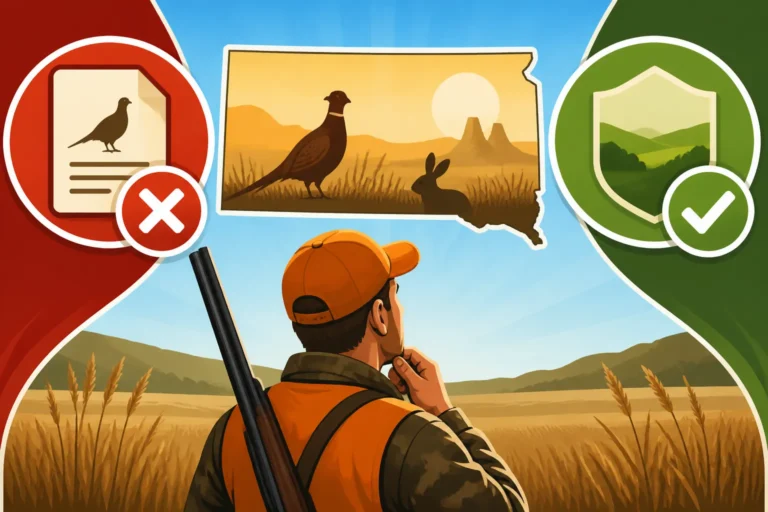
It's critical that you, the hunter, are fully responsible for understanding and completing all necessary license applications within their respective deadlines. Missing a deadline for a deer tag means no deer hunting portion of your combo trip, regardless of what you've booked with an outfitter. While the deer tag is the most complicated, remember that you'll also need a South Dakota non-resident small game license and a habitat stamp for your pheasant hunting. These are typically available online or over the counter, so they are much simpler to acquire but are absolutely mandatory. South Dakota Habitat Stamp Requirements
Here's a quick look at the typical licenses you'd need to consider for a South Dakota combination hunt:
| License Type | Required For | Non-Resident Availability | Notes/Requirements |
|---|---|---|---|
| Non-Resident Small Game | Pheasants, Grouse, Partridge | Over-the-counter | Mandatory for bird hunting. |
| Habitat Stamp | All hunting/fishing activities | Over-the-counter | Required with all hunting licenses. |
| Non-Resident Deer (Any Sex) | Whitetail/Mule Deer Buck | Draw Only | Highly competitive; apply in spring/early summer. Often requires preference points for good odds. |
| Non-Resident Deer (Antlerless) | Whitetail/Mule Deer Doe | Draw Only | Some units may have slightly better draw odds for antlerless tags, offering an alternative for a combo. |
| Federal Duck Stamp | Waterfowl (Ducks, Geese) | Over-the-counter | Only needed if your combo hunt somehow includes waterfowl, which is less common for deer/bird packages. |
What a Combination Hunt Looks Like on the Ground
Beyond the paperwork, understanding the practical realities of a combination hunt is key to enjoying the experience. It’s an active, dynamic form of hunting that requires adaptability and a solid understanding of what each day will demand.
Typical Daily Flow and Physical Demands
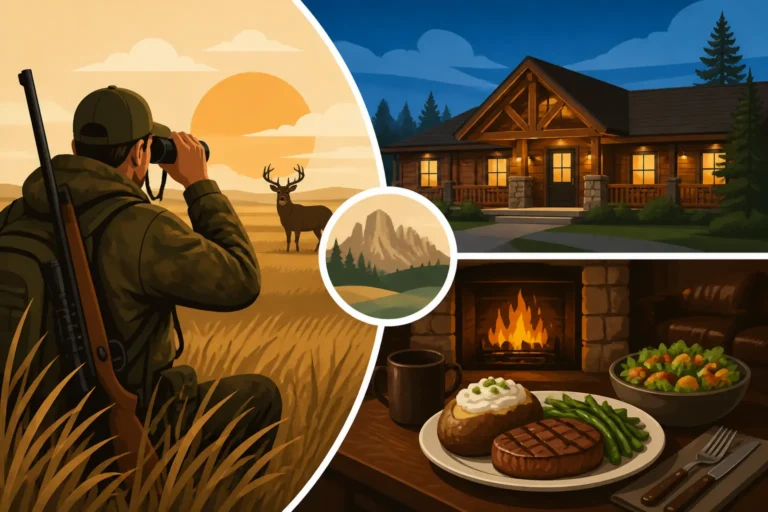
Imagine your alarm clock blaring before dawn. You might be gearing up for a quiet morning deer hunt, perhaps slipping into a stand overlooking a whitetail travel corridor or glassing vast prairies for mule deer. This can involve sitting still for hours in cold temperatures or long, slow walks and intense glassing sessions. After a successful deer hunt (or sometimes a quiet one), you might head back to the lodge for a hearty brunch and then quickly transition your gear.
The afternoon could then be dedicated to pheasants. This means lacing up your walking boots, grabbing your shotgun, and heading to the field with dogs and guides. Pheasant hunting in South Dakota is often a physically demanding activity, involving walking miles through dense cover like cattail sloughs, CRP fields, or corn stubble. South Dakota Pheasant Hunting Tactics for the Opener You need to be prepared for pushing through heavy brush and covering significant ground, especially if you're Walking Speed That Holds Roosters and working a large piece of cover.
The constant switching of gears, both physically and mentally, is a defining characteristic of these hunts. One moment you're focused on silent movement and precise rifle shots, the next you're ready for fast-flying flushing birds and shotgunning. This dynamic schedule demands a good level of physical fitness. You’ll be covering varied terrain for birds and then potentially sitting motionless for deer. It’s not a sedentary vacation, and underestimating the physical toll can quickly diminish your enjoyment.
Critical Questions for Your Outfitter
Before you commit to any package, you absolutely must ask a detailed set of questions to ensure the hunt aligns with your expectations. Not all combination packages are designed the same, and what one outfitter considers a "combo" might be very different from another. Questions to Ask a South Dakota Outfitter
First, clarify the balance of hunting time. Is it truly a balanced 50/50 split between deer and birds, or is it heavily weighted towards one with an "opportunity" for the other? Don't be shy about asking for a typical daily itinerary. For the deer portion, inquire about the hunting method. Will it be stand hunting over food plots, still-hunting through river bottoms for whitetails, or spot-and-stalk Spot-and-Stalk Antelope Hunting in South Dakota for mule deer? How many guides are assigned per deer hunter? What are the typical shot distances, and what kind of Rifle Setup for South Dakota Open Country do they recommend?
For pheasant hunting, ask about dog availability. If you plan to Bringing Your Own Dog on a Guided Hunt, confirm their policy, kennel facilities, and any health requirements. What's the typical group size for bird drives, and what are their average daily bag and possession limits? Crucially, determine if the birds are wild or if they supplement with released birds, as this can greatly change the experience.
Finally, get a comprehensive breakdown of all costs. What exactly is included in the package price? Are meals, lodging, guides, field transportation, and initial bird cleaning covered? What are the potential hidden costs? These often include gratuities for guides and lodge staff Tipping Guides and Dog Handlers in South Dakota, ammunition, processing and packaging of deer meat, shipping of trophies or meat, and any "trophy fees" if you harvest a buck of a certain size. Resources like BookYourHunt and GoHunt can be invaluable for comparing package inclusions, reading hunter reviews, and ensuring you're getting a clear understanding of what's on offer. They often provide structured listings that help reveal these details. What a South Dakota Hunt Price Includes is a great resource to understand what's usually covered.
Practicalities and Preparing for Success
Booking the hunt is just the first step. To truly make the most of your South Dakota combination adventure, thoughtful preparation is paramount. This goes beyond just packing your bags; it involves physical conditioning, a flexible mindset, and a clear plan for your harvest.
Gear, Fitness, and Mindset
The diverse nature of a combination hunt means your gear list will be more extensive and specialized. You'll need both shotgun and rifle, along with appropriate ammunition. Layering your clothing is absolutely crucial for South Dakota's often unpredictable fall weather, which can swing from warm, sunny days to bitter cold and even snow within hours. You’ll need rugged, waterproof boots suitable for miles of walking through tough pheasant cover, as well as insulated layers for sitting still during deer hunts. Don't forget quality optics like binoculars and a rangefinder, essential for both species but especially for deer.
Physical preparation cannot be overstated. Pheasant hunting is a demanding sport that involves covering several miles a day, often through thick, uneven terrain. If you're not used to this level of activity, start a walking regimen months before your trip. Combine this with the potential for long hikes, climbs, or hours of stationary vigilance required for deer hunting, and you have a recipe for exhaustion if you're not in shape. A combo hunt is physically demanding; train accordingly.
Mentally, you need to cultivate flexibility and resilience. Deer hunting often involves long periods of patient waiting for a single opportunity, demanding focus and stillness. Pheasant hunting, by contrast, is dynamic and action-packed, requiring quick reflexes and constant movement. Being able to seamlessly switch between these two mindsets, adapting to different styles and paces, is key to enjoying the entire experience. Embrace the challenge and remember that the entire journey, not just the harvest, is the reward.
Handling Your Harvest and Post-Hunt Logistics
One of the logistical considerations often overlooked until the hunt is underway is how you'll manage your harvest. For pheasants, most outfitters will clean and package your birds for transport, but always confirm this service and whether there's an additional fee. You'll need to know Cleaning Pheasants in the Field rules and regulations for transporting game birds.
For deer, ask your outfitter about their field dressing practices. Is initial field dressing included in the package? What are your options for full processing and butchering? Many outfitters have arrangements with local meat processors who can cut, wrap, and freeze your venison. Discuss the costs involved and the timeline. If you're hunting in warm early season conditions, rapid cooling of your deer meat is vital to prevent spoilage and ensure quality, so ask about their facilities for Getting Meat Cooled in Warm Weather.
Finally, consider trophy care. If you harvest a buck you want to mount, discuss caping and basic trophy preparation with your outfitter beforehand. They may have a preferred local taxidermist or can prepare the cape and antlers for safe transport to your taxidermist back home. Ensuring all game is properly tagged and legally transported home is your responsibility, so understand all state and federal regulations concerning this. A booking through a platform like BookYourHunt often includes checklists and information to help ensure you're covered on these important logistical details.
Disclaimer
This article is for general informational purposes only and does not constitute professional advice. Laws, prices and regulations vary by location and change over time. Consult a qualified professional for guidance on your specific situation.