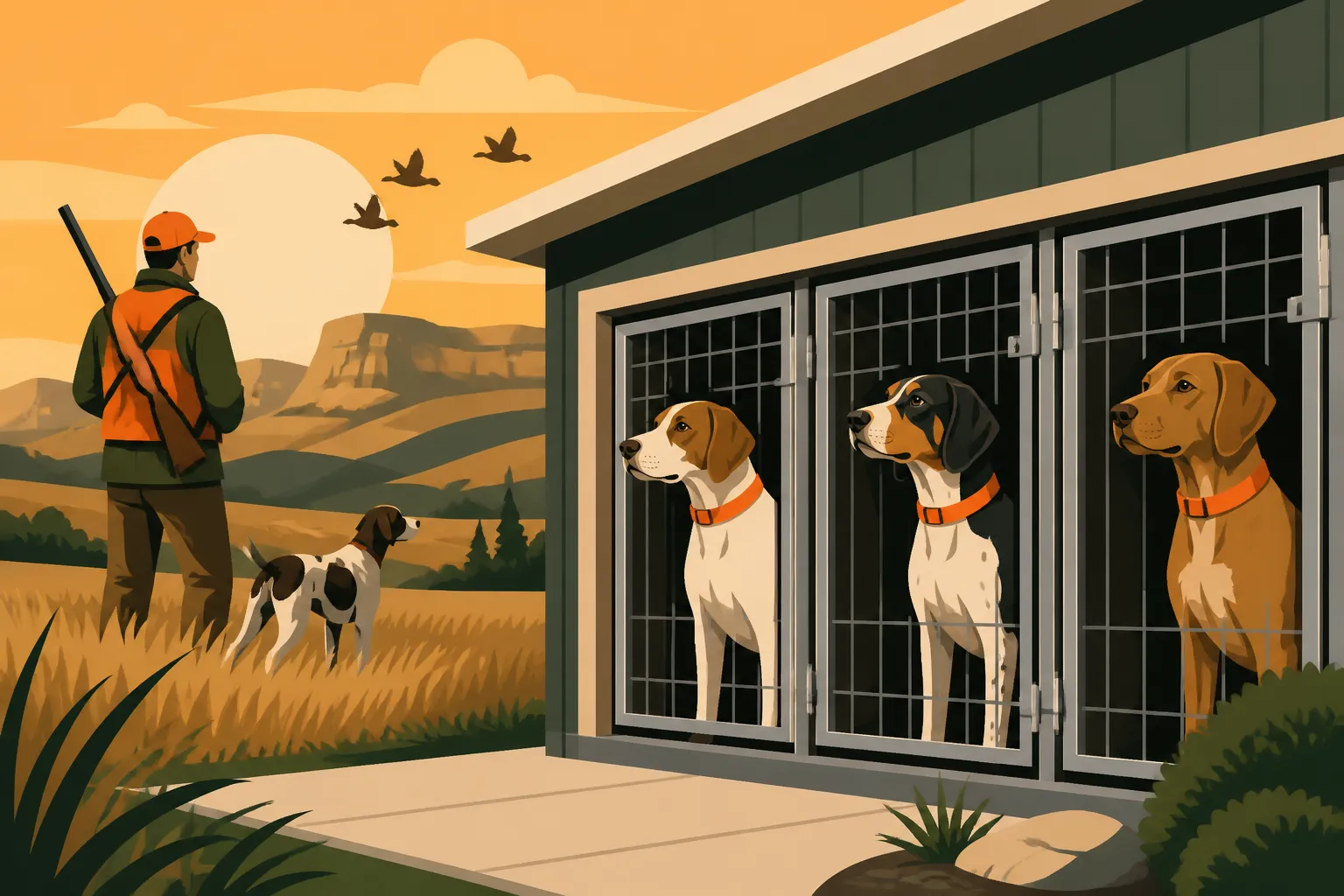
Kennel Facilities at South Dakota Lodges
Bringing your trusty hunting dog to a South Dakota lodge can be a fantastic part of the experience, but many hunters worry about leaving their best friend in an unfamiliar kennel. It's a real concern: you want to ensure your dog is safe, comfortable, and well-cared for when they're not out in the field. This guide will walk you through what to expect from kennel facilities at South Dakota lodges, helping you understand your options and how to choose the best one for your hunting partner.
Understanding Lodge Kennel Types and Offerings
When you’re planning a hunting trip to South Dakota and intend to bring your canine companion, understanding the variety of kennel facilities offered by lodges is absolutely crucial. Not all kennels are created equal, and what one lodge calls a "kennel" might be vastly different from another. It's not just about a roof and walls; it's about comfort, safety, and hygiene, especially after long days Walking Speed That Holds Roosters or even Late-Season Hunting in South Dakota Snow.
Basic Kennel Structures
At the most fundamental level, many South Dakota lodges will offer outdoor runs or individual covered pens. These are typically constructed with chain-link or similar sturdy fencing, often with a concrete pad for easy cleaning, and a roof to provide shelter from the elements. Some might have a simple dog house or elevated cot within the pen. While functional, these basic setups can vary greatly in size and protection from the weather. You might find a single, large communal run, or a series of smaller, individual pens. It's important to ask if individual pens are truly separate, or if they merely divide a larger space where dogs can still interact through the fencing, which might not be ideal for all temperaments.
The level of insulation or heating in these structures is also a significant consideration, especially during colder periods. An unheated outdoor kennel in late November or December could be problematic for a dog not accustomed to such conditions, or for breeds with thinner coats. Conversely, in the early season when temperatures can still be quite warm, adequate shade and ventilation are paramount to avoid overheating. Understanding these basic structures helps you gauge whether your dog will be truly comfortable or merely accommodated.
Advanced Kennel Amenities
On the more luxurious end of the spectrum, some lodges provide advanced kennel facilities that go far beyond the basics. These often resemble commercial boarding kennels, featuring indoor, climate-controlled spaces, sometimes with attached outdoor runs that dogs can access at will. These indoor sections might boast individual heated floors, padded beds, or even specialized ventilation systems to keep air fresh and minimize odors. Some lodges even have dedicated "dog wash" stations where you can rinse off mud and burrs after a day of Pushing a Cattail Slough With Blockers or navigating heavy cattails.
These enhanced facilities often mean a greater peace of mind for you, the hunter. A climate-controlled environment ensures your dog isn't exposed to extreme temperatures, which is vital for their health and performance. Features like soft bedding or elevated platforms can prevent joint stiffness after a hard day's work. It's worth inquiring about security measures too; some high-end kennels might have surveillance systems or staff on-site specifically to monitor the dogs, adding an extra layer of reassurance for owners. When looking for these features, platforms like BookYourHunt can sometimes provide detailed descriptions and photos of the kennel facilities offered by various lodges, helping you visualize the setup before you even call.
Essential Questions to Ask About Lodge Kennels
Before you commit to a lodge, don't be shy about asking specific questions regarding their kennel facilities. Your dog's well-being is paramount, and a good lodge will be transparent and helpful. This isn't just about finding a spot for your dog; it's about ensuring they have a safe and stress-free stay so they can perform their best in the field and recover properly.
Daily Care and Supervision
One of the biggest concerns for any dog owner is how much supervision their dog will receive. It's not enough for a kennel to simply exist; there needs to be a routine of care. Ask about the daily schedule for feeding, watering, and exercise. Will the dogs be let out of their individual pens for supervised relief breaks, or are they expected to do their business within their designated space? Who is responsible for cleaning the kennels, and how often is it done? A clean environment is essential for preventing the spread of disease and maintaining comfort.
Inquire about staff presence. Is there someone dedicated to kennel duties, or is it a task shared among general lodge staff? What are the hours of supervision? Are dogs left unsupervised overnight, or is there a remote monitoring system? Understanding these details can alleviate a lot of anxiety. For instance, knowing that there's a staff member checking on the dogs periodically throughout the evening can make a world of difference to your peace of mind. A lodge that can articulate a clear, consistent care plan demonstrates a commitment to animal welfare.
Health, Safety, and Emergency Protocols
The health and safety of your dog should be a top priority. Ask about vaccination requirements for dogs staying at the lodge; a reputable lodge will likely require proof of current vaccinations, not just for the dog's protection but for the safety of all animals on the premises. This is a good indicator of their commitment to health standards. Also, discuss emergency protocols. What happens if a dog gets sick or injured? Is there a local veterinarian they work with? How quickly can they transport a dog to emergency care? Having a clear plan in place is non-negotiable, especially since accidents can happen while hunting, for example when working Dogs and Training on Walk-In Ground.
Beyond medical emergencies, inquire about general safety. Are the kennels secure to prevent escapes? What measures are in place to prevent dog-on-dog incidents, especially if there are communal areas or if dogs are housed in close proximity? Does the lodge allow dogs to interact, and if so, how is that supervised? It's also wise to ask about what you should bring for your dog, such as their own food to prevent stomach upset, favorite bedding, or toys. Some lodges might provide these, but bringing your own familiar items can help your dog settle in more comfortably.
Preparing Your Dog for Lodge Kennel Stays
Even with the best kennel facilities, preparing your dog in advance can make a huge difference in their comfort and your overall hunting experience. A little foresight can prevent a lot of stress for both of you. This is especially true when you are traveling a significant distance and your dog will be exposed to new environments and routines.
Acclimation and Training Tips
If your dog isn't accustomed to kennel stays, practicing beforehand is invaluable. Start by acclimating them to spending time in a crate or a separate designated sleeping area at home. Gradually increase the duration they spend alone in this space, making it a positive experience with treats and praise. This helps them view a kennel, even a new one, as a safe den rather than a punishment.
Consider boarding your dog at a local kennel for a night or two before your trip if they've never been away from home. This "trial run" can expose any anxieties or issues that need addressing. When you arrive at the lodge, take time to introduce your dog to their designated kennel. Let them sniff around, offer treats, and stay with them for a bit to help them settle in. Bring a familiar blanket or toy from home that carries your scent; this small comfort can significantly reduce stress and help them feel more secure. Remember, your dog is an athlete when they're in the field, so their mental and physical well-being go hand-in-hand with their performance. Keeping a Dog Cool on an Early Opener or managing Dog Water and Burrs on the Prairie are practical considerations, but emotional comfort is just as critical.
Health Checks and Gear Prep
Before you hit the road, schedule a visit to your veterinarian for a thorough check-up. Ensure all vaccinations are current, and discuss any potential health concerns or preventative measures, like tick and flea control, that might be necessary for the South Dakota environment. Get a copy of your dog's vaccination records to bring with you, as most lodges will require them. Discuss the physical demands of hunting pheasants or other game with your vet, especially if your dog is older or has any pre-existing conditions. Vet Care and Dog Injuries on a Trip are real possibilities, so being proactive is always best.
Beyond health, pack all the necessary gear. This includes:
- Plenty of your dog's regular food: Changes in diet can cause digestive upset.
- Food and water bowls: Stainless steel bowls are easy to clean.
- Leash, collar, and harness: With up-to-date ID tags.
- Dog first-aid kit: For minor cuts, scrapes, or burrs.
- Comfort items: Bed, blanket, favorite toys.
- Grooming tools: Brushes, burr comb.
- Waste bags.
Make sure your dog is microchipped, and their registration information is current, just in case they get separated from you in unfamiliar territory. Being prepared with all these essentials will not only make your dog more comfortable but also allow you to focus more on the hunt itself, whether you're bringing Pointing Dogs Versus Flushers on Wild Birds or hunting a different breed. GoHunt, while primarily focused on big game, often has forums or resources where hunters discuss dog care and lodge experiences, providing additional insights for your prep.
Alternatives to Lodge Kennels
While many lodges offer excellent kennel facilities, sometimes their setup might not be the right fit for your particular dog, or perhaps you just prefer a different arrangement. It's perfectly okay to explore other options to ensure your hunting partner is comfortable and safe.
In-Room Dog-Friendly Options
Some lodges or accommodations cater specifically to hunters who prefer to have their dogs stay in the room with them. These can range from designated dog-friendly rooms in larger hotels to cabins or vacation rentals where pets are explicitly welcome. The key here is to confirm the lodge's pet policy in detail before booking. Many will have restrictions on breed, size, or may charge an additional pet fee. It's crucial to adhere to these rules and ensure your dog is well-behaved indoors to avoid any issues or damage.
When considering an in-room stay, think about your dog's behavior. Are they prone to barking when left alone? Do they chew on furniture? Will they be able to relax quietly after a strenuous day of hunting? If so, an in-room option can be ideal, offering familiar surroundings and immediate access to your companion. This eliminates the worry of how they're faring in a separate kennel. However, always be a responsible pet owner: bring plenty of towels to wipe muddy paws, have their bed or crate for them to sleep in, and pick up after them immediately. This helps ensure these dog-friendly options continue to be available for other hunters. Bringing Your Own Dog on a Guided Hunt implies a certain level of commitment to their comfort and care.
Local Boarding Facilities
If the lodge's kennels don't meet your needs and in-room stays aren't an option, researching local boarding facilities near your hunting destination is another viable choice. Many South Dakota towns, even smaller ones, will have commercial kennels or even private individuals who offer boarding services. These facilities often have dedicated staff whose sole job is to care for the animals, and they may offer various amenities like climate control, regular exercise routines, and even grooming services.
Starting your search well in advance is key, especially during peak hunting season when these facilities can book up quickly. Read reviews, ask for recommendations, and if possible, visit the facility beforehand or ask for a virtual tour. Inquire about their vaccination requirements, feeding routines, and emergency procedures, much like you would for a lodge kennel. While it means an extra stop each morning and evening to drop off and pick up your dog, the peace of mind knowing they are in professional care might be worth the slight inconvenience. This can be a great solution for dogs that are particularly sensitive to new environments or other dogs, offering a controlled and attentive setting while you are out focusing on South Dakota Pheasant Hunting Tactics for the Opener.
Making the Best Choice for Your Hunting Dog
Ultimately, the decision of where your dog stays while you're hunting in South Dakota comes down to a few key factors: your dog's temperament, the specific facilities offered, your personal comfort level, and the overall logistics of your trip. Don't let your dog's comfort be an afterthought in your planning.
Assessing Your Dog's Needs
Every dog is unique. A young, boisterous retriever might thrive in an active kennel environment with other dogs, while an older, more reserved pointing dog might prefer a quieter, individual space. Consider if your dog is prone to anxiety in new places, sensitive to temperature changes, or if they have any specific health needs that require consistent monitoring. For example, a dog that struggles with Keeping a Dog Cool on an Early Opener might definitely need a climate-controlled space.
Think about how your dog copes with separation. If they are used to sleeping in your bed every night, transitioning to a lodge kennel might be a bigger adjustment. Being honest about your dog's personality and needs will guide you toward the best decision, whether that's a premium lodge kennel, an in-room stay, or an off-site boarding facility.
Evaluating Lodge Kennel Options
When you're researching lodges, don't just look at the hunting packages. Actively inquire about their kennel facilities as a primary part of your decision-making process. Use the questions outlined earlier in this guide as a checklist. Ask for photos of the kennels if they aren't available online. Compare the offerings of different lodges, considering factors like cleanliness, security, staff supervision, and environmental controls.
| Feature | Basic Lodge Kennel | Advanced Lodge Kennel | In-Room Stay Option | Off-Site Commercial Kennel |
|---|---|---|---|---|
| Shelter Type | Outdoor runs, basic roof | Indoor climate-controlled, attached outdoor runs | Your room/cabin | Indoor climate-controlled, supervised outdoor runs |
| Temperature Control | Limited; shade/wind break | Full heating/cooling | Full room climate control | Full heating/cooling |
| Supervision | Sporadic staff checks | Dedicated kennel staff, routine checks | Your own supervision | Dedicated staff, consistent supervision |
| Security | Standard fencing | Enhanced fencing, potential surveillance | Room door/crate | Secure facility, multi-layered security |
| Cost | Often included/minimal fee | Moderate additional fee | Potential pet fee | Separate daily boarding fee |
| Convenience | On-site | On-site | On-site | Requires travel to/from facility |
| Familiarity | New environment | New environment | Familiar (with your presence) | New environment |
Platforms like BookYourHunt or GoHunt sometimes allow filters for pet-friendly lodges or those with kennel facilities, making your initial search easier. However, always follow up with direct calls to confirm the specifics. Your goal is to find a place that not only provides excellent hunting but also allows your loyal hunting companion to be well-rested and ready for action each day, whether you're pursuing South Dakota Ring-Necked Pheasants or other game.
Trusting Your Gut and Being Prepared
After gathering all the information, trust your intuition. If something about a kennel or lodge doesn't feel right, keep looking. There are many fantastic options out there, and your dog deserves a safe and comfortable place. Once you've made your choice, focus on being prepared. Ensure your dog is healthy, their vaccinations are up to date, and you've packed all their necessities.
Having a plan for Dog Water and Burrs on the Prairie to keep your dog comfortable in the field, combined with a solid lodging plan, will contribute significantly to a successful and enjoyable hunt. By taking the time to carefully consider and prepare for your dog's accommodation, you ensure that your hunting trip to South Dakota is a positive experience for every member of your party, including the furry ones.
Disclaimer
This article is for general informational purposes only and does not constitute professional advice. Laws, prices and regulations vary by location and change over time. Consult a qualified professional for guidance on your specific situation.