Spot-and-Stalk Antelope on Open Prairie
Hunting the vast, open expanses of the South Dakota prairie for pronghorn antelope can be one of the most rewarding yet frustrating experiences a hunter can face. Their incredible eyesight and the wide-open landscape often leave hunters feeling exposed and outmaneuvered. This comprehensive guide will meticulously break down the spot-and-stalk techniques necessary to successfully pursue these speedsters of the plains, helping you overcome the unique challenges and fill your tag with a magnificent prairie buck.
Understanding the South Dakota Prairie and Its Pronghorn
Before you can even think about drawing a tag or making a stalk, you need to deeply understand the environment you'll be hunting and the incredible animal that calls it home. The South Dakota prairie is a character in itself, shaping every aspect of a pronghorn's life and, by extension, your hunt.
The Unique Landscape of West River Country
Much of South Dakota's prime antelope country lies west of the Missouri River, a region often simply referred to as "West River." This isn't your lush, green East River farmland; this is a land of rolling hills, sweeping grasslands, sagebrush flats, and dramatic coulees carved by ancient waterways. The sheer scale of it can be daunting. You can often see for miles in every direction, which is breathtakingly beautiful but also highlights the core challenge of antelope hunting: there's very little natural cover.
The vegetation is generally short, dominated by various grasses like buffalo grass, Western wheatgrass, and little bluestem, mixed with sagebrush and occasional patches of yucca. Trees are scarce, primarily confined to draws, river bottoms, or shelterbelts around homesteads. This lack of vertical cover means traditional "hide and sneak" tactics are often impossible. You're working with the subtle contours of the land, the gentle rises and falls, and the occasional wash or creek bed to conceal your approach. The wind is also a constant companion out here, often swirling and unpredictable, carrying your scent or covering your sound. Understanding these nuances is paramount to even beginning to formulate a hunting plan.
Pronghorn Behavior and Habits on Open Ground
Pronghorn are truly built for this landscape. Often mistakenly called "antelope," they are actually a unique species, the last surviving member of the Antilocapridae family, and possess adaptations that make them incredibly challenging to hunt. Their most famous asset is their eyesight, which is legendary. With eyes that are proportionally enormous for their head size, set far back on the skull, they have a near 360-degree field of vision. It's often said they can see as well as a human looking through 8x binoculars, and from what I've witnessed on the prairie, I'd say that's not far from the truth. They pick up the slightest movement, the glint of sun on a rifle scope, or a silhouette against the skyline from incredible distances.
Beyond their vision, pronghorn are incredibly wary. They're built for speed, capable of hitting bursts up to 60 miles per hour, and they rely on this escape mechanism constantly. When alarmed, they'll often "flag" their white rump patch, a clear signal to other pronghorn in the herd that danger is present, and then they're off, covering ground with astonishing speed and endurance. Their daily routine typically involves grazing in the mornings and evenings, often bedding down midday in open areas where they can keep an eye on their surroundings. They're particularly keen on areas with good visibility, often feeding on forbs and grasses that are common throughout the prairie. Understanding these behaviors will help you predict where they might be and how they might react to your presence.
Key Areas to Focus Your Search
When you're looking at a map of West River South Dakota, it can all look like prime antelope country, and in many ways, it is. However, certain features and regions tend to concentrate these animals. Counties like Harding, Perkins, Butte, Meade, and parts of Ziebach often hold strong pronghorn populations. But it's not just about the county; it's about the specific habitat.
Look for areas with rolling topography, where gentle hills and shallow depressions offer some natural breaks and cover. Pronghorn love to feed in these rolling grasslands. Water sources are absolutely critical, especially in the dryer parts of the West River. Stock dams, windmills, and even temporary puddles after a rain will draw them in. Sometimes, you'll even find them around natural springs. Pay close attention to the smaller, less obvious draws and coulees. While they might not be deep enough for a mule deer to hide in, they can offer just enough concealment to make a crucial difference on a stalk. Remember, even a two-foot dip in the land can be enough to break up your silhouette on the vast prairie. Areas with a mix of short grass and sagebrush, particularly in proximity to water, are often hotspots. Using tools like the South Dakota Public Hunting Atlas or apps with satellite imagery can reveal these subtle landscape features that might hold a wary buck.
Essential Gear for the Prairie Stalker
Successful spot-and-stalk antelope hunting isn't just about knowing the animal; it's also heavily reliant on having the right tools for the job. You're going to spend a lot of time looking, walking, and being exposed, so your gear needs to be up to the task.
Optics: Your Eyes on the Prairie
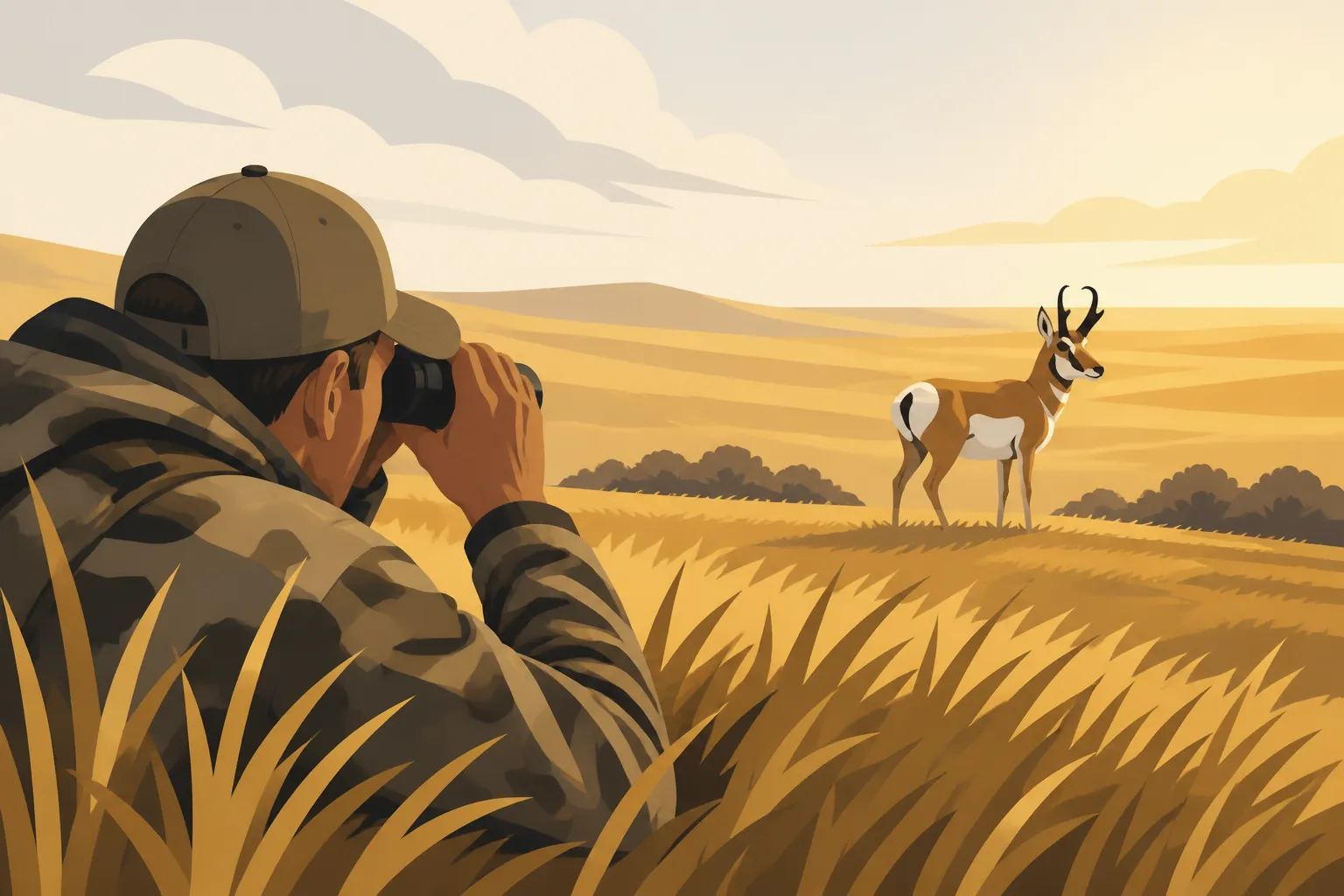
On the open prairie, your binoculars and spotting scope are arguably more important than your rifle during the initial stages of the hunt. Given the incredible eyesight of a pronghorn, you need optics that allow you to locate and evaluate animals from distances well beyond their comfort zone.
- Binoculars: A good pair of 10x or 12x binoculars is essential. They need to be clear, bright, and offer a wide field of view. Forget about cheap department store optics; invest in quality. You'll be spending hours behind these, scanning the horizon. Brands like Vortex, Leupold, and Maven offer excellent options at various price points. A chest harness for your binoculars is also critical to keep them secure, accessible, and prevent them from swinging and glinting in the sun as you move.
- Spotting Scope: A high-quality spotting scope (20-60x or similar magnification) mounted on a sturdy tripod is non-negotiable for serious antelope hunting. This allows you to differentiate a doe from a buck, and more importantly, to judge a buck's trophy potential from afar. You need to be able to clearly see horn length, mass, and the presence of cutters and prongs, which can be incredibly difficult with just binoculars, especially with heat shimmer. The ability to Judging a Pronghorn Buck in the Field from a mile away saves you countless wasted stalks on smaller bucks.
- Rangefinder: A reliable rangefinder is absolutely critical for prairie hunting. Distances can be incredibly deceptive in wide-open country. A buck that looks like it's 300 yards away might actually be 450, and missing that calculation by even 50 yards can mean a missed shot. Practice with your rangefinder, know its capabilities, and always carry fresh batteries.
Clothing and Footwear for Stealth and Comfort
The prairie elements can be brutal, and comfort is key for long days of glassing and walking. Stealth is also paramount, so your clothing needs to blend seamlessly with the environment.
- Layering for Variable Weather: South Dakota weather, especially in early archery or firearms season, can be notoriously unpredictable. A cool morning can quickly turn into a scorching afternoon, or a calm day can be interrupted by a sudden, fierce wind and even a rain shower. Layering for South Dakota Wind is not just a good idea, it's mandatory. Start with a moisture-wicking base layer, add an insulating mid-layer (fleece or puffy jacket), and top it with a windproof and waterproof outer shell. You'll be shedding and adding layers throughout the day.
- Camo Patterns: While "any" camo is better than bright colors, certain patterns excel on the prairie. Look for patterns with open, muted earth tones – tans, browns, light greens, and grays – that mimic the dry grasses and sagebrush. Avoid dense, dark forest patterns. The key is to break up your outline against the sparse backdrop. Even solid earth-toned clothing can be highly effective.
- Footwear: You will walk, a lot. And often over uneven, prickly terrain. Invest in comfortable, broken-in hunting boots that offer good ankle support and are durable. Waterproofing is a bonus for dew-soaked mornings or unexpected stream crossings. Leather or synthetic boots with good tread will serve you well. Avoid stiff, heavy mountaineering boots; you want something that allows for quiet movement.
Rifles, Ammunition, and Shooting Support
When you finally get within range, your rifle and your ability to shoot it effectively will be the deciding factor. Long shots are often the norm on the prairie, so accuracy and practice are key.
- Flat-Shooting Calibers: Pronghorn are not large animals, so heavy magnum cartridges aren't necessary. What you need is a rifle chambered in a cartridge known for its flat trajectory and accuracy at extended ranges. Think about cartridges like .25-06 Remington, .270 Winchester, 6.5 Creedmoor, 7mm-08 Remington, or .30-06 Springfield. A quality bullet designed for controlled expansion at various ranges is also important.
- Practice, Practice, Practice: Knowing your rifle and ammunition intimately is paramount. Practice shooting from various field positions, especially prone, which will be your most common shooting position on the prairie. Practice quickly getting into a stable prone position and making accurate shots out to 400-500 yards. The wind, which is almost always present in South Dakota, will be your biggest challenge. Practicing Prone Shots on the Prairie in windy conditions will pay dividends.
- Bipods, Shooting Sticks, Backpacks: Finding natural shooting rests on the prairie can be tough. A quality bipod attached to your rifle, or a pair of sturdy shooting sticks, will provide much-needed stability. Many hunters also use their backpack as a front rest, which is effective if you can get low enough. The goal is to maximize stability for what could be a long shot under pressure.
The Art of Glassing and Locating Pronghorn
Finding a pronghorn in the vastness of the prairie is often the hardest part of the hunt. This isn't like deer hunting where you might stumble upon them; with antelope, you're actively searching and meticulously scanning.
Strategic Perch Selection and Grid Glassing
You can't effectively spot antelope while driving around aimlessly. The most successful hunters find strategic vantage points and settle in for long periods of methodical glassing. This involves patience and discipline.
- Finding High Ground and Using Terrain: Look for the highest point in the area you want to glass—a prominent hill, a gentle rise, or even the top of a butte. The key is to get above the surrounding terrain to maximize your view. Just as importantly, use the back side of these rises for your approach to the glassing spot, keeping yourself hidden from anything that might be out in the open. You don't want to silhouette yourself on the skyline when getting into position. This is where Glassing South Dakota Breaks at First Light becomes invaluable. The low light of dawn can often reveal animals moving or feeding before they bed down for the day.
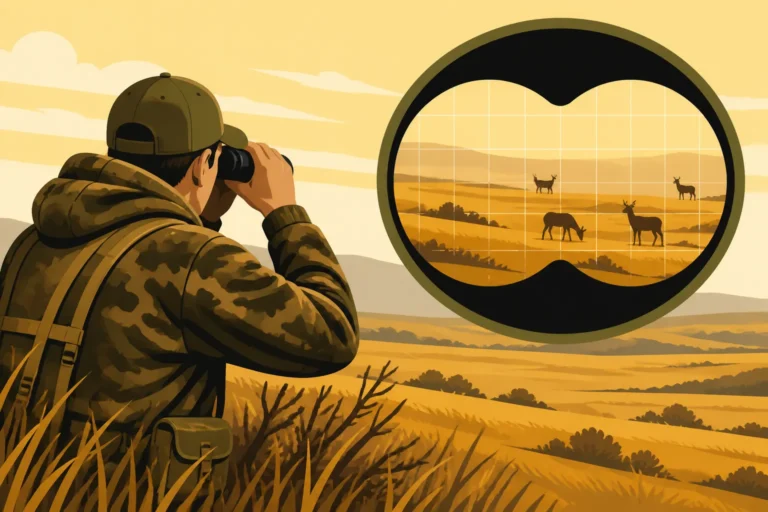
- Systematic Grid Glassing: Once you're in position, don't just randomly sweep your binoculars around. Adopt a systematic approach, like a grid pattern. Start at one end of your chosen area, slowly scan horizontally, then drop down slightly and scan back across, overlapping your previous pass. Pay particular attention to changes in color, texture, or anything that just "looks out of place." A white rump patch, the dark curve of a horn, or even just the shadow of an antelope can stand out in the monotonous grassland. Take breaks, let your eyes rest, and then resume. Antelope can materialize out of nowhere if you're patient enough.
- Patience is Paramount: This cannot be stressed enough. Many hunters rush the glassing process, wanting to cover ground quickly. But often, the buck you're looking for is bedded in plain sight, just waiting for you to move on. Sit, scan, re-scan, and then scan again. Give the animals time to move, stand up, or reveal themselves. It's not uncommon to spend an hour or more glassing a single basin before an animal finally moves.
Identifying Quality Bucks from a Distance
Once you've spotted antelope, the next challenge is to determine if there's a buck worth pursuing, and if so, how big he is. This is where your spotting scope comes into its own, especially with the notorious prairie heat mirage.
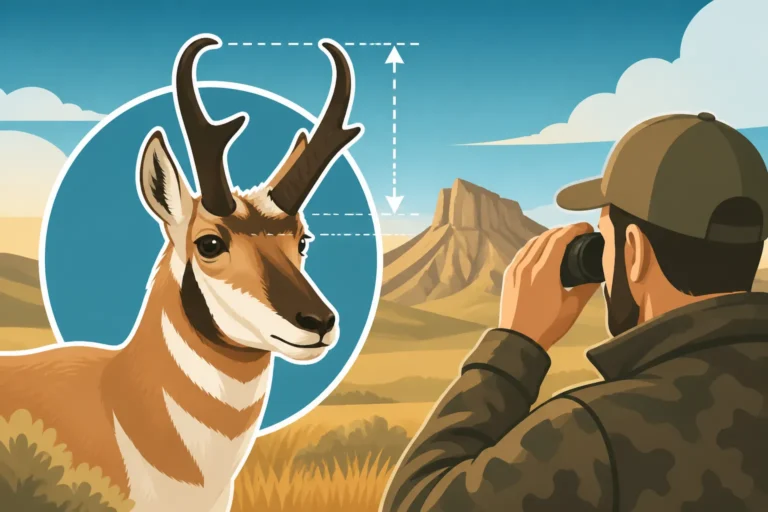
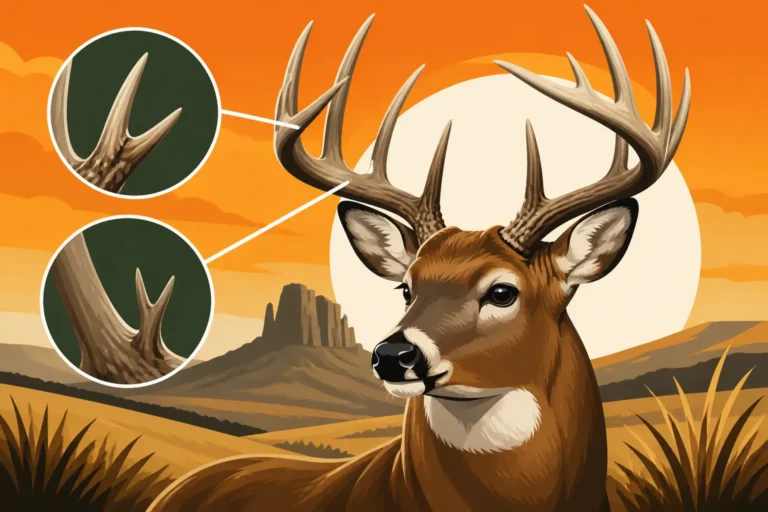
- Judging Horn Length, Mass, Prongs, and Cutters: A good buck will typically have horns that are longer than his ears. Look for good mass at the base that carries up, and a strong, well-defined prong or "cutter" that juts out from the main beam. The shape and length of these prongs are a major indicator of age and quality. Also, note if the tips of the horns curl back significantly. The overall impression should be of a substantial set of horns. You'll want to review resources on Judging a Pronghorn Buck in the Field before your hunt, looking at pictures and understanding what makes a "shooter" buck.
- Dealing with Mirage: The heat rising off the prairie creates a shimmer that can distort images, making judging a buck incredibly difficult, especially midday. Try to glass earlier or later in the day when the air is cooler. If mirage is severe, try reducing your spotting scope's magnification slightly, or wait for a brief lull in the heat waves to get a clearer picture. Sometimes, moving to a different vantage point can help, or waiting for the buck to stand up can offer a clearer view.
- Don't Settle Too Soon: If you're on a multi-day hunt and have the luxury, don't rush to stalk the first decent buck you see. There might be a bigger one just over the next ridge. Of course, if it's late in the hunt or you're happy with what you see, then commit!
Using Digital Tools for E-Scouting and Navigation
In today's hunting world, digital mapping applications have become indispensable, especially for vast, featureless terrain like the prairie. They are powerful tools for pre-season scouting and on-the-ground navigation.
- GoHunt for Mapping Layers and Public/Private Land: This is where services like GoHunt truly shine. With their robust mapping platform, you can spend hours e-scouting from the comfort of your home. You can overlay public land boundaries (Walk-In Areas, National Grasslands, State Trust Lands, etc.) directly onto satellite imagery. This allows you to identify access points, locate potential bedding and feeding areas, mark water sources, and find those crucial draws and terrain features that offer concealment. GoHunt also often provides valuable draw odds and harvest success data, helping you plan your application strategy for a South Dakota antelope tag.
- Pre-Season Scouting from Home: Before you even leave, use these tools to virtually scout dozens, if not hundreds, of square miles. Look for distinct changes in vegetation, subtle elevation changes (even a 5-foot rise can be a significant feature on the prairie), and pinch points where antelope might travel. Mark potential glassing points and plan theoretical stalk routes. This saves you countless hours of driving around aimlessly once you're in the field.
- GPS Functionality on Phones/Devices: Once you're in the field, use your phone or a dedicated GPS device with these same mapping apps. This allows you to navigate confidently, knowing exactly where public land ends and private land begins, where your vehicle is parked, and what features are ahead of you on a stalk. Always download offline maps before you go, as cell service can be spotty to non-existent in many parts of West River South Dakota.
Mastering the Stalk: Getting Within Range
This is where the rubber meets the road—or rather, your belly hits the dirt. The stalk itself is a chess match against one of nature's most vigilant creatures. It requires careful planning, incredible patience, and often a lot of crawling.
Reading the Terrain for Cover and Concealment
The prairie might look flat, but it’s rarely completely so. Your success hinges on your ability to read the subtle undulations and use every ounce of available cover.
- Utilizing Draws, Washes, and Fence Lines: These are your best friends. A draw, even a shallow one, can completely conceal your movement as you approach a distant buck. Washes and dry creek beds, often winding and irregular, provide excellent linear cover. Fence lines, with their slightly raised ground or occasional taller weeds, can also be used if the antelope are accustomed to them. This is where Using Draws to Hide a Stalk becomes a masterclass. You'll learn to walk the bottom of these depressions, staying out of sight, sometimes for miles.
- Understanding Contour Lines on a Map: Before you even start the stalk, pull out your map (digital or paper) and study the contour lines. A tight grouping of contours indicates a steeper drop or rise, offering more cover. Widely spaced contours mean flatter ground, which will require a much more cautious, low-crawling approach. Envision your route, marking potential points where you might need to peek over a rise or change direction. You want to make your entire approach behind cover, only exposing yourself for quick glances or when you're ready to make your final move.
- Making the Most of Minimal Cover: Sometimes, there simply isn't a deep draw. You might have to rely on a scattered clump of sagebrush, a small patch of taller grass, or even a few cows in a pasture to break up your outline. Antelope are generally not alarmed by cattle, so if you can use them as a "moving blind," it can sometimes work. However, always exercise extreme caution and maintain legal and ethical distances from livestock.
Playing the Wind and Sun
Like all hunting, wind direction is crucial. But on the prairie, where scent can travel for miles, it's absolutely non-negotiable. The sun's position also plays a role in your approach.
- Importance of Wind Direction: Antelope have a good sense of smell, and on the open prairie, a slight breeze can carry your scent directly to them. Always approach from downwind, or at least crosswind. Wind Direction on a Prairie Stalk is not just about avoiding alerting the animal; it's about making sure your scent isn't blowing into an area where other unseen antelope might be bedded or feeding. Check the wind constantly using a wind checker. If the wind shifts mid-stalk, you might have to backtrack and find a new approach or abandon the stalk altogether. Trying to push a stalk with a bad wind is almost always a guaranteed bust.
- Using the Sun to Your Advantage: Try to keep the sun at your back or to your side during a stalk. This will make it harder for the antelope to see you due to glare and put their eyes at a disadvantage. Conversely, avoid stalking directly into the sun, as you'll be silhouetted and they'll have a clear view of your approach. The best time to stalk is often in the morning or late afternoon when the sun is lower and casts longer shadows, offering more visual breaks.
The Pace and Patience of a Successful Approach
Once the stalk begins, every step, every movement, must be deliberate and measured. Rushing will almost always lead to failure.
- Slow, Deliberate Movements: Move slowly, using the terrain to your advantage. Keep your profile as low as possible. When you need to peer over a rise, do so slowly and cautiously, often by crawling or inching up on your belly, revealing only a small portion of your head and optics at first. Think like a predator, moving invisibly through the landscape.
- When to Crawl, When to Move Quickly: In deeper draws or behind tall rises, you can often walk upright or in a crouch. But as you get closer, especially in the final 200-300 yards, be prepared to crawl. A good set of knee pads can be a lifesaver. This slow, deliberate movement is what allows you to cover the last, most critical distance without being detected. There are times, however, when a quick burst of movement behind a solid piece of cover can be effective, but this is always a calculated risk.
- Dealing with Unexpected Obstacles or Other Animals: The prairie is full of surprises. You might encounter another small herd of antelope, a badger, or a curious cow that could give away your position. Be prepared to freeze instantly and wait for the animal to move on or lose interest. Sometimes, an unexpected obstacle like a deep gully or a thick patch of prickly pear cactus will force you to re-evaluate your route. Be flexible and adapt your plan as needed. While antelope are known to be wary, you might be surprised How Close You Can Stalk a Pronghorn with extreme care and patience.
The Shot Opportunity and Follow-Through
All that painstaking effort culminates in the moment of truth. Being prepared for the shot, executing it cleanly, and then following up diligently are critical to a successful harvest.
Preparing for the Shot from Unconventional Positions
Unlike deer hunting from a treestand, an antelope shot often comes from an improvised position on the ground, requiring quick setup and adaptability.
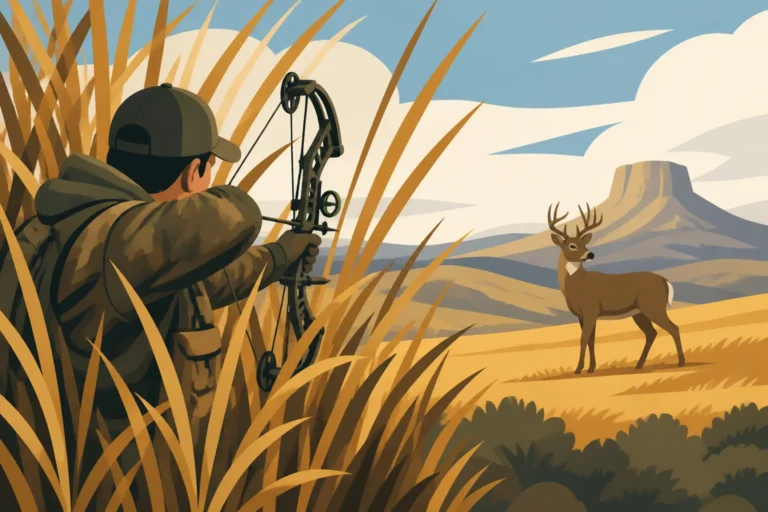
- Setting Up Quickly and Using Available Support: Once you've completed your stalk and estimate you're within shooting range (and often, it means getting well within your comfortable range, accounting for their ability to cover ground rapidly), you need to get into a stable shooting position fast. This most often means prone. Clear a spot, deploy your bipod, or get your backpack set up as a rest. If the terrain doesn't allow prone, you might need to use shooting sticks in a kneeling or even standing position, but these are less stable options on the open prairie. Every second counts, as pronghorn can bolt in an instant. This is why Practicing Prone Shots on the Prairie is so essential – you need to be able to get into position smoothly and quickly.
- Understanding Shot Angles: Pronghorn are relatively small animals, and their vitals present a smaller target than a deer. From a prone position, you might be shooting slightly upwards or downwards depending on the terrain. Understand how these angles affect bullet trajectory and impact. Most shots will be broadside or quartering away. Avoid head-on or steep quartering-to shots, as the vitals are harder to hit and penetration to vital organs can be challenging.
Shot Placement on a Pronghorn
Clean shot placement is vital for a quick, ethical kill and to prevent a difficult blood-trailing scenario.
- Anatomy and Aiming for Vitals: The primary target is the heart-lung area, located just behind the shoulder. This offers the largest and most forgiving target zone. Aim slightly low and forward of the shoulder. A shot through both lungs will typically anchor a pronghorn quickly. Their small body size means that even a slight deviation from a perfect shot can result in a gut shot or a limb hit, which is something you desperately want to avoid on the vast prairie. Familiarize yourself with diagrams of pronghorn anatomy. This is especially important for understanding Shot Placement on a Quartering Pronghorn, where the entry and exit points are key.
- Dealing with Their Speed and Small Body Size: Pronghorn can be surprisingly difficult to hit due to their compact size and nervous energy. Even when standing still, they might twitch or turn slightly. Take a deep breath, control your crosshairs, and squeeze the trigger smoothly. Don't rush the shot just because you're worried they'll run; make it count. If they start to move, don't try to track them with your rifle. Let them stop, then reset and take a steady shot. Remember, How Fast a Pronghorn Runs means that if you hit them marginally, they can cover a lot of ground in a short amount of time.
Following Up and Field Dressing on the Prairie
Once the shot breaks, the hunt isn't over. Immediate follow-up and proper field dressing are critical for recovery and meat quality.
- Immediate Follow-Up After the Shot: If the buck doesn't drop immediately, keep your eyes fixed on where it went. Watch for any stumble, a change in gait, or where it might have last been seen. If you're confident in your shot and the animal has gone down, reload your rifle and approach cautiously, ready for a follow-up shot if needed. If it runs off, mark the exact spot of the shot, and then the last place you saw it. Do not immediately rush to where the animal was standing, as this can confuse the starting point for a blood trail. Often, they won't run far, but the open nature of the prairie can make finding a downed animal difficult.
- Blood Trailing in Sparse Cover: Even a well-hit pronghorn can leave a surprisingly sparse blood trail, especially in the dry, short prairie grass. Following Up a Marginal Shot in Grass requires meticulous attention to detail. Take your time, look for disturbed earth, broken grass, or even just a single drop of blood. If the trail is sparse, expand your search in widening circles from the last confirmed sign. If you lose the trail, back out, take a break, and come back with fresh eyes, or enlist another hunter to help. Grid searching is often necessary.
- Getting Meat Cooled Quickly in Warm Weather: South Dakota antelope season often falls in warm conditions (September/October), which means getting the meat cooled quickly is paramount. Pronghorn meat can develop a "gamey" flavor if not handled properly and promptly. Once the animal is down, get to it, tag it, and begin field dressing immediately. Remove the entrails as quickly as possible to allow the carcass to begin cooling from the inside out. For detailed steps, consult a guide on Field Dressing an Antelope Fast. If you're far from your vehicle, be prepared to quarter the animal in the field and pack the meat out in game bags, especially if you have a long hike back. Carrying a cooler with ice in your vehicle is a great idea to get that precious meat cooling as soon as possible.
Common Challenges and Troubleshooting
Even with the best preparation, hunting the prairie for antelope will throw curveballs. Anticipating these challenges and having a plan to address them can make all the difference.
Dealing with "Antelope Fever" and Missed Opportunities
That adrenaline surge when you finally have a magnificent buck in your crosshairs is real, and it can wreak havoc on your composure. It's often called "buck fever" or, in this case, "antelope fever."
- The Psychological Aspect of the Hunt: The long stalks, the intense glassing, and the sheer effort of a prairie antelope hunt can make that final moment incredibly exciting, leading to shaking hands, a racing heart, and poor shooting. Recognize this feeling, take deep breaths, and consciously slow everything down. Focus on the fundamentals: sight picture, breath control, and trigger squeeze. If you feel too rushed or too shaky, back off the shot, compose yourself, and wait for the feeling to pass before re-engaging. A missed shot often stings more than no shot at all.
- Learning from Mistakes, Staying Persistent: Not every stalk will end in success. You'll make mistakes, get busted, or miss shots. It's part of the game, especially with an animal as keen as the pronghorn. Don't let a failed stalk or a missed shot derail your entire hunt. Analyze what went wrong, learn from it, and immediately start looking for the next opportunity. Persistence is a hunter's greatest asset on the prairie. Every time you get busted, you learn something new about reading the wind, using cover, or understanding their escape routes.
Other Hunters and Pressure on Public Land
South Dakota is a popular hunting destination, and public land can definitely see its share of pressure, especially during opening weekend.
- Dealing with Crowded Walk-In Areas or National Grasslands: It's a fact that if a piece of public land holds game, other hunters will find it. This can be frustrating, especially when you've put in a long stalk only to have another hunter drive up or walk through. The key is to manage expectations and adapt. Consult resources on Hunting Pressure Patterns on Walk-In Areas to understand typical hunter behavior. Often, hunters stick close to roads or only walk short distances.
- Finding Ground That Sees Fewer Hunters: To avoid crowds, you have to be willing to work harder. Look for Walk-In Areas or National Grasslands that require a longer walk from the road. The farther you get from vehicle access, the less competition you'll generally encounter. Also, consider hunting during weekdays if your schedule allows, as weekends are always busier. Using your mapping app to identify landlocked public parcels that require crossing private land (with permission, of course) or long, dedicated hikes can also put you in less pressured areas.
Weather Extremes and Unexpected Conditions
The South Dakota prairie can be a land of extremes, and the weather can change on a dime, impacting both your safety and your hunting strategy.
- Sudden Thunderstorms, High Winds, Scorching Sun: Be prepared for anything. A beautiful, calm morning can quickly give way to a scorching afternoon with temperatures in the 90s, followed by a sudden thunderstorm complete with lightning and heavy rain. High winds are almost a given at some point during your hunt. Always check the forecast, but pack for all contingencies. Bring plenty of water to stay hydrated in the heat. Sunscreen, a wide-brimmed hat, and good sunglasses are also crucial. If a lightning storm rolls in, seek shelter immediately; being the tallest object on the prairie is a dangerous position.
- Staying Safe and Prepared for Anything: This goes beyond just clothing. Let someone know where you're going and when you expect to be back. Carry a small first-aid kit, a headlamp, and emergency supplies. Cell service is unreliable in many West River areas, so don't count on it. A satellite communication device can be a lifesaver. Ensure your vehicle is in good working order and has a full tank of gas, as gas stations can be few and far between. Muddy roads after a rain can quickly turn a two-track into an impassable bog, so be aware of ground conditions, especially if you drive off main roads.
| Caliber | Typical Bullet Weight (gr) | Pros | Cons | Ideal Range (yds) |
|---|---|---|---|---|
| .25-06 Rem | 100-120 | Very flat trajectory, low recoil, excellent long-range potential | Less common than other calibers, limited bullet selection | 200-450 |
| 6.5 Creedmoor | 120-147 | Excellent accuracy, mild recoil, good ballistics, popular | Not as fast as some others, shorter barrel life in some cases | 200-500 |
| .270 Win | 130-150 | Flat trajectory, widely available, proven on medium game | More recoil than 6.5 CM or .25-06, can be harder to find premium ammo in some stores | 200-450 |
| 7mm-08 Rem | 120-150 | Moderate recoil, good ballistics, compact rifle options | Less energy than .270 Win at extended range, not as common as 6.5 CM | 200-400 |
| .30-06 Spr | 150-180 | Versatile, powerful, widely available, can handle heavier bullets | More recoil than lighter calibers, trajectory not as flat as dedicated speedsters | 200-400 |
| .22-250 Rem | 50-60 | Very high velocity, extremely flat trajectory | Small bullet, less forgiving on marginal hits, not legal in all states/units | 150-350 |
Disclaimer
Please note that hunting regulations, season dates, and license requirements can change. Always consult the official South Dakota Game, Fish and Parks (GFP) website and current hunting regulations handbook before planning any hunt. This guide is for informational purposes only and does not substitute for official regulations.