Tipping a South Dakota Guide
You’ve had an incredible hunt, your guide worked tirelessly, and now that final moment comes… the bill is paid, the gear is packed, and suddenly, you’re standing there with an envelope or a wad of cash, wondering: what's the right amount to tip a South Dakota guide? It’s a common moment of hesitation and an awkward spot to be in, whether you're a seasoned hunter or new to guided trips. This guide is here to help you navigate the etiquette and expectations around showing your appreciation, ensuring you leave your hunt feeling confident you've done right by the hardworking folks who made your experience memorable.
The Unspoken Etiquette: Why Tipping Your South Dakota Hunting Guide Matters
Let's be honest, talking about money, especially tips, can feel a bit uncomfortable. But in the world of guided hunting, especially here in South Dakota, tipping isn't just a bonus; it's a fundamental part of the guide's livelihood and a direct reflection of your satisfaction. These men and women, whether they're calling in a Black Hills elk or navigating the dense cattails for pheasants, pour their heart and soul into creating an exceptional experience for you.
Think about it: your guide likely started their day long before you woke up, scouting fields, checking dog boxes, loading gear, and preparing coffee. They're out there in all weather conditions, from crisp fall mornings to blustery winter days, always with a positive attitude and a focus on your safety and success. They share their deep knowledge of the land, the game, and the local nuances that only years of experience can provide. When you're Walking and Blocking South Dakota Cattail Sloughs, they're the ones ensuring the drive is safe and productive. When you're struggling to make a decision, they offer calm, informed advice, often based on split-second observations of game behavior. This isn't just a job for many; it's a passion, and their income often relies heavily on the gratuities they receive. Showing your appreciation through a tip is a way of acknowledging all that unseen effort, the expertise, and the long hours that go into making your hunt successful and enjoyable. It's a thank you that truly makes a difference.
The Role of Your Guide Beyond the Hunt Itself
It's easy to focus on the moments of action – the flush, the shot, the retrieve. But a guide's contributions extend far beyond putting you on game. Consider the months, even years, of preparation. They've likely spent countless hours Scouting South Dakota Public Ground Before the Season or developing relationships with landowners for private access. They understand the patterns of local wildlife, from Reading Prairie Coulees for Mule Deer to knowing Where Roosters Sit at Midday. This isn't just about pointing you in a direction; it's about a deep, intuitive understanding of the environment and the game species you're pursuing.
Beyond their expertise in the field, many guides also play a crucial role in the overall logistics and hospitality of your trip. They might be responsible for preparing delicious meals at the lodge, cleaning and packaging your game, maintaining vehicles, and caring for the hunting dogs – those tireless athletes who are often the unsung heroes of a pheasant hunt. For many outfitters, especially those working within a larger lodge system, a portion of the hunting fee covers overhead, but the guide's personal compensation often comes significantly from tips. This makes your gratuity an important component of their fair wage for a challenging and demanding job. It encourages them to continue providing that top-tier service that makes South Dakota a premier hunting destination.
Key Considerations for Deciding Your Guide's Tip
So, how do you decide what's appropriate? There’s no single, universally mandated amount, which is part of the confusion. However, there are established customs and several factors that should influence your decision. Rather than a rigid formula, think of it as a thoughtful assessment of the value and effort provided. Remember, a tip is a reflection of your satisfaction, not just the number of birds in the bag or antlers on the wall. While success is certainly part of the experience, a truly great guide makes the hunt enjoyable, safe, and educational even on slower days.
Here are some core elements to weigh when you're contemplating your guide's tip:
Guide's Effort and Attitude
This is arguably the most significant factor. Did your guide put in a full day, from sunup to sundown (or beyond)? Were they enthusiastic and positive, even when the weather was rough or the birds were tight-lipped? Did they go above and beyond what was expected? For instance, if you’re Hunting Pheasants Without a Dog, did your guide make extra effort to help you locate downed birds, or switch up tactics when one approach wasn't working? A guide who works tirelessly, maintains a great sense of humor, patiently instructs new hunters, and truly seems invested in your personal enjoyment deserves recognition for that effort.
Consider scenarios like:
- The Early Start/Late Finish: Did they have everything ready before you arrived, and stay to clean up long after you departed? This dedication shows commitment.
- Problem Solving: Did they calmly troubleshoot a broken shotgun, fix a flat tire on a field truck, or adapt quickly when a field proved unproductive?
- Enthusiasm: Even if the hunting was tough, did they keep spirits high, share stories, and make you feel welcome and valued?
- Instruction: For newer hunters, did they patiently explain Shot Placement on a Pronghorn or teach you how to Reading Prairie Coulees for Mule Deer?
Ultimately, a guide's effort and attitude speak volumes about their professionalism and passion. You can often glean insights into an outfitter's typical guide service quality by checking reviews on platforms like BookYourHunt or GoHunt, where past clients often share their experiences.
Quality of the Overall Experience
Beyond just the guide's direct actions, evaluate the quality of the entire hunting experience. Was the equipment (vehicles, blinds, dog training, etc.) well-maintained and appropriate for the hunt? Was the itinerary well-planned and executed? Did you feel safe and confident in your guide's hands? Did the dogs perform well, and were they well-cared for? If you were on a waterfowl hunt, for instance, were the Decoy Spreads on a Prairie Pothole effective and expertly arranged?
Even if the hunting wasn't "epic" in terms of limits, an exceptional overall experience can still warrant a generous tip. This includes things like:
- Safety First: Was safety always paramount, from gun handling on a bird drive to navigating tricky terrain?
- Comfort and Amenities: Were snacks, drinks, or a warm place to rest provided when needed? If it was a multi-day trip, were the accommodations clean and comfortable?
- Communication: Did the guide clearly communicate the plan for the day, manage expectations, and keep you informed?
- Conservation Ethic: Did they demonstrate a strong respect for wildlife and hunting regulations?
A seamless, enjoyable, and safe experience is a direct result of meticulous planning and execution by the guide and their outfitter.
Success of the Hunt
While often perceived as the primary metric, hunt success should be viewed as one factor among many. Of course, successfully harvesting game that you’ve come all this way for is thrilling and definitely influences satisfaction. If your guide skillfully put you on a beautiful buck after a challenging Stalking a Bedded Mule Deer Buck, or ensured your group reached its pheasant limit, that level of success often inspires a more substantial gratuity.
However, it's critical to understand that hunting is inherently unpredictable. Weather, animal behavior, and sheer luck all play a role. A guide can do everything perfectly – scout thoroughly, put you in the best possible position, make great calls – and the animals simply don't cooperate. In such cases, if the guide's effort and attitude were exemplary, and the overall experience was still high quality, a good tip is still very much deserved. It's about recognizing their control over the process, not just the outcome. No ethical guide "guarantees" success, so your tip shouldn't be solely contingent on it.
| Factor to Consider | Description of Influence | Example of Positive Impact on Tip |
|---|---|---|
| Guide's Effort | Demonstrated dedication, long hours, and persistence. | Guide walked miles in heavy cover, adapted tactics, and stayed positive despite slow action. |
| Positive Attitude | Enthusiastic, patient, and knowledgeable demeanor. | Guide was friendly, shared stories, and offered helpful advice without condescension. |
| Safety First | Prioritization of all hunters' and dogs' safety. | Guide constantly monitored gun handling and ensured safe shot angles during drives. |
| Local Knowledge | Expertise in game behavior, terrain, and weather patterns. | Guide knew exactly where birds would hold after a cold front or where a buck might bed. |
| Hospitality | Attention to comfort, provisions, and overall guest experience. | Guide provided hot coffee, comfortable blind setup, and helped with gear logistics. |
| Game Handling | Skill and care in field dressing, cleaning, and packing game. | Guide expertly quartered a deer in the field and properly cooled birds for transport. |
| Teamwork (Dogs) | Effective management and care of hunting dogs. | Dogs worked tirelessly, retrieved efficiently, and were clearly well-trained and cared for. |
| Problem Solving | Ability to adapt to unforeseen challenges or changes. | Guide quickly changed plans when initial spot was unproductive or handled a minor equipment issue. |
Beyond the Guide: Tipping Other Essential Lodge and Support Staff
While your guide is the most visible person making your hunt happen, many others work behind the scenes to ensure your South Dakota hunting adventure is smooth and enjoyable. Ignoring them would be a disservice, as they contribute significantly to the overall experience. This is especially true if you’re staying at a full-service lodge, where a team of dedicated individuals keeps everything running like clockwork.
When you're Booking a South Dakota Pheasant Hunt or a big game trip, it's wise to budget for these additional gratuities. These often include the lodge cook, housekeepers, bird cleaners, dog handlers, and sometimes even the shuttle drivers. Their hard work directly impacts your comfort and the logistical ease of your trip. Just like a restaurant, the front-of-house (your guide) often gets the direct tip, but the back-of-house (cooks, cleaners) are vital.
Lodge Staff and Cooks
If your hunt includes lodging and meals, the lodge staff and cooks are working hard to provide a comfortable "home away from home." They prepare hearty breakfasts before dawn, pack lunches for the field, and serve delicious dinners after a long day of hunting. They keep the common areas tidy and your rooms clean. Their efforts allow you to focus solely on hunting and relaxing.
It's common practice to leave a separate tip for these individuals, often in a communal tip jar or an envelope designated for "lodge staff" at the end of your stay. The amount can vary, but generally reflects the quality of the food, cleanliness of the lodge, and the friendliness of the service. Some outfitters, particularly those found on booking platforms, might clarify their tipping policies for staff, so always check What a South Dakota Hunt Price Includes or ask the outfitter directly when you're making your initial inquiries. This ensures everyone who contributed to your positive experience is recognized.
Dog Handlers and Bird Cleaners
On a pheasant hunt in South Dakota, the dogs are often the stars of the show, and their handlers are their dedicated partners. Even if your main guide also handles dogs, there might be additional dog handlers working with the group. These individuals spend countless hours training, exercising, and caring for these magnificent animals, which is an exhausting and expensive endeavor. Their skill ensures the dogs are in prime condition, well-behaved, and effective in the field, making retrieving those hard-to-find roosters possible.
Similarly, if your outfitter offers bird cleaning and packaging services, the folks who meticulously breast out or pluck your birds, then cool and pack them for travel, are providing an invaluable service. This saves you hours of messy work after an already tiring day. A separate tip for bird cleaners, often on a per-bird basis or a flat daily rate, is a common gesture of appreciation. These jobs are often paid hourly at a lower rate, making tips particularly important for these hard workers. When planning your budget for a trip that includes Cleaning Pheasants in the Field, remember to set aside funds for these services.
The Best Way to Present Your Appreciation
You've decided on an appropriate amount for your guide and the staff. Now, how do you actually give it to them without making it awkward or uncomfortable? The delivery can be just as important as the amount itself. The goal is to convey sincere gratitude, not to make anyone feel like they’re being paid off.
Cash is King and Discretion is Key
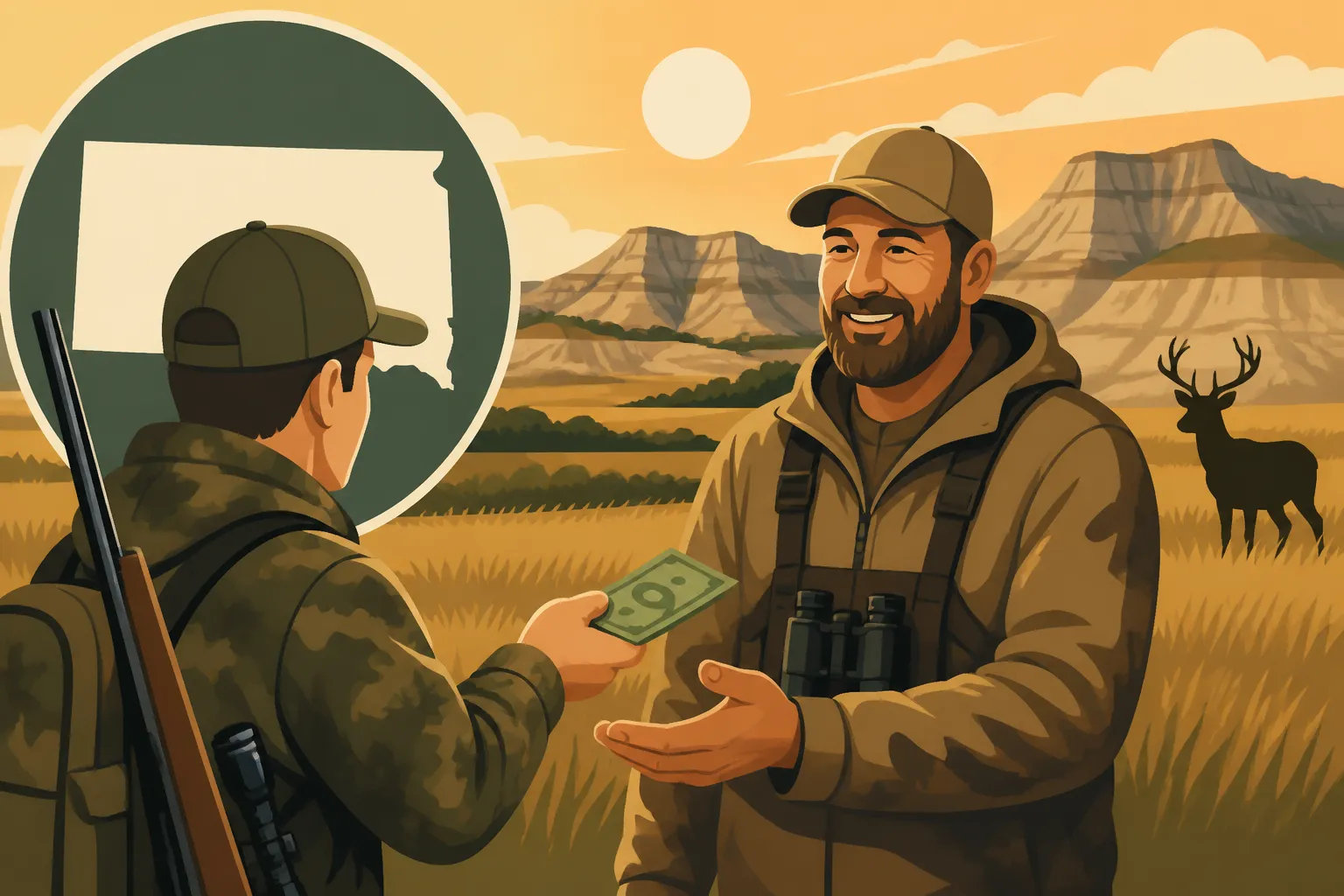
In almost every scenario, cash is the preferred method for tipping. It's immediate, doesn't incur processing fees, and allows the recipient to use it as they see fit. Avoid checks unless absolutely necessary, and never assume an outfitter can add a tip to a credit card charge – many simply can't, or it creates accounting headaches.
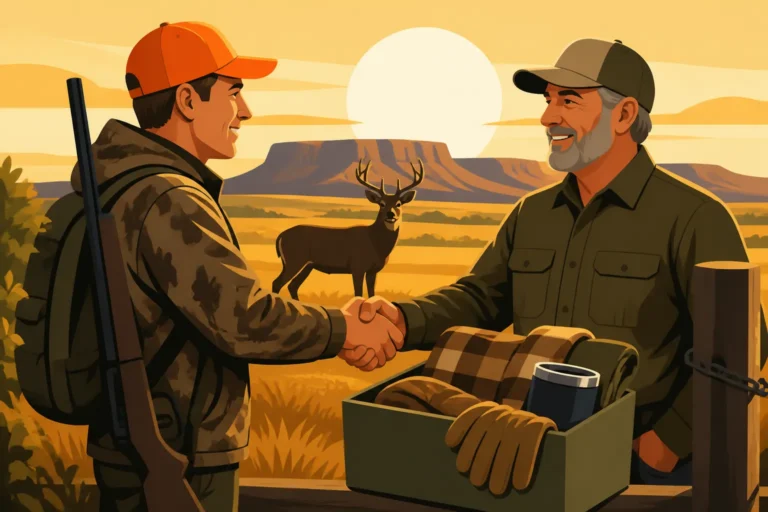
When it comes to delivery, discretion is key. The end of the hunt, after all the gear is loaded and goodbyes are being exchanged, is usually the most appropriate time. A private moment, away from the rest of the group if possible, is ideal. Place the cash in a sealed envelope and hand it directly to your guide, along with a sincere "Thank you for an incredible hunt, I really appreciate all your hard work." This makes it a personal gesture of gratitude rather than a public display. If you have multiple guides for your group, you can either tip each individually based on their direct interaction, or hand the total amount to the lead guide and ask them to distribute it fairly, though many prefer individual recognition. Don't hesitate to ask Questions to Ask a South Dakota Outfitter about their preferred tipping practices during your initial booking call; it's a completely normal inquiry.
When to Tip and What If Things Went Wrong?
The standard time to tip is at the very end of your hunting trip, just before you depart the lodge or leave the field on your last day. This allows you to evaluate the entire experience. It's a culmination of all the efforts your guide and the staff put in.
But what if things didn't go as planned? Maybe the hunting was truly terrible, or you felt the guide was unprofessional or didn't try their best. This is where it gets tricky. If the issues were genuinely performance-based (lack of effort, unsafe practices, poor attitude) and not just bad luck with the game, then you are not obligated to tip the customary amount, or even at all. A tip is earned, not given automatically. However, it’s important to distinguish between poor guiding and poor hunting conditions. If the guide tried their best under difficult circumstances (e.g., extreme weather, low game populations), they still deserve recognition for their effort. If you truly feel a guide was substandard, it's often more appropriate to address your concerns with the outfitter or lodge owner privately rather than simply withholding a tip, as this provides an opportunity for feedback and improvement. However, if the service was truly poor, reducing or withholding a tip is a valid, though difficult, response.
This discussion isn't just about money; it's about acknowledging the intricate network of people, expertise, and hard work that makes a South Dakota hunt legendary. By understanding the etiquette and considering the factors involved, you can confidently and gracefully express your appreciation.
Disclaimer
This article is for general informational purposes only and does not constitute professional advice. Laws, prices and regulations vary by location and change over time. Consult a qualified professional for guidance on your specific situation.