Do You Need a Small Game Licence on a Preserve?
The world of hunting licenses can feel like a labyrinth, especially when you start looking at specific scenarios like hunting on a private preserve. Many folks, particularly those traveling from out of state, wonder if the standard South Dakota small game license is what they need when they're booked for a pheasant hunt at a licensed preserve. It's a valid question, and the answer isn't always a simple yes or no. This guide will help clarify the specific licensing requirements for hunting on a shooting preserve in South Dakota, ensuring you're squared away before your trip.
Understanding South Dakota's Shooting Preserve System
South Dakota is legendary for its pheasant hunting, and a big part of that reputation comes from both its incredible wild bird populations and the thriving network of private shooting preserves. These preserves offer a fantastic opportunity for hunters, especially those looking for a more controlled environment, higher bird numbers, or a hunt outside the traditional wild bird season. However, understanding their unique regulatory framework is key to knowing what licenses you need.
The Regulatory Framework for Preserves
Hunting preserves in South Dakota operate under a different set of rules than public lands or even general private lands where you might hunt wild birds. These preserves are essentially private lands licensed by the state to propagate and release pen-raised game birds for hunting purposes. Because these birds are raised and released specifically for hunting, the state provides some flexibility in season dates and bag limits compared to wild pheasant regulations. The whole idea is to allow for extended hunting opportunities and a more predictable experience, which is often appealing to hunters who are traveling long distances or introducing new hunters to the sport. South Dakota Private Shooting Preserves delves deeper into how these operations are managed.
This distinction in how the birds are managed and hunted is what directly impacts the licensing requirements. You're not just walking onto any piece of private land; you're entering a regulated business designed to provide a specific type of hunting experience. This specialized environment calls for a specialized approach to licensing, rather than simply applying the general rules for wild game.
Distinguishing Wild Birds from Preserve Birds
It's crucial to understand that the licenses differentiate between wild, free-ranging game birds and those that are pen-raised and released on a licensed preserve. When you're hunting pheasants on a preserve, you are primarily targeting birds that have been raised in captivity and released specifically for your hunt. These birds are a controlled resource, and the state's licensing system reflects that.
Think of it this way: the state wants to manage its wild bird populations carefully, so general small game licenses are tied to strict seasons and bag limits for those wild birds. Preserve birds, being a private resource, are managed differently. If a preserve advertises "guaranteed birds" or a season that extends well beyond the regular pheasant season, you can be almost certain you'll be hunting pen-raised birds. This distinction directly influences the type of license you'll be required to purchase.
The South Dakota Small Game License: What It Covers
Before we dive into preserves, let's establish what the standard South Dakota small game license is all about. This is the bread and butter for most hunters coming to South Dakota for birds, whether they're after pheasants, grouse, or partridge.
Standard Small Game Hunting Requirements
For anyone planning to hunt wild small game birds or animals in South Dakota on public land, or on private land with permission, the general nonresident small game license is almost always your starting point. This license permits you to hunt a variety of small game, including pheasants, grouse, quail, partridge, rabbits, and squirrels, within the established seasons and bag limits. It's the key that unlocks access to countless acres of CRP fields, shelterbelts, and sloughs across the state. Without it, you can't legally pursue wild pheasants, for example, regardless of whether you're on a friend's farm or a Walk-In Area.
This standard license is intended for the pursuit of true wild game. The cost and duration of this license are structured around the traditional hunting seasons, and it's what you'd typically apply for if you were planning a classic South Dakota pheasant hunt focused purely on wild birds. Many hunters use platforms like BookYourHunt or GoHunt to research potential areas for these traditional hunts, often focusing on zones known for high wild bird numbers. South Dakota Nonresident Licence Costs covers the general expenses associated with these traditional licenses.
Habitat Stamps and Other Necessities
Beyond the primary small game license, there are other requirements that often go hand-in-hand with it for those pursuing wild game. Most notably, a South Dakota Habitat Stamp is required for nearly all resident and nonresident hunters aged 18 or older who are hunting small game. This stamp contributes directly to the habitat restoration and conservation efforts that benefit all wildlife in the state. You might also need to register with the Harvest Information Program (HIP) if you're hunting migratory birds like ducks and geese, though this isn't typically tied to pheasants.
It's important to remember that these additional requirements, like the habitat stamp, are usually bundled with the general small game license and apply broadly to hunting wild game. When you're looking at a preserve hunt, the question then becomes: do these standard requirements still apply, or does the specialized nature of the preserve environment exempt you from some or all of them?
Licensing on a South Dakota Preserve: The Specifics
Alright, let's get down to brass tacks. When you're hunting on a South Dakota shooting preserve, the rules shift a bit from standard wild bird hunting. This is where many hunters get confused, and understandably so. The good news is, there's a specific license designed just for this scenario.
The Nonresident Shooting Preserve License
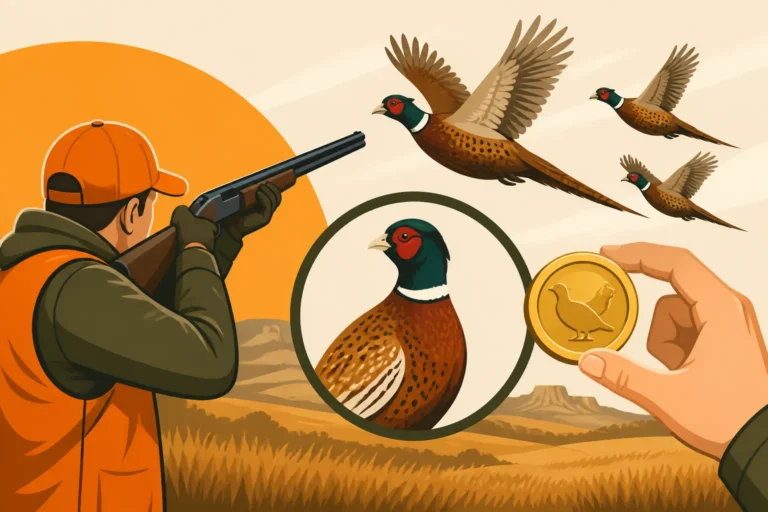
For nonresident hunters specifically targeting pen-raised birds on a licensed South Dakota shooting preserve, you generally do not need the standard nonresident small game license. Instead, South Dakota offers a specific Nonresident Shooting Preserve License. This license is tailored for the preserve environment and typically covers you for the unique season lengths and bag limits that preserves are allowed. It's a game-changer for many, allowing them to participate in hunts that might otherwise be outside the regular wild bird season or without the need for a full, pricier general small game license if their hunt is solely confined to the preserve.
The key here is "licensed shooting preserve" and "pen-raised birds." If your outfitter is operating as a legitimate preserve, this is likely the license you'll be told to purchase. It simplifies things, focusing purely on the controlled environment of the preserve. Many reputable outfitters, found through services like BookYourHunt, will clearly outline this specific license requirement as part of their package details. They understand the nuances and will guide you to ensure you're legally hunting their property.
When a Standard Small Game License is Still Needed
Now, here's where the nuance comes in, and it's super important to pay attention. While the Nonresident Shooting Preserve License covers you for released birds on the preserve, there are situations where you might still need a standard South Dakota small game license:
- Hunting Wild Birds: If your preserve hunt package includes opportunities to hunt wild birds outside the preserve's designated boundaries, or if the preserve itself has significant wild bird habitat and explicitly offers hunting for them in addition to released birds, you'll need the general small game license. For instance, if you finish your preserve hunt early and your outfitter offers to take you to a nearby Walk-In Area for some wild roosters, you'd need the regular license for that.
- Extended Trips Beyond the Preserve: If you're planning a trip that combines a preserve hunt with several days of hunting wild birds on public lands or other private lands across the state, then you'll absolutely need the standard nonresident small game license to cover those wild bird days. The preserve license only covers the preserve.
- Landowner-Specific Arrangements: In some cases, a landowner might not be a "licensed shooting preserve" but still offers hunting for a fee. If they are not operating under a preserve license, then you are hunting wild birds on private land, and the general small game license would be required. Always verify the outfitter's license status.
- Habitat Stamp: Even with a Nonresident Shooting Preserve License, it's generally a good idea to confirm if a South Dakota Habitat Stamp is still required. Regulations can change, but traditionally, most small game hunting activities require this stamp. Always check the current South Dakota Game, Fish and Parks (GFP) regulations or consult directly with your outfitter.
It really boils down to what you're hunting and where. If it's only released birds on a licensed preserve, the specific preserve license is usually enough. If there's any chance of pursuing truly wild game, you'll want the general small game license to be safe. Reputable outfitters should make this very clear, but it's always wise for you to ask directly. Licences Needed on a South Dakota Preserve offers further clarification on this.
Practical Considerations for Booking Your Preserve Hunt
Navigating the world of hunting preserves and their associated licenses can feel a little bit like deciphering a riddle. But with a bit of proactive questioning and understanding, you can ensure your hunt goes off without a hitch. The key is communication and due diligence.
Asking the Right Questions Before You Book
Before you commit to a preserve hunt, make it a point to ask very specific questions about licensing. Don't assume anything. A good outfitter will appreciate your thoroughness and provide clear answers. Here’s what you should be asking:
- "What exact South Dakota hunting licenses do I need for this specific hunt package?"
- "Are we exclusively hunting pen-raised birds on your licensed preserve, or are there opportunities for wild birds as part of the package?"
- "If we hunt wild birds, will I need an additional license, such as the standard nonresident small game license?"
- "Is a South Dakota Habitat Stamp required for this preserve hunt?"
These questions cut directly to the heart of the matter. If the outfitter is vague or tries to skirt the issue, that's a potential red flag. A transparent outfitter will have all the details readily available, especially concerning licensing, which is a fundamental part of legal hunting. Utilizing resources like GoHunt or BookYourHunt to find and vet outfitters can often lead you to those who are already accustomed to answering these detailed questions from discerning hunters. Questions to Ask a South Dakota Outfitter provides even more great advice on preparing for your trip.
Reviewing Your Outfitter's Package Details
Most quality outfitters will provide detailed information about what's included in their hunt packages, and that should extend to licensing. When you receive a booking confirmation or a contract, carefully review the fine print. Look for sections that explicitly mention license requirements, harvest reporting, and any other state regulations that might apply. If it's not explicitly stated, follow up with the questions we just discussed.
A good package description should clarify whether it's a "preserve-only" hunt or if it includes access to wild bird areas. It might also specify whether the outfitter assists with license purchases or if you are solely responsible for acquiring them. Transparency here is paramount. Understanding these details upfront prevents any unwelcome surprises or legal issues once you're in the field, allowing you to focus on the exciting prospect of your hunt. Make sure you also understand any Deposit Amounts on a South Dakota Booking and what happens in various scenarios.
Here's a quick reference table to help clarify the main differences:
| Feature | Standard South Dakota Small Game License | South Dakota Nonresident Shooting Preserve License |
|---|---|---|
| Purpose | Hunt wild small game (pheasants, grouse, etc.) | Hunt pen-raised birds on licensed preserves |
| Season Dates | Governed by strict statewide seasons | Extended seasons set by preserve regulations |
| Bag Limits | Strict daily and possession limits for wild birds | Often higher or "guaranteed" limits for released birds |
| Hunting Location | Public lands (WIA, GPA, National Grasslands, etc.) and private land with permission | Specific, licensed private shooting preserve land |
| Required Habitat Stamp | Generally required for hunters 18+ | Often still required, confirm with outfitter or GFP |
| Target Species | Wild pheasants, grouse, partridge, etc. | Primarily released pheasants, chukar, quail |
Ultimately, the best advice is always to consult the current South Dakota Game, Fish and Parks (GFP) regulations directly or speak with your chosen outfitter. They are the authoritative sources for the most up-to-date and specific information.
Disclaimer
This article is for general informational purposes only and does not constitute professional advice. Laws, prices and regulations vary by location and change over time. Consult a qualified professional for guidance on your specific situation.