Cost of a Guided South Dakota Pheasant Hunt
Hunting pheasants in South Dakota is a dream for many, but when you start looking into guided trips, the price tags can feel like a punch to the gut. It's tough to figure out what's a fair deal, what's included, and what hidden costs might pop up, leaving you wondering if it's even feasible. This comprehensive guide is here to demystify the financial side of a guided South Dakota pheasant hunt, helping you understand the variables that determine the cost and what you should expect for your hard-earned money.
Unpacking the Standard Guided Pheasant Hunt Package
When you first glance at prices for guided pheasant hunts in South Dakota, they can seem pretty high, and it's easy to wonder what exactly you're paying for. Most reputable outfitters and lodges aim to provide an all-encompassing experience, but the devil is always in the details of what "all-inclusive" truly means. It's more than just hunting; it's about the entire experience from the moment you arrive until you depart.
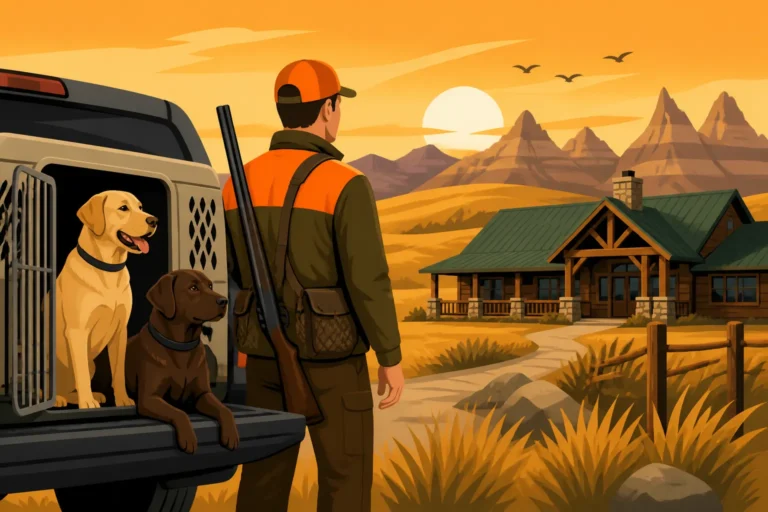
Typically, a standard guided pheasant hunt package will include your accommodations, which can range from rustic bunkhouses to luxurious lodges with all the modern amenities. Expect comfortable beds, and often, private or semi-private rooms, depending on the lodge and your group size. Along with a place to lay your head, most packages will cover your meals. We're talking hearty, home-cooked breakfasts to fuel your morning hunt, delicious field lunches to keep you going, and often gourmet dinners where you can unwind and share stories from the day. Some lodges might even offer appetizers and drinks in the evening as part of the deal.
Beyond the creature comforts, the core of the package revolves around the hunt itself. This means you'll have experienced guides leading your group through prime pheasant habitat, whether it's vast CRP fields, dense cattail sloughs, or corn stubble. These guides bring invaluable local knowledge, knowing where the birds like to hold and how to work the cover effectively. Crucially, they also provide well-trained hunting dogs—pointers, flushers, or a mix—which are absolutely essential for a successful pheasant hunt. Without good dogs, finding and retrieving those wily roosters would be nearly impossible. After the hunt, many lodges also offer bird cleaning and packaging services, so your birds are ready for transport home, often vacuum-sealed and frozen. It’s a huge convenience after a long day in the field, saving you the messy work.
What's Usually Not Included in the Base Price
While many guided hunts are marketed as "all-inclusive," it's vital to understand what common expenses are almost always not covered in the advertised price. Overlooking these can lead to some serious sticker shock when it's time to settle up. The total cost of your trip often extends well beyond the initial package price, and budgeting for these extras beforehand is key to avoiding an unpleasant surprise.
The most significant exclusion is almost always your hunting license and any required stamps. As a nonresident, you'll need a South Dakota Nonresident Licence Costs for small game, which allows you to hunt pheasants. Depending on the specifics, you might also need a Habitat Stamp. These are state fees that go directly to wildlife management and habitat programs, and outfitters simply can't include them in their pricing structure. You'll typically be responsible for purchasing these yourself, either online before your trip or upon arrival in South Dakota. Don't forget to check deadlines; some licenses need to be purchased well in advance.
Ammunition is another item you'll need to account for. While lodges might have shells available for purchase, they generally aren't part of the base package. It’s a good idea to bring your preferred loads, especially if you have a specific gauge or shot size you like. Transportation to and from the lodge, whether it's airfare, gas for driving, or shuttles from a regional airport like Sioux Falls or Rapid City, is also your responsibility. If you're flying in, remember the rules for Flying With a Shotgun to South Dakota. Personal items like clothing, gear, and any alcoholic beverages beyond what a lodge might sparingly provide are also on you. Many hunters enjoy a cold beer after a long day, but don't expect it to be free-flowing unless specified.
Finally, and this is a big one, gratuities for your guides and lodge staff are almost never included. Tipping is a customary part of the guided hunting experience, acknowledging the hard work, expertise, and hospitality provided. We'll delve deeper into that later, but it's crucial to factor this into your overall budget from the start.
Factors That Heavily Influence the Overall Cost
The range in pricing for guided pheasant hunts in South Dakota can be vast, from what seems like a budget-friendly option to a truly luxurious, high-end experience. Several key factors contribute to these price differences, and understanding them will help you align your expectations with your budget. It’s not just about the number of birds; it’s about the entire operational cost and value proposition a lodge offers.
Lodge Amenities and Level of Luxury
This is perhaps the most obvious factor. A no-frills lodge that offers basic lodging and meals will naturally cost less than a five-star operation boasting private suites, gourmet chefs, a full bar, and amenities like hot tubs or spa services. Think about what you truly value: Is it just about the hunting, or do you want a pampered retreat after a challenging day in the field? Some lodges are truly opulent, providing an experience akin to a high-end resort with hunting as the main attraction. Others offer a more communal, rustic feel where the focus is squarely on the camaraderie and the hunt itself. The quality of What a South Dakota Pheasant Lodge Provides directly impacts the price.
Hunt Duration and Timing
The length of your hunt directly impacts the cost; a single-day hunt will be significantly less than a three-day or five-day package. Most hunters opt for multi-day experiences to truly immerse themselves. When considering Multi-Day Packages at South Dakota Lodges, remember that more days mean more opportunities for birds and more time to enjoy the lodge experience.
The timing of your hunt within the season also plays a huge role. The pheasant opener in South Dakota is legendary, drawing massive crowds and premium pricing. If you're looking to book during the Booking a South Dakota Opener Weekend, expect to pay top dollar and book way in advance, sometimes a year or more out. As the season progresses into late November and December, prices often drop. Late-Season Hunts and Lower Rates can be an excellent option for budget-conscious hunters, and the hunting itself can be fantastic as birds concentrate in heavy cover.
Wild Birds Versus Preserve Hunts
Another critical distinction influencing cost is whether you're hunting wild birds exclusively or participating in a preserve hunt. South Dakota is renowned for its wild pheasant populations, and hunting truly wild birds on vast tracts of land is generally more expensive. These hunts rely entirely on natural bird populations, weather, and habitat conditions.
Shooting preserves, on the other hand, release captive-raised birds to supplement or provide hunting opportunities. While still a lot of fun, these hunts can sometimes be more affordable, especially if a lodge offers a "per bird" pricing model after a certain number. Some operations combine both, offering wild bird hunts with the option to add a preserve hunt for additional birds if desired. It's important to clarify which type of hunting you're paying for.
| Cost Factor | Impact on Price (General) | Notes |
|---|---|---|
| Lodge Luxury | Low to Very High | Basic lodging vs. private suites, gourmet meals, extra amenities |
| Hunt Duration | Scales with days | 1-day vs. 3-day vs. 5-day packages |
| Season Timing | High during opener | Opener and prime weeks command higher prices; late season can be lower |
| Wild vs. Preserve Birds | Wild often higher | Preserve hunts may offer "guaranteed" birds, sometimes lower base rate + per-bird |
| Guide/Dog Ratio | Better ratios = higher | More guides and dogs per hunter often means a more personalized experience |
| Group Size | Smaller groups = higher | Smaller, more private groups can cost more per person |
| Included Services | More inclusions = higher | Bird cleaning, ammo, alcohol, transportation, etc., add to base price |
Understanding Deposit, Payment, and Cancellation Policies
Booking a guided hunt is a significant investment, and the financial commitment usually starts long before you ever step foot in South Dakota. Outfitters have specific policies regarding deposits, payment schedules, and cancellations that you absolutely must understand before signing on the dotted line. This protects both you and the outfitter from unexpected issues.
Deposit Requirements and Payment Schedules
Almost every guided hunt will require a non-refundable deposit to secure your booking. This deposit typically ranges from a third to half of the total hunt cost. Outfitters use these deposits to cover initial planning, secure guides and dogs, and reserve specific dates that other groups might want. It's their way of ensuring your commitment. When looking at options, whether through a service like BookYourHunt or directly with a lodge, always confirm the exact deposit amount and when it's due.
The remaining balance is usually due sometime before the hunt, often 30, 60, or even 90 days out. Some lodges might ask for the final payment upon arrival, but it's less common for multi-day trips. Always clarify the payment schedule and preferred payment methods. Do they accept credit cards, or is a check or wire transfer required? Getting this information upfront prevents any awkward situations or last-minute scrambling. A thorough What a South Dakota Contract Should Say will outline these terms clearly.
Cancellation and Rescheduling Terms
Life happens, and sometimes, despite your best intentions, you might need to cancel or reschedule your hunt. This is where cancellation policies come into play, and they can vary significantly. Most deposits are non-refundable, meaning if you cancel, you lose that money. Some outfitters might offer to roll your deposit over to a future date if you cancel far enough in advance, especially if they can rebook your original dates. However, this is at their discretion and often depends on how close to the hunt date you cancel.
It's crucial to read the fine print on cancellation clauses. What happens if they have to cancel due to unforeseen circumstances, like a severe weather event or a sudden change in regulations? While rare, understanding the contingency plan is important. Many hunters find peace of mind by investing in Hunt Insurance Worth Buying. This specialized insurance can cover non-refundable trip costs in case you have to cancel for covered reasons like illness, injury, or other emergencies. It's a small price to pay for protecting a substantial investment.
Gratuities and Other Potential "Hidden" Costs
Beyond the base price and licenses, there are other financial considerations that often go unmentioned in initial quotes but are very much a part of the overall cost of a guided South Dakota pheasant hunt. Being prepared for these "hidden" or supplementary expenses will help you budget more accurately and ensure a smoother, more enjoyable trip.
Tipping Your Guides and Lodge Staff
Tipping is a long-standing tradition in the hunting industry, and it's a way to show appreciation for the hard work, expertise, and hospitality provided by your guides, dog handlers, and lodge staff. It's not optional; it's an expected part of the experience. How much to tip can be a bit of a mystery, but generally, guides receive the largest portion, reflecting their direct impact on your hunting success and safety.
A common guideline for guides is 10-20% of the total hunt cost, divided by the number of guides. For lodge staff (cooks, housekeepers, bird cleaners), a pooled tip or individual tips ranging from a set amount per person per day to a smaller percentage of the total trip cost is typical. For detailed advice, you might want to read up on Tipping Guides and Dog Handlers in South Dakota. Remember, these folks often work incredibly long hours, starting before dawn and finishing long after sunset, ensuring your experience is top-notch. Their income often heavily relies on these gratuities.
Equipment, Gear, and Personal Expenses
While you might already own a shotgun, shells, and hunting clothing, consider if you need any upgrades or specific items for a South Dakota hunt. Quality waterproof boots are essential for walking through dew-soaked grass or potentially muddy fields. Layering is key for South Dakota's unpredictable weather. You might also want to bring a good cooler for transporting your processed birds home. Some lodges might have loaner gear, but it's best to confirm in advance.
Don't forget personal expenses like souvenirs, snacks, or any special beverages you prefer. If you're bringing your own dog, there might be associated costs like extra food, vet care preparation, or even a kennel fee at some lodges. Speaking of dogs, if you are considering Bringing Your Own Dog to a Lodge, make sure to inquire about their specific policies and any additional charges.
Processing and Shipping Your Harvest
Most lodges offer Bird Cleaning Included in the Price of your hunt. They'll clean, vacuum-seal, and often freeze your birds for you. However, getting those birds home is another matter. If you're driving, a good quality cooler with plenty of ice or dry ice is crucial. If you're flying, you'll need to adhere to airline regulations for transporting frozen game meat, which often involves specific cooler types and dry ice limits. While the lodge staff might help prepare your birds for travel, the actual shipping costs or extra baggage fees are usually yours. It's always a good idea to chat with the lodge beforehand about logistics for getting your birds back, especially if you have a long journey ahead.
Choosing the Right Hunt for Your Budget and Expectations
Navigating the costs of a guided South Dakota pheasant hunt can feel like a maze, but armed with this knowledge, you're much better equipped to make an informed decision. Remember that the "cost" isn't just a number; it's a reflection of the services, amenities, and overall experience you're investing in.
When you're comparing options, don't just look at the bottom-line price. Dig into what's included and what's not. Ask direct questions about hidden fees, tipping expectations, and their cancellation policies. Many outfitters list their packages and services on platforms like BookYourHunt, which can be a great starting point for comparison shopping and reading reviews. Similarly, resources like GoHunt can offer insights into different regions and the types of outfitters operating there, helping you narrow down your search based on your preferences.
Ultimately, the "right" cost is subjective. For some, a premium, all-inclusive luxury lodge is worth every penny for the seamless, pampered experience it offers. For others, a more moderately priced hunt that focuses primarily on the fantastic pheasant hunting, with fewer frills, is the perfect fit. What matters most is that you find a hunt that aligns with your budget, meets your expectations, and provides you with those unforgettable memories of chasing wild South Dakota roosters. Take your time, do your research, and don't be afraid to ask plenty of questions from the various outfitters you consider. You'll thank yourself later when you're out in the fields, enjoying the hunt without any financial surprises looming over you. Consider also looking into Getting to South Dakota Hunting Country to factor in travel expenses, and definitely read Reviewing a South Dakota Outfitter before making your final choice.
Disclaimer
This article is for general informational purposes only and does not constitute professional advice. Laws, prices and regulations vary by location and change over time. Consult a qualified professional for guidance on your specific situation.