Game Processing After a South Dakota Hunt
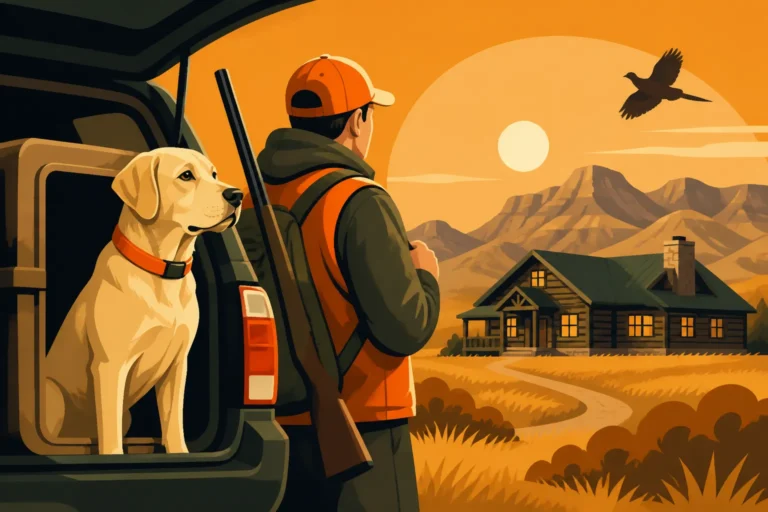
You've just wrapped up a fantastic hunt in South Dakota, the adrenaline is still coursing, and you're already dreaming of those hard-earned meals. But then reality sets in: what exactly do you do with that magnificent pheasant, mule deer, or pronghorn now? For many hunters, especially those traveling from out of state, navigating the steps of game processing and getting your prize home is a major source of stress. This guide is here to walk you through every critical decision and action, from field to freezer, ensuring your South Dakota hunting success culminates in delicious, properly handled game.
The Immediate Aftermath: Field Dressing Your Game
The moments immediately following a successful harvest are crucial for the quality of your meat. This isn't just about respecting the animal; it's about making sure your hard work doesn't go to waste. Field dressing properly and promptly is the first, most important step in preserving your game.
Why Speed Matters: Cooling the Carcass
South Dakota weather, especially during the early pheasant opener in October or an archery deer hunt, can be surprisingly warm. Heat is the enemy of fresh meat. Bacteria multiply rapidly at warmer temperatures, leading to spoilage and a distinct "gamey" flavor that no one wants. The goal of field dressing is to remove the internal organs, which retain a tremendous amount of body heat, as quickly as possible. This allows the carcass to cool down rapidly, dramatically slowing bacterial growth and improving meat quality. Think of it like taking a hot meal out of the oven—you don't leave it on the counter to cool; you get it into the fridge. Your animal is no different, and the faster you can get that heat out, the better your final product will be.
Even on a crisp November day, internal body heat can keep the core of a large animal warm for hours. This is why you often see hunters hanging deer in cool weather. While hanging is a great secondary step, field dressing is the immediate critical action to get the cooling process started right there in the field. Don't delay, don't admire the animal for too long, get to work.
Essential Field Dressing Tools
You don't need a portable butcher shop, but a few key tools will make the job much easier and cleaner. Being prepared saves time and frustration. A sharp knife is non-negotiable; bring a fixed-blade knife with a sturdy handle and keep it razor-sharp. A dull knife is actually more dangerous and makes the task tedious. Many hunters also carry a bone saw or a folding saw, especially for deer or antelope, to quickly cut through the pelvis or sternum if needed, though for basic gutting, a knife is often sufficient. Some modern knives even come with gut hooks, which can be useful for opening the body cavity without puncturing the intestines.
Gloves are another often-overlooked necessity. Latex or nitrile gloves protect you from potential pathogens and make cleanup much easier. Carry several pairs, as they can tear. A small roll of paper towels or a rag can be invaluable for wiping your hands and knife. Finally, a few large game bags are critical. After field dressing, these breathable bags protect the meat from flies, dirt, and debris while allowing air to circulate, aiding in cooling. Don't use plastic bags; they trap heat and moisture, which is exactly what you want to avoid. A small flashlight or headlamp is also a lifesaver if daylight starts to fade.
Step-by-Step for Deer and Antelope
Field dressing big game like deer and antelope follows a similar, straightforward process. First, ensure the animal is completely expired before you approach. Roll the animal onto its back, if possible, or on its side with the downhill side slightly elevated to help with drainage. Make a shallow incision from the breastbone down to the pelvis, being careful only to cut through the skin and abdominal muscle, not to puncture the intestines. You can use two fingers to guide the knife blade, keeping the blade pointed up.
Once the cavity is open, locate the diaphragm, which separates the chest cavity from the abdominal cavity. Cut around the diaphragm, detaching it from the ribs. Reach into the chest cavity and sever the esophagus and trachea as high up as you can. Then, working from the front, begin pulling the organs out, cutting any membranes or attachments as you go. For deer, you might need to split the pelvis bone if you want to remove the rectum and bladder cleanly, which is where a bone saw comes in handy. For smaller antelope, you can often work around it. Ensure all organs are removed, then drain any blood from the cavity. Once the cavity is clean, prop it open with a stick or hang the animal if possible to maximize airflow and cooling. Field Dressing an Antelope Fast offers great insights into quick processing.
Options for Getting Your Game Home
Once your game is field dressed, the next hurdle is deciding how to process it and get it from the South Dakota prairie or Black Hills back to your kitchen. There are several popular routes, each with its own advantages and challenges.
Professional Meat Processors
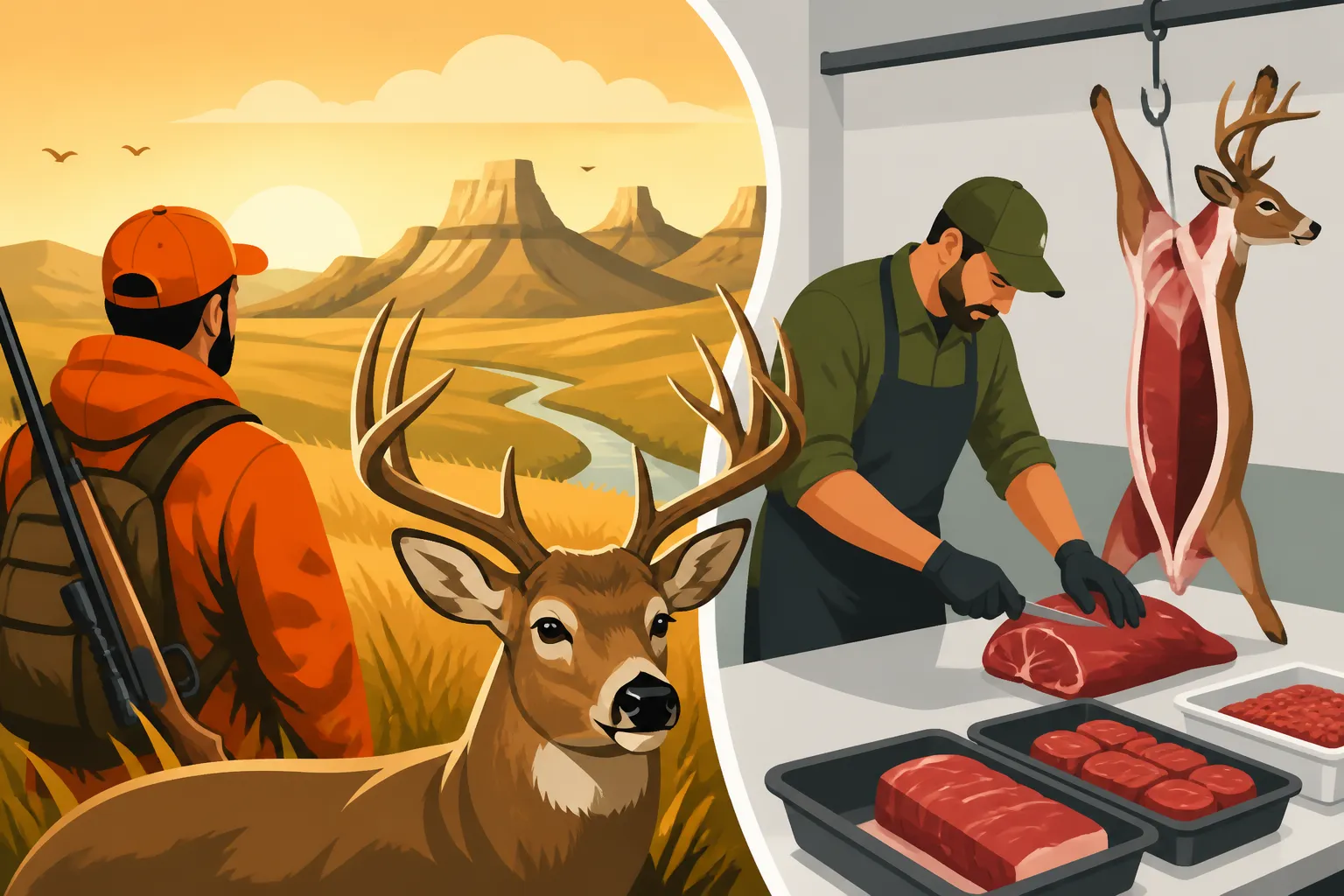
For many hunters, especially non-residents or those without the time, equipment, or expertise for DIY butchering, a professional meat processor is a godsend. South Dakota has numerous excellent processors, particularly in communities throughout pheasant country and near major deer hunting areas. These facilities are equipped to handle large volumes of game, ensuring your meat is properly aged (if desired), cut, packaged, and often frozen to food-safe standards. They can turn your deer into steaks, roasts, burger, and sausage, or your pheasants into breasted and packaged portions, ready for the freezer.
The convenience is unmatched. You drop off your field-dressed animal, provide your cutting instructions, and often pick up neatly packaged meat a few days or weeks later. This is particularly valuable if you're traveling a long distance, as frozen, vacuum-sealed packages are much easier to transport safely. It also frees up your time to enjoy the rest of your hunt or simply relax. When researching, ask about their capacity, turnaround times, and pricing. Some popular processors can get quite busy during peak seasons, especially pheasant opener or the deer rut, so calling ahead or having a few options in mind is wise. Deer Processors Near South Dakota Lodges can be a great starting point for your research.
DIY Processing and Transport
If you're a seasoned hunter with butchering skills or enjoy the process of preparing your own meat, doing it yourself is a rewarding option. This usually involves quartering your big game animal in the field or at a temporary camp. Quartering involves separating the animal into its four major limb sections, plus the backstraps, tenderloins, and often the neck and rib meat. This significantly reduces the bulk and makes the meat much more manageable for cooling and transport. For birds, this means breasting them out or plucking them whole, depending on your preference.
The key to successful DIY transport is rapid cooling. After quartering, get the meat into breathable game bags and then into coolers with plenty of ice. Drain meltwater frequently, or use frozen jugs of water/gel packs to avoid direct meat-to-water contact, which can ruin the meat. For longer drives, you'll need a substantial cooler setup. Ensure the meat stays below 40°F (4°C) at all times. This method offers complete control over your cuts and saves on processing fees, but demands more effort and precise handling to maintain meat quality. Remember, even with your own processing, you still need to adhere to all tagging and transport regulations. Quartering a Deer in a Coulee provides excellent practical advice on this method.
Shipping Frozen Meat
For those who fly into South Dakota or have an extremely long drive, shipping your processed, frozen meat can be a viable solution, though it often comes with a higher price tag. Most professional processors can facilitate this service, or you can arrange it yourself through commercial carriers like FedEx or UPS. The meat needs to be fully frozen, often double-bagged or vacuum-sealed, and packed in sturdy, insulated containers, typically Styrofoam coolers inside cardboard boxes.
The critical factor here is timing and insulation. You want the meat to arrive still frozen, so choosing expedited shipping options is almost always necessary. Always check the carrier's specific regulations for shipping perishable goods, as they can vary. It's also wise to send it early in the week to avoid weekend delays at distribution centers. While expensive, this option provides peace of mind that your hard-earned harvest will arrive safely at your home freezer, allowing you to travel light.
Dealing with Birds: Pheasants and Waterfowl
South Dakota is world-renowned for its pheasant hunting, and many hunters also pursue waterfowl. Processing birds is a different ballgame than big game, with its own set of considerations.
Field Cleaning Versus Plucking
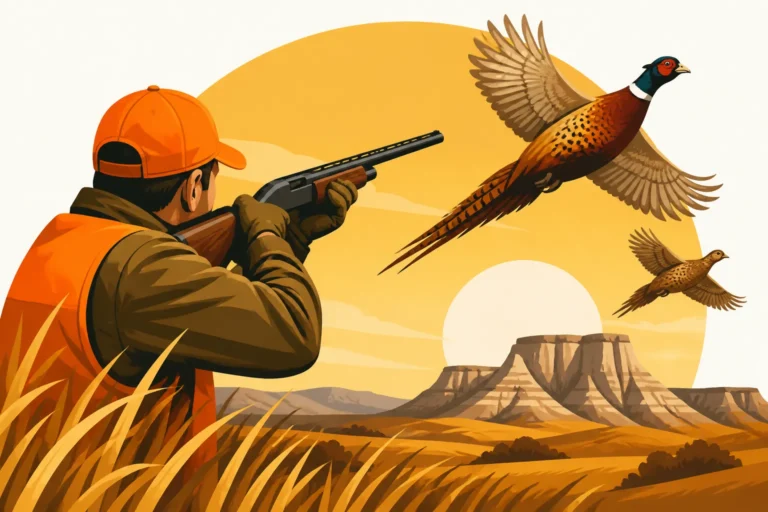
When it comes to pheasants and other upland birds, you typically have two main choices: field cleaning (breasting) or plucking. Breasting involves removing only the breast meat, leaving the rest of the carcass in the field. This is quick, clean, and reduces bulk, making it a popular option for hunters on the go or those who primarily want boneless meat. You make an incision down the breastbone, separate the meat from the ribcage, and you're done. This method is perfectly legal in South Dakota, as long as a wing or head is left attached for identification purposes (check current regulations for specific species). Cleaning Pheasants in the Field details this process.
Plucking, on the other hand, means removing all the feathers and keeping the bird whole, including legs, thighs, and sometimes the giblets. This yields more meat and is preferred by those who enjoy roasting whole birds or using the dark meat for stews and casseroles. Plucking is more labor-intensive and messier, often done at a cleaning station back at the lodge or campsite. Some outfitters and lodges offer bird cleaning services, which can be a huge convenience after a long day in the field. Decide beforehand which method suits your cooking style and time constraints. Breasting Versus Plucking Birds provides a great comparison to help you choose.
Daily Bag and Possession Limits: What You Can Take
Understanding daily bag limits and possession limits is paramount when hunting birds in South Dakota. A daily bag limit refers to the maximum number of birds you can legally harvest in a single day. The possession limit, however, refers to the maximum number of unprocessed birds you can have in your possession at any given time, which usually includes those in your cooler, freezer, or vehicle. This is especially important for multi-day hunts for non-residents.
For example, if the daily bag limit for pheasants is 3 roosters, and the possession limit is 15, you can shoot 3 birds each day. On your first day, you have 3 birds. On your second, you could have 6, and so on, up to 15. Once you hit the possession limit, you cannot harvest more birds until some are consumed or processed to fall below that limit. Always check the current South Dakota Game, Fish and Parks regulations handbook for the specific species you are hunting, as these limits can change. Exceeding possession limits can result in significant fines and loss of hunting privileges.
Keeping Birds Cool for the Drive Home
Just like big game, keeping your birds cool is critical for meat quality. After field cleaning or plucking, get the birds into coolers with ice as soon as possible. Again, breathable game bags are excellent for protecting the meat while allowing cold air to circulate. If you're using ice directly, ensure the birds are in Ziploc bags or similar to prevent waterlogging, which can make the meat mushy and bland.
For a long drive home, a well-packed cooler with plenty of ice is your best friend. Consider using a 50/50 mix of ice and frozen water bottles. The frozen bottles will keep things colder longer and provide additional cooling after the ice melts, without adding more water to drain. Make sure your cooler is not just full of birds, but also full of ice, leaving as little air space as possible. A good quality cooler can keep birds cold and safe for several days. Planning your cooling strategy before you even pull the trigger will make all the difference when you arrive home. Getting Birds Home From South Dakota delves deeper into these transport strategies.
| Game Type | Field Dressing Method | Transport Considerations | Trophy Potential |
|---|---|---|---|
| Pheasant | Breasting or Whole Plucking | Cooled in Ziploc bags/game bags with ice | Tail fan, whole bird mount |
| Waterfowl | Breasting (often) or Whole Plucking | Cooled in Ziploc bags/game bags with ice | Whole bird mount, wing mount |
| Mule Deer | Evisceration, Quartering for transport | Game bags, iced coolers, professional processing | Antlers, shoulder mount |
| Whitetail Deer | Evisceration, Quartering for transport | Game bags, iced coolers, professional processing | Antlers, shoulder mount |
| Pronghorn | Evisceration, Quartering for transport | Urgent cooling, game bags, iced coolers | Horns, shoulder mount |
| Elk | Evisceration, Quartering (mandatory) | Massive cooling requirement, pack out, professional processing | Antlers, shoulder mount |
Trophy Care: Capes, Antlers, and Fans
Beyond the meat, many hunters desire to preserve a part of their harvest as a trophy. Whether it's a magnificent set of antlers, a striking pheasant tail, or a full mount of a deer, proper field care is essential to ensure your trophy is suitable for taxidermy.
Caping Your Big Game for a Mount
If you plan to get a shoulder mount of your deer, antelope, or elk, proper caping is critical. A cape is essentially the hide from the animal's head, neck, and shoulders. The taxidermist will use this skin to create the mount. The most common mistake hunters make is cutting the cape too short. It's always better to have too much hide than not enough. For a shoulder mount, you generally want to cut the hide well behind the front legs, effectively creating a "tube" of skin. This allows the taxidermist plenty of material to work with.
The process involves making a circular cut around the body behind the front legs, then two cuts from that circle up the back of each leg to the knee. Next, cut along the top of the neck, from the circular cut all the way up to the base of the skull. Finally, make an incision from the sternum up to the lower jaw. Skin carefully, cutting close to the meat, to free the cape from the carcass. Once off, it's vital to get the cape cooled quickly. You can roll it up and put it in a cooler, or even turn it flesh-side out and salt it heavily if you won't get it to a taxidermist immediately. Never let it sit in a pool of water or get warm. Caping a Buck for a Shoulder Mount provides detailed instructions for this precise task.
Preserving Antlers and Horns
Antlers (deer, elk) and horns (pronghorn) are generally much less perishable than capes or meat, but still require proper care. For deer and elk, if you're not doing a full shoulder mount, you'll want to preserve the skull plate with the antlers attached. This involves cutting through the skull just below the eye sockets and removing as much flesh as possible. For pronghorn, the horn sheaths cover a bony core; the sheaths often slip off if the head is left in the heat too long. If you want to keep the sheaths on for a mount, the head needs to be kept cool.
Clean off any remaining brain matter or flesh from the skull plate or horn cores. You can typically just let them air dry in a cool, well-ventilated area. If you're not getting a mount right away, the skull plate can be wrapped in a plastic bag and frozen to preserve any remaining tissue until you're ready to take it to a taxidermist. Avoid leaving antlers or horns in direct sunlight for extended periods, as this can cause cracking or fading over time.
Bird Mounts and Fan Displays
Pheasant tails, duck wings, or even full bird mounts are popular ways to commemorate a successful bird hunt. For a full bird mount, the general rule is to handle the bird as little as possible after harvest. Avoid rough handling, as bent or broken feathers can be difficult for a taxidermist to fix. If the bird is bloody, gently wipe away any blood, but avoid washing it with water, as this can mat the feathers. Place the bird carefully in a plastic bag, trying to keep its feathers smooth and undisturbed, and then freeze it as quickly as possible. The sooner it's frozen, the better it will preserve its form and feather integrity.
For a pheasant tail fan, you'll need to carefully cut away the tail feathers along with a small portion of the skin and flesh at their base. You can then clean off excess flesh and fat, spread the fan, and pin it to a piece of cardboard to dry in its desired shape. You might consider rubbing borax into the flesh side to help dry and preserve it, deterring insects. For small wing mounts, the same principles apply: clean, flatten, and dry. Discuss your specific ideas with a taxidermist as soon as possible after your hunt to ensure you prepare the trophy correctly.
Choosing a South Dakota Processor or Taxidermist
Selecting the right professional to handle your game or trophies is crucial. You want someone reliable, skilled, and with a good reputation. Doing a bit of homework before your hunt can save a lot of headaches later.
What to Look For in a Meat Processor
Finding a good meat processor is like finding a good mechanic—once you have one, you stick with them. The first thing to consider is cleanliness. A reputable processor will have a clean, well-maintained facility. Ask about their cooling methods; proper aging and chilling are vital. Inquire about their packaging options. Vacuum sealing is generally preferred as it protects against freezer burn much better than simple butcher paper. Ask if they offer specialty products like jerky, sausage, or summer sausage, as many hunters love these options.
Price is always a factor, but don't choose solely on cost. A slightly more expensive processor might offer superior cuts, better packaging, and faster turnaround times. Word-of-mouth is powerful here; ask other local hunters or your outfitter for recommendations. Many processors require a deposit and will have specific intake hours, so call ahead. Make sure you understand their tagging procedures—your game tag needs to stay with your animal through the processing.
Selecting a Quality Taxidermist
A taxidermist transforms your raw hide and bones into a lasting memory. This isn't a place to cut corners. Look for a taxidermist with experience, especially with the species you've harvested. View their portfolio, either in person or online. Pay close attention to the eyes, nose, and mouth on mammal mounts, and the feather patterns and natural posture on bird mounts. These details reveal a taxidermist's skill.
Reputation is key. Ask for references from past clients and talk to them about their experience, turnaround time, and satisfaction with the final product. A good taxidermist will be transparent about their process, materials, and expected completion time. Remember, quality taxidermy takes time, often 6-18 months or even longer, so be prepared for a wait. Getting it right the first time is worth the patience. Taxidermists in South Dakota Hunting Towns can give you a head start on finding local talent.
Understanding Costs and Turnaround Times
Both meat processing and taxidermy are investments. Meat processing costs typically vary based on the animal's size and the types of cuts and specialty products you request. Expect a per-pound charge for cutting and wrapping, plus additional fees for sausage, jerky, or other custom orders. For birds, it might be a flat fee per bird or per dozen. Always get a clear quote upfront.
Taxidermy costs are significantly higher and vary wildly based on the size of the animal, the type of mount (shoulder, life-size, European), and the complexity of the pose. Bird mounts generally range based on species and pose. As mentioned, turnaround times for taxidermy can be lengthy. Professional taxidermists often have a backlog, and quality work cannot be rushed. Be wary of taxidermists promising extremely fast turnaround times at unusually low prices; this can be a red flag for rushed or subpar work. A clear contract outlining services, costs, and estimated completion is always a good idea. Sometimes, an outfitter or lodge, especially those listed on platforms like BookYourHunt, will have established relationships with local processors and taxidermists, which can simplify the logistics for you.
Legalities and Best Practices for Transport
Navigating the legal requirements for transporting game meat and trophies is just as important as the physical processing itself. Ignorance of the law is not an excuse, and violations can lead to serious consequences.
South Dakota Tagging and Transport Rules
South Dakota has specific regulations regarding the tagging and transport of harvested game. For big game, your hunting license will come with a tag that must be immediately attached to the animal after harvest, clearly visible and securely fastened. This tag identifies the animal as legally harvested by you. For deer, it typically needs to remain attached until the animal is processed into cuts of meat or taken to a processor. Make sure to properly fill out all required information on the tag.
For birds, specific rules often dictate what must remain attached to the carcass for identification during transport. For pheasants, it's typically one leg or a fully feathered wing, which helps game wardens identify the species and sex (rooster). Once birds are at your permanent residence or a commercial processing facility, these identification markers can usually be removed. Always consult the current South Dakota hunting regulations handbook for precise details, as these rules are critical. South Dakota Tagging and Transport Rules explains this in greater detail. Additionally, Reporting a South Dakota Harvest is often a mandatory step that must be completed within a specific timeframe after your hunt.
Interstate Travel with Game Meat and Trophies
This is where things can get complicated, especially for non-resident hunters. When transporting game meat and trophies across state lines, you are subject not only to South Dakota's laws but also to the laws of any states you travel through and your home state. Some states have regulations regarding the import of certain game parts, particularly those that might carry Chronic Wasting Disease (CWD).
For instance, many states prohibit the import of certain brain and spinal cord tissue from deer, elk, and moose from CWD-positive areas. This usually means you can only transport boned-out meat, cleaned skull plates, or taxidermy-ready hides. Always check the CWD carcass import regulations for your home state and any states you'll drive through before you leave South Dakota. The USDA and state wildlife agencies will have this information readily available online. For bird trophies, a valid federal duck stamp may be required for migratory waterfowl, even if just transporting. Don't risk confiscation or fines; a quick phone call or website visit can prevent a major headache.
Food Safety and Quality Assurance
Throughout the entire process, from field dressing to packaging, food safety and quality should be top of mind. Proper hygiene is non-negotiable. Wash your hands thoroughly before and after handling game meat, and always use clean knives and cutting surfaces. Cross-contamination is a serious risk; keep raw game meat separate from other foods.
Maintaining consistent cold temperatures is the most critical factor for preserving meat quality. The "danger zone" for bacterial growth is between 40°F (4°C) and 140°F (60°C). Your goal is to keep meat below 40°F at all times. If you're quartering or processing yourself, work quickly and in a cool environment. Package meat tightly to prevent air exposure, which causes freezer burn. Label all packages with the type of meat and the date it was processed so you can rotate your inventory. With careful handling, your South Dakota game meat can provide delicious meals for months, a true testament to a successful hunt and meticulous post-harvest care. Getting Venison Home From South Dakota provides further advice on maintaining quality during long-distance transport.
Disclaimer
This article is for general informational purposes only and does not constitute professional advice. Laws, prices and regulations vary by location and change over time. Consult a qualified professional for guidance on your specific situation.