Camping on South Dakota Public Land
One of the biggest head-scratchers for hunters coming to South Dakota, especially if you're traveling from out of state, is figuring out where you can actually pitch a tent or park your camper for the night. It's not always as straightforward as you'd hope, and the rules can vary wildly from one type of public land to another. This guide aims to demystify camping on South Dakota's public ground, helping you plan your hunt with confidence and a comfortable place to rest your head.
Understanding South Dakota's Public Land Categories for Camping
South Dakota boasts a fantastic amount of public land open to hunters, but not all of it is created equal when it comes to setting up camp. Each land management agency has its own set of guidelines, and knowing these differences upfront can save you a lot of headache and potential trouble. It's easy to assume "public land means public camping," but the reality is a bit more nuanced.
Game Production Areas GPAs and Their Rules
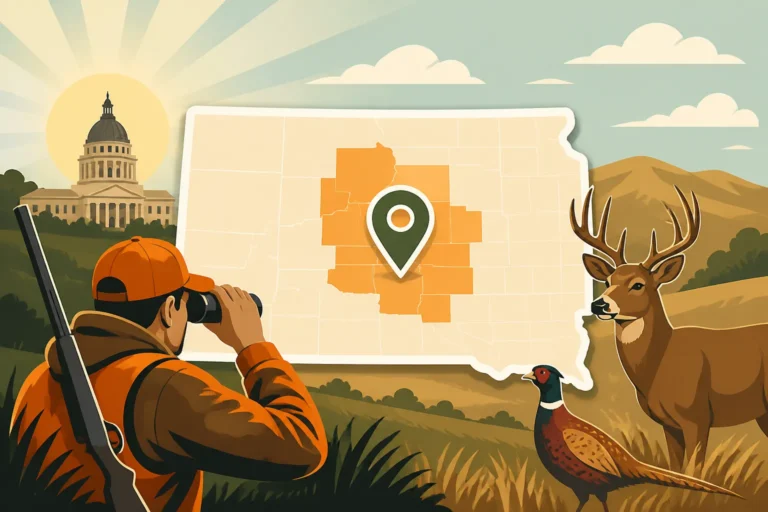
Game Production Areas (GPAs) are jewels in the South Dakota public land system, managed by the state's Game, Fish and Parks (GFP) department. These areas are specifically acquired and managed for wildlife production and public hunting and fishing access. While they're phenomenal for chasing pheasants, deer, or waterfowl, their primary purpose isn't recreation like camping. This often means camping is quite restricted, if not outright prohibited, on many GPAs. You can often find detailed information about specific GPAs, including any camping restrictions, by checking the South Dakota Hunting Handbook Release or GFP's online resources.
Typically, GPAs are day-use only. You might be able to park your vehicle for the day while you hunt, but setting up a tent for an overnight stay is usually not allowed. The logic here is to minimize human impact on these sensitive wildlife habitats and to maintain them primarily for their intended use. However, there might be a rare exception, perhaps a designated primitive camping spot on a very large GPA, but these are few and far between. It's crucial to check the specific regulations for the GPA you plan to visit, as they are often clearly posted at access points or detailed on the GFP website. Don't just assume; a quick check can prevent a disappointing eviction or even a citation.
For example, imagine you've been working a tough cattail slough all day on a GPA, birds are flying late, and you just want to collapse into a sleeping bag right there. The temptation is real! But you need to resist. These areas are generally quite strict. Often, you'll see "Day Use Only" signs prominently displayed. This means you'll need to plan your camp at an alternative location, which might be a nearby national grassland, private campground, or even a simple motel room in the closest town. For a deeper dive into these areas, you might want to read up on South Dakota Game Production Area Rules.
National Grasslands: Your Wilderness Camping Hub
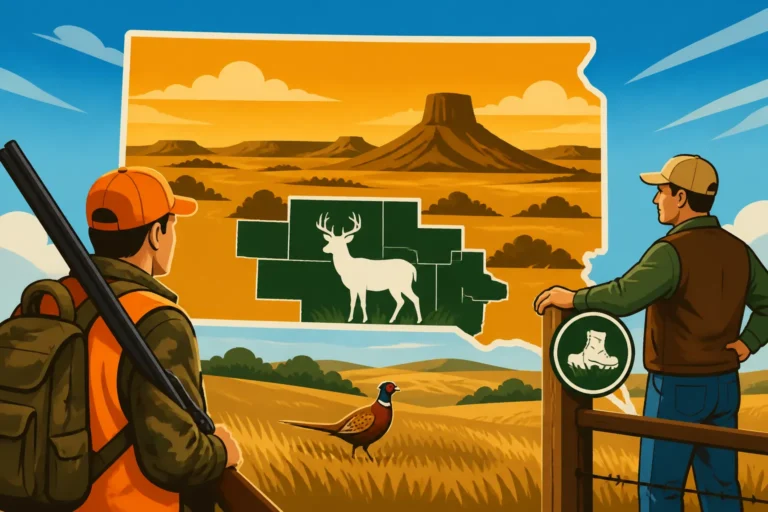
Now, if you're dreaming of truly dispersed, wild camping as part of your hunting adventure, South Dakota's National Grasslands are often your best bet. We're talking about vast tracts of land like the Buffalo Gap, Fort Pierre, and Grand River National Grasslands, managed by the U.S. Forest Service. These areas are much more accommodating to primitive camping, allowing hunters to set up camp away from developed facilities, often for extended periods. This is where you can truly immerse yourself in the prairie experience.
Dispersed camping on the National Grasslands typically means you can camp anywhere that isn't a designated developed campground, as long as it's outside of 100-200 feet from a water source (like a stock dam or river), a road, or an existing developed recreation site. There are generally no fees or permits required for dispersed camping, which is fantastic for budget-conscious hunters. You're expected to practice "Leave No Trace" principles rigorously – pack out everything you pack in, minimize your impact, and respect the land. Checking out guides like Buffalo Gap National Grassland Hunting or Fort Pierre National Grassland Hunting can give you an idea of the vastness and opportunities these areas present.
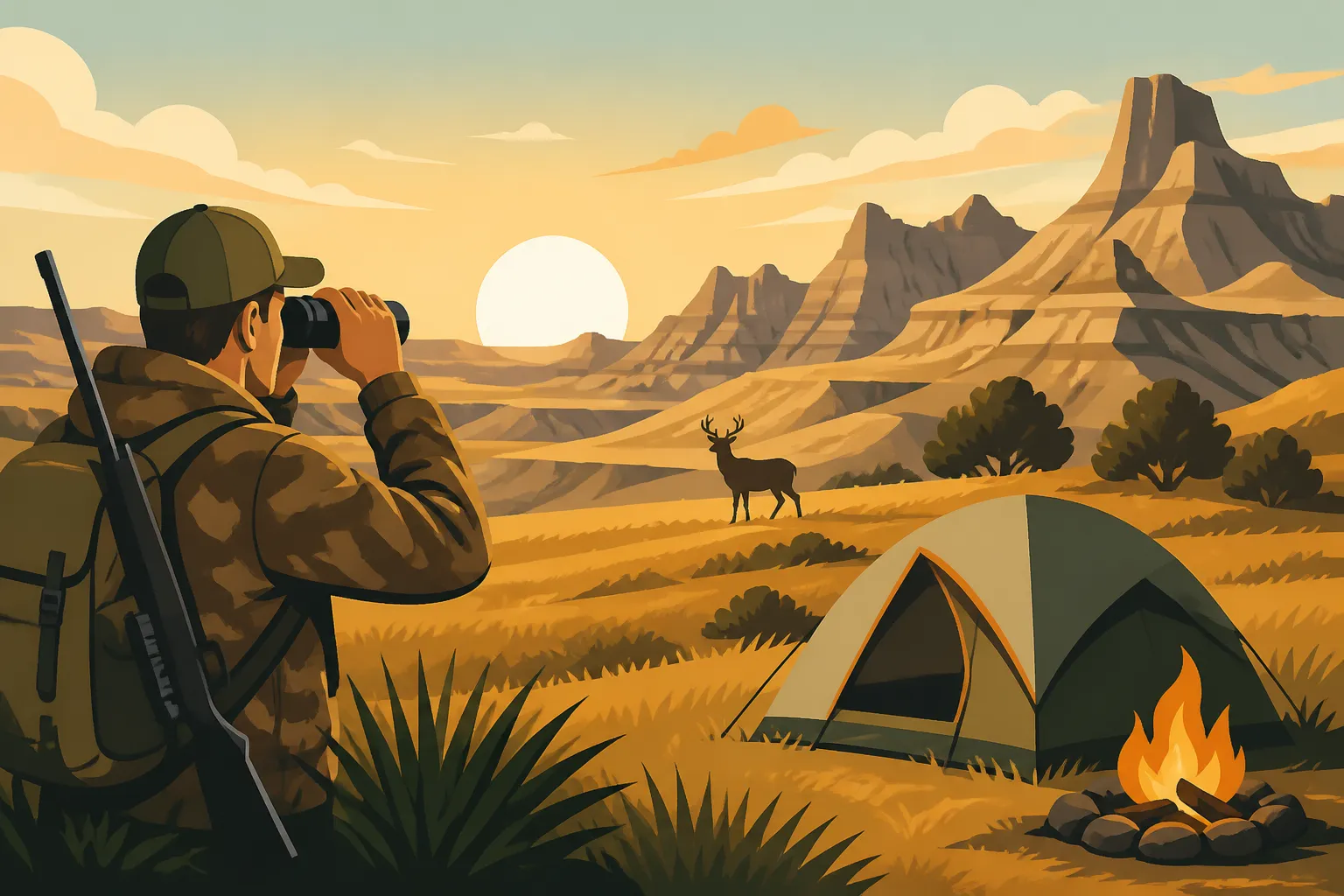
The beauty of camping on National Grasslands is the freedom. You can set up your wall tent, park your camper, or just roll out a sleeping bag under the stars, often right next to your hunting grounds. This convenience is a huge advantage, especially when you're hunting species like mule deer or antelope that often require early mornings and late evenings in the field. However, with this freedom comes responsibility. You are typically completely self-sufficient for water, sanitation, and trash. It's a true backcountry experience, even if you're just a few miles off a gravel road.
Missouri River Corps of Engineers Land and Reservoirs
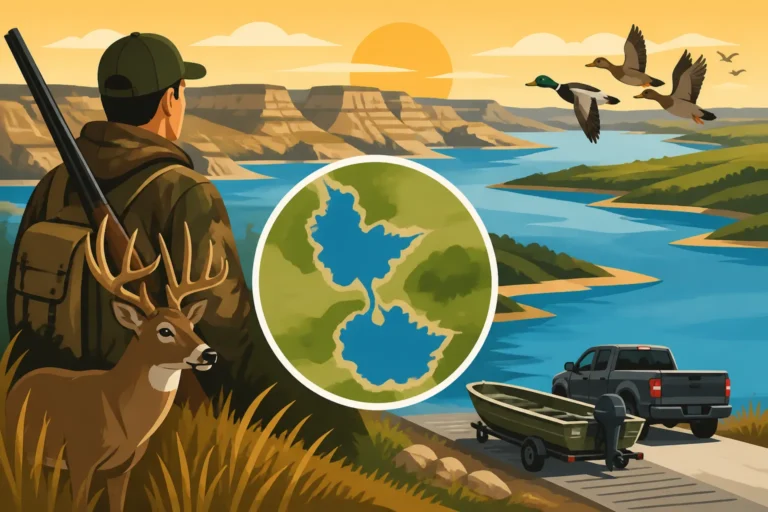
The mighty Missouri River, with its sprawling reservoirs like Lake Oahe, Lake Sharpe, and Lake Francis Case, offers another significant chunk of public land, often managed by the U.S. Army Corps of Engineers (USACE). These areas, particularly the shoreline and adjacent public tracts, can be fantastic for hunting waterfowl, deer, or even spring turkeys. Camping opportunities here are a bit of a mixed bag, ranging from developed campgrounds to more primitive spots.
Many USACE-managed areas along the river and reservoirs have developed campgrounds with amenities like picnic tables, fire rings, and sometimes even vault toilets or potable water. These sites usually require a fee and are often managed on a first-come, first-served basis or through a reservation system, especially during peak seasons. They offer a comfortable basecamp if you're not looking for a truly rustic experience. You can often find maps and specific information for these areas on the USACE websites or through local ranger stations. Understanding Missouri River Hunting Access in South Dakota is key to navigating these lands.
Beyond the developed campgrounds, some USACE lands might allow for more primitive or dispersed camping, especially in less accessible areas. However, these rules can vary greatly by specific reservoir and even by individual recreation area. You need to pay close attention to signs, maps, and online resources provided by the Corps of Engineers to confirm where primitive camping is permitted. Sometimes, areas designated for public access are still day-use only, similar to many GPAs. It's not uncommon to find areas where you can boat-in to a remote shoreline camp, but always verify before you go.
Navigating Specific Rules and Regulations for Camping
Camping on public land in South Dakota isn't just about finding a spot; it's about understanding the specific unwritten and written rules that govern your stay. These regulations are in place to protect the environment, ensure public safety, and allow everyone to enjoy these shared resources. Ignoring them can lead to serious consequences, from fines to environmental damage that impacts future hunting opportunities.
Dispersed Camping Versus Designated Sites
This is often the core distinction that trips up many hunters. Dispersed camping, as mentioned with the National Grasslands, means camping outside of developed campgrounds. It's essentially "roughing it" with no services, no facilities, and often no other people nearby. On National Grasslands, this is widely accepted, though there are usually limits on how close you can be to roads, water, or existing infrastructure. The general rule of thumb is to pick a spot that looks like it can handle your presence without leaving a trace, and to move your camp periodically if staying for an extended time.
Designated campsites, on the other hand, are found in established campgrounds, often with amenities like fire rings, picnic tables, and sometimes even vault toilets or water spigots. These are common in state parks, some USACE areas, and a few national forest locations. They usually come with a fee, and often have strict rules about where you can set up, quiet hours, and maximum stay lengths. The good news is they provide a reliable, often more comfortable, basecamp. The downside is they might be further from your specific hunting spots and offer less solitude. Always check for specific information on Camping Limits on South Dakota Public Land before you head out.
The key takeaway is to know what kind of camping is permitted in the exact area you're targeting. A digital mapping tool like onX Hunt can be incredibly useful here. It often shows public/private land boundaries, and sometimes even designates developed campgrounds or clarifies general dispersed camping rules for different land agencies. This can prevent you from setting up a beautiful camp, only to find out it's in a day-use-only zone.
The Importance of Leave No Trace Principles
Whether you're in a designated campground or tucked away in a remote corner of the prairie, practicing Leave No Trace is paramount. This isn't just a suggestion; it's a critical ethical framework for anyone enjoying the outdoors. For hunters, it means ensuring your presence doesn't negatively impact the wildlife or the experience of others. These principles are especially important when you're away from developed facilities where there's no one cleaning up after you.
At its heart, Leave No Trace means planning ahead and preparing, traveling and camping on durable surfaces, disposing of waste properly, leaving what you find, minimizing campfire impacts, respecting wildlife, and being considerate of other visitors. For camping, this translates to setting up your tent on established ground if possible, or on durable surfaces like dry grass or gravel if dispersed. It means packing out all your trash, including food scraps, spent casings, and even toilet paper. Buried waste can still impact wildlife and degrade the landscape. For human waste in dispersed areas, dig a small cat hole at least 200 feet from water, trails, and camp. And remember, what you pack in, you absolutely must pack out. Don't be that hunter who leaves an empty propane canister or a broken folding chair.
Fire Restrictions and Safety on Public Land
Few things complement a hunting camp like a warm, crackling campfire, but fire comes with significant responsibilities, especially on the often-dry South Dakota prairie. Fire restrictions are a serious matter and are frequently implemented, particularly during dry seasons, high winds, or periods of drought. These restrictions can range from a ban on open campfires to a complete burn ban that includes charcoal grills and even portable gas stoves. Always assume there's a risk of fire restrictions, and check current conditions before you light anything.
You can often find current fire danger ratings and restrictions through county sheriff's offices, local fire departments, or the South Dakota Department of Agriculture and Natural Resources website. National Grasslands also post fire restrictions on their official websites and at popular access points. Ignoring a fire ban isn't just dangerous; it's illegal and carries stiff penalties, not to mention the potential to devastate vast tracts of valuable habitat and personal property. One stray spark, especially in the tall, dry grass of the prairie, can quickly become an uncontrollable blaze.
If fires are permitted, always use existing fire rings if available. If dispersed camping, build a small, contained fire in an area cleared of all flammable materials down to bare mineral soil. Never leave a fire unattended, and always ensure it's "dead out" – cool to the touch – before you leave it, even for a short walk. Keep water or a shovel nearby to extinguish any embers or unexpected flare-ups. The prairie wind can be a deceptive friend, quickly turning a cozy fire into a dangerous situation.
Practical Considerations for a Public Land Camping Hunt
Going beyond just where you can camp, there are a host of practical considerations that can make or break your public land hunting trip. South Dakota's weather and terrain can be unforgiving, and being prepared for all eventualities is crucial for a safe and enjoyable experience. You're often far from services, so self-sufficiency is key.
Water, Waste, and Essential Supplies
When you're dispersed camping, particularly on the National Grasslands or remote USACE lands, you are entirely responsible for your own water supply. Unless you're near a tested potable water source (which is rare outside of developed campgrounds), assume you need to bring all the water you'll use for drinking, cooking, and basic hygiene. This can be a substantial amount, especially for multi-day trips. Plan for at least a gallon per person per day, more if the weather is warm or you're exerting yourself heavily while Walking Speed That Holds Roosters or dragging out a deer.
Waste management is equally important. Remember the Leave No Trace principles: pack out all trash. This includes food packaging, empty bottles, spent ammunition casings, and anything else you brought in. A sturdy trash bag, perhaps even a hard-sided container to deter critters, is essential. For human waste, follow the cat-hole method in dispersed areas, or use designated facilities if available. Never leave toilet paper, and pack out any feminine hygiene products. For dishwater, strain out food particles and scatter the water over a wide area at least 200 feet from water sources. Keeping a clean camp not only respects the environment but also reduces unwanted wildlife visitors.
Beyond water and waste, think about your essential supplies. A good First Aid Kit for a Prairie Hunt is non-negotiable. Navigation tools (GPS, maps, compass), reliable lighting, sturdy shelter, adequate clothing layers for fluctuating temperatures, and cooking gear are all critical. Consider what you'd need if you were stranded for an extra day or two due to weather or vehicle trouble. A little over-packing on essentials is always better than under-packing when you're in remote country.
Security and Wildlife Encounters
While South Dakota is generally a safe place to hunt and camp, being on public land always means being aware of your surroundings and taking sensible precautions. When it comes to camp security, the primary concern is often other people. While most public land users are respectful, it's wise to secure valuables out of sight, especially if you're leaving camp unattended for long periods while you're out hunting. Simple measures like locking vehicle doors and keeping expensive gear stowed away can deter opportunistic theft.
Wildlife encounters are a more common concern, particularly in areas with large game. While South Dakota doesn't have grizzly bears, coyotes, raccoons, and even deer can be drawn to unsecured food or trash. Store all food in sealed containers, preferably in your vehicle or a bear-resistant cooler if you have one. Never leave food scraps or pet food out overnight. While typically not aggressive, habituated animals can become a nuisance. In the Black Hills, you might encounter mountain lions or even a Black Hills elk herd, so be aware of your surroundings, especially at dawn and dusk.
For most wildlife, making noise and maintaining a respectful distance is enough. Carry bear spray in mountain lion country, especially if hiking alone, and know how to use it. If you have a dog with you, keep it under control to prevent conflicts with other wildlife or other hunters' dogs. It's all about being a smart, responsible outdoors person, recognizing that you're sharing the landscape with its permanent residents.
Weather Preparedness and Emergency Planning
South Dakota weather is famously unpredictable. A beautiful, sunny morning can quickly turn into a raging thunderstorm, a blizzard, or a fierce prairie wind event. Being prepared for rapidly changing conditions is not just about comfort; it's about safety. Always check the forecast before your trip, but also prepare for conditions beyond the forecast. Layered clothing is your best friend, allowing you to adapt to temperature swings from below freezing to quite warm within a single day. Read up on Layering for South Dakota Wind for some great advice.
Your shelter choice is critical. If tent camping, ensure your tent is robust, waterproof, and capable of standing up to strong winds. If using a camper or RV, ensure it's in good working order and that you have sufficient fuel or battery power for heating, especially in the colder shoulder seasons. Muddy roads after a heavy rain can leave you stranded, so consider vehicle capabilities and have a plan for getting unstuck or calling for help.
Finally, have an emergency plan. Share your itinerary with someone reliable who isn't on the trip with you. Let them know where you'll be, your planned return date, and what to do if they don't hear from you. Carry a fully charged cell phone (though service can be spotty in remote areas; check Cell Coverage in West River Country). A satellite messenger or personal locator beacon can be a literal lifesaver in areas without cell service. Know basic first aid and how to handle common injuries or medical emergencies in the field. Being prepared means you can focus on the hunt, rather than worrying about unexpected complications.
Finding and Confirming Camping Spots with Digital Tools
In this digital age, technology has revolutionized how we scout and plan our hunting trips. Gone are the days of relying solely on paper maps (though you should always have them as a backup!). Modern mapping apps and online resources are invaluable for finding those elusive public land camping spots in South Dakota.
Utilizing Mapping Apps for Public Land Identification
Hands down, a premium mapping app like onX Hunt is an essential tool for any hunter planning to camp on South Dakota public land. These apps clearly display public and private land boundaries, often color-coded, making it incredibly easy to identify where you can legally access and potentially camp. They integrate parcel data, allowing you to see specific landownership, which is critical for avoiding trespass. Knowing exactly where the lines are drawn can alleviate a huge amount of stress and help you identify adjacent public land pieces for camping.
Beyond land ownership, many of these apps offer satellite imagery overlays that help you visualize the terrain. You can spot potential camp locations – a sheltered draw, a flat bench near a road, or even existing two-tracks that might lead to a secluded spot. Some even show features like water sources (stock dams, creeks) or potential travel corridors for wildlife. Before you even leave home, you can spend hours E-Scouting Walk-In Areas Before the Season and planning your approach, including where you might set up your basecamp. Another valuable tool for research is GoHunt, which can provide broader insights into hunting units and potential access points, though its primary focus isn't necessarily on detailed camping maps like onX.
The ability to drop waypoints, measure distances, and track your movements in real-time makes these apps indispensable. You can mark potential camping spots during your scouting, identify nearby roads for access, and confirm that you're within public land boundaries at all times. This level of detail empowers you to make informed decisions about your camp location and helps ensure you stay on the right side of the law.
Researching Specific Area Regulations
While mapping apps are fantastic for showing where public land is, they don't always contain the granular details about specific camping regulations for every parcel. This is where dedicated online research comes into play. You'll need to visit the websites of the relevant land management agencies:
- South Dakota Game, Fish and Parks (GFP): For GPAs and state parks. Look for specific rules regarding "Overnight Parking at a Game Production Area" or camping within state park campgrounds.
- U.S. Forest Service (USFS): For the National Grasslands and Black Hills National Forest. Their sites will detail dispersed camping guidelines, fire restrictions, and any designated campground information. Reading about Black Hills Forest Roads and Access can be a great starting point if your trip takes you there.
- U.S. Army Corps of Engineers (USACE): For lands around the Missouri River reservoirs. They'll have information on developed campgrounds and any primitive camping allowances.
It's common for rules to change, especially fire restrictions, so always look for the most current information. Don't rely on outdated forums or blog posts from years past. A quick phone call to a local ranger district office or GFP regional office can also clear up any ambiguities and provide invaluable local insights. They might even share tips on less-used areas or current conditions that aren't posted online.
On-the-Ground Reconnaissance and Local Intel
No amount of digital scouting can fully replace putting boots on the ground. Once you arrive in your chosen hunting area, take some time for on-the-ground reconnaissance. Drive the access roads, walk into potential camping areas, and look for signs of previous use or explicit "no camping" postings. Sometimes, what looks like a perfect spot on a satellite map turns out to be boggy, overgrown, or incredibly windy in person.
Talk to locals if you can. Gas station attendants, small-town cafe owners, or even other hunters you meet can sometimes offer a wealth of information about local conditions, unofficial camping spots (that are still legal!), or areas to avoid due to high pressure or recent closures. Be polite and respectful; a little friendly conversation can go a long way. This "local intel" can often provide nuances that you just can't get from an app or website, like knowing a particular two-track becomes impassable after rain or that a certain area is prone to evening wind gusts.
Remember, the goal is not just to find a spot, but to find the right spot – one that's legal, safe, and conducive to a successful hunt. Combining your digital tools (like using your onX Hunt app to confirm boundaries while you're physically there) with on-the-ground scouting ensures you're making the best possible decision for your basecamp.
Respecting the Land and Other Users
Camping on public land is a privilege, not a right. As hunters and outdoors enthusiasts, we have a responsibility to not only follow the rules but also to uphold a strong outdoor ethic that ensures these resources remain available and enjoyable for everyone, for generations to come. This includes being mindful of our impact and considerate of those around us.
Sharing the Space: Hunters, Hikers, and Other Recreationists
South Dakota's public lands are not exclusive to hunters. You'll find hikers, birdwatchers, photographers, equestrians, and other recreationists sharing these spaces. It's crucial to be considerate and respectful of all users. This means being aware of your visibility (wearing blaze orange during hunting season, even if just walking to your camp), controlling your dogs, and generally minimizing any negative impact you might have on others' experiences.
For instance, if you're driving to a remote camp and see another vehicle, slow down and be aware of dust. If you encounter hikers while moving between your camp and hunting spots, offer a friendly greeting and be clear about your intentions, especially if you're carrying a firearm. A little courtesy goes a long way in fostering positive perceptions of hunters and ensuring harmonious use of shared public resources. Avoid setting up camp in high-traffic areas if you can find a more secluded spot, allowing others to enjoy solitude as well.
Noise, Light, and Camp Etiquette
When you're camping on public land, especially if you're dispersed, remember that sound and light travel farther than you might think, especially in the quiet expanses of the prairie. Be mindful of noise levels, particularly early in the morning or late at night. Loud generators, boisterous conversations, or barking dogs can quickly disrupt the peace and quiet for other campers or even wildlife. This is especially true if you are near developed areas or other dispersed camps, even if they're out of sight.
Similarly, be judicious with artificial light. While headlamps and lanterns are necessary, try to minimize excessive light pollution. Point your lights downward, use lower settings when possible, and avoid leaving bright lights on unnecessarily, especially at night. Light pollution can affect wildlife behavior and detract from the natural darkness that many seek in the outdoors. It also can be a tell-tale sign of your camp location, which you might want to avoid if trying to stay discreet. When it comes to Hunting Pressure Patterns on Walk-In Areas, keeping a low profile with noise and light might even help your hunt.
Basic camp etiquette also includes respecting marked boundaries, not cutting down live trees for firewood, and keeping your camp neat and tidy. A well-managed camp not only looks better but also minimizes your footprint and makes for a more enjoyable experience for everyone.
Packing Out Everything You Pack In
We've touched on this multiple times, but it bears repeating as a fundamental principle of public land camping: pack it in, pack it out. This applies to everything. From food wrappers and empty drink containers to spent shotgun shells and dog poop bags. Your goal should be to leave your campsite looking exactly as, or even better than, you found it. This practice is vital for maintaining the pristine nature of South Dakota's wild spaces.
Even seemingly biodegradable items like apple cores or orange peels can take a long time to break down in certain environments and can attract unwanted wildlife. The "if it came in with you, it leaves with you" rule is simple and absolute. Consider bringing an extra trash bag specifically for camp waste, and perhaps even a separate small bag for any trash you might find left behind by others – a true sign of a responsible steward of the land.
This commitment to responsible use ensures that future generations of hunters and outdoor enthusiasts can enjoy the same beautiful, wild places we do today. It's a small effort with a massive impact, directly contributing to the conservation of our cherished hunting areas across South Dakota.
Disclaimer
This article is for general informational purposes only and does not constitute professional advice. Laws, prices and regulations vary by location and change over time. Consult a qualified professional for guidance on your specific situation.