Public Ground Near Sioux Falls
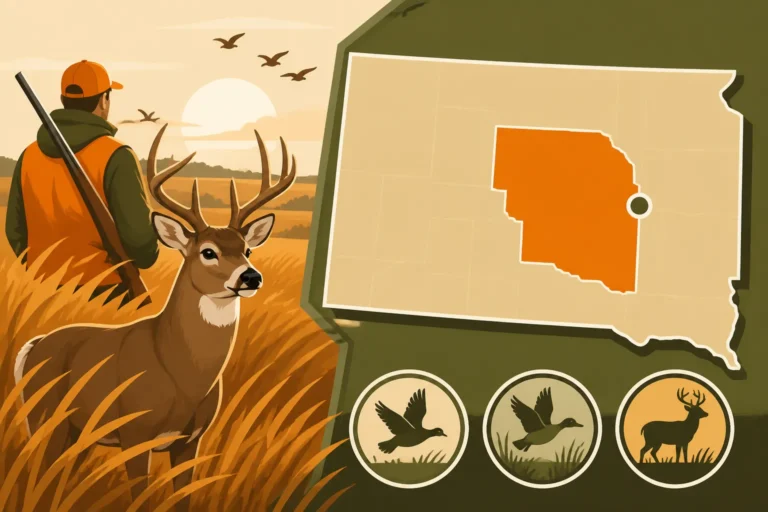
If you're a hunter living in or visiting the Sioux Falls area, you know the frustration of looking at endless fields of private land and wondering where on earth you can actually go to chase game. It can feel like finding public hunting ground near a major city in South Dakota is an impossible task, but thankfully, that's not the case. This guide is here to cut through the confusion and show you exactly where to find and how to effectively hunt the public lands available around Sioux Falls, ensuring you spend more time afield and less time staring at "No Hunting" signs.
The Lay of the Land: Understanding Public Access Near Sioux Falls
South Dakota is undeniably a state dominated by private agricultural land, which can make public access a real head-scratcher, especially in more populated eastern areas like around Sioux Falls. It’s easy to feel like you're constantly running into fences and signs, wondering if there's any truly open ground left. But don't despair – there are significant opportunities for the diligent hunter, if you know where to look and how these unique programs function.
The Dominance of Private Land and Scattered Opportunities
Around Sioux Falls, the landscape is a patchwork of bustling communities, fertile cropland, and cattle operations. This means that unlike the vast national forests or Bureau of Land Management lands you might find out west, public hunting access in East River South Dakota tends to be more fragmented and often consists of smaller parcels. It's not about finding massive blocks of continuous public ground, but rather identifying and connecting the dots between numerous, often smaller, pieces. This can be a challenge, as it requires a bit more research and a good understanding of various public land programs. You might find a small Waterfowl Production Area nestled between cornfields, or a ribbon-like Walk-In Area following a creek bottom. Understanding this scattered nature is the first step to successful planning. The key is to embrace the puzzle and use the right tools to put it together.
Key Public Land Programs in East River South Dakota
Thankfully, the state of South Dakota, along with federal agencies, has some fantastic programs that open up land for public hunting, even in agricultural strongholds. These aren't just random plots; they are intentionally managed and designated for wildlife and public recreation. The main types you'll encounter near Sioux Falls are Walk-In Areas (WIAs), Game Production Areas (GPAs), Waterfowl Production Areas (WPAs), and sometimes land managed by the U.S. Army Corps of Engineers (COE) along larger waterways. Each has its own characteristics, management goals, and rules, which we'll dive into shortly. Getting familiar with the differences between these types of public access is critical, as it will inform your expectations and tactics. Always remember to check the current South Dakota Hunting Handbook Release for the most up-to-date regulations, as things can shift from year to year.
Unlocking East River's Public Hunting Gems: Walk-In Areas and Game Production Areas
When you're trying to figure out where to hunt near Sioux Falls, these two categories, Walk-In Areas and Game Production Areas, are likely going to be your most frequent targets. They offer the most varied opportunities for species like pheasants, deer, and various waterfowl, and they represent a significant portion of accessible ground.
South Dakota's Walk-In Area Program: Your Best Bet for Pheasants
Let's be honest, for many, "South Dakota hunting" means "pheasant hunting." And for public access to those glorious roosters, the Walk-In Area (WIA) program is an absolute lifesaver. These are private lands that the South Dakota Game, Fish and Parks (GFP) leases from willing landowners, opening them up for public foot traffic only. You'll recognize them by the distinctive yellow "Walk-In Area" signs prominently displayed. These areas are specifically designed to provide hunter access where it might otherwise be impossible, creating crucial pockets of opportunity in heavily farmed regions.
Often, WIAs are marginal lands for agriculture, meaning they contain prime pheasant habitat: dense grass cover, cattail sloughs, shelterbelts, and sometimes even food plots left unharvested specifically for wildlife. Imagine driving through endless cornfields only to spot those yellow signs marking a stretch of waist-high switchgrass next to a creek – that's a WIA, and it's a beacon of hope for a public land hunter. These spots can be phenomenal, holding birds right alongside private ground, and they are incredibly popular for Hunting South Dakota Walk-In Areas.
One of the biggest advantages of WIAs is their accessibility. You can simply park your vehicle legally, step out, and start hunting without needing to knock on doors. However, "foot traffic only" means no ATVs, no vehicles of any kind beyond the parking area, and definitely no driving across the property. This restriction is actually a benefit, as it often means the interior of larger WIAs sees less pressure, rewarding those willing to walk a bit further. Before you head out, I highly recommend using digital mapping tools like onX Hunt. This app, and others like it, clearly mark WIA boundaries, distinguishing them from private land, and can even show you topographic features that might hold birds. It's an indispensable tool for E-Scouting Walk-In Areas Before the Season and avoiding trespass.
Game Production Areas: Diverse Habitat Managed for Wildlife
Game Production Areas, or GPAs, are different from WIAs in a fundamental way: they are lands actually owned by the state of South Dakota. This means they are managed directly by GFP with a primary focus on wildlife habitat and public recreation. Because they are state-owned, they tend to offer a wider variety of habitat types and can sometimes be larger blocks of land than an average WIA.
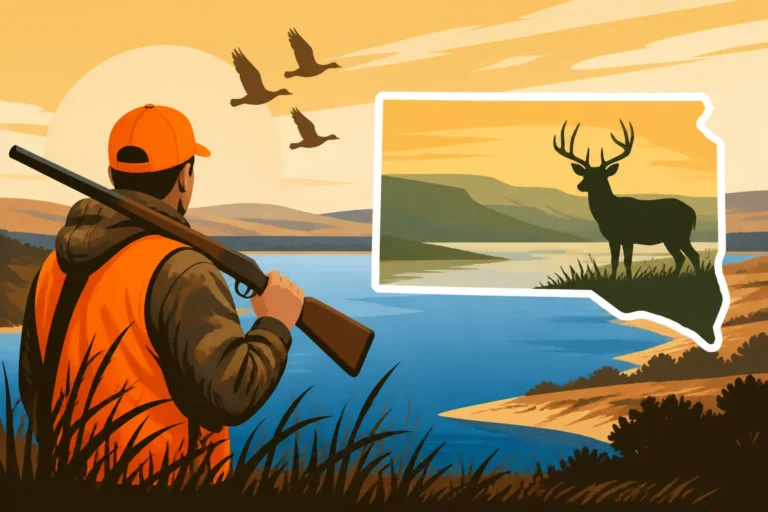
Near Sioux Falls, you might find GPAs that encompass wooded river bottoms along the Big Sioux River, providing excellent cover for white-tailed deer. Other GPAs might be expansive grasslands with rolling hills, ideal for pheasants, prairie grouse (though grouse are less common this far east), and even some archery deer opportunities. You could also encounter GPAs with significant wetland components, drawing in migrating waterfowl. These areas often have more permanent infrastructure like established parking areas and well-maintained boundaries.
Hunting GPAs can feel a bit more predictable than WIAs since they are consistently public. However, their known status can also mean higher hunter pressure, especially on opening weekends or prime pheasant days. The diverse habitat in GPAs also means you need to adjust your tactics. For example, South Dakota Whitetail Hunting in River Bottoms tactics would be ideal in a wooded GPA, while classic pheasant drives would work in grassy areas. Always pay attention to signage at the entrance, as some GPAs might have specific rules regarding things like camping or motorized vehicle use on designated trails.
Waterfowl Production Areas: Duck and Goose Hotspots
For those who love chasing ducks and geese, Waterfowl Production Areas (WPAs) are absolute magnets. These are federal lands, managed by the U.S. Fish and Wildlife Service, specifically acquired and managed to provide habitat for nesting waterfowl and migratory birds. East River South Dakota, with its abundance of prairie potholes, is dotted with these critical wetland complexes.
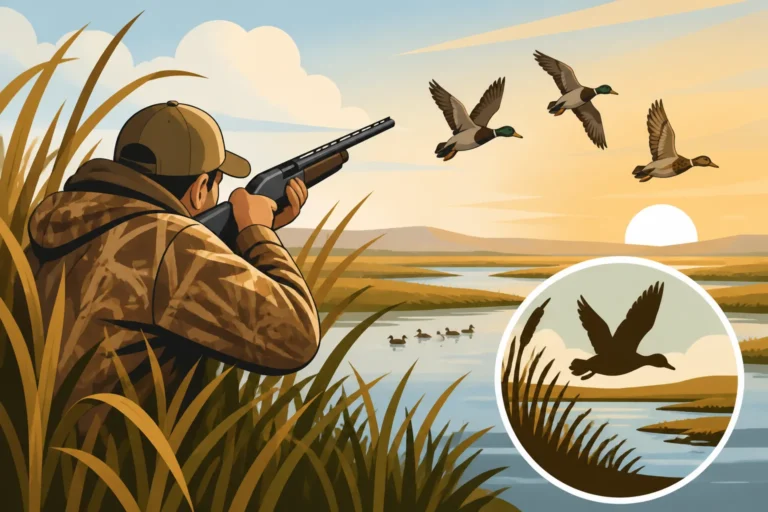
WPAs typically consist of shallow wetlands, often surrounded by dense native grasses or retired cropland, all designed to give ducks and geese the food, water, and cover they need. Hunting on WPAs is primarily focused on waterfowl, and they can offer fantastic opportunities for both morning and evening hunts. You'll often find yourself jump-shooting small stock dams or setting up decoys on a prairie pothole, trying to entice passing birds. For effective setups, you might want to review tips for Decoying Ducks on a South Dakota Prairie Pothole.
While ducks and geese are the stars of WPAs, it's not uncommon to jump a pheasant or even see a deer moving through the surrounding upland grass, particularly during the early morning or late evening. However, the primary purpose is waterfowl, and regulations reflect that. Federal rules apply here, often meaning specific shooting hours and potentially different tagging requirements for migratory birds than state-managed game. Like WIAs, WPAs are generally foot-traffic only, emphasizing a quiet approach and minimizing disturbance to the sensitive wetland habitats.
Navigating the Challenges and Maximizing Success on Public Ground
Finding public land near a population center like Sioux Falls is only half the battle. Once you're out there, you need strategies to hunt effectively, ethically, and safely, especially when you're sharing the landscape with other hunters.
Utilizing Digital Tools for Seamless Navigation
In today's hunting world, digital mapping applications are not just a luxury; they are a necessity, especially when dealing with the fragmented public land picture around Sioux Falls. Gone are the days of trying to decipher worn paper maps or relying solely on roadside signs. Apps like onX Hunt are game-changers. With a few taps on your phone, you can see property boundaries clearly marked, differentiating between private, state, and federal lands with color-coded overlays. This is invaluable for identifying WIAs, GPAs, and WPAs, and critically, for ensuring you stay on legal hunting ground.
Imagine walking a fence line, uncertain if you're about to step onto private property. With onX Hunt, you can simply glance at your phone and see exactly where you are relative to property lines, eliminating any doubt and helping you avoid accidental trespassing. It's also an incredible tool for scouting from home, using satellite imagery to identify potential cover, water sources, and pinch points long before you ever set foot in the field. Another excellent resource for detailed planning and unit-specific information, especially for big game draws, is the platform offered by GoHunt. While perhaps more focused on western big game, the principles of research and data analysis it provides are transferable. Always remember to download offline maps before heading into areas with spotty cell service, which is common in many rural parts of South Dakota. The state also provides its own comprehensive online Using the South Dakota Public Hunting Atlas, which is a must-bookmark resource for any hunter planning a trip.
Managing Hunter Pressure and Finding Solitude
Let's be realistic: public hunting ground, especially prime pheasant cover near a city, is going to see hunter pressure. It's an unavoidable truth, particularly during peak seasons like the pheasant opener. You might pull into a WIA parking lot and find several other trucks already there. This can be disheartening, but it doesn't mean your hunt is over before it begins. It simply means you need a strategy to deal with it.
One common tactic is to hunt weekdays if your schedule allows, as the pressure tends to be significantly lighter than on weekends. Another is to simply walk further. Many hunters will stick to areas close to parking spots. If you're willing to put in the extra miles and push into the less accessible corners of a WIA or GPA, you significantly increase your chances of finding undisturbed birds or deer. Sometimes, even starting your hunt an hour or two later than legal shooting time can help, as the initial rush of hunters might have pushed birds into deeper cover that you can then work. Understanding Hunting Pressure Patterns on Walk-In Areas can help you anticipate where other hunters might be and how to plan your approach to Finding Ground That Sees Fewer Hunters. Be courteous, make eye contact, and communicate with other hunters you encounter. A simple nod or conversation can go a long way in ensuring everyone has a safe and enjoyable experience.
Respecting Boundaries and Rules for a Sustainable Future
This point cannot be stressed enough: ethical behavior and strict adherence to regulations are paramount for ensuring continued access to public hunting lands. South Dakota's public access programs rely on the goodwill of landowners (for WIAs) and careful management (for GPAs and WPAs). Any instances of disrespect, littering, or trespassing jeopardize these opportunities for everyone.
Always be acutely aware of property lines. If you're not sure, don't cross it. If you believe your dog has crossed onto private land to retrieve a bird, leave your firearm on public land and retrieve your dog, then approach the landowner without your gun to ask for permission to retrieve the bird. Knowing South Dakota Trespass Law and Posted Land is essential. Also, pay close attention to the specific rules posted at each public hunting area, as regulations can vary. This includes things like shooting hours, restrictions on target practice, or specific weapon types allowed. Being a responsible hunter means not just following the letter of the law, but also upholding the spirit of ethical outdoor recreation. It ensures that programs like the Walk-In Area initiative continue to thrive, providing valuable opportunities for future generations of hunters around Sioux Falls and across South Dakota.
Here's a quick comparison of the common public land types you'll encounter near Sioux Falls:
| Public Land Type | Ownership | Primary Game | Typical Access Rules | Key Characteristics |
|---|---|---|---|---|
| Walk-In Area (WIA) | Private (Leased) | Pheasants, Deer, Rabbits | Foot Traffic Only | Marked by yellow signs; often marginal farmlands with good cover; scattered parcels. |
| Game Production Area (GPA) | State (GFP) | Deer, Pheasants, Waterfowl | Varies (often foot/limited vehicle) | State-owned and managed; diverse habitats; can be larger blocks; specific unit rules. |
| Waterfowl Production Area (WPA) | Federal (USFWS) | Ducks, Geese, Shorebirds | Foot Traffic Only | Federally owned; focus on wetlands and adjacent uplands; federal regulations apply. |
| Corps of Engineers (COE) Land | Federal (USACE) | Deer, Waterfowl, Small Game | Varies (often foot/boat) | Found along major rivers/reservoirs; specific zones for hunting; boat access common. |
Disclaimer
This article is for general informational purposes only and does not constitute professional advice. Laws, prices and regulations vary by location and change over time. Consult a qualified professional for guidance on your specific situation.