South Dakota Waterfowl Production Areas
Finding consistent, high-quality public land for hunting can feel like an endless quest in South Dakota, especially when you're targeting waterfowl or even some upland birds. Many hunters are aware of Game Production Areas or Walk-In Areas, but often overlook or misunderstand the treasure trove that is the Waterfowl Production Area system. This guide will walk you through what these unique public lands are, how to find them, and how to maximize your hunting success on them.
Understanding South Dakota Waterfowl Production Areas
Waterfowl Production Areas, or WPAs as they are commonly known, are crucial pieces of the puzzle for wildlife conservation and public hunting opportunities in South Dakota. They represent a significant commitment to preserving vital wetland and grassland habitats, primarily managed by the U.S. Fish and Wildlife Service. While their name points to waterfowl, these areas often offer fantastic hunting for other species too.
What are WPAs and Their Purpose?
Think of a WPA as a designated parcel of land and water, usually relatively small, that has been set aside with one primary goal: to provide essential breeding, resting, and feeding habitat for migratory birds, especially ducks, geese, and other wetland-dependent species. These aren't just puddles; many WPAs encompass a complex mosaic of temporary, seasonal, semi-permanent, and permanent wetlands, often surrounded by upland grasslands. The sheer biological diversity on these tracts is incredible, creating a vibrant ecosystem crucial for countless species.
The federal government acquired many of these lands through the Migratory Bird Hunting and Conservation Stamp Act, more commonly known as the Duck Stamp Act. When you purchase a federal Duck Stamp, a significant portion of those funds directly goes towards acquiring and maintaining these invaluable habitats. So, every time you buy a stamp, you're directly contributing to the very places you might be hunting. It’s a powerful cycle of conservation funding driven by hunters.
Diverse Habitats Within WPAs
While wetlands are definitely the stars, WPAs are rarely just water. They typically feature a blend of habitats that cater to a wide array of wildlife. You'll find everything from shallow cattail sloughs and open water potholes perfect for ducks and geese to dense native prairie grasses and restored croplands that are absolute magnets for pheasants, sharptails, and even deer. This diversity is what makes WPAs so attractive to a range of hunters.
For instance, you might be jump-shooting a small pothole at first light, then transition to walking the adjacent prairie uplands for pheasants as the morning progresses. This multi-species opportunity is a huge draw. The tall, thick grasses surrounding many WPA wetlands provide incredible thermal cover for pheasants during winter and essential nesting habitat in spring, highlighting their importance beyond just waterfowl. Duck Production on South Dakota Prairie Potholes is a testament to the vital role these areas play.
Navigating Access and Regulations for WPAs
One of the biggest hurdles for any hunter new to WPAs is simply figuring out where they are and understanding the rules. Unlike state Game Production Areas or private land South Dakota Walk-In Areas Explained, WPAs fall under federal jurisdiction, meaning there can be some subtle differences in regulations. Knowing these nuances is key to a successful and legal hunt.
Finding WPAs on the Map
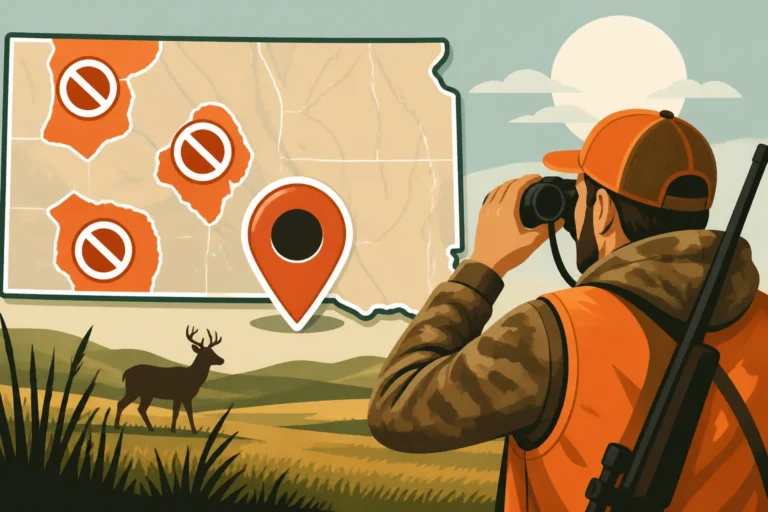
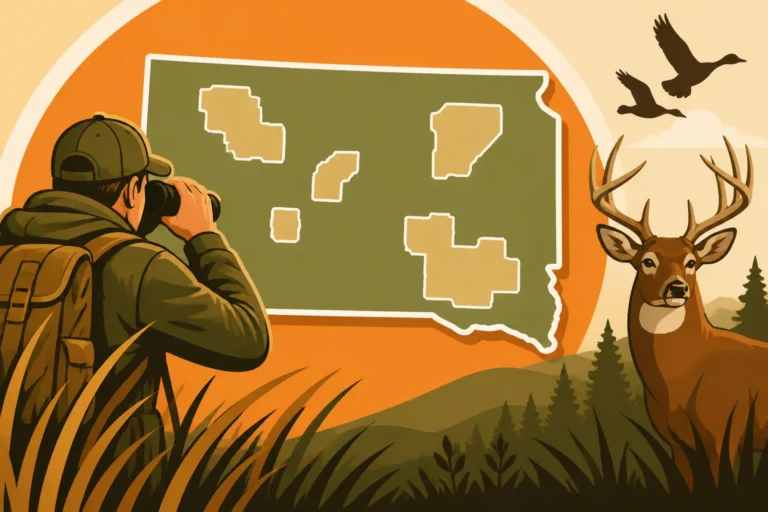
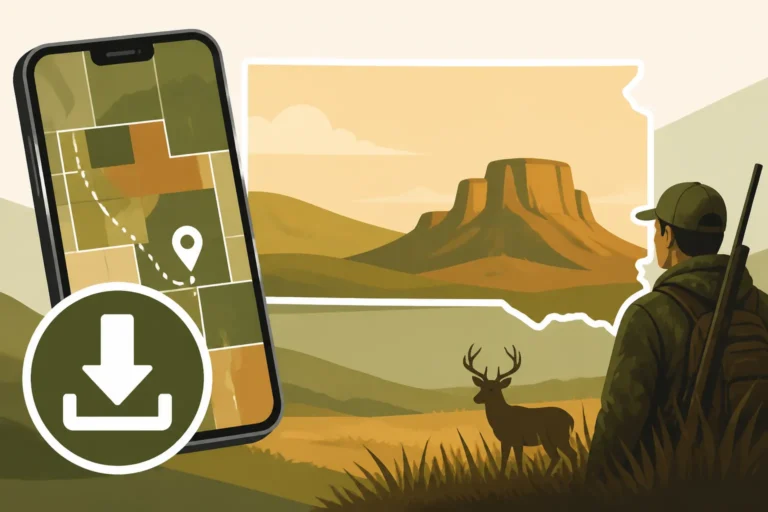
The South Dakota Game, Fish and Parks (GFP) public hunting atlas is your absolute best friend when it comes to locating WPAs. It’s an invaluable resource, available both online and through mobile apps, that clearly delineates public land boundaries, including all WPAs. You can often filter by land type, making it easy to see where these federal lands are concentrated. Many hunters rely heavily on tools like onX Hunt, which overlays public and private land boundaries directly onto detailed satellite imagery. This app is fantastic for showing you the exact boundaries of a WPA, helping you scout entry points, and ensuring you don't inadvertently trespass onto neighboring private land.
Another crucial resource is the U.S. Fish and Wildlife Service's own website for the particular wetland management district (WMD) that covers your target area. Each WMD manages hundreds, sometimes thousands, of WPAs within a multi-county region. They often provide detailed maps, specific regulations, and even habitat descriptions for individual WPAs, which can be far more granular than state-level maps. Don't be afraid to dig into these resources; they're there to help you.
Key Regulations and Restrictions
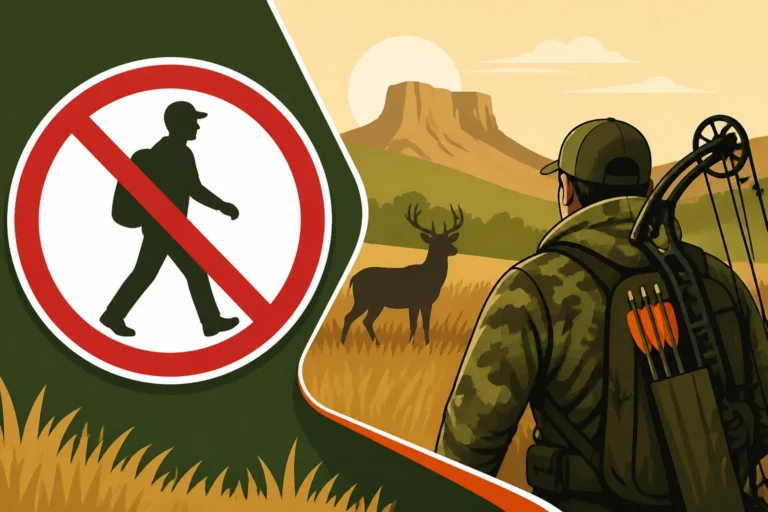
Most WPAs in South Dakota are open to public hunting in accordance with state and federal regulations, but there are some important considerations. Generally, vehicle access is strictly prohibited beyond designated parking areas, meaning you'll be doing a lot of walking. This "foot traffic only" rule is a defining characteristic of WPAs and often helps spread out hunting pressure. You’ll definitely want sturdy boots suitable for walking through wet, uneven terrain and heavy cover.
Another common regulation is related to temporary blinds or stands. While portable blinds are usually allowed, they must be removed daily. Permanent structures are strictly forbidden. Always check the specific regulations posted at the WPA entrance or on the managing WMD's website, as rules can vary slightly from one area to another. South Dakota Waterfowl Seasons and Zones will apply to waterfowl hunting on WPAs, so make sure your federal and state duck stamps are current, and you're HIP registered. It's easy to overlook these details when you're focused on the hunt, but compliance is critical.
| Public Land Type | Managing Authority | Typical Focus | Access Rules | Key Benefit |
|---|---|---|---|---|
| WPA | USFWS (Federal) | Wetlands/Upland | Foot traffic only (mostly) | Diverse habitat, critical waterfowl breeding |
| GPA | SDGFP (State) | General Wildlife | Varies (vehicle access often limited) | Larger tracts, often mixed habitat |
| WIA | SDGFP (State) | Upland/Deer | Foot traffic only | Private land leased for public access |
| National Grassland | USFS (Federal) | Prairie/Big Game | Vehicle access on designated roads | Vast acreage, remote hunting |
Hunting Strategies for South Dakota WPAs
WPAs offer a huge variety of hunting experiences, from chasing pheasants in dense cover to decoying ducks over a prime pothole. Success often comes down to understanding the habitat, recognizing game patterns, and adapting your tactics to the unique features of these public lands.
Waterfowl Hunting on WPAs
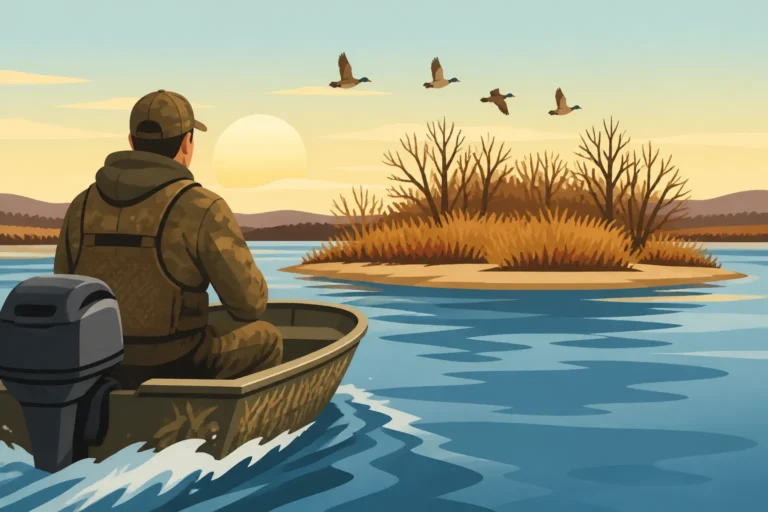
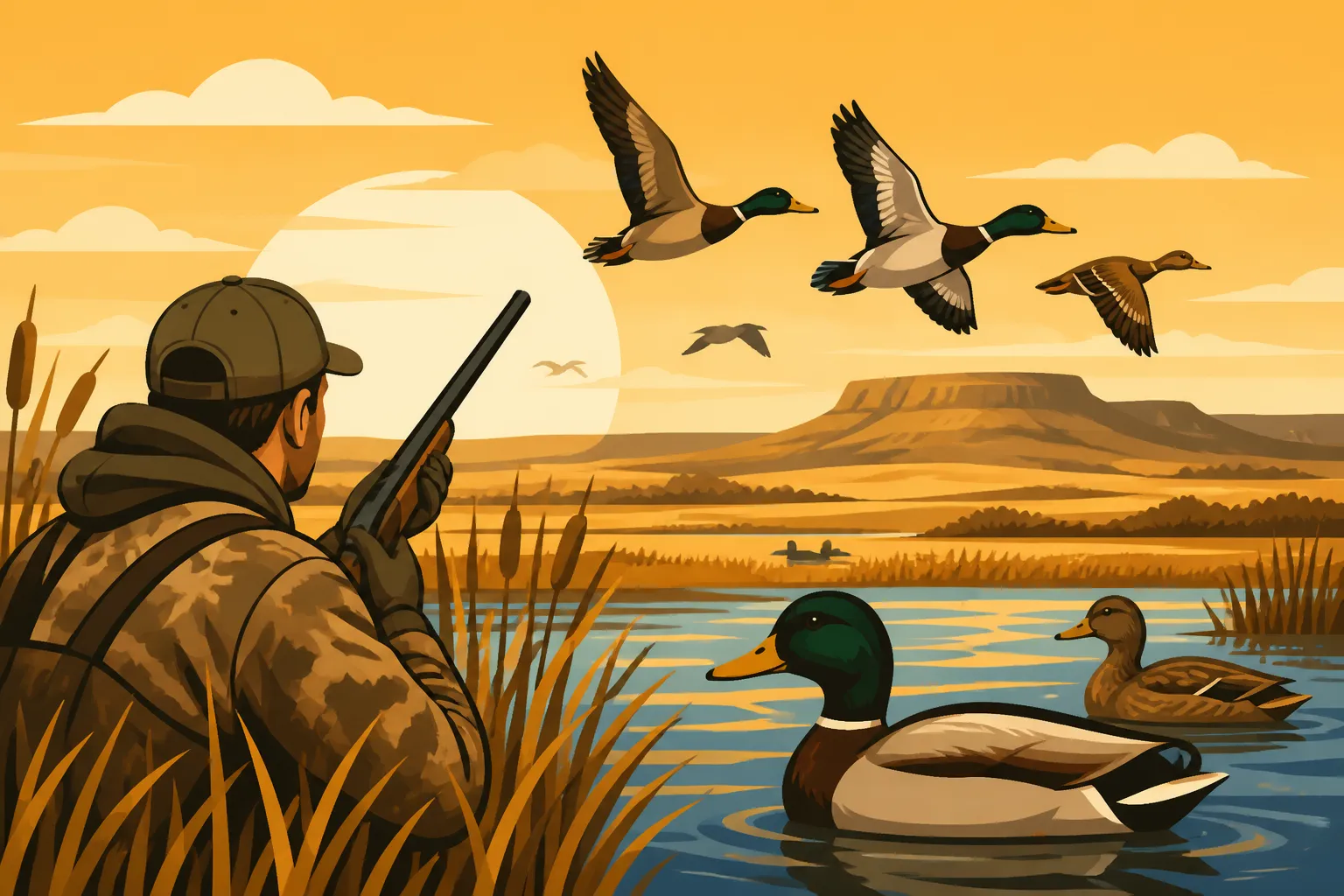
This is, predictably, where WPAs truly shine. The patchwork of wetlands means incredible opportunities for ducks and geese. Early in the season, before ice-up, you can find phenomenal jump-shooting opportunities on smaller potholes. Walk quietly along the edge, using cattails or topography for concealment, and be ready when birds explode off the water. For larger, more open water, a small spread of decoys and a well-hidden layout blind or natural cover can be incredibly effective, especially when the birds are migrating.
Later in the season, as smaller water bodies freeze, focus your efforts on the larger, more permanent wetlands that remain open. These will concentrate birds from miles around. Don't forget the surrounding fields, especially cut corn or other agricultural stubble. While birds might roost on the WPA wetlands, they often fly out to feed, and understanding these flight patterns can lead to success in nearby fields, though those are often private. For practical advice on setting up, check out Decoying Ducks on a South Dakota Prairie Pothole or Field Hunting Geese in South Dakota Cut Corn.
Upland Bird Hunting in WPA Uplands
Many hunters overlook WPAs for upland birds, but that's a mistake. The dense, undisturbed grasslands surrounding the wetlands are prime pheasant, sharp-tailed grouse, and even Hungarian partridge habitat. These areas often receive less pressure than popular Walk-In Areas or GPAs during pheasant season because many hunters are focused purely on the birds on larger private tracts. This can work to your advantage.
When hunting pheasants, focus on the transition zones between wetlands and uplands, and any areas with heavier cover like thick cattails or plum thickets. These provide escape routes and thermal protection. A good flushing dog is invaluable here, helping to root out birds holding tight. For sharptails and Huns, key into native prairie expanses, looking for slight rises or short grass areas where they might be feeding or loafing. Walking long, sweeping patterns, much like you would for Working South Dakota Shelterbelts for Roosters, can be effective. Consider going on weekdays to avoid crowds, as Weekday Versus Weekend Public Ground can dramatically impact your experience.
Other Game Opportunities
While waterfowl and pheasants are the primary draw, WPAs can offer surprising opportunities for other species. The dense cover and varied habitat can hold deer, especially whitetails, throughout the season. Archery hunters often find success patterning deer movements around these water sources and cover, particularly in the early season or during the rut. Predator hunting for coyotes is also popular in many WPA uplands during the colder months, offering a chance to call in a coyote to open up the season. Coyote Calling on Open Grassland offers great insights into successful predator hunting. Always remember to check regulations for specific species and seasons, as these can vary.
Challenges and Etiquette on WPAs
Hunting on public land, especially heavily used areas like some WPAs, comes with its own set of challenges. Managing expectations, understanding hunter behavior, and practicing good etiquette are just as important as your hunting skills.
Dealing with Hunting Pressure
South Dakota WPAs can definitely see pressure, particularly during the pheasant and waterfowl openers. It’s a reality of public land hunting. The key is to be prepared for it and have a strategy to mitigate its impact. One approach is to hunt during off-peak times—mid-week instead of weekends, or later in the day when early birds have left. Another tactic is to target smaller, less accessible WPAs that require a longer walk-in; many hunters simply won't put in the effort. Hunting Pressure Patterns on Walk-In Areas insights can easily be applied to WPAs.
If you encounter other hunters, a friendly wave and respectful distance go a long way. Communication can prevent conflicts, too. If you see another group working a slough, perhaps ask what their plan is, or choose a different section to avoid "sky-busting" their birds or otherwise interfering. Remember, everyone is out there to enjoy their time. Using a mapping app like onX Hunt can give you an edge by showing you alternative access points or less-traveled corners of a WPA where you might find quieter hunting.
Environmental Considerations
WPAs are managed for wildlife, first and foremost. This means treating the habitat with respect. Avoid driving off-road, pack out all your trash, and be mindful of your impact. The delicate wetland ecosystems can be easily damaged by careless actions. For example, leaving spent shotgun shells behind not only litters but also introduces plastics and lead into the environment.
Water levels in WPAs can fluctuate dramatically depending on rainfall and snowmelt. A slough that was teeming with ducks in October might be completely dry by November, or conversely, a shallow pothole could be flooded over its banks. Staying updated on local conditions, sometimes by simply calling the local Wetland Management District office or even driving by a WPA before your hunt, can save you a wasted trip. Finding Water in Dry West River Country has similar relevance to how water levels impact bird distribution on WPAs.
Ethical Hunting and Conservation
Hunting on WPAs is a privilege, not a right, and it comes with a responsibility to uphold ethical standards. This includes knowing and following all bag limits, shooting hours, and licensing requirements. South Dakota Hunter Education and Licensing is a prerequisite for a reason. Respecting "no hunting" zones, safety buffer zones around roads or residences, and practicing safe gun handling are paramount. On WPAs, specifically, remember that these areas are part of a larger conservation effort. Your actions reflect on the hunting community as a whole.
Being a good steward also means being an active participant in conservation. Consider purchasing more than one Federal Duck Stamp, even if you only need one for hunting. Those extra dollars go directly to land acquisition and habitat protection for WPAs and other National Wildlife Refuge System lands. It's a small investment that pays huge dividends for wildlife and future hunting opportunities. South Dakota Federal Duck Stamp Rules explains this critical component of waterfowl hunting.
The Broader Impact of Waterfowl Production Areas
Waterfowl Production Areas are far more than just hunting grounds. They are vital ecological cornerstones, contributing significantly to the health of the broader landscape and supporting a rich diversity of life in South Dakota. Understanding this larger role enhances our appreciation for these special places.
WPAs as Critical Habitat Nodes
In a landscape increasingly dominated by agriculture, WPAs act as crucial islands of natural habitat. They provide safe havens for waterfowl to breed and raise their young, offering the ideal conditions of food, water, and cover that are often scarce elsewhere. But it's not just ducks and geese. These areas support everything from shorebirds, songbirds, and raptors to deer, badgers, and a host of invertebrates that form the base of the food web. They are miniature biodiversity hotspots, especially important in heavily farmed regions of East River South Dakota.
Consider the spring migration: WPAs serve as critical refueling stations for millions of birds journeying across the continent. Without this network of protected wetlands, the entire Central Flyway's health would be severely compromised. These small, scattered parcels collectively make a massive impact, linking habitats and enabling wildlife to thrive. South Dakota Waterfowl on the Central Flyway explores this migration further.
Contributions to Water Quality and Ecosystem Health
Beyond direct wildlife benefits, WPAs play an unsung role in maintaining environmental health. Wetlands are natural filters, capable of removing pollutants, sediments, and excess nutrients from agricultural runoff before they can reach larger rivers and lakes. This natural purification process helps maintain water quality downstream, benefiting both humans and aquatic life.
Furthermore, the dense grasslands associated with WPAs help prevent soil erosion and can sequester carbon, contributing to healthier soil and a more stable climate. They also act as natural sponges, absorbing floodwaters during heavy rains and slowly releasing them during dry periods, helping to mitigate both flooding and drought impacts. The holistic benefits of these areas extend far beyond what you might see through the scope of your shotgun.
The Future of WPAs and Hunter Involvement
The continued existence and expansion of WPAs depend heavily on hunter support and engagement. The Duck Stamp program, fueled by hunters, is the lifeblood of this system. As habitats face ongoing threats from development and changing land use, the role of WPAs becomes even more critical.
Hunters can get involved by continuing to purchase Duck Stamps, advocating for conservation funding, and participating in volunteer efforts to maintain and improve habitat. Simply practicing ethical hunting and respecting these lands helps to ensure they remain viable and accessible for future generations. The health of South Dakota's wildlife populations, from the smallest marsh bird to the biggest whitetail, is intertwined with the fate of these invaluable Waterfowl Production Areas.
Disclaimer
This article is for general informational purposes only and does not constitute professional advice. Laws, prices and regulations vary by location and change over time. Consult a qualified professional for guidance on your specific situation.