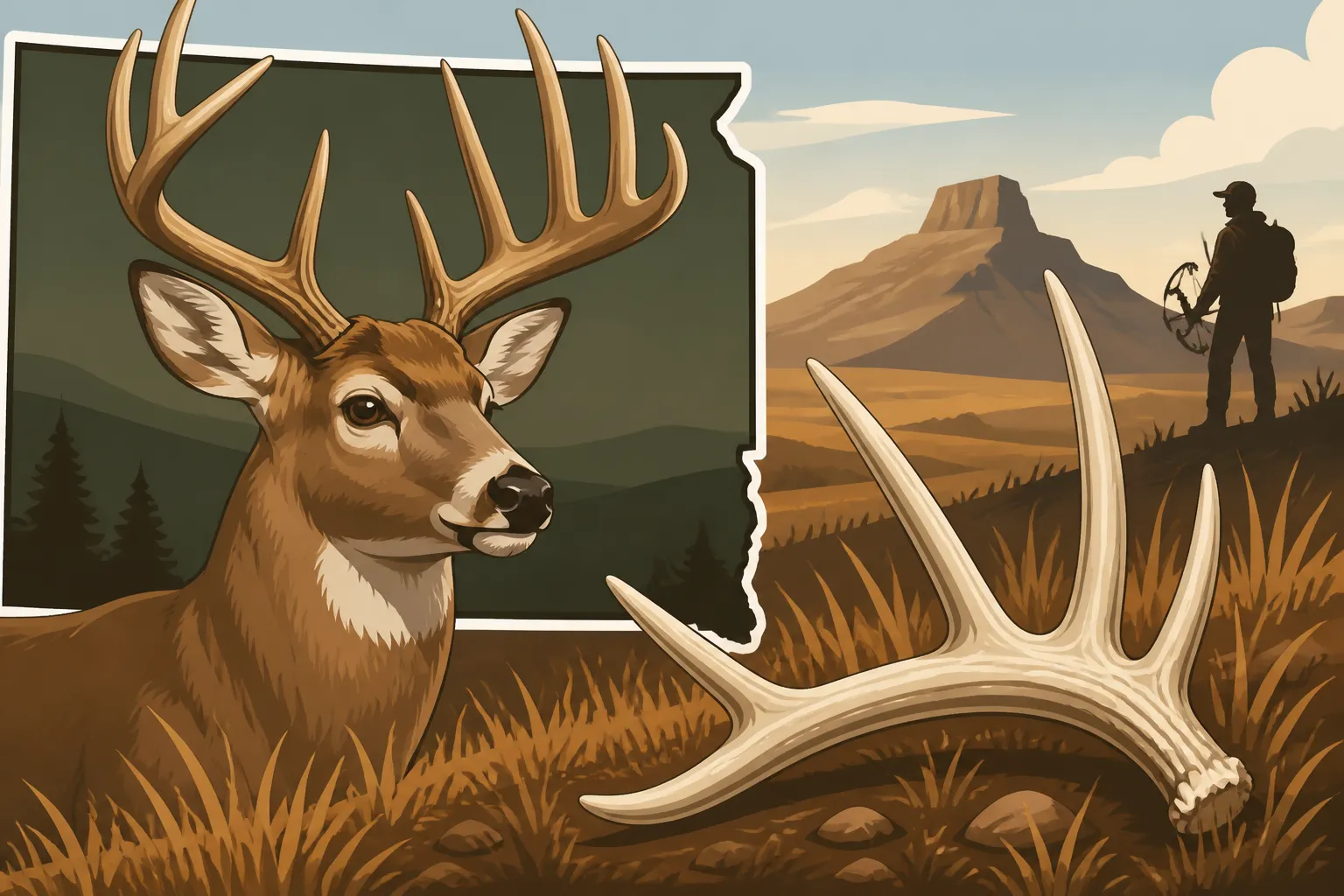
When South Dakota Bucks Shed Antlers
If you've ever spent countless hours walking through South Dakota's windswept fields and timber, hoping to stumble upon a shed antler, you know the frustration of not knowing exactly when to start your search. It feels like a secret club, deciphering the exact moment bucks decide to drop their headgear after a long, grueling rut. This comprehensive guide is here to unravel that mystery, giving you a clearer picture of when South Dakota bucks—both whitetail and mule deer—typically shed their antlers and what influences this fascinating natural cycle.
The Rhythm of the Drop: When Bucks Shed in South Dakota
The question of "when" a buck sheds its antlers is often the first one out of a shed hunter's mouth, and for good reason. Timing is everything when you're trying to beat the squirrels and mice to those prized pieces of bone. In South Dakota, the shedding period isn't a single, fixed date, but rather a window of time influenced by a fascinating interplay of biological and environmental factors.
General Timeline for Antler Shedding
For most mature bucks across South Dakota, the antler shedding season typically kicks off in late December and can extend well into March. However, the peak of the drop usually occurs in January and early February. Picture this: the rut is over, the snows are getting deeper, and those big-bodied whitetails along the Missouri River breaks or the heavy mule deer in the Badlands have just finished a marathon of breeding. They've poured an incredible amount of energy into chasing does, fighting rivals, and staying alive through the bitter cold, leaving them physically depleted.
It’s this post-rut exhaustion, coupled with diminishing daylight hours and colder temperatures, that signals their bodies to begin the process. Younger bucks, especially those yearlings or two-year-olds who might not have participated as heavily in the rut, often hold onto their antlers longer. You might find a spike or a smaller two-point still carrying his headgear well into late February or even March, seemingly oblivious to the biological clock that's ticking for his older brethren.
Age and Health: Key Determinants
Think of a buck's antlers as a barometer of his overall well-being, both in terms of his age and his physical condition. A healthy, mature buck that had a particularly intense rut might be among the first to shed. He's expended a massive amount of energy, drawing down his calcium and nutrient reserves, and his body prioritizes survival over carrying around a heavy rack. This often means he's ready to lighten the load sooner.
Conversely, a younger buck with less rutting stress, or an older buck who managed to stay in relatively good condition through the fall, might retain his antlers for a longer duration. It's not uncommon to see a healthy three-year-old whitetail in a South Dakota Whitetail Hunting in River Bottoms still sporting his rack when a five-year-old from the same area has already dropped both sides. Similarly, a mule deer buck that found consistent food sources in the West River Mule Deer Hunting in South Dakota might hold his antlers later than one who had to travel great distances or compete fiercely for forage.
Environmental Influences: Weather and Nutrition
The South Dakota winter can be a brutal master, and its severity plays a huge role in dictating the exact timing of the shed. Prolonged periods of extreme cold and heavy snow can accelerate the shedding process. When food becomes scarce and a buck has to expend more energy just to move through deep snow and stay warm, his body will shed the antlers more quickly to conserve vital resources. It’s a survival mechanism, plain and simple.
Consider a winter with an early, deep freeze and consistent blizzards. Bucks are forced to dip into their fat reserves just to survive, and shedding those heavy antlers becomes an immediate priority. On the flip side, a mild winter with relatively easy access to food sources, like standing corn or readily available browse, might see bucks holding onto their antlers for a few extra weeks. Think about how much easier it is for a deer to browse a picked cornfield when the snow cover is minimal versus having to yard up in a thick cattail slough where every bite takes significant effort. The quality and availability of Antler Growth and Prairie Nutrition also influence the process, dictating the overall health of the herd leading into winter.
The Biological Wonders of Antler Shedding
Antlers are truly remarkable structures, growing incredibly fast each spring and then falling off each winter. It's a cyclical process driven by hormones and deeply tied to the buck's reproductive success and survival. Understanding the biology behind it can make you appreciate the sheds you find even more.
Hormonal Shifts: The Master Switch
The entire antler cycle, from growth to hardening to shedding, is controlled by a delicate balance of hormones, primarily testosterone and photoperiod (the amount of daylight). As the days shorten after the summer solstice, a buck's testosterone levels begin to rise, initiating the hardening of his antlers in late summer and early fall. This surge in testosterone primes him for the breeding season.
However, once the rut concludes, typically in late November through December in South Dakota, and breeding activity wanes, testosterone levels in the buck's body begin to plummet. It's this sharp drop in testosterone that acts as the primary trigger for antler shedding. Without sufficient testosterone to maintain the connection, the bone tissue at the pedicle begins to break down, weakening the attachment of the antler to the skull. It's a perfectly orchestrated biological event, ensuring that bucks are unencumbered by their heavy racks during the leanest, toughest part of winter.
The Pedicle and Its Regeneration
The pedicle is essentially the bony platform on a buck's skull from which the antler grows. It's a marvel of nature. When the testosterone levels drop, a layer of cells called osteoclasts begins to resorb bone at the junction of the antler and the pedicle. This process gradually weakens the connection until the antler simply falls off. It’s not painful for the buck; it's a natural release.
Almost immediately after shedding, the pedicle itself begins to heal and prepare for the next growth cycle. A velvet-like skin covers the raw surface, protecting it, and within a few weeks, new antler growth can already be detected. This rapid regeneration is astounding, especially considering the sheer size and complexity of some of the racks seen on South Dakota Mule Deer Population or the massive whitetails found in areas with high Whitetail Density Along River Corridors. Each year, the pedicle regenerates, allowing for another season of growth, often resulting in larger and more complex antlers as the buck matures.
Energy Demands and Survival
Carrying a set of antlers, especially a large, heavy rack, requires a significant amount of metabolic energy. During the rut, bucks often eat very little, focusing all their energy on breeding. This, combined with the energy demands of growing and carrying antlers, leaves them in a compromised state by late winter. Shedding these antlers is not just a hormonal event; it's a critical survival strategy.
By dropping their antlers, bucks immediately reduce their overall body weight and eliminate a significant drain on their nutrient reserves. This allows them to allocate more energy to maintaining body heat, foraging for scarce food, and simply surviving the harsh South Dakota winter. A buck carrying antlers into a deep snowpack has to work harder to move, can get tangled in brush more easily, and might even be at a disadvantage when escaping predators. It's a clear trade-off: display prowess during the rut, then shed for survival in winter.
The Art and Science of Shed Hunting
Finding sheds is like a treasure hunt, and it's an excellent way to extend your time in the deer woods after the hunting season closes. It's also a fantastic way to scout and learn more about the deer on your property or public land.
Best Time to Hit the Fields
While sheds can drop from late December to March, the prime time for shed hunting in South Dakota is typically from mid-January through early March. This window ensures that most mature bucks have already shed, but it's early enough that the antlers haven't been too exposed to the elements or picked apart by rodents. The exact start date for your shed hunts will depend on the factors we've discussed: local weather, the intensity of the rut, and the general health of the deer herd.
A good strategy is to start making short scouting trips in mid-January, especially after a significant cold snap or a period of heavy snow. You might find a few early drops from exhausted bucks. Then, as February progresses, expand your search. By waiting until most bucks have shed both sides, you increase your chances of finding matching sets, which are always the ultimate prize. Keep an eye on the behavior of any remaining antlered bucks you see; once you spot a few without antlers, it's a good sign that the shedding is in full swing.
Key Habitat Areas for Finding Sheds
Knowing where to look is just as important as when to look. Bucks don't just drop antlers anywhere; they tend to lose them in specific areas where they spend a lot of time. Focus your efforts on these key habitat types:
- Winter Bedding Areas: These are often thick, south-facing slopes, dense cedar thickets, cattail sloughs, or heavy river bottom timber that offer protection from the wind and sun. Deer will bed down for long periods here, and the act of getting up or lying down can jar an antler loose.
- Travel Corridors: Deer use distinct trails, especially between bedding and feeding areas. Look for well-worn trails, fence crossings, or narrow funnels where a buck might jump or scrape an antler off.
- Food Sources: Standing corn, soybean fields, food plots, and natural browse areas are magnets for deer in winter. Bucks spend hours feeding, and the impact of chewing, rubbing, or simply moving their heads can cause an antler to drop. When you're Hunting Food Plots and Corn Edges during the season, remember those spots for your shed hunting efforts later.
- Water Sources: Even in winter, deer need water. Check around stock dams, creeks, and open water sources, especially in dry Which Coulees Hold Bucks in Dry Years years.
- Fencelines and Obstacles: This is a classic shed hunting spot. When a buck jumps a fence, a creek bank, or navigates a dense patch of brush, the jarring motion or direct contact can dislodge an already loosened antler.
Many dedicated shed hunters use resources like GoHunt to analyze historical weather patterns or map out key bedding areas and travel corridors. This kind of e-scouting can save you countless miles of walking by narrowing down your search to high-probability zones. Platforms like GoHunt allow you to overlay habitat types, public land boundaries (essential for understanding Shed Hunting Rules on South Dakota Public Land), and even topography to predict where deer might be holding during the shedding period. Don't forget that Reading Snow for Deer and Predator Sign can give you fresh clues on deer movement even when you aren't hunting.
Ethical Considerations for Shed Hunting
Shed hunting is a wonderful pastime, but it's important to do it ethically and respect the deer and their habitat. Here are a few key points:
- Respect Private Land: Always obtain permission before shed hunting on private land. Just like during hunting season, trespassing is illegal and can ruin landowner relationships for everyone.
- Minimize Disturbance: Remember, deer are at their most vulnerable during the winter months. Avoid disturbing them, especially if you see groups of deer in wintering areas. Hounding them can cause them to expend critical energy, potentially leading to stress or even death. If you jump a buck, consider backing out of that area and returning another day.
- Know Public Land Rules: South Dakota has ample public land, including Walk-In Areas and Game Production Areas. Make sure you understand the specific rules for shed hunting on these lands. For example, some areas might have restrictions on off-road vehicle use, or require foot traffic only. Tools like the South Dakota Public Hunting Atlas can clarify these boundaries.
- Leave Them Be: If you find a dead deer, especially if it still has antlers, do not attempt to cut off the antlers without consulting the South Dakota Game, Fish and Parks. There are specific regulations regarding salvage of game animals, and it’s important to abide by them.
The Year-Round Value of Shed Antlers
Sheds are more than just cool trophies; they are invaluable pieces of the puzzle for understanding deer populations and planning future hunts. Every antler you find tells a story about the buck that carried it.
Post-Season Scouting and Intelligence
Shed hunting is perhaps the best form of post-season scouting you can do. By locating sheds, you're not just finding bone; you're finding definitive proof that a buck, and likely a mature buck, was using that specific piece of habitat during the winter months. This information is gold for planning your next hunting season. If you find a shed from a large buck, you know there's potential for him to still be in the area or that the habitat is capable of holding mature animals.
You can learn about bedding preferences, travel routes, and even get an idea of the quality of the deer in a particular unit. For the serious scout, tracking these patterns over several seasons with an e-scouting platform like GoHunt provides invaluable intelligence. You might discover that a certain coulee consistently holds big mule deer, or a specific river bend is a hotspot for large whitetail drops. This hands-on, boots-on-the-ground research complements your e-scouting efforts and is far more effective than just sitting at home looking at maps. It helps you understand where to focus your efforts for a South Dakota Deer Licence Types by Region or a Best West River Units for Public Deer application.
Understanding Buck Movement and Habits
Finding a shed is a direct indicator of where a buck was living and moving after the hunting season. If you find multiple sheds from different bucks in a concentrated area, it suggests a significant wintering ground or a crucial travel corridor. This can help you understand how deer utilize the landscape when hunting pressure is gone and food resources are scarcer.
For example, finding a mule deer shed high on a snowy west river ridge tells you that buck was toughing it out in exposed areas. Finding a whitetail shed deep in a protected shelterbelt tells you he preferred the thick stuff. Over time, collecting sheds helps you build a mental map of where different bucks survive the winter, which can directly inform where you choose to set up blinds or stands come next fall. Knowing these winter patterns can even help you distinguish between Mule Deer Versus Whitetail in the Same Draw in different seasons, as their wintering habits may diverge.
| Factor | Impact on Shedding Timing | South Dakota Example |
|---|---|---|
| Testosterone Drop | Primary trigger, initiates shedding | After rut concludes (Dec-Jan) across the state. |
| Buck Age | Younger bucks shed later, older often earlier | A 2.5-year-old might hold antlers until March; a 5.5-year-old might drop in January. |
| Buck Health | Poor health/stress accelerates shedding | A buck exhausted from a tough rut and lean winter might shed in late December/early January. |
| Winter Severity | Harsh winters accelerate shedding | Deep snows and extreme cold in January might see a fast, widespread drop. |
| Nutrition | Poor nutrition accelerates shedding | Limited food sources or poor forage quality after the rut can lead to earlier drops. |
| Daylight Hours | Indirect influence via hormone regulation | Shortening days after the solstice trigger rising testosterone, which eventually drops after the rut, leading to shedding. |
Conclusion
Understanding when South Dakota bucks shed antlers is a blend of biology, environmental observation, and a good dose of persistence. It's not a precise science with a hard-and-fast date, but rather a window of time primarily driven by the post-rut decline in testosterone, influenced heavily by a buck's age, health, and the severity of the long South Dakota winter. By focusing your shed hunting efforts from mid-January through early March in key wintering areas and food sources, you'll not only increase your chances of finding those elusive treasures but also gain invaluable intel for future hunting seasons.
Remember, the sheds you find are more than just bone; they are tangible proof of the resilience of South Dakota's deer and a vital piece of the puzzle in connecting with the wild landscape. So grab your boots, bring your First Aid Kit for a Prairie Hunt, and head out to those wintering grounds—you might just find the match to that monster buck you saw last fall.
Disclaimer
This article is for general informational purposes only and does not constitute professional advice. Laws, prices and regulations vary by location and change over time. Consult a qualified professional for guidance on your specific situation.