Elk Meat Yield From a Black Hills Bull
One of the most rewarding parts of a successful Black Hills elk hunt isn't just the memory of the chase or the majestic animal itself, but the freezer full of lean, delicious meat that follows. However, figuring out just how much meat you'll actually get from that impressive Black Hills bull can be a bit of a mystery, leading to worries about freezer space or how many meals it will truly provide. This guide is here to demystify the process, helping you understand the factors influencing your elk's meat yield and how to maximize every single pound.
Understanding Elk Meat Yield Basics
Bringing home an elk is a truly special experience, and the meat it provides is a huge part of that reward. But when hunters talk about a "big bull," they often mean the antler size, not necessarily the actual meat in the freezer. Knowing the difference between live weight, field-dressed weight, and boneless meat yield is crucial for setting realistic expectations and planning your post-hunt logistics.
Factors Influencing Meat Yield
Several elements play a significant role in how much boneless meat you'll ultimately end up with from a Black Hills bull. It's not just about the sheer size of the animal, though that's certainly a major component. The age of the bull, its nutritional intake throughout the year, and even the time of year you harvest it can all subtly, or not so subtly, impact the final tally. A young, healthy bull might offer a better meat-to-bone ratio than an old, rut-worn warrior, for example.
Think about a bull that’s spent the summer feasting on lush Black Hills forage. That animal is going to have more muscle mass and a healthier fat layer (which is still very lean compared to domestic beef) than one that struggled through a harsh winter and went hard during the rut. The rut, especially, can cause bulls to drop a significant amount of weight as they focus on breeding rather than eating. While a mature bull with impressive antlers is often the goal, an earlier season or younger, healthier bull might sometimes provide a comparatively higher yield relative to its live weight simply because it hasn't burned off all its reserves. Understanding these nuances helps you appreciate the animal you've harvested and plan accordingly.
Average Yields for Black Hills Bulls
When we talk about elk, especially a Black Hills bull, we're typically looking at a live weight that can range from 600 pounds for a younger, smaller bull to well over 1,000 pounds for a truly mature, massive animal. The initial shock of the live weight often leads to high expectations for meat, but the reality is a little different once you start processing.
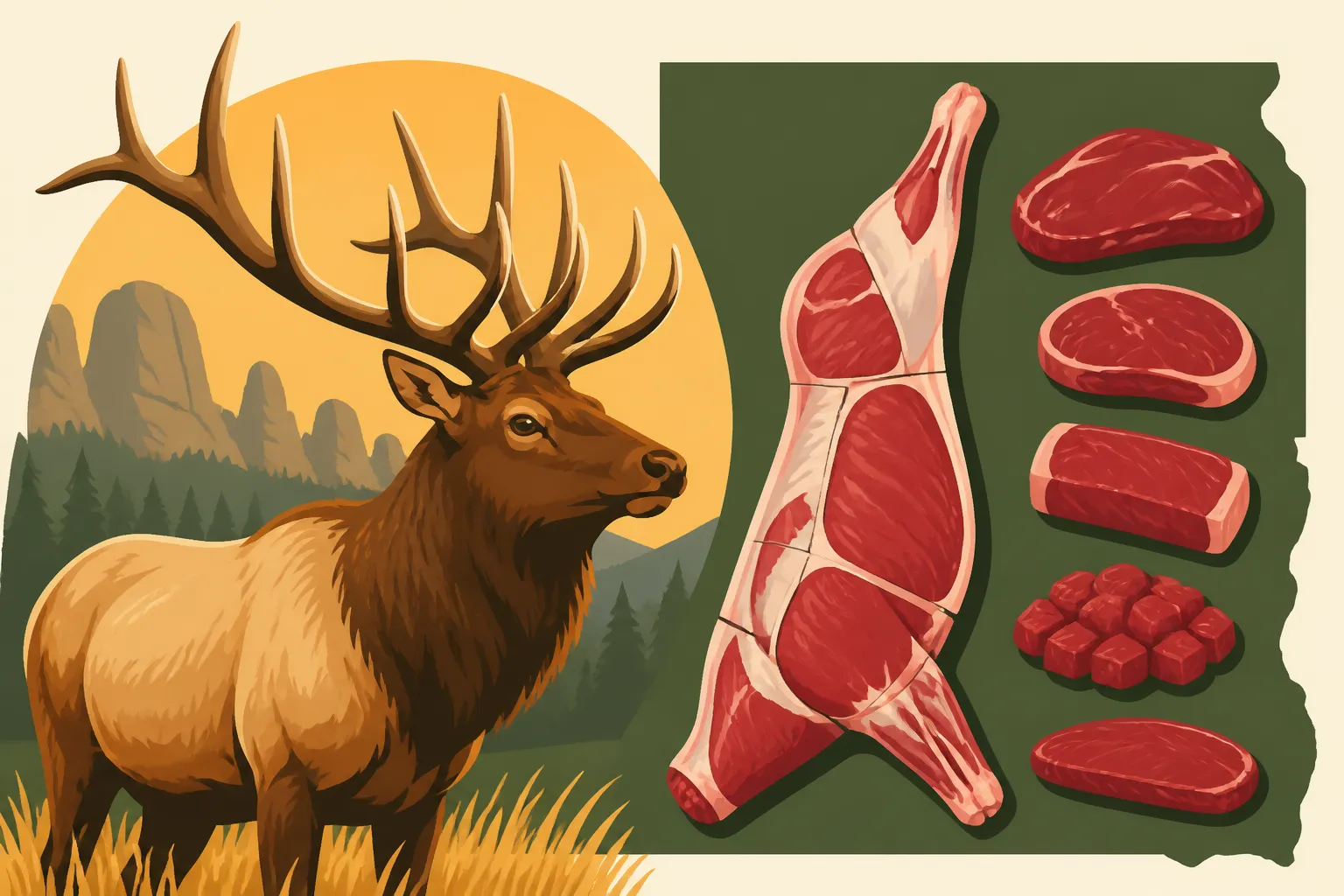
First, you'll field dress the animal, which means removing the entrails. This typically reduces the weight by about 25-35%. So, a 700-pound live weight bull might field dress around 450-525 pounds. From that field-dressed weight, you're then looking at boneless meat yield, which is generally about 50-60% of the field-dressed weight. This means an average Black Hills bull might yield anywhere from 225 to 350 pounds of boneless meat. A truly exceptional, large bull could push that closer to 400 pounds or even a bit more, but those are the outliers. These are lean pounds, packed with protein, and a single animal can truly feed a family for a very long time, making the effort of Hunting Elk on Steep Black Hills Ridges or Calling Elk in Black Hills Timber incredibly worthwhile.
Comparing this to, say, a smaller cow elk or even a deer, the sheer volume is impressive. While a mule deer might give you 70-100 pounds of boneless meat, an elk is on a whole other level. This significant yield is precisely why many hunters value an elk tag so highly – it's a huge investment of time, effort, and money, but the return in sustainable, healthy protein is immense.
Maximizing Your Elk Meat Yield
Getting the most meat possible from your Black Hills bull isn't just about the size of the animal; it's also heavily influenced by how you handle it from the moment it hits the ground. Every step, from field dressing to transport and butchering, plays a critical role in preserving the quality and maximizing the quantity of your hard-earned elk meat. Neglecting any of these steps can lead to wasted meat or a diminished eating experience.
The Importance of Proper Field Dressing
The moment you harvest an elk in the Black Hills, the clock starts ticking. Proper field dressing is paramount for cooling the carcass quickly, which is the single most important factor in preventing spoilage and ensuring good meat quality. For an animal as large as an elk, especially in the variable temperatures you can experience in the Black Hills, speed and thoroughness are key.
Start by getting the guts out as swiftly and cleanly as possible. This removes a significant source of heat. Then, open up the chest cavity to allow for air circulation. If you're on a hillside, positioning the elk with its head downhill can help drain blood more effectively. Many hunters in the Black Hills will opt to quarter their elk in the field, which means breaking it down into manageable sections (four quarters, backstraps, tenderloins, neck meat, etc.) right where it fell. This not only speeds cooling further but also makes the monumental task of Packing Meat Up a Steep Draw much more feasible. Carrying out four separate quarters in specialized game bags is far easier than trying to drag or somehow transport a whole, field-dressed elk. Make sure your knives are sharp, and consider bringing a small, portable saw for cutting through bone if you plan to bone out in the field. Every careful cut prevents waste and ensures more meat for your table.
Handling and Transporting Meat
Once your elk is field-dressed or quartered, the focus shifts to cooling and protecting the meat. Game bags are an absolute must. These breathable cloth bags protect the meat from flies, dirt, and debris while allowing air to circulate, which is vital for forming a protective "crust" on the meat that further inhibits bacterial growth. Don't skimp on quality here; cheap pillowcases won't cut it.
The rugged terrain of the Black Hills means you might have a long haul back to your vehicle. If temperatures are mild, getting the meat off the ground and into the shade is crucial. Hanging quarters from a sturdy branch allows air to flow all around them. If it's particularly warm, you might even consider putting ice in porous bags directly into the body cavity or around the quarters, ensuring the melting water can drain away without soaking the meat. Once at your vehicle, a significant amount of ice in large coolers is necessary for transport, especially if you have a long drive home. Make sure the meat doesn't sit in melted water; use racks or elevate it if possible. Following tips for Getting Meat Cooled in Warm Weather and effective use of Coolers and the Drive Home can be the difference between perfectly aged meat and a tough, spoiled disappointment. Even the toughest hunter can find their limits when trying to move an entire elk, so quartering and careful packing are essential steps for maximizing yield.
Butcher Practices for Higher Yield
Even after you've done everything right in the field, the final yield can still be impacted by the butcher. A skilled wild game butcher understands how to maximize every ounce of meat, making smart cuts and minimizing waste. They know that every bit of muscle is valuable and they'll approach the carcass with precision.
Some hunters prefer to bone out their elk entirely themselves, which gives them ultimate control over the cuts and trim. However, for most, taking it to a professional is the best option. Discuss your preferences with the butcher beforehand: do you want boneless cuts exclusively? How much trim do you want ground for burger or sausage? Do you want specific roasts or more steaks? A good butcher can turn the neck and shanks into excellent stew meat or grind, instead of simply discarding them. They can meticulously clean up the backstraps and tenderloins, ensuring no edible parts are left behind. In contrast, a less experienced or hurried butcher might be more aggressive with trimming, tossing valuable meat with bone dust and fat, inadvertently reducing your usable yield. Taking the time to find a reputable wild game processor is an investment that pays dividends in your freezer. If you're using resources like GoHunt to scout and plan your hunt, you might even find community recommendations for processors in various areas of the Black Hills.
Practical Considerations for Elk Meat Storage and Use
Once your Black Hills bull is butchered and packaged, you're faced with a new set of considerations: how to store all that delicious meat and how to best incorporate it into your cooking. Elk meat is a fantastic, healthy protein source, but its lean nature means it handles a bit differently than beef. Planning ahead for freezer space and understanding its culinary characteristics will ensure you enjoy every single meal.
Estimating Your Freezer Space Needs
This is where reality often sets in for first-time elk hunters. That 250-350 pounds of boneless meat takes up a lot of space! You can't just shove it into a standard kitchen freezer. A dedicated chest or upright freezer is almost a necessity.
Here's a rough guide for estimating freezer space:
- 1 cubic foot of freezer space holds approximately 35 pounds of packaged meat.
Using this guideline, if you harvest a bull yielding 300 pounds of boneless meat, you'll need about 8.5 to 9 cubic feet of freezer space. If you're lucky enough to get closer to 400 pounds, you're looking at around 11-12 cubic feet. This is significant! For example, a common medium-sized chest freezer might be 7-9 cubic feet, which would be just enough for an average bull. A larger, more robust chest freezer in the 15-20 cubic foot range would offer comfortable storage with room to spare for other items, which is often preferable. Always err on the side of having more space than you think you'll need. It's much better to have too much room than to be scrambling for space the day your meat is ready for pickup.
| Estimated Boneless Meat Yield (lbs) | Estimated Freezer Space Needed (cubic feet) | Example Freezer Size |
|---|---|---|
| 200 | ~5.7 | Small Chest Freezer |
| 250 | ~7.1 | Medium Chest Freezer |
| 300 | ~8.5 | Medium Chest Freezer |
| 350 | ~10.0 | Large Chest Freezer |
| 400 | ~11.4 | Large Upright Freezer |
Note: These are approximations. Actual space can vary based on packaging size and shape.
Planning Your Meals with Elk
The beauty of elk meat lies in its versatility and incredible flavor. It's naturally lean, rich in protein, and has a distinct, mild wild game taste that's less "gamey" than some other venison. This means you can substitute it into almost any recipe that calls for beef, with a few minor adjustments.
You'll get a variety of cuts from your Black Hills bull: prime steaks (backstraps, often called "loins," and perhaps some choice sirloins or rounds), roasts (hindquarter roasts, shoulder roasts), stew meat, and a significant amount of ground elk. The ground elk is incredibly versatile for chili, tacos, spaghetti, or burgers. Roasts are fantastic slow-cooked, absorbing flavors beautifully. Steaks, being so lean, are best cooked quickly to medium-rare to avoid drying out. Marinating can also help. Don't forget cuts like the heart and liver, which are nutrient-dense and highly prized by some hunters.
Think about how you eat and how to best utilize each cut. Planning ahead with recipes will ensure you enjoy the meat throughout the year. The initial effort of finding and harvesting a Black Hills bull, like understanding South Dakota Elk Season Dates and Black Hills Elk Herd History, culminates in a year-long supply of healthy, organic protein for you and your family. It's a connection to the land and a sustainable way to fill your freezer, offering healthy meals and stories for years to come.
Disclaimer
This article is for general informational purposes only and does not constitute professional advice. Laws, prices and regulations vary by location and change over time. Consult a qualified professional for guidance on your specific situation.