Weather Days and Who Absorbs Them
There's nothing quite like the excitement leading up to a long-planned hunting trip to South Dakota. You've booked your time off, bought your tags, packed your gear, and dreamt of those crisp prairie sunrises. But then, Mother Nature decides to throw a wrench in the works, bringing a blizzard, an ice storm, or extreme winds that make hunting impossible or unsafe. It’s a gut-punch, a truly crushing disappointment, and suddenly you’re left wondering: what happens now? Who is responsible for these "weather days," and who absorbs the financial and emotional blow? This guide aims to shed light on how outfitters and hunters navigate these unpredictable situations in the rugged South Dakota landscape.
The Harsh Reality of South Dakota Weather and Its Impact on Hunts
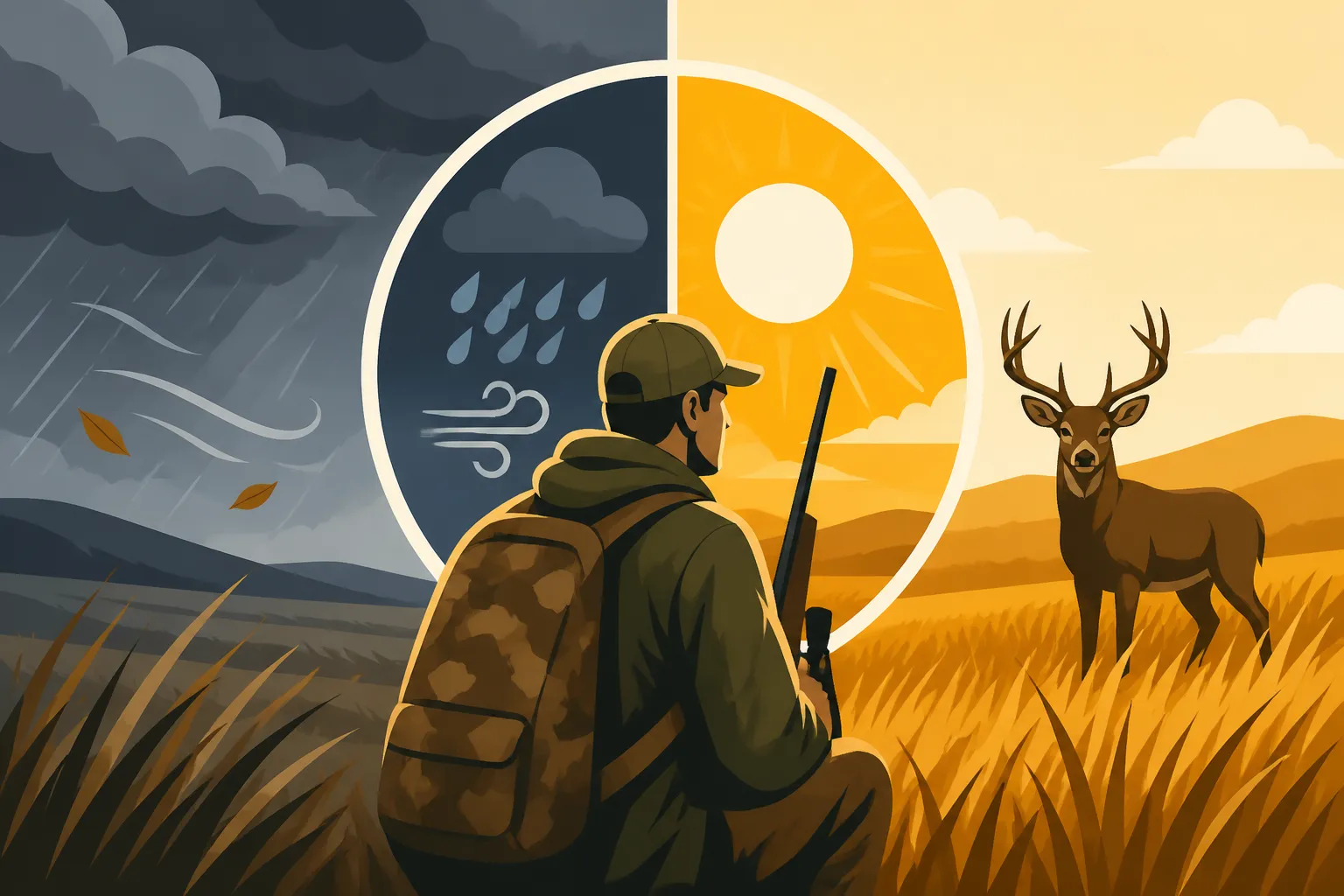
South Dakota is a land of extremes, and while that contributes to its incredible hunting opportunities, it also means unpredictable weather. A bluebird day can turn into a whiteout in a matter of hours, and understanding this inherent risk is the first step in preparing for a successful hunt, even if it means preparing for the worst.
Understanding South Dakota's Unpredictable Climate
Anyone who has spent time on the South Dakota prairie knows that the weather can be a fierce, unforgiving mistress. Early pheasant openers can be scorching hot, posing risks for dogs and hunters alike, while a late-season deer hunt can be plagued by brutal blizzards that dump feet of snow and bring visibility to near zero. We're talking about conditions that aren't just uncomfortable; they can be downright dangerous. Imagine trying to chase pheasants in a wind that knocks you off your feet, or glassing for mule deer when the horizon is completely obscured by blowing snow. Ice storms can coat everything, making roads impassable and trees dangerous, and even heavy rains can turn prairie two-tracks into impassable mud bogs. These aren't just inconveniences; they are genuine threats to safety and make effective hunting impossible. Layering for South Dakota Wind is essential, but sometimes even the best gear isn't enough when the weather truly rages.
The impact isn't just on hunter comfort, but on the game itself. When a true blizzard hits, pheasants burrow deep into heavy cover like cattail sloughs and shelterbelts, hunkering down and refusing to move. They're often literally unhuntable. Antelope, known for their incredible eyesight, become ghosts in a whiteout, and their speed means they can cover vast distances unseen. Deer, especially in extreme cold or deep snow, will bed down in the thickest timber or coulees, conserving energy, making them incredibly difficult to locate or stalk ethically. Weather isn't just a nuisance; it fundamentally alters the behavior and accessibility of the game you're after.
How Weather Can Halt Your Hunting Plans
When severe weather rolls in, it's not just about a less-than-ideal hunting experience; it often means the entire operation grinds to a halt. Safety is, and should always be, the primary concern for any reputable outfitter. They have a responsibility to their clients and their guides to ensure everyone returns home safely. This might mean postponing a morning hunt, canceling an entire day, or even cutting a trip short.
Travel disruptions are a huge factor. A major blizzard can shut down interstate highways, grounding flights and making it impossible to even reach your hunting destination. Imagine flying into Sioux Falls or Rapid City, only to find your rental car can't make it to your lodge because the county roads are closed. This isn't theoretical; it happens every year in South Dakota. Your carefully planned schedule evaporates, and the money spent on non-refundable flights, car rentals, and even pre-booked accommodation outside the lodge can be lost. Even if you manage to arrive, game behavior can be so negatively impacted by extreme conditions that continuing the hunt is simply not productive or ethical. You might have Late-Season Hunting in South Dakota Snow planned, but a severe storm can push even the hardiest hunters indoors. And let's not forget the financial hit of unused licenses; a South Dakota nonresident big game license, for example, isn't cheap, and if you can't hunt the days you paid for, that money is typically gone.
Outfitter Policies and Contractual Nuances for Weather Days
Navigating weather disruptions with an outfitter can be tricky, and it primarily comes down to what's in your contract. This is where the rubber meets the road, and why upfront communication and careful reading are absolutely vital.
Common Outfitter Approaches to Weather Disruptions
Most outfitters operate under what are often called "Act of God" clauses. Essentially, these clauses state that if an event beyond the outfitter's control – like severe weather, natural disaster, or unexpected closures – prevents the hunt from taking place as planned, they are not held liable for the disruption. This means that typically, you won't receive a full refund for lost hunting days if the weather is truly unhuntable. It's a tough pill to swallow, but it's a standard practice in the industry because outfitters cannot control the weather any more than you can.
What you can often expect, however, are other arrangements. Many outfitters will offer to reschedule your hunt for a later date in the same season, or even roll your deposit over to the following year. This is a common and fair compromise, though it often comes with caveats. Rescheduling depends heavily on the outfitter's availability, and prime dates might already be booked. There might be a rebooking fee, or the credit might expire after a certain period. Partial refunds are extremely rare and usually only happen if the outfitter genuinely cannot provide any part of the contracted service, for reasons entirely within their control, which usually doesn't apply to weather. Some lodges, especially those specializing in pheasants, might offer alternative activities if conditions temporarily improve, but don't count on it during a full-blown blizzard.
The Importance of Your Outfitter Contract
This cannot be stressed enough: read your outfitter contract carefully before you sign it. This document is your best friend (or worst enemy) when it comes to understanding what happens if weather intervenes. Look for specific language addressing cancellations, postponements, and what constitutes an "unhuntable" day. Don't assume anything; if it's not in writing, it's not a guarantee.
When you're first making inquiries, this is one of the most crucial questions to ask: "What is your policy for severe weather, like a blizzard or extreme cold, that makes hunting unsafe or impossible?" Pin them down on specifics:
- Do I get a refund for lost days?
- Can I reschedule, and if so, is there a fee?
- How far out can I reschedule?
- What happens to my deposit?
- Who makes the final call on whether conditions are safe to hunt?
Some online booking platforms, like BookYourHunt, often display outfitter cancellation policies clearly as part of their listings, which can be a real time-saver in your research phase. Even if you're not booking through a platform, it's a good practice to ask for a sample contract well in advance. Don't be afraid to ask for clarification on any terms you don't understand. Reputable outfitters will be transparent and willing to discuss these scenarios openly. Platforms like GoHunt might not directly handle bookings, but they often provide resources and articles that encourage hunters to thoroughly vet their chosen outfitter and understand these critical contractual elements.
| Policy Aspect | Typical Outfitter Stance (Weather Days) | Hunter's Responsibility/Mitigation |
|---|---|---|
| Refunds | Generally no cash refunds for "Act of God" events. | Consider trip/hunt insurance. |
| Rescheduling | Often offered as a credit for future dates, subject to availability/expiration. | Ask about terms; be flexible with dates; book well in advance for options. |
| Deposit | Typically non-refundable, may be applied to a rescheduled hunt. | Understand the deposit agreement before paying. |
| Decision Authority | Outfitter makes final call on safety/hunt viability. | Trust their judgment; ask about their safety protocols upfront. |
| Lost Trip Costs | Not typically covered by outfitter (flights, licenses, lost wages). | Invest in comprehensive hunt/travel insurance. |
Strategies for Hunters to Mitigate Weather Day Risks
While you can't control the weather, you certainly aren't powerless. There are proactive steps you can take as a hunter to minimize the financial sting and disappointment that comes with a weather-impacted hunt.
Securing Travel and Hunt Insurance
This is perhaps the single most impactful thing you can do to protect your investment. Hunt insurance, or comprehensive travel insurance that covers hunting trips, is specifically designed for scenarios like weather-related cancellations or interruptions. Think of it as your safety net against the unpredictable. Hunt Insurance Worth Buying often seems like an extra expense, but when you consider the cost of an entire trip, it's a small price to pay for peace of mind.
These policies can cover a multitude of issues:
- Trip Cancellation: If you can't even get to South Dakota because your flights are grounded due to a blizzard, your non-refundable airfare, hotel bookings, and even the cost of your hunt (minus specific exclusions) could be reimbursed.
- Trip Interruption: If you're already at the lodge and a massive ice storm forces an early departure or prevents further hunting, the insurance might cover the unused portion of your trip and any additional costs for unexpected accommodation or travel home.
- Medical Emergencies: While not directly weather-related, severe weather can delay medical transport in an emergency, highlighting the overall importance of robust coverage.
When purchasing hunt insurance, pay close attention to the fine print. Ensure that "severe weather" or "natural disasters" are explicitly listed as covered reasons for cancellation or interruption. Some policies might have exclusions or waiting periods. It's wise to purchase this insurance shortly after you make your initial deposit for the hunt, as some benefits are time-sensitive. Don't wait until a week before your trip; by then, a hurricane might already be brewing, and it will be too late to cover it.
Flexible Planning and Communication
Being flexible in your planning can also provide a buffer against weather woes. If your schedule allows, consider booking a trip that's a day or two longer than the bare minimum. This gives you a crucial buffer in case the first day is a washout. For instance, if you're on a three-day pheasant hunt and a blizzard hits on day one, having that extra day built in means you might still get two full days of hunting in after the weather clears.
Choosing your hunting dates carefully can also play a role, though in South Dakota, it's always a gamble. While the pheasant opener is legendary, it can also be incredibly busy and sometimes quite warm. Late season can offer fantastic hunting, but the risk of extreme cold and heavy snow skyrockets. Do your research into typical weather patterns for different times of year in your chosen region. South Dakota Pheasant Season Structure and other species' season dates can give you an idea of when to plan.
Finally, maintain open lines of communication with your outfitter. As your trip approaches, especially if there's any inkling of bad weather in the forecast, reach out to them. They are on the ground and will have the most current, accurate information about local conditions, road accessibility, and what they anticipate for your hunt. Don't badger them, but a polite check-in a few days before arrival is entirely appropriate. They might advise you to adjust your travel plans, or even suggest delaying your departure by a day if conditions are predicted to clear up quickly.
The Hunter's Financial and Experiential Burden
Even with insurance and careful planning, the reality is that weather days can still hit your wallet and your spirit hard. It’s important to acknowledge these burdens and factor them into your overall hunting aspirations.
The Financial Hit Beyond the Outfitter Fee
While hunt insurance can mitigate many direct costs, there are often indirect financial hits that add up. Think about the vacation days you used from work; these are often non-refundable and essentially "lost" if your hunt is cut short. Then there are the smaller, but significant, costs you might have incurred: non-refundable dog boarding fees if you're bringing your retriever, special gear rentals, or perhaps a pre-hunt visit to the shooting range for practice that now feels wasted. Your South Dakota hunting license, whether it's for pheasants or a coveted deer tag, is rarely refundable, meaning you've paid for the privilege to hunt days you might not get.
Let's say you've invested in specialized cold-weather gear, knowing how brutal South Dakota winters can be, only for an early season heatwave to render it useless, or a blizzard to cancel the hunt entirely. Or perhaps you had to pay for additional kennel fees because your dog's stay was extended due to travel delays. These seemingly small costs accumulate, turning an already disappointing situation into a compounding financial frustration. It’s not just the big-ticket items; it’s the sum of all the little preparations and investments that make a hunt possible.
Managing the Disappointment and Future Planning
The emotional toll of a cancelled or severely impacted hunt is often overlooked. You've invested time, anticipation, and dreams into this trip. When a storm blows in and shatters those expectations, it's perfectly normal to feel profoundly disappointed, frustrated, and even angry. Validate those feelings. It's not just about the money; it's about the experience, the adventure, and the camaraderie that was supposed to happen. It's okay to be bummed out when you’ve been looking forward to South Dakota Pheasant Hunting Tactics for the Opener all year, and it’s suddenly put on hold.
Learning from the experience is key to future planning. If you found yourself caught unprepared, reflect on what could have been done differently. Did you adequately research the outfitter's weather policy? Did you consider hunt insurance? Could you have built in more flexible travel plans? Use resources like GoHunt to delve deeper into historical weather data for specific South Dakota units or during different seasons. They might provide insights into which periods are generally less prone to severe disruptions, though no guarantee ever exists on the prairie.
Sometimes, the best strategy is simply to embrace the unpredictability. South Dakota is wild, and that's part of its allure. While you can plan and insure against the worst, occasionally, Mother Nature simply wins. The true resilience of a hunter is not just in enduring tough conditions but in adapting to the unexpected and finding a way to enjoy the journey, even if it takes an unforeseen detour. Maybe that means rescheduling, maybe it means a different kind of trip next year, but the spirit of the hunt endures.
Disclaimer
This article is for general informational purposes only and does not constitute professional advice. Laws, prices and regulations vary by location and change over time. Consult a qualified professional for guidance on your specific situation.