Why the Opener Falls on the Third Saturday
Every year, as autumn colors begin to paint the South Dakota landscape, many hunters eagerly anticipate the pheasant opener, often wondering why it consistently falls on that specific third Saturday in October. It might seem like an arbitrary date to an outsider, or even a source of slight frustration for those eager to get out into the fields earlier, but this timing is actually a carefully considered decision, steeped in tradition, biology, and economic wisdom, all aimed at creating the best possible experience and ensuring the long-term health of our beloved pheasant population. This guide will walk you through the many reasons behind this perennial choice, explaining the history, biological factors, and practical considerations that solidify the third Saturday as the official start to South Dakota's renowned pheasant season.
The Historical Roots of the South Dakota Pheasant Opener
South Dakota didn't just wake up one day and decide on the third Saturday in October. This tradition has evolved over decades, shaped by the growth of pheasant hunting, early management efforts, and a continuous learning curve about what makes for a sustainable and enjoyable season. Understanding this history helps us appreciate the deliberate nature of the current regulations.
Early Hunting Traditions and Game Management
When pheasants were first introduced to South Dakota in the late 19th and early 20th centuries, they thrived in our rich agricultural environment. As their populations exploded, so did the interest in hunting them. Initially, hunting seasons were less formalized, with local customs and smaller hunter numbers dictating when and where people pursued these colorful birds. It was a simpler time, when the sheer abundance of pheasants often seemed limitless, and the focus was largely on the novelty and excitement of this new game bird. However, as the word spread about South Dakota being the "Pheasant Capital of the World," hunter numbers grew exponentially.
This surge in popularity quickly brought the need for more structured game management. Early wildlife officials realized that unregulated hunting, while perhaps harmless in sparse populations, could quickly lead to overharvest and destabilize the pheasant population. They began implementing basic season dates and bag limits, attempting to balance hunter opportunity with conservation. These initial efforts were often experimental, testing different opening dates and durations to see what worked best for both the birds and the burgeoning hunting tourism industry that was beginning to take root across the state. The idea was to create a framework that ensured plenty of birds for everyone, year after year, laying the groundwork for the robust season we enjoy today.
Evolution of Season Setting Principles
Over time, game management evolved from rudimentary trials to a more scientific, data-driven approach. Wildlife biologists in South Dakota began conducting detailed pheasant surveys, studying nesting success, brood counts, and winter survival rates. They tracked the impact of varying season dates on overall pheasant numbers, paying close attention to factors like hen survival and rooster-to-hen ratios. These studies revealed critical insights into the pheasant's life cycle and vulnerability.
The shift towards these science-based principles meant that decisions about season dates were no longer arbitrary. Instead, they were informed by real-world data and ecological understanding. Harvest data, collected from hunters and processors, became invaluable in assessing the previous season's impact. This continuous feedback loop allowed the South Dakota Game, Fish and Parks (GFP) to fine-tune season structures. The goal was always to set a date that allowed for maximum hunter enjoyment and economic benefit, without compromising the long-term health of the pheasant population. This meticulous approach eventually solidified the third Saturday in October as the optimal opening day, a date proven over decades to strike the right balance. You can learn more about how these populations are monitored in our article on South Dakota Pheasant Population History.
Biological Considerations for the Third Saturday
The pheasant opener isn't just picked from a calendar; it's deeply rooted in the biology of the ring-necked pheasant. The third Saturday in October specifically aligns with crucial developmental stages of the birds, ensuring a quality hunt while protecting the future of the species.
Peak Pheasant Maturity and Coloration
One of the primary biological reasons for the late October opener is to ensure that the young-of-the-year roosters have reached full maturity. Pheasants, especially those hatched later in the spring or early summer, need time to grow into their adult size and, perhaps most importantly for hunters, develop their iconic, vibrant plumage. An immature rooster might still be a bit scrawny, with less developed tail feathers and duller coloration.
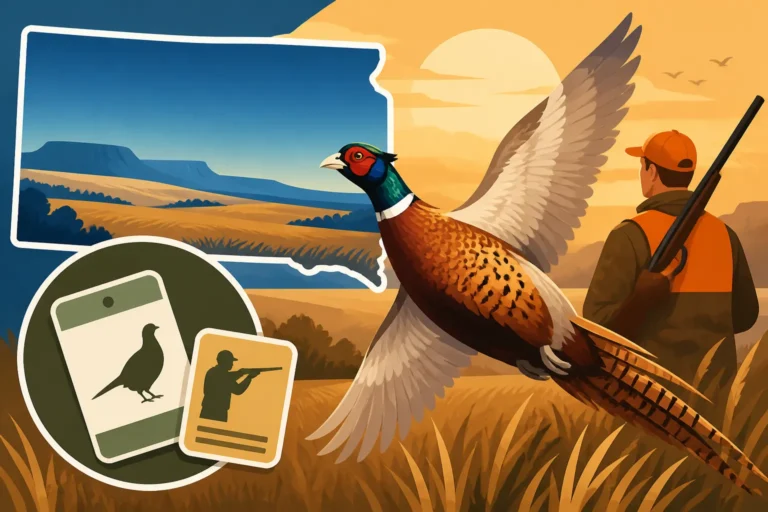
By the third Saturday in October, the vast majority of young roosters have shed their juvenile feathers and are sporting their full, brilliant adult colors – the iridescent green head, the crisp white neck ring, and the long, flowing tail. This full coloration isn't just for aesthetics; it's a critical factor in hunter identification. It allows hunters to easily distinguish roosters from hens, preventing accidental takes of hens which are crucial for future breeding success. Hunting fully mature, brightly colored roosters is not only a more rewarding experience for the hunter but also an ethical one, ensuring that the birds harvested are at their prime. This timing ensures that you're pursuing truly magnificent birds, a hallmark of Why South Dakota Is the Pheasant Capital.
Protecting Young Birds and Hens
Beyond just looking good, allowing young pheasants to mature is a cornerstone of sustainable hunting practices. If the season opened too early, say in September, many juvenile birds wouldn't be fully grown. They would be smaller, faster, and more difficult to identify accurately. This could lead to a higher probability of accidentally shooting hens, which are strictly protected to maintain a healthy breeding population. Hens are the backbone of future pheasant numbers; without enough of them, next year's hatch would suffer significantly.
Furthermore, an earlier season could mean that birds are physically smaller, offering less meat and a less substantial trophy. By waiting until the third Saturday, the GFP ensures that the harvest primarily targets robust, fully developed roosters, minimizing the impact on the overall population's reproductive potential. This patience pays dividends, safeguarding the consistent pheasant numbers that South Dakota is famous for, and helps mitigate issues that can arise, such as those related to Winter Severity and South Dakota Pheasant Survival. It’s a conservation strategy that benefits both the wildlife and the hunting community in the long run.
Socio-Economic and Logistical Factors
While biology is paramount, the timing of the pheasant opener is also heavily influenced by the practical realities of farming, the economy, and the overall hunting experience in South Dakota. These factors contribute significantly to why the third Saturday in October is such a well-established and successful date.
Farmer Harvest Schedules and Field Access
One of the most critical logistical considerations for the South Dakota pheasant opener is the state's vast agricultural landscape. South Dakota is a major producer of corn and soybeans, crops that provide essential food and cover for pheasants throughout the year. However, these fields are often still standing in early October. Farmers are diligently working to bring in their harvests, and their operations take precedence.
An earlier opener would mean significant conflicts with active farming. Hunters might inadvertently damage crops, interfere with heavy machinery, or simply lack access to fields that are still privately owned and being worked. By delaying the opener until the third Saturday, it allows the vast majority of corn and soybean fields to be harvested. This timing opens up thousands of acres of critical pheasant habitat – particularly the stubble fields, shelterbelts, and cattail sloughs adjacent to harvested ground – making them accessible for hunting. It's a pragmatic decision that respects the livelihoods of South Dakota's farmers and ensures that hunters have ample, safe areas to pursue birds. This cooperation is vital for hunters using both private land and publicly accessible areas like Hunting South Dakota Walk-In Areas.
Hunter Experience and Outfitter Planning
The consistency of the third Saturday opener is a massive benefit for both resident hunters and the thousands of non-residents who flock to South Dakota each fall. For hunters, a predictable opening date allows for year-round planning. Families can schedule vacations, groups of friends can coordinate travel, and individuals can make arrangements for time off work well in advance. This eliminates uncertainty and makes it much easier to commit to a hunt.
For the robust outfitting and guiding industry in South Dakota, this predictability is absolutely crucial. Outfitters and lodges, many of whom run multi-day pheasant hunting packages, can book clients years in advance. This stable scheduling allows them to manage their staff, dog teams, and property leases effectively, contributing significantly to the state's economy. The economic impact of pheasant hunting is immense, generating millions of dollars annually for rural communities, from hotels and restaurants to gas stations and sporting goods stores. Knowing the exact opener helps outfitters provide top-tier services, like those detailed in our guide on Booking a South Dakota Pheasant Hunt, and ensures a steady flow of tourism dollars into the state.
Spreading Out Hunting Pressure
While it might seem counterintuitive, a single, universally known opening day can actually help manage and distribute hunting pressure more effectively than a staggered or variable system. If the opener changed year to year, or if different regions had different opening dates, it could lead to confusion and concentrated pressure on whichever areas opened first. A consistent date provides a clear signal to all hunters, allowing them to spread out across the state's vast hunting grounds.
Hunters, knowing when the season begins, tend to disperse to their preferred spots, whether it's public Walk-In Areas, Game Production Areas, or pre-arranged private land access. This can help reduce intense overcrowding in any one specific area, especially on that initial Saturday morning. It also fosters a sense of shared anticipation and tradition, uniting the hunting community around a singular, celebrated event. This managed approach to access, along with resources like the South Dakota Hunting Handbook Release, helps ensure a safer, more enjoyable experience for everyone involved, from new hunters learning about South Dakota Hunter Safety Requirements to seasoned veterans.
The Role of the South Dakota Game, Fish and Parks Commission
The final authority on setting the pheasant season opener, and all other hunting regulations, rests with the South Dakota Game, Fish and Parks (GFP) Commission. Their decisions are not made in a vacuum but are the result of extensive research, public consultation, and a commitment to both conservation and recreational opportunity.
Public Input and Commission Decisions
The GFP Commission plays a vital role in balancing the diverse interests of hunters, landowners, and the general public with the ecological needs of wildlife. Before any season dates or regulations are finalized, the GFP conducts biological surveys, analyzes harvest data, and actively solicits public input. This process often includes public meetings, online surveys, and opportunities for individuals to submit comments and concerns.
These proposals are meticulously reviewed by the GFP staff, including wildlife biologists and enforcement officers, who then make recommendations to the appointed GFP Commission members. The Commission, comprised of citizens from across the state, debates these proposals and ultimately votes on the final regulations. The decision to keep the pheasant opener on the third Saturday in October is a recurring one that consistently garners strong support, largely because of the compelling biological and socio-economic reasons discussed earlier. It's a testament to a transparent process that values both scientific data and the voices of those who love to hunt in South Dakota.
Consistency and Predictability for Hunters
One of the greatest virtues of the third Saturday opener is its unwavering consistency. Imagine the chaos if the opening day shifted randomly each year! Hunters would struggle to plan, outfitters would face booking nightmares, and local economies would suffer from unpredictable tourism. The fixed date provides a bedrock of predictability that hunters have come to rely on.
This consistent scheduling allows individuals to plan their annual hunting trips with confidence, often booking lodging or time off from work more than a year in advance. It simplifies the process of applying for South Dakota Pheasant Season and Licences and ensures everyone knows exactly when it’s time to hit the fields. This long-standing tradition has become an integral part of the South Dakota pheasant hunting experience itself, a ritual that brings friends and families together year after year, fostering a deep connection to the land and the sport. It also provides a stable framework for other related regulations, such as Ten a.m. Start Times and Bird Behaviour on opening day.
Here's a quick overview of why the South Dakota pheasant opener consistently falls on the third Saturday in October:
| Factor | Reason for Third Saturday Opener | Benefit to Hunters/Birds |
|---|---|---|
| Biological Maturity | Allows young roosters to reach full size and develop vibrant plumage. | Better trophy quality, easier rooster identification, ethical hunt. |
| Hen Protection | Reduces risk of accidental hen harvest, safeguarding breeding stock. | Sustainable pheasant population for future years. |
| Farmer Harvest | Most corn/soybean harvest is complete, opening up fields for access. | Ample hunting grounds, reduced conflict with agriculture. |
| Economic Planning | Predictable date for outfitters, lodges, and hunters to plan. | Boosts hunting tourism, supports rural economies. |
| Hunting Pressure | Distributes hunters across the state; reduces localized overcrowding. | Safer, more enjoyable hunt for all participants. |
| Tradition & Predictability | Consistent date creates a reliable annual event for planning. | Ease of scheduling, fosters community and shared experience. |
| GFP Commission | Data-driven decision based on biology, economics, and public input. | Ensures long-term health of resource and quality hunting. |
Disclaimer
Please remember that hunting regulations, season dates, and license requirements can change. Always consult the most current South Dakota Game, Fish and Parks (GFP) official regulations and publications before planning and undertaking any hunting activities. This article is intended for informational purposes only and should not be considered a substitute for official legal guidance from the South Dakota GFP.