Insurance an Outfitter Should Carry
It’s a common scenario: you’ve spent months, maybe even years, dreaming of that South Dakota hunt. You’re picturing crisp fall mornings, the flush of a rooster pheasant, or the wide-open prairie where a mule deer might appear. When it comes to booking a hunt with an outfitter, it’s easy to get caught up in the excitement of the chase, the trophy, or the camaraderie. But what many hunters don’t think about, until something unexpected happens, is the critical importance of an outfitter’s insurance. Accidents, unfortunately, are a part of life, even in the best-planned adventures. This guide aims to shed light on why your outfitter's insurance matters, what types of coverage to look for, and how to ensure you're protected should the unthinkable occur.
Why an Outfitter’s Insurance is Your Peace of Mind
When you step onto an outfitter's property or into their vehicles, you're placing a degree of trust in their hands. Hunting, by its very nature, carries inherent risks. There are firearms, unpredictable wildlife, rugged terrain, and the possibility of vehicle mishaps on remote two-track roads. While no one ever wants an accident to happen, a responsible outfitter understands these risks and takes proactive steps to protect both their business and their clients. Their insurance isn't just a legal requirement for them; it's a vital safety net for you.
Imagine you're on a guided pheasant hunt in central South Dakota, pushing a thick cattail slough with the outfitter's dogs, and you slip on an unseen patch of ice, twisting your ankle badly. Or perhaps, during a long drive to a new hunting spot, the outfitter's vehicle is involved in a minor fender-bender on a gravel road, damaging your shotgun. These aren't far-fetched scenarios; they're real possibilities in the dynamic environment of a hunt. Without proper insurance, the financial burden of medical care, property repair, or even legal fees could fall squarely on your shoulders, turning a dream hunt into a nightmarish ordeal.
A reputable outfitter isn't just selling a hunt; they're providing a service that involves significant responsibility. They are responsible for the safety of their clients, the condition of their equipment, and the general operations of their business. Understanding their insurance coverage helps you gauge their professionalism and commitment to client welfare. It demonstrates that they've thought through potential liabilities and have taken steps to mitigate them. Don't forget, you also have a role to play in your safety, but the outfitter’s coverage handles circumstances beyond your immediate control. When doing your research, checking review platforms like BookYourHunt, you might find discussions about outfitter professionalism, which often includes their preparedness for unforeseen events.
Essential Insurance Coverage for South Dakota Outfitters
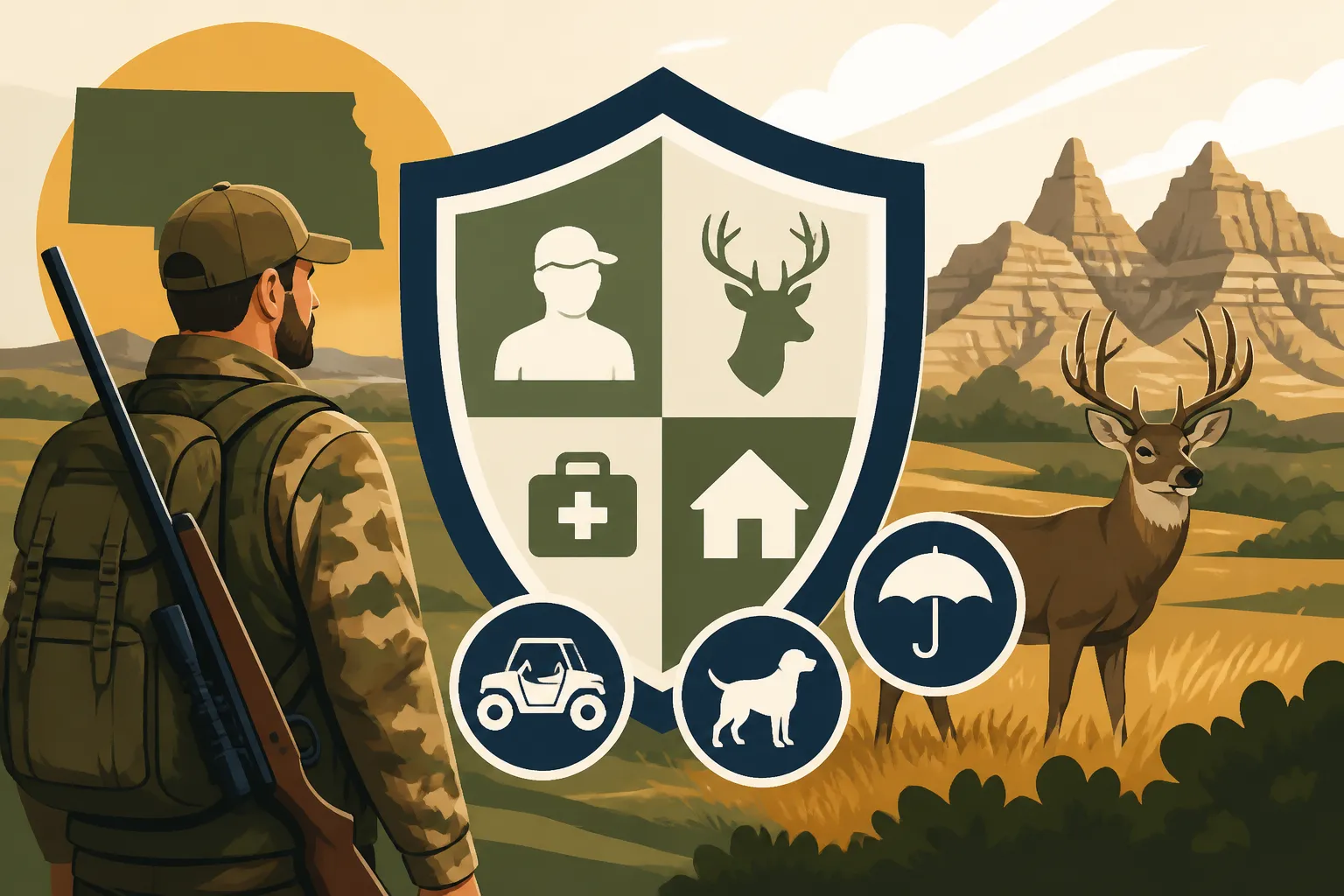
Just like you might consider Hunt Insurance Worth Buying for your own trip cancellation or gear, outfitters need specific types of insurance to cover the wide range of activities and liabilities associated with guiding hunters. These policies are designed to protect against common risks, ensuring that if something goes wrong, there's a mechanism in place for resolution without severe financial strain on either party.
Commercial General Liability CGL
This is, hands down, the most crucial type of insurance an outfitter should carry. Commercial General Liability, or CGL, is designed to protect businesses from claims of bodily injury or property damage that occur on their premises or as a result of their operations. Think of it as the foundational coverage for any client-facing business, and especially one involving the inherent risks of hunting.
For an outfitter, CGL would typically cover things like:
- Client injuries: If a hunter is accidentally injured during the hunt due to the outfitter's negligence or an unforeseen incident on their property (e.g., slipping on a broken step at the lodge, getting injured by an outfitter's vehicle on their grounds, or a hunting accident where the outfitter is found liable).
- Property damage: If the outfitter or one of their employees accidentally damages a client's gear, clothing, or vehicle while under their care. For instance, if a guide's dog chews up a hunter's expensive shotgun case in the truck, or a lodge employee breaks a client's optics.
- Legal defense costs: If a claim leads to a lawsuit, CGL often covers the legal expenses, even if the outfitter is found not to be at fault.
It’s important to clarify that CGL typically does not cover injuries or damage caused by a client's own negligence, or acts that are explicitly excluded by the policy. Reputable outfitters should have substantial CGL limits to cover potential catastrophic events. When you're asking Questions to Ask a South Dakota Outfitter, this should be at the very top of your list.
Property Insurance for Lodge and Equipment
Many South Dakota outfitters provide lodging, vehicles, and specialized hunting equipment as part of their packages. Their property insurance is what protects their assets – the lodge itself, cabins, barns, vehicles, ATVs, hunting blinds, and even expensive dog kennels – from damage due to fire, theft, natural disasters, or other covered perils. While this primarily protects the outfitter, it indirectly protects your hunting experience.
Consider a scenario where the lodge burns down right before your booked hunt. Without property insurance, the outfitter might be financially devastated and unable to refund deposits or reschedule hunts. With proper coverage, they can rebuild or make alternative arrangements, potentially saving your trip from complete cancellation or ensuring you receive appropriate compensation if the trip cannot proceed. It's a key component of a stable business.
Workers' Compensation Insurance
If the outfitter employs guides, cooks, dog handlers, or lodge staff, they should carry Workers' Compensation insurance. This coverage protects employees who are injured on the job. While it doesn't directly cover clients, it's a strong indicator of a professionally run operation. If an outfitter's employee is injured during your hunt (e.g., a guide breaks their leg pushing a shelterbelt, or a cook gets burned in the kitchen), Workers' Comp ensures they receive medical care and lost wages without the outfitter facing a direct lawsuit from their employee. This allows the outfitter to continue operating smoothly, ensuring your hunt isn't disrupted by employee-related disputes or financial distress. A business that cares for its employees usually cares for its clients too.
Other Important Considerations
While less common, some outfitters might also carry professional liability insurance (sometimes called errors and omissions) if they offer specific advice or consulting services. For most hunting outfitters, however, CGL is the main event. It's also worth noting that many standard outfitter policies might have specific exclusions, such as those related to watercraft, aircraft, or extreme sports, so it's always good to ask about anything that might be out of the ordinary for a typical hunt. When researching outfitters, online platforms like GoHunt often provide resources that emphasize due diligence, including checking for proper licensing and insurance.
Verifying an Outfitter’s Coverage: What to Ask and Red Flags
It's one thing for an outfitter to say they're insured; it's another to actually verify it. Don't feel awkward about asking for proof. A professional outfitter will understand and appreciate your thoroughness. This due diligence is crucial, especially since Red Flags When Booking in South Dakota can sometimes include an unwillingness to provide such basic business information.
Requesting a Certificate of Insurance (COI)
The easiest and most common way to verify an outfitter's insurance is to ask for a Certificate of Insurance (COI). This is a standardized form issued by their insurance company that summarizes the coverage they have in force. A COI will show:
- The outfitter's name and address
- The insurance company's name
- Policy numbers
- Effective and expiration dates of the policies
- Types of coverage (e.g., General Liability)
- The limits of liability for each coverage type
When reviewing the COI, pay close attention to the expiration date. You want to ensure the policy will be active during your scheduled hunt dates. You can even contact the insurance agent listed on the COI to confirm its validity and that the coverage is appropriate for the activities you'll be undertaking. This simple step can save you a world of trouble down the line. Remember, Outfitter Contracts and Deposits in South Dakota are a big commitment, so verify all details before signing on the dotted line.
Understanding Exclusions and Limits
Every insurance policy has exclusions – situations or events that are not covered. While you won't get a full policy document (nor would you want to read it all!), asking general questions about common exclusions can be helpful. For example, some policies might exclude incidents related to clients consuming alcohol excessively, or specific high-risk activities not typically associated with a standard hunt.
Also, look at the "limits" of liability. This is the maximum amount the insurance company will pay out for a covered claim. While there's no magic number, you want to see limits that are reasonable for potential injuries or property damage. Low limits could indicate insufficient coverage for serious incidents.
What if an Outfitter Pushes Back or Doesn’t Have It?
This is where your antennae should really go up. If an outfitter is evasive, tells you it's "not your business," or outright admits they don't carry insurance, consider it a giant red flag. While some very small, private operations might rely on personal liability policies, a professional guiding service operating commercially should have dedicated business insurance. Without it, you are putting yourself at significant financial risk. No dream hunt is worth that gamble. This could also be a sign of other operational issues, so proceed with extreme caution. What a South Dakota Contract Should Say should include clauses about responsibility, but insurance is the backbone of that.
| Insurance Type | Primary Purpose | Why It Matters to Hunters | What to Look For (High Level) |
|---|---|---|---|
| Commercial General Liability (CGL) | Covers bodily injury and property damage to third parties. | Protects you if you are accidentally injured or your property is damaged due to the outfitter's operation. | High limits, active policy during your hunt. |
| Property Insurance | Covers the outfitter's physical assets (lodge, vehicles, etc.). | Ensures the outfitter's business stability, reducing risk of trip cancellation due to facility damage. | Evidence of a well-maintained, insured facility. |
| Workers' Compensation | Covers employees injured on the job. | Indicates a professional operation, prevents disruptions from employee injuries affecting the hunt. | Applicable if the outfitter has employees. |
Protecting Your Investment and Experience
Ultimately, doing your homework on an outfitter's insurance is about safeguarding your entire hunting experience, not just financially. The upfront cost of a South Dakota guided hunt can be significant, from licenses and travel to the outfitter's fees, which can run into thousands of dollars. Protecting that investment means understanding all the variables.
When you know your outfitter is properly insured, it removes a layer of worry. You can focus on the hunt itself, the dogs working the cover, or glassing the distant hills for game. It means that if an unexpected incident occurs – whether it's a minor injury, damage to your expensive hunting optics, or even an accidental Wildlife Violations on a Guided Hunt caused by an inexperienced guide – there's a clear process for addressing it.
Moreover, an outfitter who prioritizes insurance is likely to be a more responsible business overall. This often translates into better equipment maintenance, stricter safety protocols, and a generally more professional approach to their operation. This due diligence ensures you're aligning yourself with an outfitter that not only offers a fantastic hunting opportunity but also operates with integrity and a commitment to their clients' well-being. Asking about insurance goes hand-in-hand with inquiring about Cancellation Terms at a South Dakota Lodge or What a South Dakota Hunt Price Includes – it's all part of a comprehensive understanding of what you're buying into. If, despite all precautions, an issue does arise, knowing the outfitter is insured provides a path to resolution, potentially saving you from a costly dispute or the need to consider Reporting an Outfitter to South Dakota GFP.
Happy hunting, and remember to always hunt smart and safely!
Disclaimer
This article is for general informational purposes only and does not constitute professional advice. Laws, prices and regulations vary by location and change over time. Consult a qualified professional for guidance on your specific situation.