Do You Need Written Permission in South Dakota?
It's a question that keeps a lot of hunters up at night, especially those of us venturing into new territory: Do I really need written permission to hunt private land in South Dakota? The fear of unknowingly trespassing and facing the consequences is very real, and let me tell you, the laws around private land access can sometimes feel like a maze. This guide aims to clear up that confusion, diving deep into South Dakota's specific requirements for hunting private land, so you can hunt with confidence and respect for landowners.
The Core Question: South Dakota's Stance on Written Permission
Let's get right to the heart of it. In South Dakota, the law primarily focuses on the concept of "posted" land. While written permission is always the safest and most recommended route, it's not universally required by law for all private land access. This might sound a little confusing, especially if you're coming from a state with stricter blanket written permission rules. The key distinction lies in whether the land is legally posted or not.
Generally, if private land is not legally posted, a hunter is often implied to have permission to hunt unless explicitly told otherwise by the landowner or their agent. However, this is a huge area for misunderstanding and potential conflict. "Implied permission" is a risky grey area that can lead to awkward confrontations, or worse, legal trouble. Trust me, you don't want to be the hunter trying to explain "implied consent" to a landowner who's just found you on their property without a direct conversation. It's a recipe for a bad day, and it contributes to the negative perception some landowners have of hunters.
The spirit of the law, and certainly the spirit of ethical hunting, encourages direct communication and explicit permission. Even if the law doesn't strictly mandate written permission for unposted land, exercising common courtesy and getting that clear "yes" is paramount. Think of it less as a legal loophole and more as a gentleman's agreement, but one that can quickly turn sour if not handled correctly. South Dakota Landowner Permission Basics delves into this in more detail.
Navigating Posted Land and South Dakota's Trespass Law
This is where the law becomes much clearer and less ambiguous. South Dakota's trespass laws are designed to protect private property rights, and "posted" land is the definitive signal that you need permission – and usually, written permission is what a landowner expects and prefers.
Legally posted land in South Dakota must meet specific requirements. This isn't just a few random signs stapled to a tree. Posted land means that signs are conspicuously placed at least every 80 rods (about a quarter-mile) along the outer boundaries of the property and at the main entrances. These signs must clearly state "No Hunting," "No Trespassing," "Private Property," or similar prohibitive language. If you see signs that meet this description, consider that land absolutely off-limits without explicit permission. And frankly, even if the signs aren't perfectly spaced, if you see any "No Trespassing" signs, it's a clear signal to stay out unless you've spoken directly to the landowner.
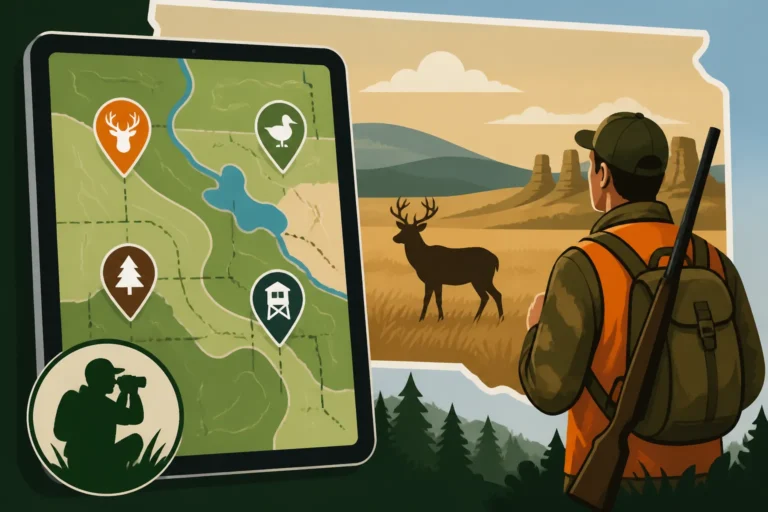
The penalties for trespassing can range from fines to confiscation of hunting gear, and in some cases, even jail time, especially if it's a repeat offense or involves damage to property. It's simply not worth the risk. Imagine driving all the way to South Dakota for a hunt, only to have your trip ruined because you gambled on "implied" permission. Knowing your unit boundaries and property lines is essential. Tools like onX Hunt, which clearly display land ownership and public/private boundaries, become invaluable here. They allow you to see, almost down to the foot, whether you are approaching private posted land or if you are safely on a South Dakota Walk-In Areas Explained tract.
| Land Status | Legal Requirement for Permission | Recommended Practice | Risk Level (without permission) |
|---|---|---|---|
| Legally Posted | Written Permission Required | Always get written permission. | High – Illegal Trespass |
| Not Posted | Explicit "No" means no | Always ask for explicit permission, preferably written. | Moderate to High – Potential Conflict/Trespass |
| CRP/WIAs | Permission already granted by state for public hunting | Follow program rules. | Low – Public Access |
Specific Scenarios Where Written Permission is Essential
While we've established the general rule, there are certain situations where having that piece of paper or a clear text/email exchange is not just recommended, but practically non-negotiable for a smooth, stress-free hunt.
Firstly, if you're approaching land that has any "No Hunting" or "Private Property" signs, regardless of their spacing, you absolutely need to stop and seek permission. A landowner who has gone to the trouble of posting their land is almost certainly expecting hunters to respect that. In these cases, a verbal "yes" might be given, but getting it in writing (even a text message or email confirmation) provides an invaluable layer of protection for both you and the landowner. This clarifies the terms, dates, and areas you're allowed to hunt. It prevents misunderstandings about which field, pasture, or creek bottom you can access.
Secondly, for anyone considering hunting the "road ditches" or rights-of-way, it's crucial to understand that even if the ditch itself is technically public, the land immediately adjacent to it is almost certainly private. Firing a shot across private land, or stepping onto it to retrieve game, without permission, can be considered trespassing or an unsafe act. South Dakota has specific rules about South Dakota Road Right-of-Way Hunting, but even with those, always be mindful of where your shot might land and where your dog might run. Getting permission to retrieve game is a sign of respect that landowners truly appreciate. A good practice is to ask for permission to retrieve before you even start hunting an area, especially if game is likely to fall on adjacent private property.
Finally, if you are attempting to harvest big game, such as deer or antelope, on private land, written permission becomes even more critical. These hunts often involve tracking animals, potentially across larger tracts of land, and possibly later in the day when landowners might not be readily available for a verbal okay. Having pre-arranged written permission mitigates any issues during the heat of the moment or a long tracking job. Imagine following a blood trail onto land you thought was okay, only to have a landowner confront you. It's a stressful situation for everyone involved. For specific big game details, you might check out resources like South Dakota Deer Licence Types by Region or South Dakota Antelope Season and Draw.
Best Practices for Ethical and Legal Private Land Access
So, how do you go about getting that all-important permission? It's not always easy, but approaching it correctly can make all the difference.
Making the Initial Contact
The best approach is always in person. Show up during daylight hours, dressed respectfully (no camo, unless you're coming directly from a hunt and can't change), and be polite. Introduce yourself, state your purpose clearly, and ask if they allow hunting on their property. Be prepared for a "no," and accept it graciously. A "no" today doesn't mean a "no" forever. Sometimes, simply showing respect and asking politely can open doors in the future. Avoid calling during busy times like planting or harvest seasons. You're asking for a favor, so be mindful of their time.
What to Discuss and Clarify
When you do get a "yes," be thorough in your discussion. Clarify:
- Which areas of their property you can hunt. Is it specific fields, certain pastures, or only for certain species?
- Dates and times you are allowed to hunt. Is it only for a day, a week, or the entire season? What are the shooting hours they prefer you abide by?
- Specific species you are targeting. Are you after pheasants, deer, or both?
- Vehicle access. Can you drive on their two-tracks, or do they prefer you park and walk?
- Retrieving game. Get permission for your dog to retrieve, and what to do if game runs onto neighboring property.
- Safety concerns. Ask about livestock, other hunters, or areas they want you to avoid.
- Contact information. Exchange phone numbers so you can inform them when you're on their land and in case of an emergency.
Consider offering to help with a small chore or bringing a thoughtful gift as a "thank you" after the hunt. This builds goodwill and can solidify access for future seasons.
The Value of Written Permission
Even after a friendly conversation, get it in writing. This doesn't need to be a formal, notarized document. A simple note with key details, signed by both parties, is often sufficient. A clear text message or email from the landowner granting permission with specific terms can also serve this purpose. This protects both of you. It clarifies the boundaries, prevents misunderstandings, and shows that you are a serious and responsible hunter. Many hunters use a simple form they've printed out, ready to be filled in with dates, names, and contact info. South Dakota Hunter Education and Licensing emphasizes responsible hunting, and securing permission ethically is a big part of that.
Remember, technology can be your friend here. Apps like onX Hunt are incredibly useful for identifying property boundaries, landowner names (though direct contact info usually isn't public), and for marking the specific areas where you've been granted permission. You can literally draw on the map where the landowner said you could hunt, ensuring you stay within bounds. GoHunt also offers valuable tools for scouting and understanding hunting units, which can help you identify areas where private land interaction will be necessary. Knowing Finding Property Lines in South Dakota accurately can prevent a lot of headaches.
By following these practices, you're not just ensuring you stay on the right side of the law; you're building relationships and upholding the ethical standards that benefit all hunters in South Dakota.
Disclaimer
This article is for general informational purposes only and does not constitute professional advice. Laws, prices and regulations vary by location and change over time. Consult a qualified professional for guidance on your specific situation.