Hypothermia Risk on Open Prairie
Hypothermia risks during South Dakota prairie hunts, recognizing core temperatures dropping below 95°F, and maintaining safety.
Close the distance.
Archery, muzzleloader, and firearm techniques — calling, stand placement, still-hunting, spot-and-stalk, and the weapon rules that change at the state line.
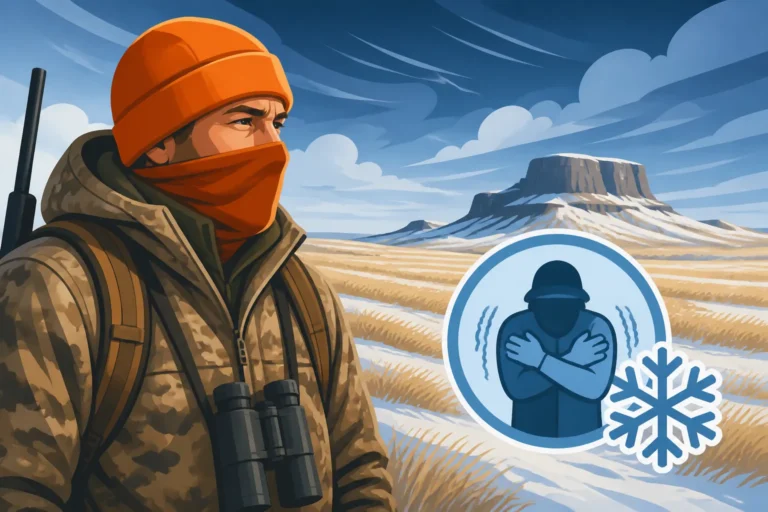
Hypothermia risks during South Dakota prairie hunts, recognizing core temperatures dropping below 95°F, and maintaining safety.
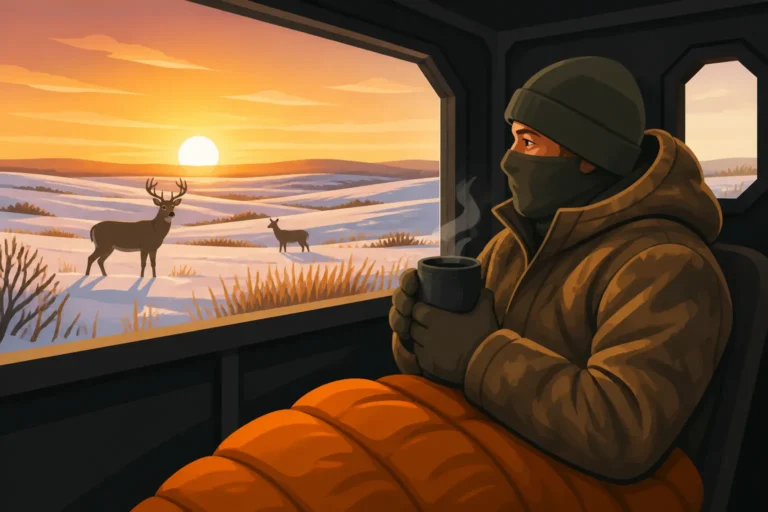
South Dakota hunters use heavy merino wool and smart layering to stay warm in a freezing December blind and extend field time.
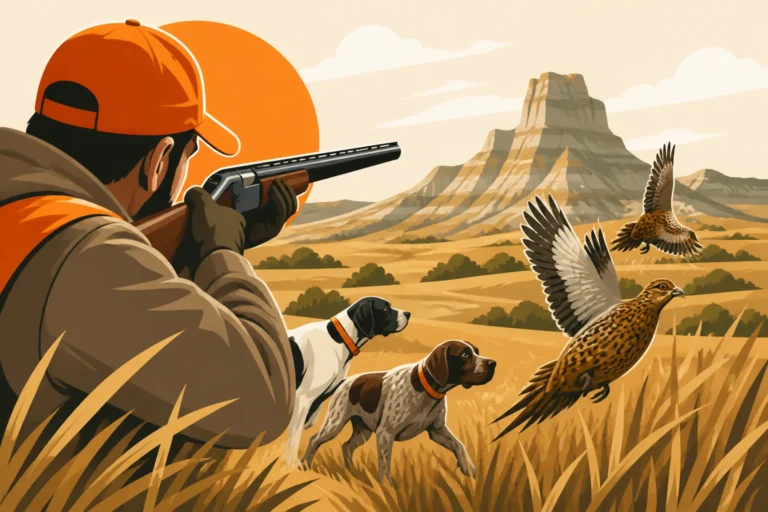
Muzzle discipline rules for South Dakota pheasant drives explain how to safely track birds without endangering forward blockers.
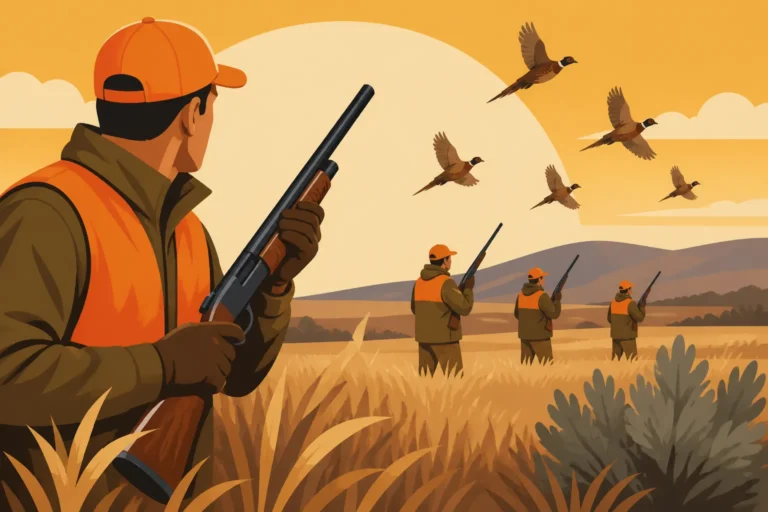
South Dakota pheasant drives require strict firearm safety protocols for walkers, blockers, and dogs moving through dense cover.
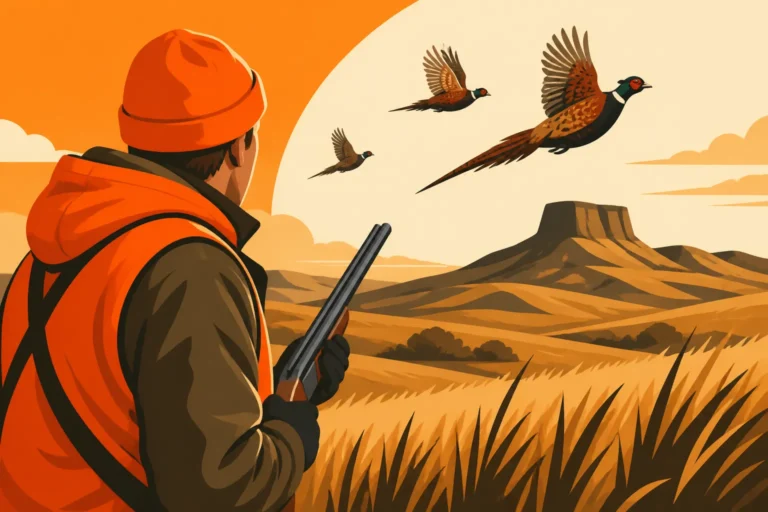
South Dakota blaze orange laws require small game hunters to wear four hundred square inches of orange during deer seasons.
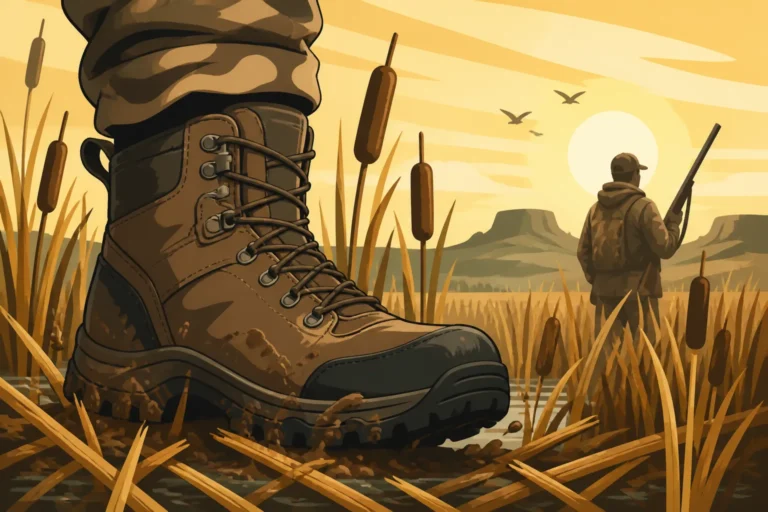
Proper footwear for South Dakota pheasant hunting prevents wet feet in deep cattail sloughs, mud, ice-cold water, and hidden obstacles.
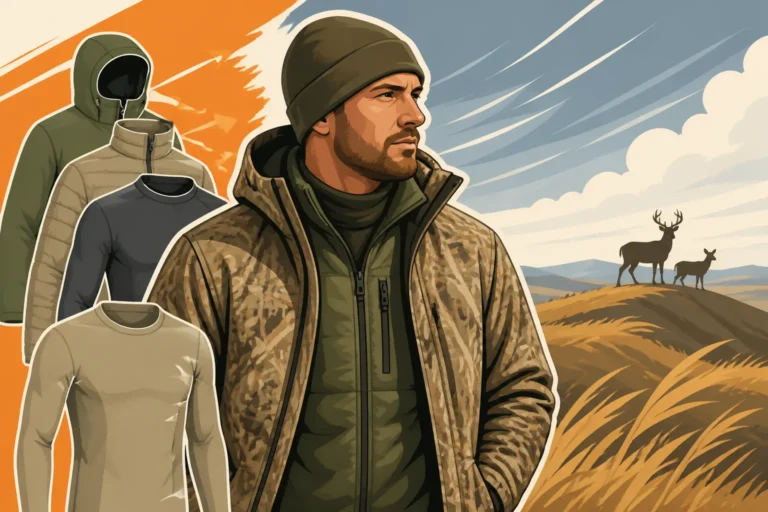
South Dakota hunting clothing systems explain how base, mid, and outer layers stop wind and manage sweat during harsh prairie hunts.
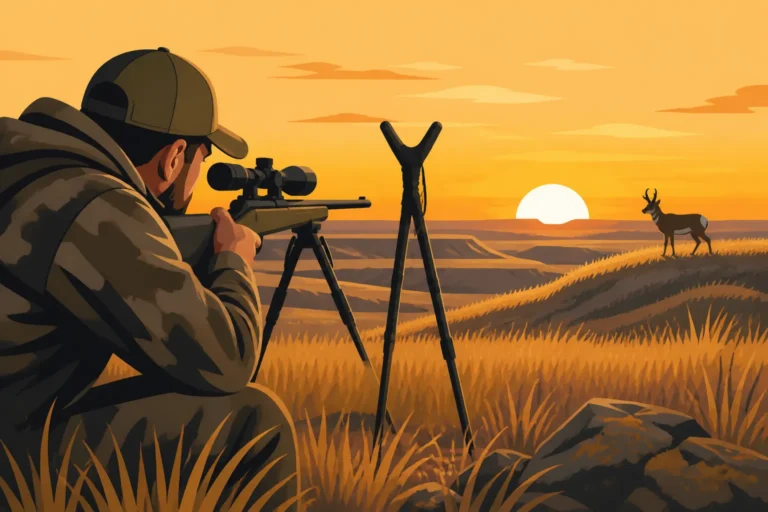
Shooting sticks and bipods create stable platforms for accurate mule deer and pronghorn hunts across the windy South Dakota prairie.
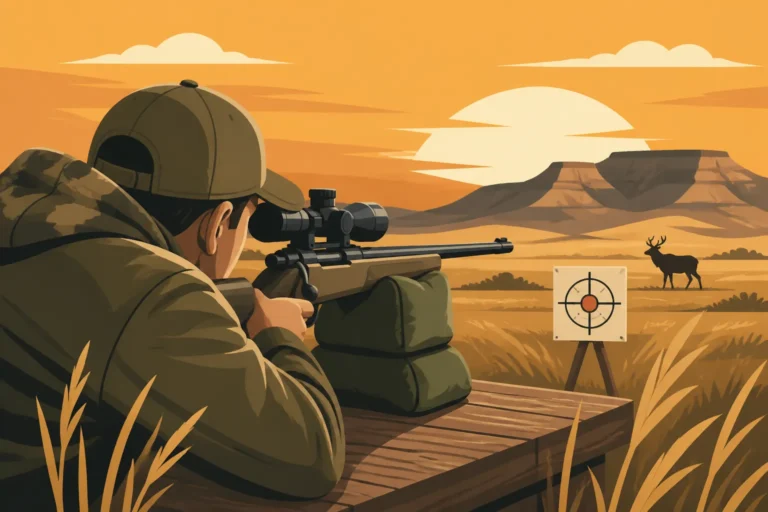
South Dakota rifle zeroing instructions explain bore sighting at twenty five yards for accurate antelope and mule deer harvests.
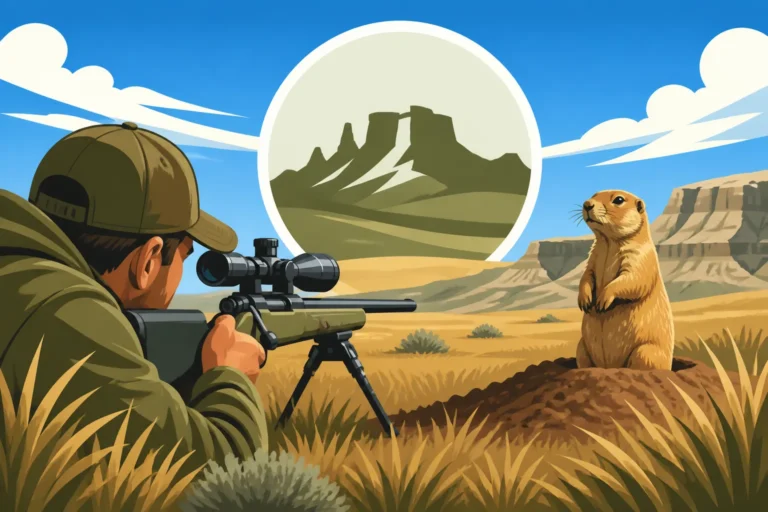
Prairie dog shooting in South Dakota requires understanding animal behavior, selecting proper gear, and locating colonies on public or private land.