Jump Shooting South Dakota Stock Dams
Jump shooting ducks on South Dakota stock dams requires chest waders, steel shot, and a 12-gauge or 20-gauge shotgun.
Close the distance.
Archery, muzzleloader, and firearm techniques — calling, stand placement, still-hunting, spot-and-stalk, and the weapon rules that change at the state line.
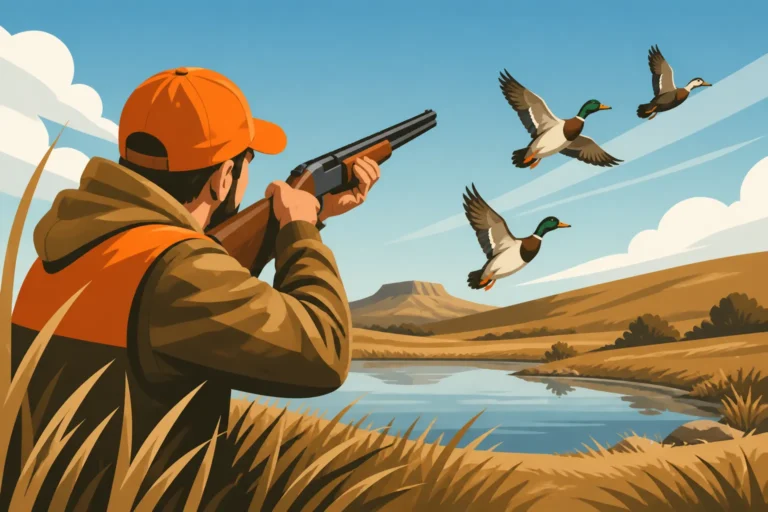
Jump shooting ducks on South Dakota stock dams requires chest waders, steel shot, and a 12-gauge or 20-gauge shotgun.

Decoy spreads for South Dakota prairie potholes require adapting to fluctuating water levels, variable winds, and wary ducks.
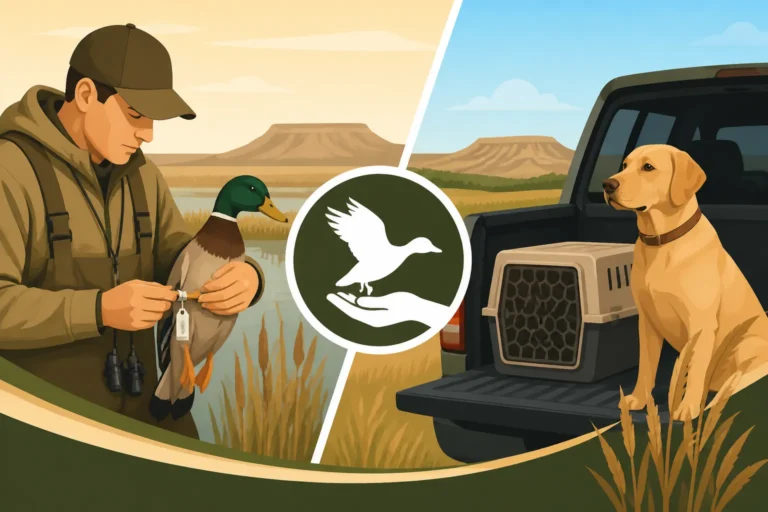
South Dakota bird tagging rules require leaving a feathered wing or foot attached for identification and sex verification during transport.
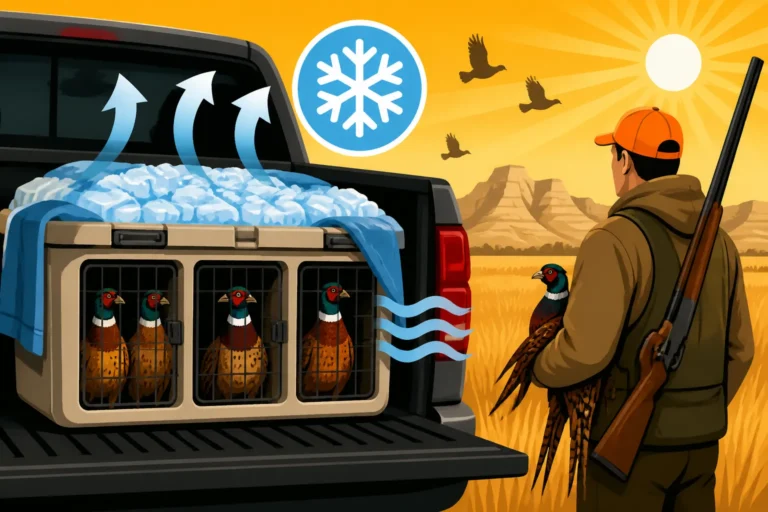
Proper pheasant cooling methods prevent warm South Dakota truck spoilage and protect meat quality after hunts.
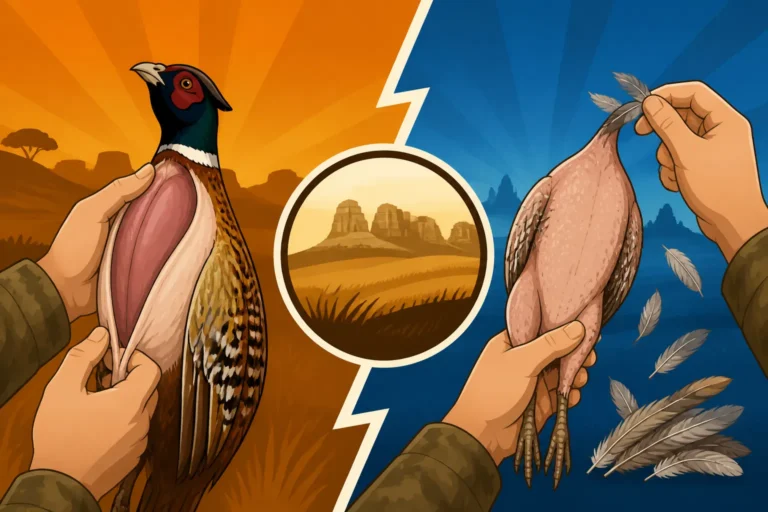
Pheasant breasting and plucking methods determine processing speed, meat yield, and culinary options for hunters after the harvest.
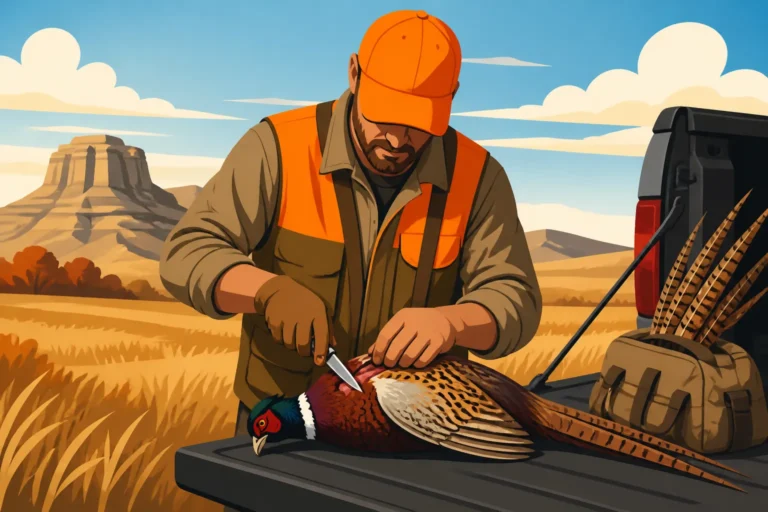
Field cleaning South Dakota pheasants cools meat faster, prevents bacterial growth, and reduces transport weight for hunters.
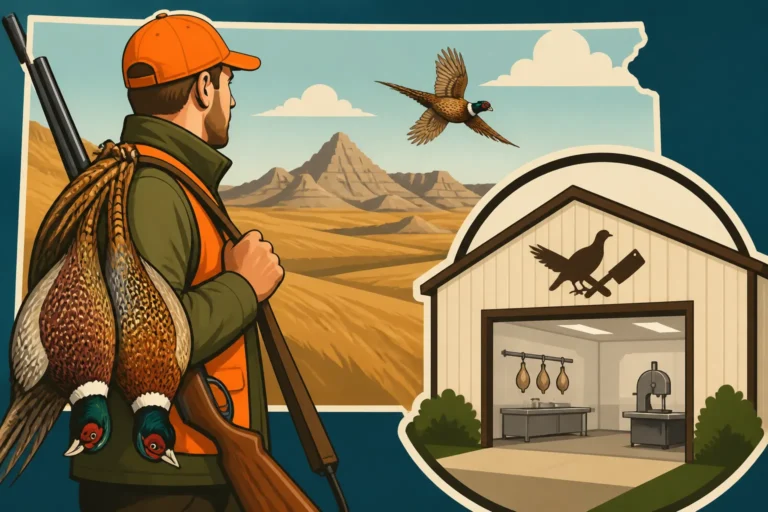
South Dakota pheasant hunting season creates processing bottlenecks, requiring hunters to secure reliable game processors early.

Game meat cooling techniques prevent spoilage during long drives home from South Dakota hunts when temperatures exceed forty degrees.
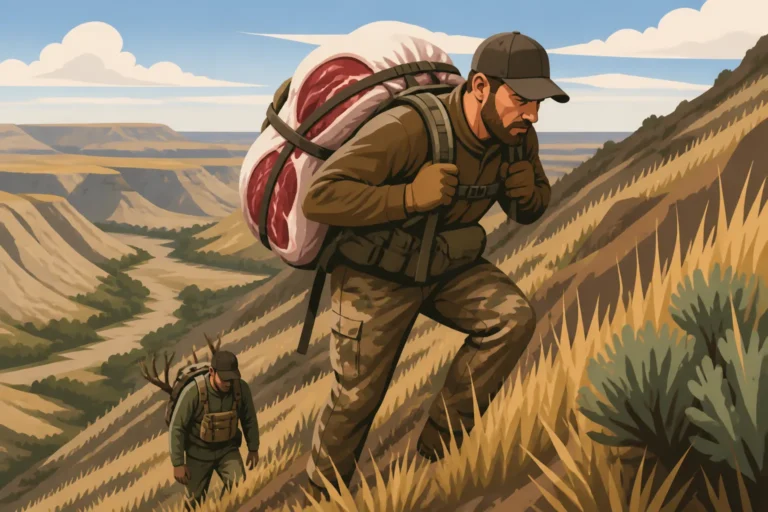
Packing deer meat up South Dakota draws requires proper field dressing, quartering, mapping, and strategic load management.
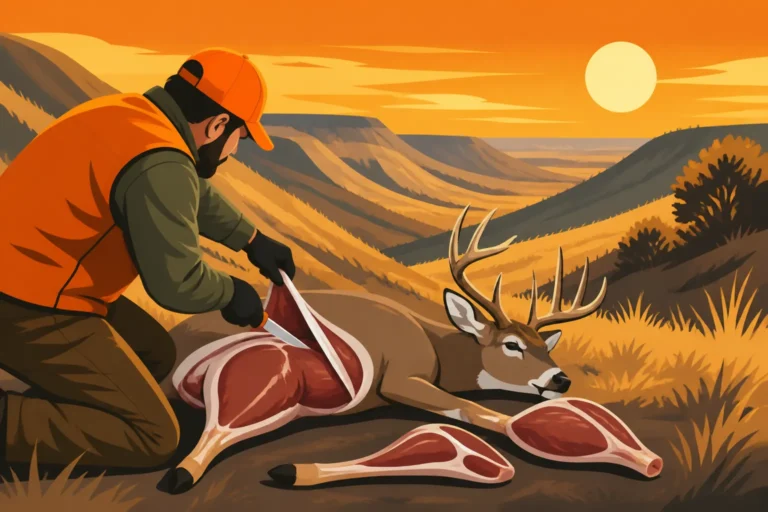
Field quartering a deer in steep South Dakota coulees cools 200 pound carcasses quickly, preventing meat spoilage and easing pack outs.