Black Hills Dispersed Camping Rules
There's a special kind of freedom that comes with planning a hunt in the Black Hills, and for many of us, that freedom extends right into where we lay our heads at night. The thought of setting up camp under a canopy of pines, far from the hustle and bustle of a developed campground, is incredibly appealing. However, the Black Hills National Forest isn't a free-for-all, and understanding the specific rules for dispersed camping is crucial to avoid fines, protect the environment, and ensure your hunting trip goes smoothly. This guide will walk you through everything you need to know to camp responsibly and legally in the magnificent Black Hills.
Understanding Dispersed Camping in the Black Hills
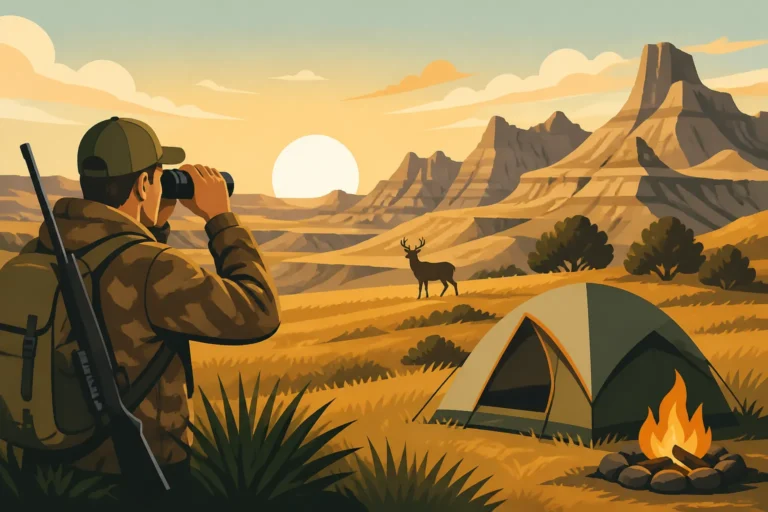
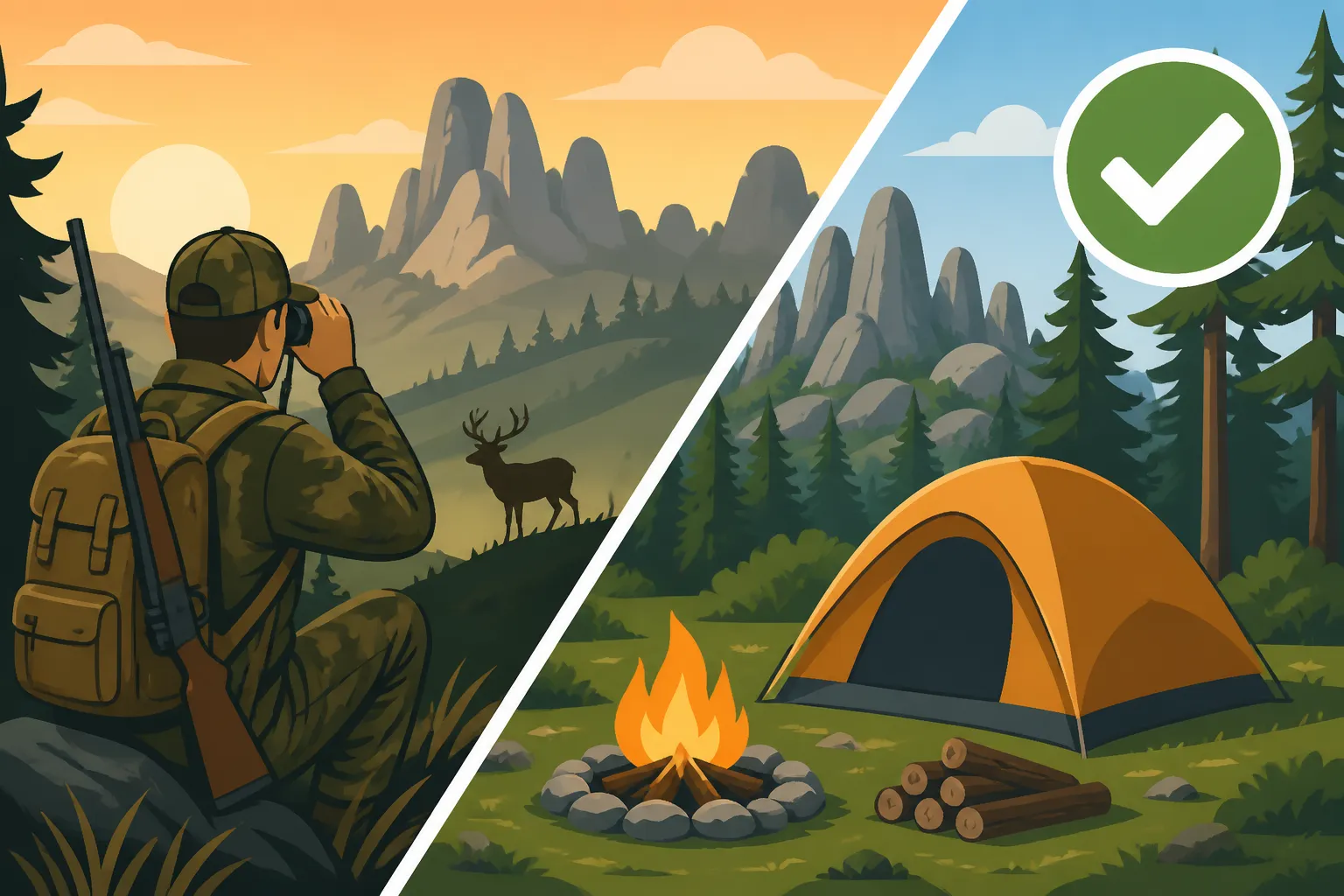
Dispersed camping, often called boondocking or dry camping, is about getting away from it all. It’s the antithesis of a crowded campground with paved pads, picnic tables, and electric hookups. Instead, you're venturing into undeveloped areas of public land, typically the Black Hills National Forest, where amenities are non-existent and solitude is the main draw. For hunters, this isn't just a preference; it's often a strategic advantage, allowing you to camp closer to your hunting grounds, be the first one in the woods at dawn, and avoid the noise and traffic that can be common near popular spots.
What is Dispersed Camping, Really?
At its core, dispersed camping means camping outside of a developed campground. You won't find marked campsites, vault toilets, or potable water. It’s truly self-sufficient camping. In the Black Hills National Forest, this typically means finding a suitable spot along a forest service road that's open to vehicles, or packing into a more remote location on foot. The allure is undeniable: waking up to the sounds of the forest, rather than your neighbor's generator, and having direct access to prime hunting areas. It allows for a deeper immersion in the natural environment, which is precisely what many of us seek when we head to the Black Hills.
However, this freedom comes with significant responsibility. You are essentially a guest in a wild, unmanaged space, and your actions directly impact the environment and the experience of others. Understanding that "dispersed" doesn't mean "unregulated" is the first step. The National Forest Service has clear guidelines to protect resources and ensure public safety, which apply whether you're chasing elk or just enjoying the scenery.
Why the Rules Exist: Balancing Freedom and Conservation
It might feel like rules are there to stifle your adventure, but in areas as popular and ecologically sensitive as the Black Hills, they are vital for long-term conservation and public enjoyment. Imagine hundreds of campers simply setting up wherever they please, felling trees for fires, leaving trash behind, and driving off-road. The cumulative impact would quickly degrade the forest, harm wildlife, and ruin the very wildness we seek.
The rules around dispersed camping are designed to minimize human impact. They prevent resource damage, reduce the risk of wildfires, protect water quality, and ensure that wildlife habitats remain undisturbed. They also help manage user conflicts, allowing hunters, hikers, and other outdoor enthusiasts to share these beautiful spaces without negatively impacting each other's experiences. These regulations are a pact: we get to enjoy the incredible beauty and solitude of the Black Hills, and in return, we agree to treat it with respect and leave no trace of our visit. This balance is key to keeping these areas open for generations of hunters and outdoor lovers to come.
The "Leave No Trace" Ethic: Your Guiding Principle
If there's one overarching philosophy that should guide all your dispersed camping endeavors, it's the "Leave No Trace" ethic. This isn't just a suggestion; it's a set of principles designed to minimize your impact on the outdoors. For Black Hills hunters, this means going beyond simply packing out your trash. It encompasses everything from choosing appropriate campsites and disposing of waste properly to respecting wildlife and minimizing campfire impacts.
Adhering to Leave No Trace means planning ahead, traveling and camping on durable surfaces, disposing of waste correctly, leaving what you find, minimizing campfire impacts, respecting wildlife, and being considerate of other visitors. When you're in the Black Hills, think about how you can blend in and disappear, leaving the area as pristine as you found it – or even better. This mindset is particularly important when considering long-term use of specific areas, ensuring that a prime elk glassing spot or a promising deer bedding area isn't ruined by a careless camp.
Key Regulations for Dispersed Camping (and Hunting) in the Black Hills National Forest
Navigating the specifics of dispersed camping in the Black Hills National Forest requires a bit of homework, but it's well worth the effort. Knowing these rules ensures you stay on the right side of regulations and avoid any unpleasant encounters with forest rangers or hefty fines. It's about respecting the land and ensuring it remains pristine for everyone, especially for us hunters who rely on healthy ecosystems.
Site Selection: Where You Can and Cannot Camp
This is perhaps the most critical rule for dispersed camping. You can't just pull off the main highway and set up your tent. Generally, in the Black Hills National Forest, you are allowed to dispersed camp for a maximum of 14 days within any continuous 30-day period. After 14 days, you must move at least one linear mile from your previous campsite. This prevents resource damage from overuse and ensures everyone gets a chance at prime spots.
When selecting a specific site, there are several distance rules:
- Roads: You must camp at least 100 feet from any developed road or highway. This helps ensure safety for both campers and drivers and maintains the aesthetic value of the roadside. When looking for a spot, keep an eye out for existing clearings or old fire rings, which often indicate previously used sites. Creating new clearings or driving off designated routes is a definite no-go. You can find detailed maps of open forest roads using resources like Black Hills Forest Roads and Access.
- Water Sources: To protect water quality and riparian habitats, campsites must be at least 200 feet from all natural water sources, including rivers, streams, and springs. This distance helps prevent pollution from human waste, soap, and other contaminants.
- Developed Areas: Avoid camping near developed campgrounds, picnic areas, or trailheads. These areas are for day-use or designated camping, and setting up a dispersed camp too close can cause conflicts or create safety issues.
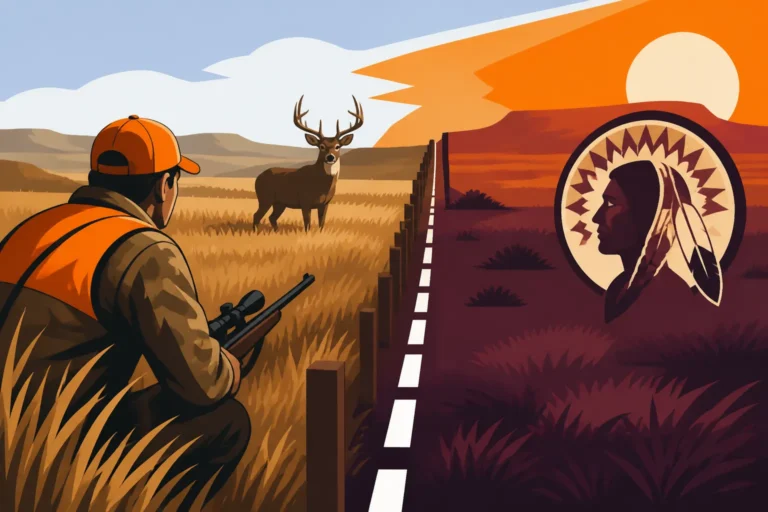
- Private Property: Always be aware of property boundaries. National Forest land often abuts private land, and accidentally trespassing is a serious offense. Tools like onX Hunt are incredibly valuable here. You can use its detailed maps to clearly see property lines, ensuring you're always on public ground. This is especially useful in areas with a patchwork of public and private ownership, which is common throughout the Black Hills.
Campfire Restrictions and Safety
There's nothing quite like a campfire after a long day of hunting, but in the Black Hills, fire safety is paramount. The area can be very prone to wildfires, especially during dry periods.
- Fire Rings: If you choose to have a fire, always use an existing fire ring if one is present. If not, build a small, contained fire in a safe location, clearing all flammable materials (leaves, grass, pine needles) down to bare soil for at least a 10-foot radius around your fire.
- Size: Keep your fire small and manageable. A huge bonfire isn't necessary and is much harder to control.
- Water and Shovel: Always have a shovel and a plentiful supply of water readily available to extinguish your fire. This isn't optional; it's a non-negotiable safety measure.
- Never Leave Unattended: A fire should never be left unattended, even for a moment. If you leave your campsite, even for a short hunt, the fire must be cold out. Stir the ashes, add water, and then stir again until you can put your bare hand in the ashes without feeling any heat.
- Seasonal Bans: The Black Hills National Forest often implements fire restrictions or full fire bans, particularly in late summer and fall, coinciding with peak hunting seasons. It is your responsibility to check current conditions before heading out. Information is usually available on the National Forest Service website or by calling local ranger districts. Ignoring a fire ban can lead to severe penalties, including hefty fines and even jail time, not to mention the devastating impact of starting a wildfire.
Waste Management: Pack It In, Pack It Out
Since there are no trash cans or restrooms in dispersed camping areas, you are responsible for packing out everything you pack in. This means all your trash, food scraps included.
- Trash: Bring sturdy trash bags and ensure all waste, including tiny bits of plastic, foil, and food wrappers, goes into them. Never bury trash, as animals will dig it up, and it will eventually surface.
- Human Waste: For solid human waste, the preferred method is to dig a "cathole" 6-8 inches deep and at least 200 feet from water sources, trails, and campsites. Bury the waste completely. Pack out all toilet paper and feminine hygiene products. In areas of heavy use or if you prefer, consider using a WAG bag (Waste Alleviation and Gelling) system, which allows you to pack out human waste discreetly and hygienically.
- Food Storage: Wildlife, especially bears and other scavengers like raccoons and coyotes, are attracted to human food. Always store food and scented items (toothpaste, deodorant) in bear-resistant containers or hung from a tree well away from your tent. Never leave food unattended or in your vehicle if it's not secure. Keeping a clean camp is essential for both your safety and the well-being of the animals.
Vehicle Use and Access
How you use your vehicle in the Black Hills National Forest is another area with strict rules, especially critical for hunters wanting to access remote areas.
- Designated Roads: You must stay on roads designated as open to public motor vehicle travel. These are typically marked on Forest Service maps. Driving off-road, creating new tracks, or using closed roads is illegal and causes significant environmental damage through soil erosion and habitat destruction. Tools like onX Hunt display these motor vehicle use restrictions clearly, often with color-coded roads indicating open, closed, or seasonally restricted access. This is a game-changer for planning your approach to hunting spots.
- Parking: When you pull off a forest road to camp, your vehicle must be entirely off the main roadway, in a way that doesn't impede traffic or block access. Some areas may have small pull-offs specifically designed for camping or parking, but often you'll need to find a durable spot just off the shoulder. Always check for signs indicating parking restrictions or no-camping zones. Understanding Black Hills Road Closures in Hunting Season is also vital to avoid getting stuck or finding your planned route impassable.
Practical Tips for a Successful Dispersed Camp Hunt in the Black Hills
Dispersed camping while hunting in the Black Hills can be an incredibly rewarding experience, but it takes careful planning and preparation. Think of it as creating your own temporary base camp in the wilderness, perfectly situated for chasing whatever game you're after, be it mule deer or elk.
Planning Your Dispersed Campsite with Technology
Modern technology has revolutionized how we scout and plan our hunts, and it's equally invaluable for dispersed camping. Gone are the days of solely relying on paper maps, though those are still excellent to have as a backup.
- Digital Mapping Apps: Applications like onX Hunt are indispensable. They allow you to view public and private land boundaries, identify open forest roads, see topography, and even locate water sources. Before you even leave home, you can "e-scout" potential camp spots, looking for flat ground, proximity to your desired hunting areas, and distance from major roads or water. This helps you avoid showing up to a spot only to find it's private land or too close to a stream. GoHunt is another excellent resource for broader hunting intel and can often complement onX Hunt with its detailed unit information and draw odds.
- Offline Maps: Crucially, ensure you download maps for offline use on your phone or GPS device. Cell service in the Black Hills, especially in more remote areas, can be spotty to non-existent. Having your maps downloaded means you won't be caught off guard if you lose signal.
- Satellite Imagery: Use the satellite imagery layers on these apps to identify existing clearings, potential pull-offs, or dense timber for cover. This digital reconnaissance can save you hours of driving around aimlessly. When planning your camp, consider how your vehicle access aligns with Black Hills National Forest Hunting regulations.
Essential Gear for Responsible Dispersed Camping
Since you're heading into an undeveloped area, you'll need to bring everything you need for survival and comfort.
- Water Filtration: Potable water sources are rare. Bring plenty of your own water, or invest in a reliable water filter or purification tablets if you plan to source water from streams (remembering the 200-foot rule for camping away from them).
- Shelter: A sturdy tent or a reliable sleeping system is essential, as Black Hills weather can change rapidly. Even in early fall, nights can be cold. Be prepared for temperature swings and sudden storms.
- Cooking System: A portable camp stove is highly recommended, especially during fire restrictions or if you simply want a quick, easy meal.
- Bear-Resistant Containers: Even if you don't think there are bears, responsible food storage is non-negotiable. Black bears are present in the Black Hills, and improper food storage can lead to habituated animals, which often results in them being euthanized. Secure all food, garbage, and scented items away from your tent.
- Shovel and Trowel: For fire safety (if fires are allowed) and human waste disposal.
- First Aid Kit: A comprehensive First Aid Kit for a Prairie Hunt is essential for any wilderness excursion.
- Headlamps/Lanterns: For visibility around camp after dark.
Staying Safe and Respectful of Others
Dispersed camping is about solitude, but you might still encounter other hunters, hikers, or campers.
- Wildlife Awareness: Be aware of your surroundings. The Black Hills are home to elk, deer, mountain lions, and bears. Knowing how to react to encounters, storing food properly, and carrying bear spray can prevent dangerous situations. Understanding Mountain Lions in the Black Hills is a good idea.
- Share the Space: If you see another dispersed camp, try to set up your own camp out of sight and sound. Maintain that sense of solitude for everyone. Respect private property.
- Tell Someone: Always let someone know your itinerary, including your exact camping location and expected return date. Cell service can be unreliable, so a check-in plan is vital.
- Quiet Hours: Even though there are no official quiet hours in dispersed areas, be mindful of noise, especially early in the morning and late at night, when other hunters might be out or trying to sleep.
Navigating Black Hills Road Closures During Hunting Season
Road closures can be a major headache for hunters trying to access specific areas. These closures can be seasonal, weather-related, or due to forestry operations.
- Forest Service Maps: The Black Hills National Forest provides Motor Vehicle Use Maps (MVUMs) that show which roads are open, closed, or seasonally restricted. These maps are the definitive source for road status. Get the most current version.
- Online Resources: Check the Black Hills National Forest website or call a local ranger district before your trip for current conditions, road closures, and any fire restrictions.
- onX Hunt/GoHunt: Again, these apps often integrate road closure data, making it easy to identify impassable routes before you waste time driving there. It's frustrating to drive an hour only to hit a "Road Closed" sign, especially when you're on a tight schedule. Plan alternative routes, and understand that some areas, like those near Hunting Near Custer and Hill City, might have different access points and rules.
| Rule Category | Do This | Avoid This |
|---|---|---|
| Campsite Selection | Camp at least 100-200 feet from roads/water, on durable surfaces. | Camp directly next to streams, on fragile vegetation, or too close to private land. |
| Campfires (if allowed) | Use existing fire rings, keep fires small, have water & shovel ready. Check fire restrictions daily. | Build new fire rings, leave fires unattended, start fires during bans. |
| Waste Management | Pack out all trash, use WAG bags or catholes for human waste (200 ft from water). | Bury trash, leave toilet paper exposed, leave food accessible to wildlife. |
| Vehicle Use | Stay on designated open roads, park vehicles completely off the roadway. | Drive off-road, block roads, create new tracks or ruts in the terrain. |
| Duration | Move at least one mile from previous site after 14 days (within 30-day period). | Stay in one dispersed site for more than 14 days or return too soon. |
| Respect Others | Maintain distance and quiet, be aware of other users and their activities. | Make excessive noise, trespass, interfere with other hunters or recreationists. |
Common Pitfalls and How to Avoid Them
Even with the best intentions, it's easy to make mistakes when navigating the nuances of dispersed camping in the Black Hills. Understanding the common pitfalls can help you steer clear of trouble and ensure your hunting adventure remains positive and stress-free.
Misinterpreting "Public Land"
One of the biggest misconceptions new hunters or campers have is that all "public land" is the same. In South Dakota, and especially in the Black Hills, this isn't the case. While the Black Hills National Forest is indeed public land, there are also state lands, tribal lands, private lands, and various types of easements or leases that might have different rules or require specific permissions.
- National Forest: This is where most dispersed camping in the Black Hills takes place, under the rules outlined above.
- State Lands: South Dakota also has Game Production Areas (GPAs) and School and Public Lands. While many GPAs are open to hunting, dispersed camping rules can vary significantly, and often it's not allowed. Always check specific regulations for these state-managed areas.
- Private Land: Interspersed throughout the Black Hills are private land holdings. It’s absolutely critical to know where you are at all times to avoid trespassing. As mentioned, apps like onX Hunt are invaluable for clearly delineating these boundaries. Crossing a fence line onto private property, even inadvertently, can lead to serious legal issues. When you’re planning your approach for Hunting Elk on Steep Black Hills Ridges, always confirm your route and camping spot are on legitimate public ground.
The key takeaway is that "public land" isn't a monolithic entity. Each type of land has its own managing agency and a unique set of rules. Always confirm the specific regulations for the particular parcel you intend to camp or hunt on.
Overlooking Fire Restrictions
We've touched on this already, but it bears repeating because the consequences of overlooking fire restrictions are so severe. The Black Hills are a beautiful but dry forest, and a single spark can turn into a catastrophic wildfire.
- Check Daily: Before you even leave home, check the Black Hills National Forest website or call a ranger station for current fire restrictions. This information can change rapidly, sometimes daily, based on weather conditions. Don't rely on what you heard last week.
- Know the Levels: Understand the different levels of fire restrictions. "Stage 1" might mean campfires are only allowed in established rings, while "Stage 2" usually means a complete ban on all open flames, including charcoal grills. There's zero tolerance for violations during a ban.
- Be Prepared to Adapt: If a fire ban is in place, be prepared to adjust your plans. That cozy campfire might not happen, so ensure you have alternative cooking methods, like a propane stove, and warm layers for the evening. Safety is always more important than tradition.
Underestimating the Impact of Weather
The Black Hills, while beautiful, can be unpredictable when it comes to weather. What starts as a sunny, pleasant day can quickly turn into a cold, wet, or even snowy ordeal, especially during the fall hunting seasons. Underestimating this can lead to uncomfortable, if not dangerous, situations.
- Rapid Changes: Weather fronts can move in fast. A warm October afternoon while you're Calling Elk in Black Hills Timber can give way to freezing rain or snow by evening.
- Temperature Swings: Expect significant temperature drops between day and night. Even if the daytime high is 60°F, nighttime lows can easily dip below freezing. This means packing Layering for South Dakota Wind is essential, even if the forecast looks mild.
- Road Conditions: Rain and snow can quickly turn gravel forest roads into muddy, impassable tracks. Be aware of the road conditions, especially if you’re driving a two-wheel-drive vehicle. Getting stuck miles from pavement without cell service is a serious problem. Check forecasts for precipitation, and consider bringing tire chains or recovery gear, particularly if hunting late in the season. A little extra preparation can prevent a major headache.
Disclaimer
This article is for general informational purposes only and does not constitute professional advice. Laws, prices and regulations vary by location and change over time. Consult a qualified professional for guidance on your specific situation.