Mallard Numbers on the Missouri River
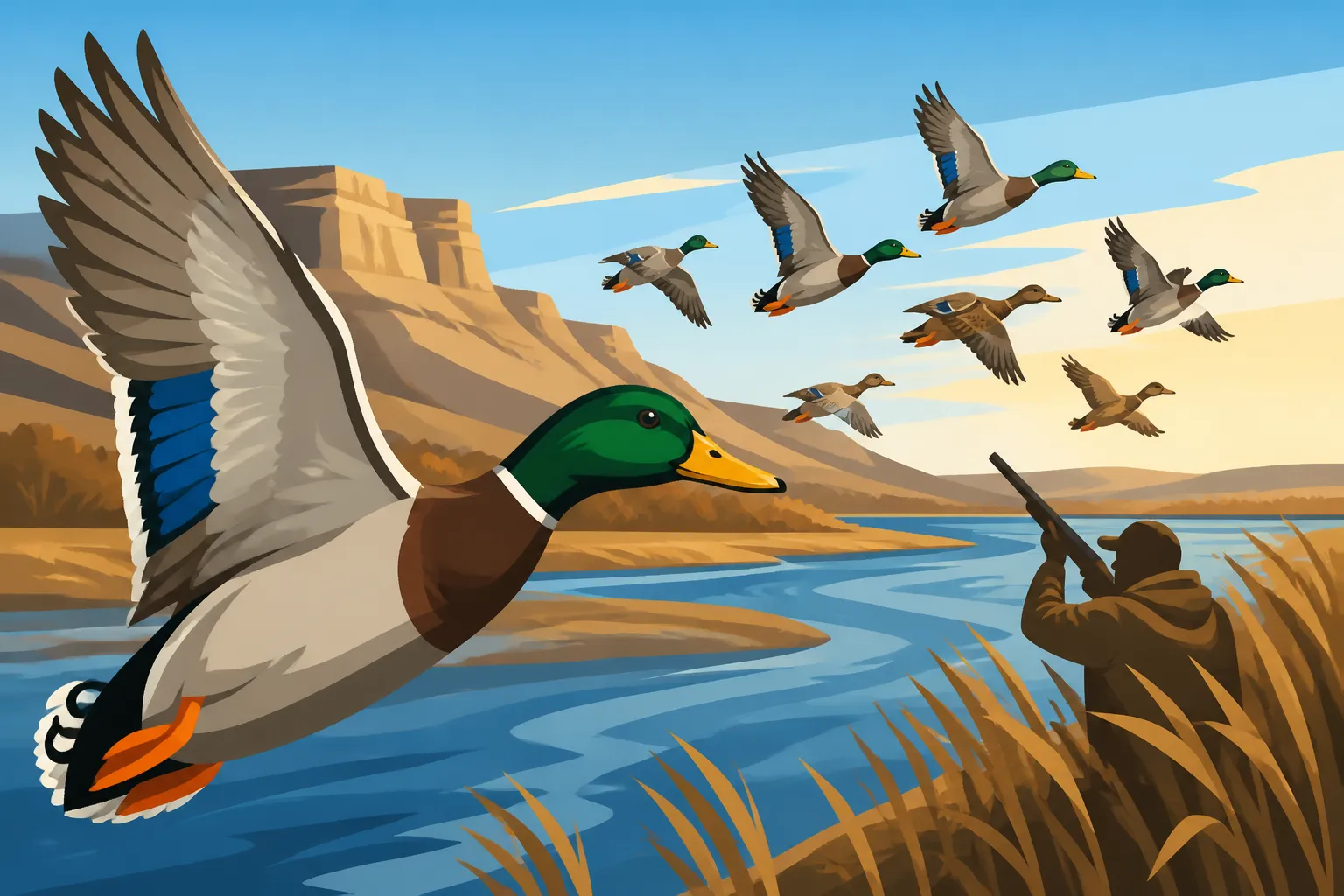
Understanding the ebb and flow of mallard populations on South Dakota's mighty Missouri River can feel like trying to hit a moving target – literally. Hunters often struggle to predict where the ducks will be from one year to the next, let alone from one week to the next, impacting everything from scouting efforts to actual hunting success. This guide aims to demystify the factors influencing mallard numbers on this crucial waterway, offering insights into population dynamics and how you can better anticipate their presence.
Factors Influencing Mallard Numbers on the Missouri River
The Missouri River isn't just a ribbon of water; it's a dynamic ecosystem that mallards rely on during their migration and, for some, their breeding season. However, several critical factors constantly shape how many of these iconic greenheads you'll see on any given day. It's a complex dance between nature and, to a lesser extent, human activity.
Water Levels and River Flow
One of the most immediate and impactful factors for mallard presence on the Missouri River is the current water level and flow rate. The river is a series of massive reservoirs – Lake Oahe, Lake Sharpe, Lake Francis Case, and Lewis and Clark Lake – and how these are managed directly affects available habitat. When water levels are high, especially early in the season, prime feeding areas like shallow mudflats, submerged vegetation, and flooded timber might be too deep for dabbling ducks like mallards. They prefer those shallower fringes where they can tip-up to feed. Conversely, extremely low water can expose vast mudflats, but if there's no suitable food or protective cover adjacent to them, the ducks might pass them over for other areas.
The flow itself also plays a role. During periods of heavy releases from the upstream dams, the river can become a fast-moving, turbulent torrent. Mallards, being dabblers, generally prefer calmer waters where they can feed without constantly fighting a strong current. This often pushes them into backwaters, quieter coves, or side channels that offer refuge from the main flow. Hunters often observe a shift in bird distribution during these high-flow events, with mallards moving out of main river channels into more sheltered spots.
Food Availability and Habitat Quality
Beyond just water, the presence of food is paramount. Mallards are opportunistic feeders, but they particularly favor waste grain in agricultural fields, seeds from moist-soil plants, and aquatic invertebrates. The Missouri River corridor, especially where it winds through agricultural land, offers diverse feeding opportunities. Cut cornfields, soybean fields, and even standing sunflowers adjacent to the river or its tributaries can be magnets for mallards, especially during the colder months when they need high-energy food.
The quality of aquatic habitat within the river system itself is also crucial. Areas with abundant submerged aquatic vegetation, like pondweed or wild celery, provide excellent natural food sources. These areas often exist in shallower bays, protected inlets, and deltas where sediment deposition creates fertile grounds for plant growth. However, if these areas are choked with invasive species or degraded by heavy sediment loads, their appeal to mallards diminishes significantly. Healthy habitat means consistent food, which in turn means more birds. Duck Production on South Dakota Prairie Potholes is a great example of how important aquatic vegetation is.
Migration Patterns and Weather Systems
Mallards are migratory birds, and their presence on the Missouri River is intrinsically linked to the broader Central Flyway migration. Their arrival, staging, and departure are heavily influenced by large-scale weather systems. A cold front pushing down from the north, especially one that brings snow and freezes smaller potholes and marshes, will push waves of mallards onto the relatively open, flowing waters of the Missouri River. This is often when hunters see the biggest influx of birds. Conversely, mild weather to the north can delay their migration, leading to fewer birds on the river early in the season.
The timing and severity of winter further dictate how long mallards will stay. As smaller water bodies across the prairie freeze solid, the large, open stretches of the Missouri River often remain ice-free much later into the season, providing a crucial refuge. However, a prolonged deep freeze, even on the river, will eventually force the birds further south. Understanding these macro-level weather patterns, often accessible through various online weather resources or even hunting apps like GoHunt, can provide valuable clues about impending migrations and the potential for a surge in mallard numbers on the river.
Historical Trends and Population Dynamics
Understanding current mallard numbers on the Missouri River isn't just about looking at today's conditions; it requires appreciating the historical context and the population dynamics at play across the entire flyway. The health of the broader mallard population directly impacts what we see in South Dakota.
Flyway-Wide Population Health
Mallard numbers on the Missouri River are largely a reflection of the overall health of the breeding population across the North American prairies. Every spring, waterfowl biologists conduct extensive surveys of the primary breeding grounds, known as the "duck factory," to estimate the continent-wide population. These surveys provide a vital benchmark. When breeding conditions are good – meaning abundant shallow water from spring rains and healthy nesting cover – mallard populations tend to thrive, leading to larger migrations in the fall. Conversely, drought years on the breeding grounds can significantly reduce the number of young mallards produced, which then translates to fewer birds arriving in South Dakota.
The Missouri River acts as a major artery in the Central Flyway, channeling these birds south. Therefore, a good year for mallards across the Canadian prairies or the Dakotas often means better hunting opportunities along the river. While local conditions are critical, always keep an eye on those continental population reports; they offer the best long-term indicator of what to expect.
Long-Term Fluctuations and Data Collection
Over decades, mallard populations, like those of many wildlife species, experience natural fluctuations influenced by cycles of drought, habitat changes, and disease. Fortunately, robust data collection through banding efforts and harvest surveys helps wildlife managers track these trends. For instance, a decline in wetland habitat in critical staging areas north of South Dakota might shift migration corridors slightly, or impact the overall fitness of birds arriving on the Missouri.
The South Dakota Game, Fish and Parks, along with federal agencies, monitors harvest data and participates in flyway-wide counts. While they might not provide hyper-local, real-time numbers for specific stretches of the Missouri, these aggregate data sets are invaluable for understanding long-term population health and harvest sustainability. By looking at reports from past seasons, hunters can glean insights into the general health and trends of mallard numbers that utilize the Missouri River corridor. Understanding these South Dakota Waterfowl Seasons and Zones is key to interpreting historical data.
Short-Term Variability and Local Concentrations
Even within a generally healthy flyway population, mallard numbers on the Missouri River can vary dramatically from week to week, or even day to day, due to localized factors. A sudden blizzard in North Dakota might push thousands of birds down overnight, leading to an incredible spike in numbers on the river. A warm spell, however, might allow birds to linger further north on smaller, unfrozen waters, resulting in fewer ducks on the Missouri.
These short-term fluctuations also depend on local feed conditions. If a particular series of cornfields adjacent to the river offers a prime food source, mallards will concentrate there until the food is depleted or the weather pushes them out. Other times, specific sheltered bays or islands might provide optimal roosting habitat, attracting large numbers of birds that disperse to feed during the day. This variability makes scouting and staying current with conditions paramount for successful Missouri River duck hunting. Waterfowl Hunting the South Dakota Prairie shares similar insights on local concentrations.
How Hunters Can Gauge Local Mallard Activity
For the dedicated hunter, knowing how to read the signs and leverage available resources to gauge local mallard activity on the Missouri River is crucial. It's not always about blind luck; often, it's about smart scouting and information gathering.
Effective Scouting Techniques
There's no substitute for boots on the ground, or in this case, eyes on the water. Effective scouting for mallards on the Missouri River involves a combination of direct observation and understanding bird behavior. Start by identifying potential loafing and feeding areas. Look for sheltered bays, calmer side channels, and areas where cornfields or other grain crops meet the river. Early morning and late afternoon are prime times to observe flight patterns as birds move between roosting and feeding areas. A pair of good binoculars or a spotting scope is your best friend here, allowing you to observe from a distance without disturbing the birds.
Pay attention to ice conditions. As the season progresses, ice will form on smaller, still waters first, pushing ducks onto the open river. Note which parts of the river remain open longest. Drive roads adjacent to the river during midday to spot concentrations of birds loafing or feeding in fields. Remember, mallards will often sit out on open water during the day, so don't just focus on the shoreline. A good understanding of Missouri River Hunting Access in South Dakota will aid in planning your scouting routes.
Utilizing Public Resources and Reports
South Dakota's Game, Fish and Parks (GFP) often provides valuable, albeit general, information on waterfowl movements and concentrations. While they won't give you a precise number for a specific bend in the river, their weekly waterfowl reports or social media updates can indicate broad migratory pushes or significant concentrations in certain regions. These reports can be a great starting point for narrowing down your scouting efforts.
Local conservation groups and hunting forums can also be excellent sources of real-time, anecdotal information. Be discerning, of course, as not all online information is accurate, but consistent reports from multiple sources can paint a reliable picture. Sharing observations respectfully with fellow hunters can create a valuable network. Always consult the official South Dakota Hunting Handbook Release for regulations, which can indirectly influence where birds might concentrate due to hunting pressure or designated refuges.
Leveraging Digital Tools and Technologies like GoHunt
In today's age, technology offers a significant advantage to hunters. Platforms and apps designed for hunters, such as GoHunt, can be incredibly useful for gauging mallard activity on the Missouri River. While GoHunt might be more widely known for big game, the principles of using satellite imagery, weather overlays, and public land mapping are invaluable for waterfowl. You can utilize GoHunt to analyze aerial imagery to identify potential shallow water feeding zones, areas of submerged vegetation, and agricultural fields adjacent to the river.
By layering in real-time weather data and historical migration patterns (which some advanced apps compile), you can make more informed predictions about when and where mallards might arrive or concentrate. For example, if a strong north wind is forecasted, GoHunt could help you identify protected points or bays where ducks might seek refuge. Additionally, some digital tools allow you to mark observations, track your scouting routes, and even monitor river flow data from USGS gauges, all of which contribute to building a comprehensive understanding of mallard movements. This kind of data integration is what allows you to move beyond guesswork and hunt smarter.
Conservation Efforts and Their Impact on Mallards
The mallard numbers we see today on the Missouri River, and across the continent, are not accidental. They are the direct result of decades of dedicated conservation efforts, largely funded by hunters themselves. These efforts aim to ensure healthy populations for future generations.
Habitat Restoration and Protection Programs
At the heart of mallard conservation are programs focused on restoring and protecting vital wetland and upland habitats. Organizations like Ducks Unlimited, Delta Waterfowl, and local conservation districts work tirelessly to restore drained wetlands, create new shallow water impoundments, and protect existing critical habitat in the prairie pothole region—the primary breeding grounds for mallards. These efforts directly influence the number of ducks that are produced each year, which then dictates how many birds migrate down the Missouri River.
In South Dakota, state and federal agencies also play a huge role through programs that incentivize landowners to conserve wetlands and plant dense nesting cover. These programs create a mosaic of healthy habitats that support mallards throughout their life cycle, from breeding to migration. Without these continuous efforts, often paid for by duck stamp sales and excise taxes on hunting equipment, mallard populations would undoubtedly face far greater challenges.
The Role of Hunter Contributions
It's a powerful truth that hunters are the primary drivers and funders of waterfowl conservation. Every time a hunter purchases a federal Duck Stamp, those funds go directly to conserving wetlands and acquiring new habitat. State hunting licenses and habitat stamps also funnel significant revenue into wildlife management and conservation projects within South Dakota. This dedication from hunters to financially support the resources they cherish is a cornerstone of North American wildlife management.
Furthermore, hunters often participate directly in conservation efforts through volunteer work, habitat cleanups, and advocating for sound wildlife policy. Their intimate connection to the land and its wildlife fosters a strong ethic of stewardship. The sustainable harvest model, where regulations are carefully set based on population data, ensures that hunting itself remains a tool for managing healthy populations, not depleting them. These contributions are vital for maintaining South Dakota Waterfowl on the Central Flyway.
Regulatory Frameworks and Management Strategies
The annual hunting seasons and bag limits for mallards and other waterfowl are not arbitrary; they are meticulously developed based on extensive scientific data and monitoring. Federal frameworks, established by the U.S. Fish and Wildlife Service, set the guidelines, and then individual states like South Dakota define their specific seasons and limits within those frameworks. This adaptive management approach allows biologists to respond to changes in mallard populations, ensuring that harvest levels are sustainable.
For example, during years when breeding populations are lower, bag limits might be reduced, or seasons shortened, to allow the population to rebound. Conversely, during years of high production, more liberal seasons might be offered. These regulations also include restrictions on things like lead shot, which protects mallards from ingesting toxic materials, and strict adherence to tagging and transport rules. Understanding and respecting these South Dakota Duck Bag Limits and other regulations is not just about legality; it's about being an ethical conservationist and playing a part in the long-term health of the mallard population on the Missouri River and beyond.
Comparative Factors for Mallard Distribution on the Missouri
Here's a quick look at how various factors can influence where and when you might find mallards on the Missouri River:
| Factor | High Impact | Low Impact / Less Favorable |
|---|---|---|
| Water Levels | Stable, slightly receding, exposing mudflats | Rapidly rising or falling, extremely high/low water |
| River Flow | Moderate to low, calm backwaters | Strong current in main channels |
| Food Availability | Abundant waste grain in adjacent fields, moist soil plants | Scarcity of waste grain, limited aquatic vegetation |
| Weather (North) | Strong cold fronts, first significant snow/ice | Prolonged mild weather, open water up north |
| Local Ice | Smaller potholes and marshes freezing solid | All local water bodies remaining open |
| Habitat Quality | Healthy submerged vegetation, diverse plant life | Degraded areas, invasive species |
| Hunting Pressure | Less pressured zones, undisturbed refuges | Heavily hunted areas, frequent disturbance |
Disclaimer
This article is for general informational purposes only and does not constitute professional advice. Laws, prices and regulations vary by location and change over time. Consult a qualified professional for guidance on your specific situation.