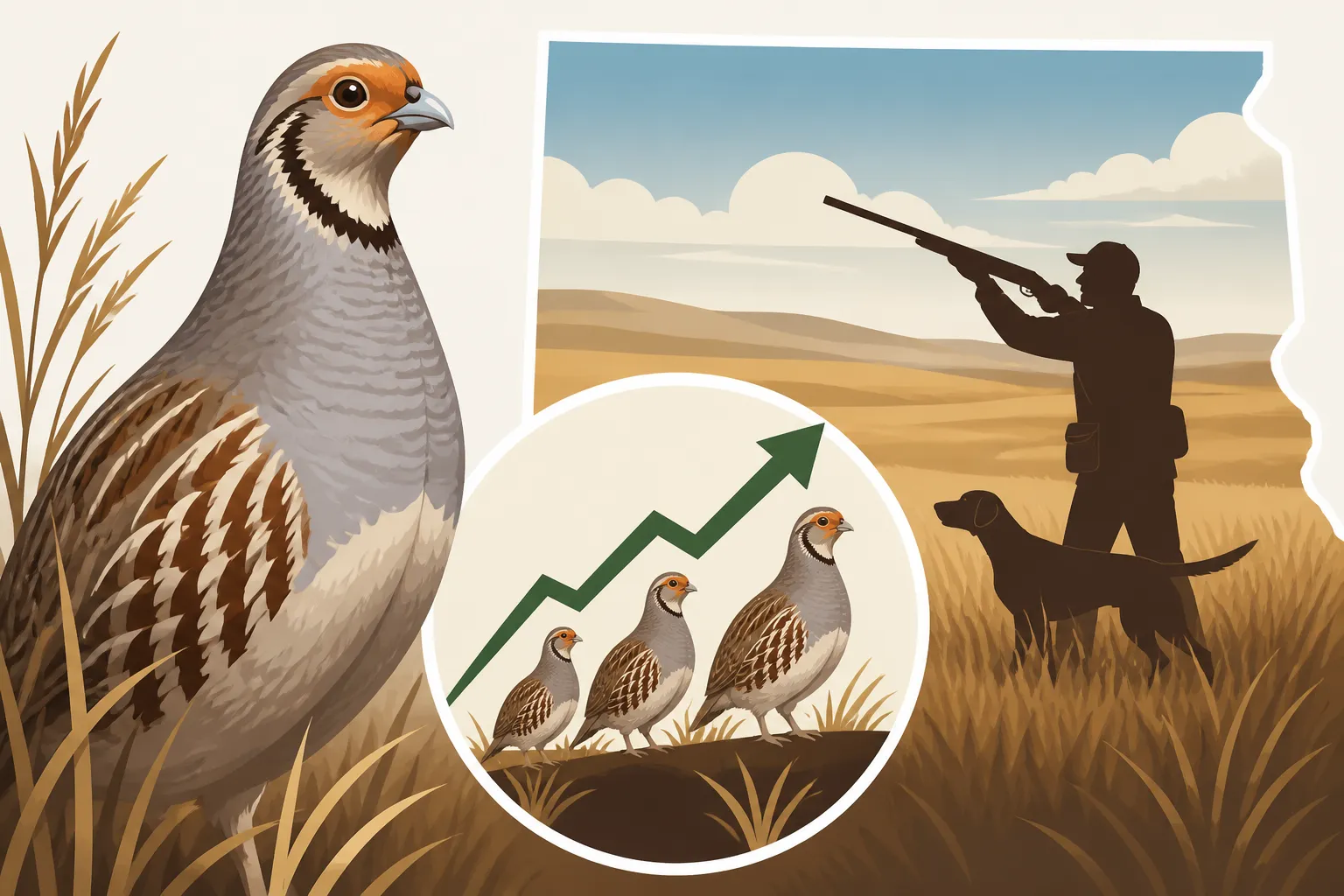
Hungarian Partridge Numbers in South Dakota
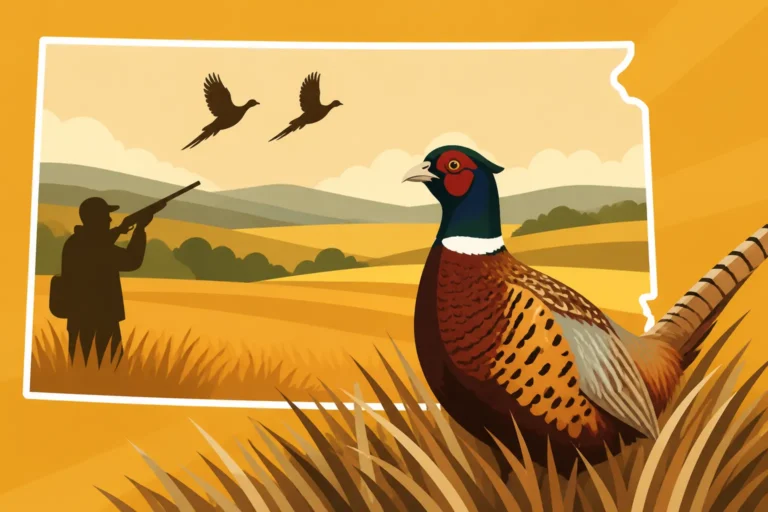
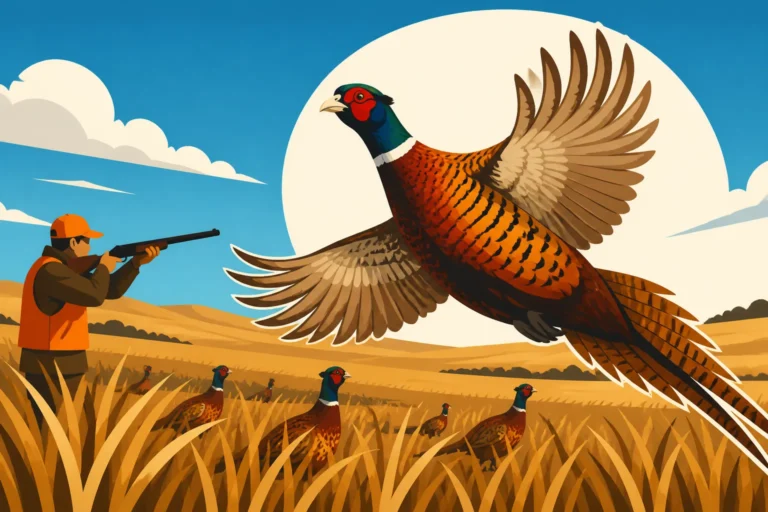
If you've spent any time walking the vast stubble fields and grass strips of South Dakota in pursuit of pheasants, you might have, on occasion, flushed a smaller, quicker, and perhaps even more surprising bird: the Hungarian partridge. These handsome little covey birds offer a distinct challenge, a different rhythm of hunt, and a reward all their own. But for many, understanding their true prevalence and where to even begin looking can feel like chasing a ghost. This guide will delve into the current status, historical trends, and factors influencing Hungarian partridge numbers across South Dakota, offering insights for those keen to experience this unique upland hunt.
The Elusive Partridge: Understanding Their Place in South Dakota's Upland Scene
Let's be honest, in South Dakota, the ring-necked pheasant is king. It's what draws legions of hunters from all corners of the country, and its numbers are meticulously tracked and hotly debated. But for the discerning upland hunter, or simply one looking for a different experience, the Hungarian partridge offers a fantastic alternative. Often affectionately called "Huns," these birds are smaller than pheasants, weighing in around a pound, with a distinctive reddish-brown face, a gray neck, and barred flanks. Their flight is explosive, fast, and often low, making for a challenging shot.
Unlike pheasants, which often prefer denser cover, Huns are birds of the open country, favoring agricultural fields interspersed with light cover like fencelines, grass waterways, and short stubble. They are covey birds, typically found in groups of 10 to 20, sometimes more. When a covey flushes, it's a cacophony of wings and whistling calls, often scattering in multiple directions, creating a dizzying moment for a hunter. Finding these birds takes a keen eye for subtle habitat changes and a willingness to explore areas that might be overlooked by pheasant-focused hunters. They're often found as a pleasant surprise while you're focused on pheasants, a true bonus bird that makes the day even more memorable.
Historical Trends and Population Dynamics
The Hungarian partridge isn't native to North America; like the pheasant, it's an introduced species. They were first brought to South Dakota in the early 1900s, with widespread releases occurring through the 1920s and 30s. Initially, they thrived, especially in the northeastern and north-central parts of the state where agricultural practices and habitat were favorable. Their numbers peaked in the mid-20th century, providing excellent hunting opportunities for a time.
However, over the decades, Hungarian partridge populations have seen their share of ups and downs. They tend to be more cyclical than pheasants, with boom and bust years often tied closely to weather patterns and changes in agricultural practices. Unlike pheasants, which receive significant attention and dedicated surveys from the South Dakota Game, Fish and Parks, specific, comprehensive statewide surveys focused solely on Hungarian partridge numbers are less common. Their populations are often monitored indirectly through broader upland bird surveys or anecdotal reports from hunters. This means getting a precise, annual "number" for Huns is often tricky, but general trends can still be observed. Periods of extensive grassland conversion, intensive farming, and severe winter weather have historically led to declines. Conversely, mild winters and good nesting conditions can see their numbers rebound quickly.
Where to Find Hungarian Partridge in South Dakota
While you might stumble upon a covey of Huns almost anywhere in the state, there are definitely areas where your chances are better. The highest concentrations of Hungarian partridge in South Dakota are typically found in the northeastern and north-central regions, particularly in counties that boast a mix of small grain farming, hayfields, and ample roadside cover and fencelines. Think areas like the Coteau des Prairies, where rolling hills meet agricultural lands.
These birds aren't fans of dense, tall cover like some pheasant havens. Instead, they prefer short to medium height grasses, stubble fields (especially small grain stubble like wheat or barley), and the edges where different habitat types meet. Imagine a field of corn or soybeans that has been harvested, leaving plenty of waste grain, bordered by a strip of short grass or an old fenceline grown up with weeds – that's prime Hun habitat. They will use shelterbelts for escape cover, but you're less likely to find them buried deep in heavy cattail sloughs like pheasants.
When scouting for partridge, look for these subtle habitat transitions. Use mapping tools, such as those offered by GoHunt, to identify areas with a patchwork of crop fields, light grassy cover, and fencelines. Don't be afraid to explore areas that might seem too "open" for pheasants; that's often exactly where Huns want to be. Public access areas like South Dakota Walk-In Areas Explained or South Dakota Game Production Areas in these regions can offer excellent opportunities. While you're often searching for South Dakota Ring-Necked Pheasants, keeping an eye out for these smaller birds in adjacent, lighter cover can turn an ordinary hunt into an extraordinary one.
Habitat Preferences: A Hunter's Quick Guide
To really nail down where Huns are, it helps to understand their distinct preferences compared to their larger pheasant cousins. Knowing what to look for on the ground, or even when using detailed aerial imagery on a tool like GoHunt, can significantly increase your odds.
| Feature | Hungarian Partridge (Huns) | Ring-necked Pheasant |
|---|---|---|
| Typical Size | Small (approx. 1 lb) | Medium (approx. 2-3 lbs) |
| Covey Size | Large coveys (10-30+ birds) common | Smaller groups, often solitary roosters, hens in larger groups |
| Preferred Cover | Open agricultural fields, stubble, fencelines, short grass | Dense cattails, tall grass, cornfields, thick shelterbelts |
| Flushing Style | Explosive, fast, low, often scatter in multiple directions | Explosive, strong straight flight, often cackling |
| Main Diet | Seeds, insects, waste grains | Waste grains, seeds, insects, green forage |
| Regions | Primarily NE and North-Central SD | Statewide, but highest concentrations in East River agricultural areas |
| Visibility | Blend in well, often hold tight until nearly stepped on | Can be seen running ahead or heard cackling |
| Challenge | Requires careful walking, fast shooting, good dog work for singles | Strong runner, can be tough to hold, dog work essential |
Understanding these differences is key to not just finding Huns but appreciating the unique hunt they offer. While a strong flushing dog is invaluable for pheasants, for Huns, a steady pointing dog can be a real asset, allowing you to walk into a scattered covey. You might even find them using the same field edges, but Huns will often be just a bit further out in the lighter, more open areas. When considering Hunting South Dakota Walk-In Areas, pay special attention to those designated areas with a good mix of harvested fields and short grassy edges.
Factors Influencing Partridge Numbers and Hunting Prospects
Several factors play a significant role in the fluctuating numbers of Hungarian partridge in South Dakota, and understanding these can help you anticipate good years versus lean ones.
Weather Patterns
Just like other ground-nesting birds, partridge are highly susceptible to the whims of Mother Nature. Harsh winters with prolonged, deep snow cover can decimate coveys, especially if food sources become inaccessible. Unlike pheasants that can often survive by roosting in heavier cover, Huns prefer open country, which offers less protection from blizzards and extreme cold. Conversely, mild winters can lead to higher over-winter survival rates for adult birds. Spring weather is equally critical. Cold, wet springs can lead to high chick mortality, as young partridge are vulnerable to hypothermia and a lack of insect food sources. Drought conditions, while potentially improving brood survival in some respects, can also reduce overall insect populations and forage quality, impacting the health and reproductive success of adult birds. Checking early season weather forecasts and historical climate data can offer clues, much like understanding Winter Severity and South Dakota Pheasant Survival can predict pheasant numbers.
Habitat Changes and Agricultural Practices
The primary driver of any upland bird population is habitat. For Hungarian partridge, their preference for a mix of grain crops and light, grassy cover means they are intimately tied to agricultural landscapes. Changes in farming practices, such as the removal of fencelines, conversion of diverse small grain fields to monocultures like continuous corn or soybeans, and the reduction of Conservation Reserve Program (CRP) acres, can directly impact their numbers. When CRP acres decline, as discussed in CRP Acres and South Dakota Bird Numbers, it doesn't just hurt pheasants; it removes crucial nesting and brood-rearing cover for partridge too. Modern "clean farming" that minimizes weeds and waste grain on field edges also reduces food sources and protective cover. Conversely, a return to more diverse crop rotations, buffer strips, and land enrolled in programs that promote wildlife habitat can help boost partridge populations. This is why when you're doing your E-Scouting Walk-In Areas Before the Season, it's vital to look for these mosaics of habitat rather than just vast stretches of one crop.
Predation and Competition
Predators like raptors, foxes, coyotes, and skunks take their toll on partridge, especially on nests and young birds. While predation is a natural part of the ecosystem, heavy predator loads, combined with limited escape cover, can suppress partridge numbers. Additionally, Hungarian partridge may face some competition for resources with other upland species, particularly pheasants, though their differing habitat preferences often minimize direct competition. The impact of hunting pressure is generally less significant on partridge populations compared to pheasants, largely because fewer hunters specifically target Huns, and their elusive nature makes them harder to bag in large numbers.
To maximize your success when pursuing these birds, it pays to observe, adapt, and look beyond just the common pheasant cover. Keep an eye on local conditions, use mapping resources like GoHunt to scout promising areas, and remember that sometimes the most rewarding hunts are for those elusive birds that make you work a little harder.
Disclaimer
This article is for general informational purposes only and does not constitute professional advice. Laws, prices and regulations vary by location and change over time. Consult a qualified professional for guidance on your specific situation.