When Elk Returned to Custer State Park
It's a common misconception that elk have always been a staple of the beautiful Black Hills landscape, but for a long time, their majestic calls were silent. For decades, many thought these incredible animals were gone from the region forever. This guide will walk you through the fascinating journey of how elk disappeared from and then triumphantly returned to Custer State Park, ensuring future generations can experience their presence.
The Fading Echoes: Elk in the Black Hills Before Reintroduction
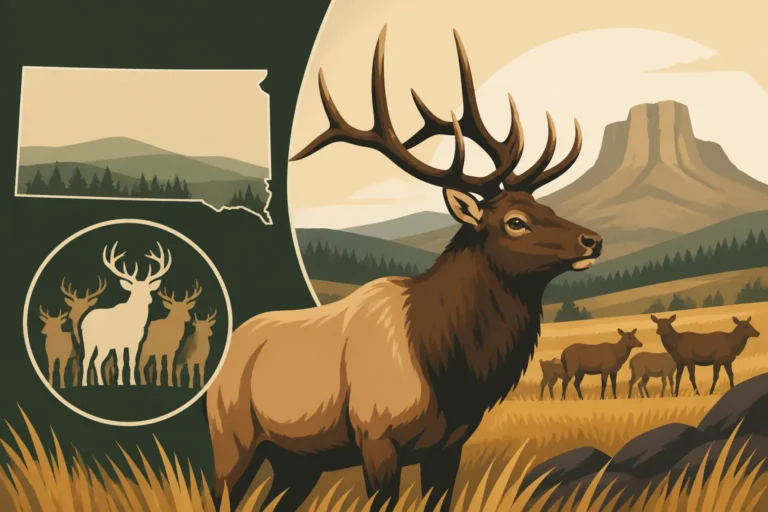
Before European settlement, the Black Hills were teeming with elk. These magnificent animals roamed freely, an integral part of the ecosystem and a vital resource for the indigenous peoples who called this land home. Imagine vast herds moving through the Ponderosa pine forests, their bugles echoing across the canyons and draws. Their presence shaped the landscape, created game trails, and supported a complex web of life.
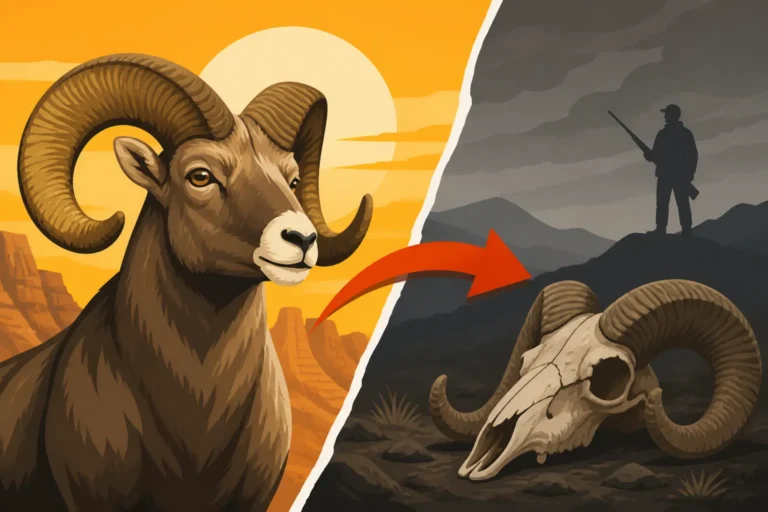
However, as settlers pushed westward in the late 19th century, the pressure on wildlife intensified dramatically. Unregulated hunting, driven by market demand for meat and hides, combined with habitat loss from logging and agricultural expansion, took an immense toll. Without proper management or conservation laws, elk populations plummeted across much of their historic range, including the Black Hills. It was a tragic period for many iconic American species, where the vastness of the frontier felt endless until, suddenly, it wasn't.
By the early 1900s, the once-thriving elk populations in the Black Hills had completely vanished. The last native elk in South Dakota was reportedly harvested around 1880, leaving a profound void in the ecosystem. The mountains were still stunning, but a crucial piece of their wild character was missing. This disappearance served as a stark lesson in the consequences of unchecked exploitation and highlighted the urgent need for conservation efforts if these species were ever to return. The silence where bugles once resonated was a powerful testament to what had been lost.
A New Chapter: The Custer State Park Reintroduction Efforts
The early 20th century brought a growing awareness of conservation, and with it, a desire to restore some of what had been lost. Custer State Park, established in 1913, quickly became a focal point for these efforts in South Dakota. The vision was to restore the native wildlife that once thrived here, and elk were high on that list. It was a monumental task, requiring careful planning, significant resources, and a deep understanding of animal behavior and habitat needs. The pioneering conservationists understood that simply releasing animals wouldn't be enough; they needed to create conditions for long-term success.
The first major reintroduction of elk into Custer State Park began in 1919. A small herd of 15 elk, sourced from Yellowstone National Park, were brought to the park. These animals were chosen for their wild genetics and their ability to thrive in a mountainous environment similar to the Black Hills. The transfer itself was a logistical challenge, given the transportation methods of the era. Imagine moving wild elk across states before modern trailers and highways! This initial group was carefully released into suitable habitat within the park, and observers anxiously watched to see if they would adapt to their new home. Early indications were positive, with the elk showing signs of settling in and beginning to reproduce.
Over the next few decades, additional translocations occurred, supplementing the initial herd and increasing genetic diversity. These efforts were crucial in establishing a robust and healthy population. Wildlife managers meticulously tracked the elk, monitoring their health, reproduction rates, and movements. They learned what parts of the park the elk preferred for calving, wintering, and foraging. This careful, hands-on management was instrumental in overcoming the early challenges of reintroduction. Today, resources like GoHunt allow for even more detailed monitoring and analysis of big game herds, but the foundational work was laid with grit and observation. The success of these early efforts laid the groundwork for the thriving elk population we see in the park today, a testament to dedicated conservation work.
Managing a Thriving Population: Modern Elk in Custer State Park
Fast forward to today, and the elk herd in Custer State Park is a resounding success story. The population has grown considerably since those initial releases, becoming a vibrant and self-sustaining part of the Black Hills ecosystem. This is great news, but it also brings its own set of management complexities. A healthy population means regular assessment of herd numbers, habitat conditions, and the impact of the elk on other species and the park's resources. Keeping a balance is key.
Herd Health and Habitat Management
Maintaining a healthy elk herd requires continuous monitoring and proactive management. South Dakota Game, Fish and Parks (GFP) biologists regularly conduct surveys, often using aerial methods, to estimate population size, sex ratios, and calf production. This data is vital for making informed decisions about herd management, including setting harvest quotas for licensed hunters. The goal is to ensure the population remains within the carrying capacity of the land, preventing overgrazing and competition with other species. Habitat quality is also actively managed, including prescribed burns to stimulate new forage growth and maintaining water sources. For those interested in the intricacies of these efforts, exploring articles on topics like How GFP Counts Big Game can provide deeper insights.
Beyond numbers, the health of individual animals is also a priority. Monitoring for diseases, ensuring adequate nutrition, and managing potential conflicts with humans are all part of the daily grind. The health of the Custer State Park herd is a point of pride, demonstrating what focused conservation can achieve. Understanding these dynamics is crucial for anyone passionate about wildlife, and platforms like GoHunt sometimes provide public access to data insights or historical trends that inform these management decisions.
Balancing Wildlife and Public Access
Custer State Park is unique because it's a place where wildlife thrives alongside a massive influx of tourists each year. This creates a delicate balance. While visitors love seeing elk, especially during the fall rut when bugling fills the air, their safety and the elk's well-being must always be considered. The park implements regulations to minimize human-wildlife conflict, such as keeping a safe distance from animals and staying on designated roads and trails.
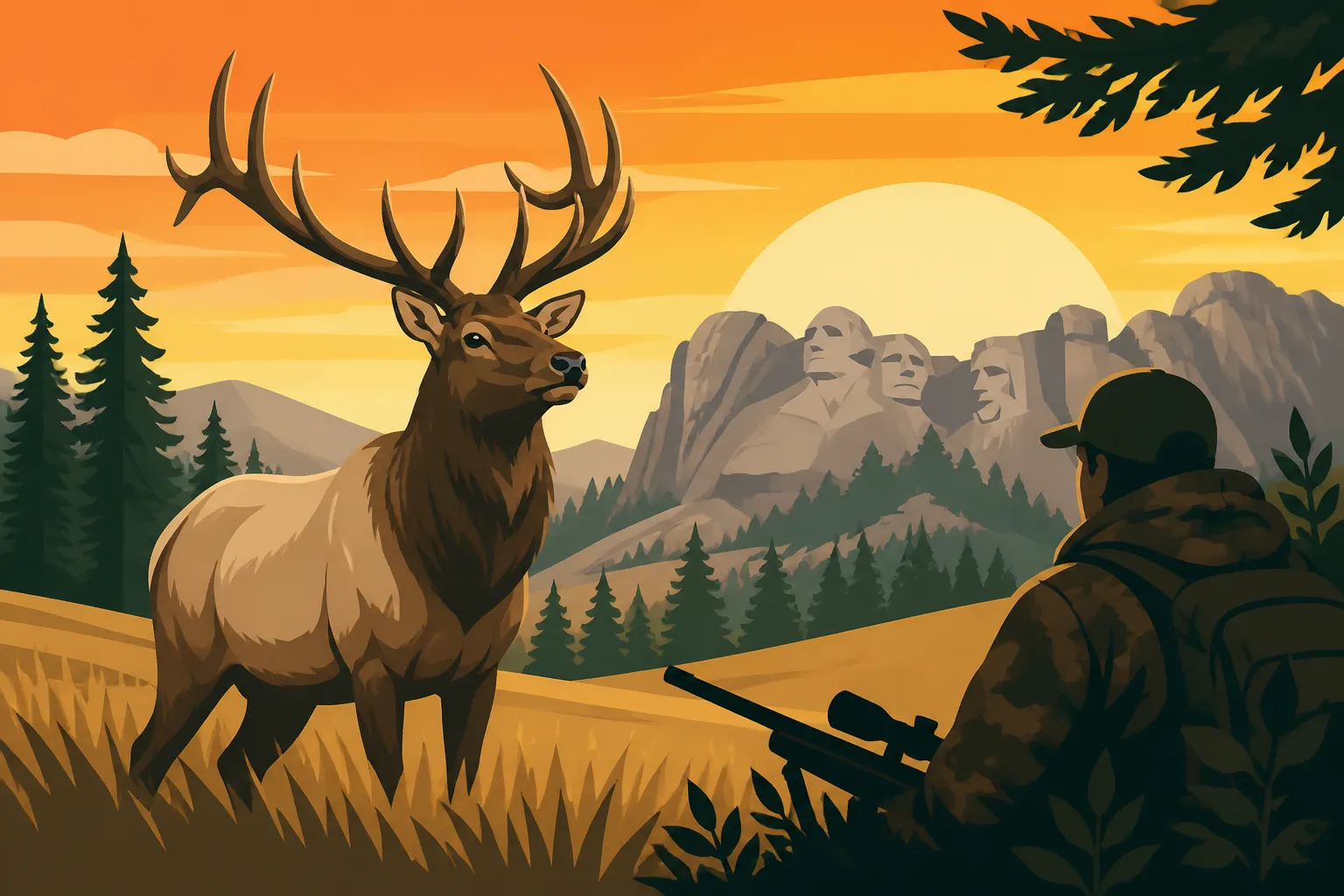
Hunting also plays a critical role in managing the elk population within the park. Custer State Park offers limited, highly sought-after hunting opportunities for elk, which are part of the broader South Dakota Elk Draw and Units system. These controlled hunts help to manage herd numbers, maintain healthy age structures, and provide a unique experience for hunters. The revenue generated from these tags also supports wildlife conservation efforts throughout the state. It's a complex system, but it ensures that the majestic elk continue to thrive in the Black Hills while allowing both visitors and hunters to appreciate them responsibly. For those considering trying their luck in the draw, researching past draw odds on platforms like GoHunt can provide valuable context.
Here's a look at the journey of elk reintroduction in Custer State Park:
| Year/Period | Event | Significance |
|---|---|---|
| Pre-1900s | Native elk abundant | Integral part of ecosystem; primary game species for indigenous peoples. |
| ~1880 | Last native elk harvested | Extirpation of elk from the Black Hills due to overhunting and habitat loss. |
| 1913 | Custer State Park established | Vision for wildlife restoration, including elk. |
| 1919 | Initial Yellowstone elk introduced | First successful reintroduction, 15 animals released. |
| 1920s-1940s | Additional translocations | Supplemented initial herd, increased genetic diversity, bolstered population growth. |
| Mid-20th C. | Herd establishes self-sustaining status | Population grows, showing successful adaptation and reproduction. |
| Present | Thriving, managed population | Active management through hunting and habitat work, balancing wildlife and public access. |
The story of elk in Custer State Park is a powerful example of successful conservation. From their disappearance to their reintroduction and current thriving status, it highlights the dedication of wildlife managers and the importance of public support. If you're planning a trip to the area, you'll want to read up on Black Hills Elk Hunting Tactics or understand the broader scope of South Dakota Elk in the Black Hills and Prairie to fully appreciate these incredible animals. It’s a privilege to share the landscape with them once again.
Disclaimer
This article is for general informational purposes only and does not constitute professional advice. Laws, prices and regulations vary by location and change over time. Consult a qualified professional for guidance on your specific situation.