South Dakota’s Peak Pheasant Population
It's easy to get lost in the stories of "the good old days" of South Dakota pheasant hunting, tales of endless flushes and limits in minutes that sometimes feel like tall tales. Many hunters wonder if such incredible bird numbers were ever truly real, or just the exaggerations of fond memory. This guide isn't here to mythologize, but to explore the historical reality of South Dakota's peak pheasant population, delving into when it happened, why it was so prolific, and what lessons we can take from it for our hunting today.
The Golden Age: Understanding South Dakota's Peak Pheasant Population
When we talk about South Dakota's "peak" pheasant population, we're not pinpointing a single year but rather a glorious era where the stars aligned for these magnificent birds. It was a time that solidified South Dakota's legendary status as the Pheasant Capital of the World, etching itself into the minds of generations of hunters.
When Did the Pheasant Population Peak?
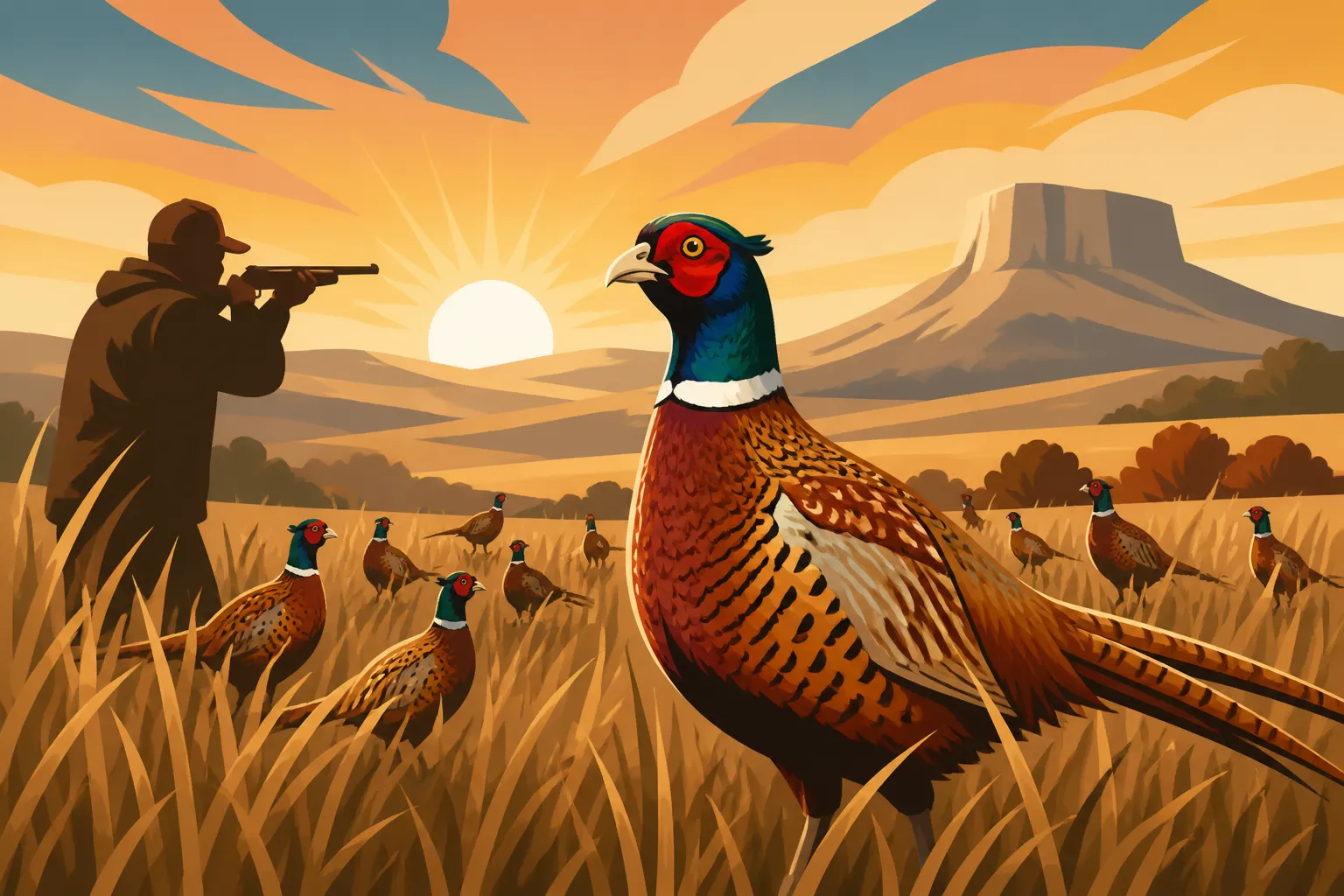
The absolute zenith of pheasant numbers in South Dakota generally points to two distinct periods: the mid-1940s immediately following World War II, and another significant surge in the mid-1960s. During these times, conditions were so incredibly favorable that the landscape literally bristled with pheasants. Stories from those years aren't just fond memories; they're backed by historical records and the collective awe of hunters who witnessed it firsthand. Imagine a time when driving down a gravel road in the morning meant seeing dozens, if not hundreds, of pheasants in every field. That wasn't a dream; it was the reality for South Dakota residents and visiting hunters during these peak periods. The sheer volume of birds was almost incomprehensible by today's standards, truly earning the state its "pheasant capital" moniker.
The Sheer Scale of Abundance
During these peak years, the abundance wasn't just impressive; it was astounding. Hunters regularly spoke of taking their daily limits in less than an hour, often within sight of their vehicle. Farmers described fields "running alive" with pheasants, making even routine chores an exercise in bird flushing. It wasn't uncommon for ditches, fence rows, and small patches of cover to hold dozens of birds. This wasn't just about good hunting; it was about an ecosystem perfectly tuned to support a massive pheasant population. The birds were simply everywhere, forming large wintering concentrations and spreading out across the landscape during nesting season. It was a level of density that many hunters today can scarcely imagine, making those old stories seem almost unbelievable until you dive into the historical context.
The Perfect Storm: Factors Fueling the Historic Peak
Such incredible numbers don't happen by accident. South Dakota's pheasant peak was the result of a convergence of environmental, agricultural, and socio-economic factors that created an unparalleled habitat for these resilient game birds. It was a delicate balance, one that has shifted dramatically over the decades.
Habitat Abundance and Agricultural Practices
One of the most critical drivers of the peak pheasant populations was the agricultural landscape itself. During the 1940s and 60s, South Dakota's farming practices were vastly different from today's large-scale monoculture. Farms were generally smaller, more diverse, and less intensively managed. This meant a patchwork of small grain fields—corn, wheat, oats, barley—interspersed with hayfields, pastureland, and an abundance of "edge" habitat. Think about sprawling fence rows, un-tilled corners, idle grasslands, and brushy draws. These areas provided crucial nesting cover, brood-rearing habitat, and vital winter protection. Small grains offered cover well into the summer, and a lack of aggressive fall tillage left plenty of waste grain for winter sustenance. These factors are a big part of Why South Dakota Grows So Many Pheasants. The varied crops meant a longer growing season for cover, and less removal of valuable nesting sites. Today, many areas are dedicated to vast fields of corn and soybeans, which, while providing food, offer limited year-round cover.
Mild Winters and Favorable Nesting Seasons
Beyond habitat, the weather played a huge, often underestimated, role. Consecutive years of mild winters with relatively little heavy snow meant excellent survival rates for hens heading into the spring. A high number of healthy hens means a higher potential for successful nesting. Following these easy winters, the peak years often experienced springs and early summers with optimal weather for nesting and chick survival. This typically meant moderate temperatures and timely, gentle rains that promoted insect growth (a critical food source for pheasant chicks) without drowning nests or chilling young birds. This combination allowed for high recruitment rates, year after year, building the population to unprecedented levels. Conversely, understanding Winter Severity and South Dakota Pheasant Survival helps explain why populations fluctuate so much from year to year, even today. When those conditions align perfectly, the birds thrive.
Land Use Policies and Conservation Efforts
While sometimes unintentional, land use policies also contributed to the boom. Early iterations of federal programs, preceding the modern Conservation Reserve Program (CRP), often paid farmers to set aside marginal land, converting it to perennial grasses. These enrolled acres, especially when combined with other natural cover, acted as massive pheasant factories, providing safe nesting habitat away from active farming operations. The sheer acreage enrolled in such programs during certain periods provided a safety net for pheasant populations. When you add that to the diverse small-scale agriculture, you had a landscape that was almost entirely beneficial for pheasants. The impact of CRP Acres and South Dakota Bird Numbers cannot be overstated, as these programs have consistently been a major factor in supporting bird populations. Even seemingly simple things, like fewer roads and less human encroachment, helped the birds thrive across wider areas.
The Shifting Landscape: What the Peak Means for Today's Hunter
While those legendary peak years might be firmly in the past, understanding them helps us appreciate the challenges and opportunities of pheasant hunting in South Dakota today. It’s not about lamenting what’s gone, but about adapting and celebrating the hunt that remains.
The Reality of Modern Pheasant Hunting
Let's be realistic: the chances of seeing pheasant numbers consistently at 1940s or 1960s levels are slim. The fundamental agricultural landscape has changed dramatically, driven by efficiency, scale, and global markets. Larger equipment, extensive monoculture, widespread chemical use, and reduced "edge" habitat mean that the constant, widespread ideal conditions simply aren't there anymore. However, South Dakota remains an exceptional pheasant hunting destination, far exceeding most other states. It means hunters need to be smarter, more adaptable, and more focused on finding the remaining quality habitat. The hunting experience is still world-class, but it often requires more effort, strategic thinking, and understanding of bird behavior than it did in the golden age.
Here's a quick look at the contrasting factors:
| Factor | Peak Era (1940s-1960s) | Modern Era (Post-2000s) |
|---|---|---|
| Farming Practices | Small, diverse farms; small grains | Large, monoculture; corn/soybeans |
| Habitat Diversity | High; fence rows, sloughs, hayfields | Lower; fewer edges, larger fields |
| Winter Cover/Food | Abundant waste grain, dense cover | Less waste grain, more vulnerable cover |
| Nesting Success | Generally high due to diverse cover | Variable; dependent on remaining CRP/grass |
| Hunter Density | Lower, less global notoriety | Higher, especially during opener |
| Bag Limits/Success | Limits often quick and easy | Still good, but requires more work/scouting |
Adapting Strategies for Current Bird Numbers
So, what does this mean for you, the modern pheasant hunter? It means you need to prioritize finding quality habitat. Birds still exist in incredible numbers, but they are concentrated in specific areas where cover, food, and water converge. This is where scouting becomes paramount. Tools like GoHunt can be invaluable for e-scouting, allowing you to pour over aerial imagery, identify potential cover, and mark likely holding areas long before you ever set foot on the prairie. Look for those un-tilled corners, the dense cattail sloughs, the thick shelterbelts, and the remaining CRP fields. Understanding Reading Aerial Imagery for Cattail Cover or learning how to approach Working South Dakota Shelterbelts for Roosters can drastically improve your success.
Focus on areas that offer year-round cover, not just seasonal crops. Pheasants need protection from predators and the elements, especially during the harsh South Dakota winters. Also, remember that birds pushed hard will seek the thickest cover available. Therefore, knowing how to hunt Late-Season South Dakota Pheasants in Heavy Cover is crucial, as is understanding Hunting Pressure Patterns on Walk-In Areas to find less-pressured birds. Embrace technology for mapping and information, and combine it with good old-fashioned boots-on-the-ground scouting, just as you would when learning Scouting South Dakota Public Ground Before the Season.
The Future of Pheasant Hunting
Despite the changes from the peak years, the future of pheasant hunting in South Dakota remains bright, largely thanks to dedicated conservation efforts. Organizations and state agencies are continually working to create, restore, and maintain habitat through programs like CRP, state Game Production Areas, and Walk-In Areas. These programs are vital in providing the type of cover that once occurred naturally on the landscape. Hunters also play a crucial role, not just by purchasing licenses and stamps, but by supporting conservation groups and advocating for habitat initiatives. While we may never see the exact conditions that led to the mid-century peaks, the commitment to habitat means that South Dakota will continue to offer world-class pheasant hunting for generations to come. Your hunting experience today, even if it differs from the stories of yesteryear, is still a cherished tradition deeply rooted in the state's incredible pheasant legacy.
Disclaimer
This article is for general informational purposes only and does not constitute professional advice. Laws, prices and regulations vary by location and change over time. Consult a qualified professional for guidance on your specific situation.