Mountain Lions in the Black Hills
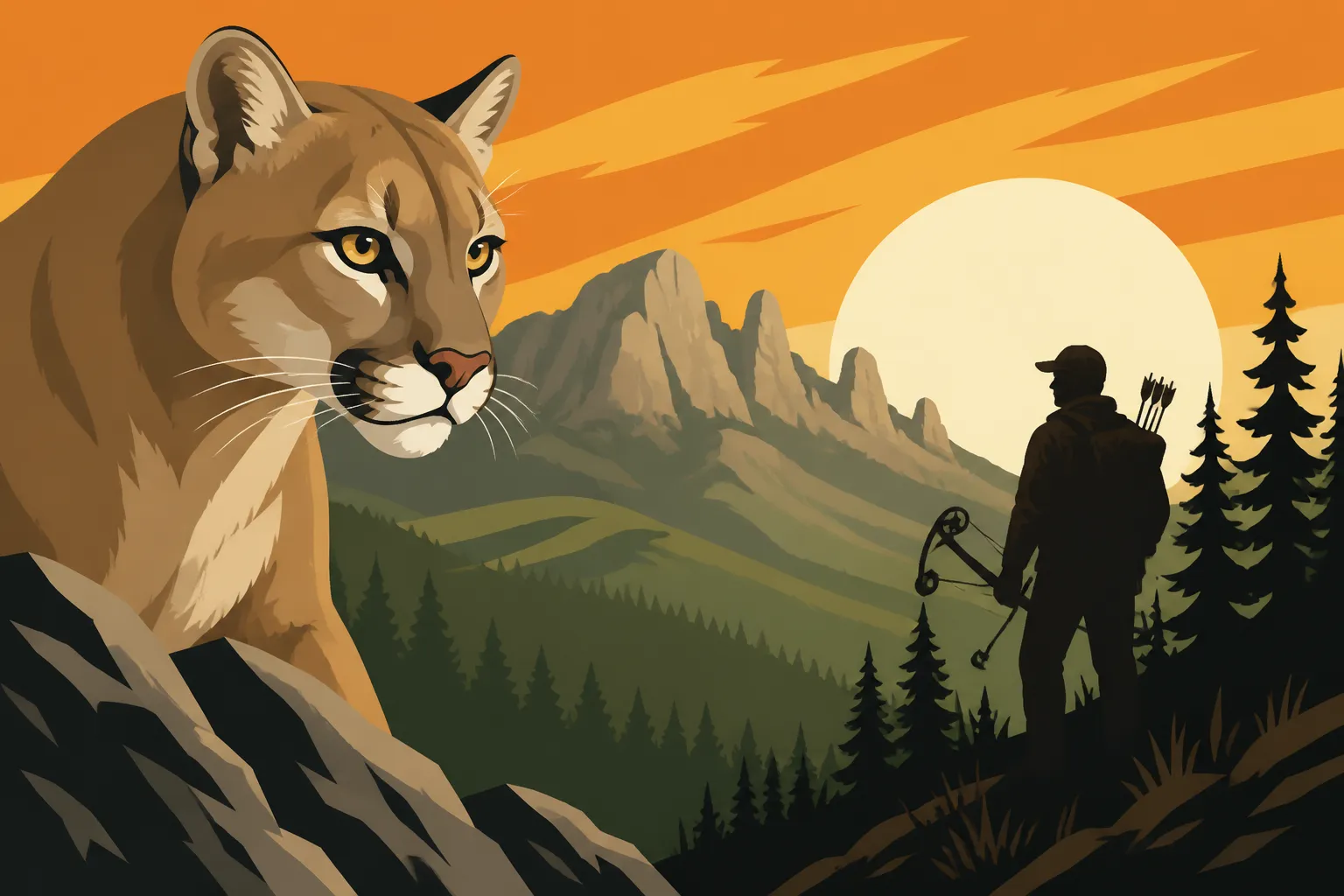
The whispers about large, silent shadows moving through the timber of the Black Hills are more than just campfire stories. For many, the idea of a mountain lion, or cougar, roaming the rugged canyons and dense Ponderosa pine forests of western South Dakota can be both awe-inspiring and a little unnerving. This guide aims to pull back the veil on these elusive predators, offering a deep dive into their lives, their role in the ecosystem, and how hunters and outdoor enthusiasts can understand and coexist with these magnificent animals in their native habitat.
The Elusive Predator of the Black Hills
The Black Hills of South Dakota represent a unique island of forest in the vast sea of the Great Plains, and within this island thrives a population of one of North America's most mysterious big cats: the mountain lion. Their very presence adds an undeniable wildness to the region, and understanding their ways is key to appreciating this special place.
Understanding Black Hills Mountain Lion Habitat
The Black Hills aren't just one big, uniform forest. They're a mosaic of steep, rocky canyons, dense Ponderosa pine stands, open meadows, and aspen groves, all intertwined with a labyrinth of drainages and seasonal creeks. This varied terrain is exactly what mountain lions need to thrive. They are masters of stealth, using the broken topography and thick cover to stalk their prey unseen. You'll find them frequenting areas with abundant deer and elk, their primary food sources, often near water or where natural bottlenecks occur in the landscape. These cats prefer areas with plenty of escape cover, where they can retreat or raise their young without constant human disturbance. Think of those deep, shadowed draws you might hike through, or the gnarled rock formations that offer natural dens and lookout points – that's prime mountain lion territory. They might traverse ridgelines to survey the landscape or drop into a deep canyon to follow a deer trail, always utilizing the terrain to their advantage.
The Black Hills provides this perfect blend: high country for denning and rearing kittens, lower valleys for hunting, and vast stretches of wild country where they can live relatively undisturbed. When you’re out scouting for game or just enjoying the scenery, pay attention to these features. If you start seeing more deer sign in a particular canyon, there’s a good chance a mountain lion has noticed it too. The dense timber provides excellent camouflage, allowing them to remain virtually invisible even when you might be quite close.
What Do Mountain Lions Eat in South Dakota?
When we talk about mountain lions, we're really talking about a apex predator whose diet directly impacts the health and balance of the Black Hills ecosystem. Their menu is fairly specific, focusing predominantly on larger ungulates. Here in South Dakota, that means mule deer and white-tailed deer are their bread and butter. If you've ever scouted for deer in the Black Hills, you know how abundant these animals can be, providing a consistent food source for the cougars.
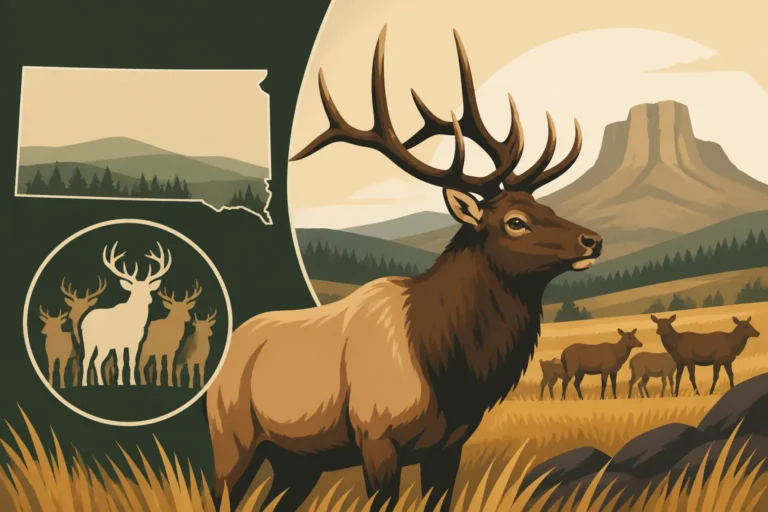
Beyond deer, mountain lions will also prey on elk, especially calves, which are easier to bring down. Turkey, grouse, and even smaller mammals like rabbits and raccoons can supplement their diet, especially for younger, less experienced lions, or when primary prey is scarce. While it's rarer, there have been instances where they might target domestic livestock or pets, which is often a sign of either desperation, a sick or injured animal, or a habituated cat. Generally, healthy mountain lions prefer to stick to their wild prey, as it's less risky and more natural for them. Their hunting strategy is typically a patient stalk, followed by a sudden, powerful ambush, often aiming for the neck or spine of their victim. You might stumble upon a "kill site" while out hiking or hunting – a pile of bones or a partially cached carcass covered with leaves and debris – which is a telltale sign of a lion at work. These sites are incredibly valuable for researchers studying lion populations and their dietary habits.
Population Dynamics and Management in South Dakota
Understanding how many mountain lions call the Black Hills home, and how the state manages them, is a crucial part of appreciating their presence. It's not just about letting nature take its course; it's about careful stewardship to ensure a healthy population that coexists as best as possible with human activity.
Tracking Mountain Lion Numbers in the Black Hills
Counting mountain lions is notoriously difficult, far more challenging than counting deer or elk. They are solitary, highly secretive, and masters of concealment. You're far more likely to see a mountain lion track than the animal itself. In South Dakota, wildlife officials employ a combination of methods to estimate the population, including remote camera surveys, tracking surveys, and studying harvest data from hunting seasons. They also rely on reported sightings and depredation events, though these are less reliable for population estimates.
The data gathered helps them understand population trends, distribution, and overall health. For example, if harvest numbers are consistently high, it might indicate a robust population. Conversely, a lack of young animals in the data could signal a potential problem. While exact, real-time numbers are hard to pinpoint, the goal is to ensure a stable, viable population within the Black Hills, recognizing their vital role as a top predator. These monitoring efforts are critical for making informed decisions about hunting seasons and conservation strategies, helping to balance the needs of the lions with the concerns of residents and other wildlife species.
South Dakota's Mountain Lion Management Strategy
South Dakota's approach to mountain lion management is a carefully balanced act. The primary goal is to maintain a healthy, self-sustaining population of mountain lions in the Black Hills while minimizing conflicts with humans and domestic animals. This is primarily achieved through a regulated hunting season. The South Dakota Game, Fish and Parks (GFP) sets specific harvest quotas for different zones within the Black Hills, often dividing the region into an "early" and "late" season, or setting separate male and female quotas. These quotas are based on population estimates, research data, and public input, designed to allow for a sustainable harvest without negatively impacting the overall population.
Furthermore, management includes public education efforts to help people understand mountain lion behavior and how to reduce the likelihood of encounters. They also investigate depredation incidents involving livestock or pets, and in some cases, authorize the removal of individual problem animals. For hunters looking to understand the intricacies of these regulations, a platform like South Dakota Big Game Draws and How to Apply can be an invaluable resource, offering insights into application periods and unit breakdowns. Staying informed through resources such as GoHunt, which often aggregates state wildlife agency information, is key for anyone interested in the state's approach to these animals. This holistic strategy aims to ensure that mountain lions remain an integral part of the Black Hills ecosystem for generations to come.
Hunting Mountain Lions in South Dakota
For a select few, the ultimate challenge in the Black Hills might be to pursue a mountain lion. This isn't your average deer hunt; it requires a unique skillset, immense patience, and an understanding of tracking that borders on artistry. It's a true test of a hunter's woodsman skills and commitment.
The Black Hills Mountain Lion Season and Tags
Hunting mountain lions in South Dakota is not for the faint of heart, and securing a tag is the first hurdle. The state manages mountain lion hunting through a limited draw system, meaning there are a finite number of tags available each year, typically divided by sex and specific zones within the Black Hills. This controlled approach is essential for managing the population sustainably. Hunters must apply for these tags during specific application periods, and drawing one often depends on luck, or sometimes, accumulated preference or bonus points for other big game species, depending on the current rules. It's crucial to check the current regulations annually, as season dates, quotas, and application deadlines can shift based on population assessments and other factors.
The season itself usually opens in late fall or early winter, extending into the spring in some areas. Successful hunting often hinges on fresh snow, which allows for easier tracking of these elusive animals. There are usually separate male and female quotas, and once a specific quota for females is met, that portion of the season might close early to protect the breeding population. Hunters need to be prepared for the possibility of very short notice closures. For detailed draw odds, application strategies, and unit breakdowns, services like GoHunt are a favorite among serious big game hunters, offering sophisticated data that can help you navigate the complex draw system and improve your chances of getting that coveted tag. Knowing your unit boundaries and understanding the historical success rates within those areas is paramount.
Common Hunting Methods and Ethics
Hunting mountain lions is vastly different from pursuing deer or elk. While some still-hunting is possible, the most effective and common method in South Dakota involves the use of trained hounds. This isn't just a traditional method; it’s a highly specialized approach. Hunters will look for fresh tracks after a snowfall, often covering many miles of remote roads or trails. Once a fresh track is found, the hounds are released to follow the scent, eventually baying or "treeing" the lion. This method requires dogs specifically bred and trained for lion hunting, incredible stamina from the hunters, and a deep understanding of the terrain. The chase can lead hunters deep into rugged canyons and across steep, timbered ridges, making physical fitness a non-negotiable requirement.
For those attempting still-hunting, it's an even greater challenge. Success usually comes from meticulous tracking in fresh snow, often for miles, until the hunter spots the lion or is close enough for a shot. Ethical considerations are paramount in mountain lion hunting. When using hounds, hunters are expected to ensure a clean, quick kill, and to respect the animal once it is treed. The focus is on fair chase and ensuring the integrity of the hunt. This pursuit is as much about the journey, the tracking, and the challenge of navigating the Black Hills wilderness as it is about the harvest. Remember, a thorough understanding of hunting regulations, including South Dakota Hunter Education and Licensing, is fundamental for any hunt, especially for a species as unique as the mountain lion.
Living With and Avoiding Encounters
The Black Hills is a shared space, and while mountain lions primarily prefer to avoid humans, understanding how to recognize their presence and react responsibly in the rare event of an encounter is vital for everyone who ventures into their territory.
Identifying Mountain Lion Signs
While actually seeing a mountain lion is a rare treat, finding their signs is much more common and offers fascinating clues about their elusive lives. Being able to read these signs effectively not only enriches your time in the woods but also makes you a more aware and safer outdoorsperson. Tracks are perhaps the most definitive sign: look for four distinct toe pads, usually without claw marks (claws are typically retracted), and a distinct heel pad with two lobes at the front and three at the back. These are generally larger and more rounded than coyote or domestic dog tracks. A lion's stride is also typically longer and more purposeful.
Scat can also provide clues, though it's often confused with coyote or bobcat droppings. Mountain lion scat tends to be larger, segmented, and often contains hair and bone fragments from their prey. Keep an eye out for "scrapes" – small piles of dirt, leaves, or pine needles scraped by a lion's hind feet, often covering scat or urine, used for marking territory. Perhaps the most dramatic sign is a "kill site." Lions often try to cache their kills, covering them with debris to protect them from scavengers. If you find a partially eaten carcass covered with leaves, sticks, or grass, it’s a strong indication of a lion. Knowing how to interpret these signs, perhaps even after reading up on Reading Snow for Deer and Predator Sign, can significantly enhance your experience in the Black Hills, turning a simple walk into a detective mission.
Here's a simple comparison table for common predator signs in South Dakota:
| Sign Type | Mountain Lion | Coyote | Bobcat |
|---|---|---|---|
| Tracks | Large (3-4"), rounded, no claw marks visible, distinct heel pad (3 lobes at back). Often symmetrical. | Medium (2-3"), oval, claw marks usually visible, distinct heel pad (1 lobe at back). | Small (1-2"), rounded, no claw marks visible, less defined heel pad. Asymmetrical front foot. |
| Scat | Large (1-2" diameter), segmented, often contains hair/bone. Blunt ends. | Smaller (0.5-1" diameter), rope-like, often twisted, contains hair, bone, berries. Tapered ends. | Small (0.5" diameter), segmented, often contains fur/feathers. Blunter ends than coyote. |
| Kill Site | Prey often partially consumed and carefully cached (covered with debris). Typically larger prey (deer, elk). | Prey often completely consumed or scattered. Rarely cached. Any size prey. | Smaller prey (rabbits, birds) often killed cleanly and sometimes cached shallowly. |
| Other Signs | Scrapes (dirt/leaf mounds), territorial scent marks. | Howls, yips, territorial urine marks. | Scratch posts, dens under rock ledges. |
Safety Tips for Hikers and Hunters
While mountain lion attacks on humans are exceedingly rare, it’s always wise to be prepared when venturing into their habitat. The most important thing to remember is that these animals prefer to avoid confrontation. Most sightings are quick glimpses as the lion makes a hasty retreat. However, if you find yourself in a situation where a lion doesn't immediately flee, here's what to do:
First, never hike or walk alone. Traveling in groups makes you appear larger and more formidable. Keep children and pets close, and never let them run ahead or fall behind. A child or a small dog can easily be mistaken for prey. If you do encounter a lion, do not run. Running can trigger their chase instinct. Instead, make yourself appear as large as possible: spread your arms, open your jacket, pick up small children. Make noise, speak firmly, and maintain eye contact. Back away slowly, giving the animal an escape route. Throw rocks or sticks if necessary, but remember that the goal is to deter, not to injure, the animal. If a lion does attack, fight back aggressively with anything you have – shouting, kicking, hitting. Protecting your neck and head is crucial. Carrying a whistle or air horn can also be a good deterrent. Always be aware of your surroundings, especially during dawn and dusk when lions are most active. This is not to instill fear, but to foster respect and preparedness for the incredible wildlife that makes the Black Hills so special. For those looking to explore, consider resources like Black Hills National Forest Hunting which can guide you to public access points while also informing you about the local wildlife.
Mountain Lion Sightings East River and Beyond
When most people think of mountain lions in South Dakota, they picture the rugged, timbered landscape of the Black Hills. And for good reason – that's where the established, breeding population resides. However, every so often, reports of mountain lion sightings surface "East River," sparking curiosity and sometimes a little bit of alarm.
Occasional Prairie Lion Sightings
It’s important to distinguish between an established, breeding population and transient animals. While the Black Hills is indeed cougar country, the vast prairies of East River South Dakota are not. However, sporadic mountain lion sightings do occur in the eastern part of the state. These are almost invariably young, dispersing males that have left their natal territories in the Black Hills (or sometimes even from other states like Nebraska or North Dakota) in search of new hunting grounds and potential mates. They are opportunists, following river corridors, dense shelterbelts, or other patches of cover that offer some concealment and a chance at prey.
These prairie lions rarely stay long. The habitat simply isn't suitable for establishing a permanent breeding population. The open landscape, lack of consistent large prey in dense cover, and increased human population density make long-term survival and reproduction extremely challenging. When these animals are spotted, it’s usually a fleeting glimpse, and they typically continue their journey, often moving hundreds of miles in their quest. These sightings are noteworthy because they highlight the incredible traveling ability of these cats, but they do not indicate a growing population outside of the Black Hills. So, while it's exciting to hear about a lion near Brookings or Watertown, it’s an outlier, not a trend.
Understanding Dispersal and Transient Animals
The phenomenon of "East River" mountain lion sightings is a classic example of dispersal in the animal kingdom. As young male mountain lions reach maturity, often between one and two years of age, they are naturally driven to leave their mother's territory to seek out their own. This drive prevents inbreeding and helps to spread the species into new areas. These dispersing individuals can travel vast distances – sometimes hundreds of miles – crossing landscapes that don't typically support permanent mountain lion populations.
They follow their instincts, moving from one patch of cover to the next, often using river drainages like the James or Missouri as travel corridors. Their journey is fraught with peril; they face risks from vehicle collisions, encounters with other predators, and the challenges of finding sufficient food in unfamiliar territory. Many of these dispersing animals will not survive to establish a new home range. They are essentially pioneers, exploring the edges of their species' potential range. While these sightings can certainly be surprising for those in prairie communities, they serve as a reminder of the wild nature that still exists, and the incredible adaptability of these predators. For anyone interested in the broader picture of big game in the state, understanding South Dakota Deer Licence Types by Region can also offer context to prey distribution, which is intrinsically linked to predator movements. Ultimately, these transient lions underscore that the Black Hills remains the true stronghold for South Dakota's magnificent mountain lion population.
Disclaimer
This article is for general informational purposes only and does not constitute professional advice. Laws, prices and regulations vary by location and change over time. Consult a qualified professional for guidance on your specific situation.