South Dakota Mentored Youth Hunts
Introducing young people to hunting can feel like a daunting task, especially when you're trying to navigate all the rules and regulations. It's a passion we want to share, but ensuring they have a safe, legal, and positive first experience is paramount. This guide is here to walk you through South Dakota's Mentored Youth Hunting Program, making it easier for you to introduce the next generation to the field with confidence and understanding.
Understanding South Dakota's Mentored Youth Hunting Program
South Dakota has long recognized the importance of recruiting new hunters, and their Mentored Youth Hunting Program is a fantastic avenue for achieving just that. It's designed to provide a structured, safe, and supportive introduction to hunting for young individuals who might not yet meet the full requirements for traditional licenses or hunter education.
What is a Mentored Youth Hunt?
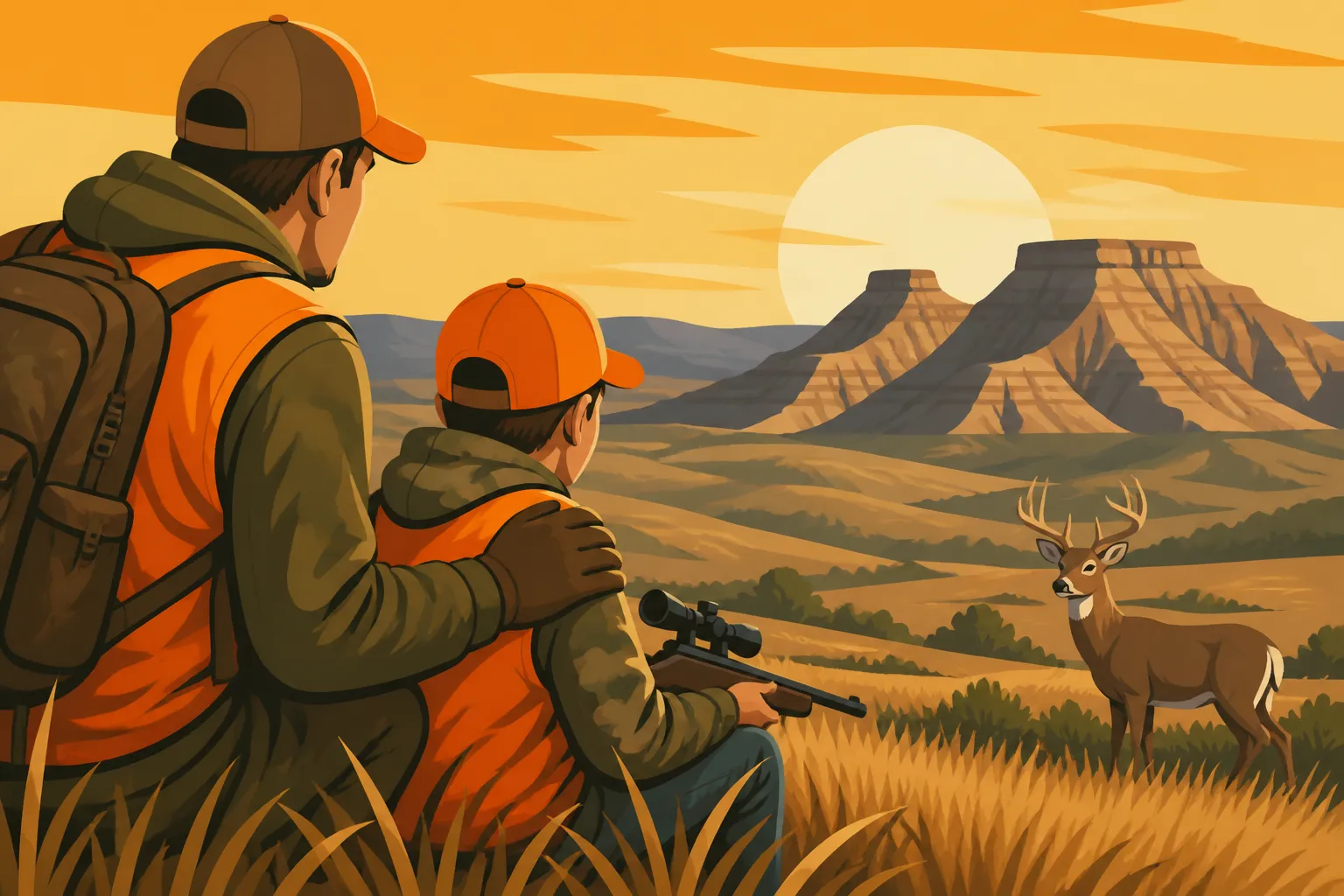
At its heart, a mentored youth hunt is about hands-on learning in the field, under the direct supervision of an experienced adult. It’s not just about taking a child hunting; it’s about teaching them the ropes, from safety and ethics to animal identification and conservation. The program allows young hunters, often those under the traditional hunter education age requirement, to participate in certain hunting seasons with a licensed mentor right by their side. This direct, one-on-one instruction in real-time is incredibly valuable. Imagine being able to explain wind direction or stalk techniques not from a textbook, but right there in a sprawling cattail slough or alongside a prairie coulee. It builds foundational skills and fosters a deep respect for wildlife and the land, bypassing some of the initial hurdles that might otherwise prevent participation.
The primary purpose is to remove barriers to entry while maintaining the highest safety standards. Many states require hunter education before a certain age, which can be a hurdle for younger kids or for families just starting in the hunting tradition. The mentored program allows them to experience hunting before committing to a full hunter education course, hopefully sparking a lifelong interest. It's truly an opportunity to foster a connection with nature and the hunting heritage, guided by someone who knows the land and the animals.
Eligibility and Requirements for Youth and Mentors
For the youth, the main eligibility factor is age. Generally, the South Dakota Mentored Youth Hunting Program targets those under the age of 16. The specific age range can vary slightly depending on the game animal, but the overarching theme is to allow younger individuals to participate. Importantly, under this program, these young hunters are typically exempt from the standard hunter education certification requirement. This doesn't mean safety is ignored; quite the opposite, as the mentor assumes direct responsibility for all safety aspects. It's a fantastic way to bypass the initial classroom phase and get straight to practical, supervised experience.
The role of the mentor, however, comes with significant responsibility. A mentor must be at least 18 years old and hold a valid South Dakota hunting license for the species being hunted, along with any necessary stamps (like the habitat stamp or federal duck stamp, if applicable). The mentor must remain in direct physical control of the youth at all times. This isn't just about being in the same field; it means being close enough to provide immediate instruction and supervision. For firearms hunting, this often translates to being within arm's reach. They are responsible for ensuring the youth adheres to all hunting laws, bag limits, and safety protocols. It's a huge commitment, but seeing a young hunter's face light up after a successful, ethical hunt makes it incredibly rewarding. Before taking a youngster afield, it’s a good idea for mentors to review topics like Safe Gun Handling on a Bird Drive to ensure they are fully prepared for their supervisory role.
Species Available Under the Program
South Dakota's Mentored Youth Hunting Program is quite comprehensive, allowing for mentored hunts across a variety of game species. For upland birds, pheasants are a huge draw. Imagine a child's excitement as the first rooster flushes, guided by your calm instruction. You can often participate in the South Dakota Youth Pheasant Season, which sometimes offers earlier or special opportunities. Beyond pheasants, youth can also hunt other small game species like rabbits, squirrels, and some migratory birds, always under the strict guidance of their mentor.
Big game opportunities are also often available. For instance, the South Dakota Youth Deer Season provides specific timeframes for young hunters to pursue deer, whether it's whitetails in river bottoms or mule deer on the west river breaks. The specific regulations, dates, and tag requirements for these big game hunts can differ from the general seasons, so it's absolutely crucial to consult the current year's South Dakota Game, Fish and Parks (GFP) regulations handbook. For waterfowl, there are usually South Dakota Youth Waterfowl Days designed to give young hunters a dedicated opportunity to chase ducks and geese. Each species will have its own set of rules regarding age, licensing, and equipment, all designed to make the experience manageable and enjoyable for the youth while emphasizing safety above all else.
Navigating the Rules and Regulations
Understanding the regulations can feel like deciphering ancient texts sometimes, but for mentored youth hunts, clarity is key. It’s all about creating a safe, legal, and educational environment for the next generation of hunters.
License and Stamp Requirements
Even with the exemptions for hunter education, there are still specific license requirements that both the youth and the mentor must meet. For the youth, South Dakota typically offers a special South Dakota Youth Small Game Licence or a similar designation that allows them to participate in mentored hunts. This license often comes at a reduced cost, or in some cases, might even be free for certain species. It's designed to be accessible and encourage participation. While the youth might not need a habitat stamp or federal duck stamp themselves for certain activities, their mentor absolutely will. The mentor must hold all the necessary licenses and stamps as if they were hunting alone, in addition to carrying the responsibility for the youth.
It’s imperative to check the most current regulations published by the South Dakota Game, Fish and Parks (GFP) each year, as specifics can change. What applied last season might have subtle but important differences this season. Websites like GoHunt often provide excellent resources and summaries of state hunting regulations, which can be a helpful supplement to the official GFP handbook. They might help clarify any nuances, but always double-check with the GFP directly if there's any doubt. Remember, the mentor is legally accountable, so ensuring all paperwork is in order is a top priority before heading afield.
Equipment and Safety Considerations
When it comes to equipment for a mentored youth hunt, safety must be the absolute priority, followed closely by appropriateness for the young hunter. For firearms, this means choosing a gauge or caliber that the youth can comfortably and safely handle, minimizing recoil, and ensuring proper fit. A .20 gauge shotgun is often a good starting point for upland birds like pheasants, while a .22LR rimfire is perfect for small game like squirrels. For deer, smaller calibers like a .243 or 6.5 Grendel can be good choices, always matched to the youth's physical size and experience level.
Blaze orange is not just a suggestion; it's a legal requirement and a critical safety measure, especially during pheasant season or any time you’re hunting big game. Both the youth and the mentor must wear the specified amount of blaze orange, ensuring maximum visibility to other hunters. Beyond legal requirements, think about layered clothing to handle the unpredictable South Dakota weather, especially if you plan on Layering for South Dakota Wind. Eye and ear protection are non-negotiable for anyone shooting. Perhaps the most important safety consideration is reinforcing muzzle discipline. The mentor must actively and constantly supervise the youth’s firearm handling, ensuring the muzzle is always pointed in a safe direction. This constant vigilance is part of the mentor's core responsibility.
Season Dates and Bag Limits for Youth Hunts
One of the unique aspects of mentored youth hunts is that they sometimes have special season dates. Often, these youth seasons run before the general season opener, providing a less crowded and more focused hunting experience. For example, there's often a dedicated South Dakota Youth Pheasant Season that precedes the bustling general pheasant opener, giving young hunters first crack at undisturbed birds. Similarly, South Dakota Youth Deer Season dates might be set to coincide with periods of higher deer activity or specific weapon types to enhance success rates for beginners.
Bag limits for youth hunters are typically the same as for general season hunters for that specific species, but it's always worth confirming. The idea is to teach ethical harvesting practices within the standard regulatory framework. The mentor is responsible for ensuring the youth understands and adheres to these limits. This is a vital part of teaching conservation and responsible hunting. Always consult the official South Dakota GFP hunting handbook for the precise dates and limits for the current hunting year. Planning your hunt around these specific youth-focused dates can significantly improve the quality of the experience, reducing pressure and increasing opportunities for meaningful interaction and learning in the field.
Practical Tips for a Successful Mentored Hunt
A successful mentored hunt isn't solely defined by the harvest, but by the memories made, the lessons learned, and the bond strengthened between mentor and youth. Planning and preparation are crucial.
Choosing the Right Location
Selecting the right hunting location is paramount for a youth hunt. You want somewhere that offers reasonable access, minimal hunting pressure, and a good chance of encountering game without being overly challenging. South Dakota offers a wealth of public hunting opportunities, which can be an excellent starting point. The South Dakota Public Hunting Atlas is an indispensable tool, allowing you to explore Walk-In Areas (WIAs), Game Production Areas (GPAs), and other public lands. These areas are often managed to provide good habitat and public access. Using resources like GoHunt or other digital mapping applications can overlay public land boundaries with satellite imagery, helping you pinpoint ideal spots, perhaps even identify Reading Aerial Imagery for Cattail Cover or suitable pheasant habitat.
For pheasant hunting, look for areas with a mix of dense cover like cattail sloughs, shelterbelts, and CRP fields. For deer, areas with river bottom timber or prairie draws offering cover and food are good bets. When E-Scouting Walk-In Areas Before the Season, pay attention to access points and potential travel corridors for game. If you have access to private land through a known landowner, that can often provide an even more controlled and less crowded environment, perfect for a first-time hunter. Always prioritize safety and consider the physical capabilities of the youth – long, strenuous hikes might be better saved for future trips.
Preparing for the Hunt
Preparation for a mentored hunt extends far beyond just packing your gear. It starts well before you even leave the house. First, and perhaps most importantly, engage the youth in the planning process. Let them help decide what game to pursue, what gear to pack, and what snacks to bring. This investment makes them a partner, not just a passenger. Practice, practice, practice! Take the youth to a shooting range or a safe backyard setup to practice with their chosen firearm or bow. Focus on proper form, sight alignment, trigger control, and above all, consistent safety habits. This builds confidence and ensures they are comfortable and proficient before the pressure of a live hunt.
Gear preparation should be thorough. Check all firearms, clean them, and ensure ammunition is appropriate. Pack a comprehensive First Aid Kit for a Prairie Hunt, as bumps and scrapes are common, and more serious incidents, though rare, need immediate attention. Discuss expectations beforehand. Talk about the possibility of not seeing any game, the importance of patience, and the joy of just being outdoors. This manages expectations and prevents disappointment. Make sure you've covered all the legal bases, including ensuring the South Dakota Hunter Safety Online Course (if they decide to take it later) is understood and that all licenses are in hand.
Making the Experience Enjoyable and Educational
The true measure of a successful mentored hunt isn't filling a tag, but igniting a passion and instilling a deep respect for the outdoors. Prioritize the experience over the harvest. Take breaks often, bring plenty of snacks and drinks, and make sure the youth is comfortable and warm. Point out animal tracks, explain different types of vegetation, and discuss the importance of habitat. These educational moments are often the most memorable.
If a harvest does occur, involve the youth in the entire process. Teach them about ethical shot placement, tracking, and Field Dressing an Antelope Fast or other game. Explain why we thank the animal and respect its life. If they aren't ready for hands-on field dressing, involve them by explaining each step. Celebrate small victories: a successful stalk, identifying a new bird, or simply enduring a cold morning. The goal is to build positive associations with hunting, teaching them that it's about much more than just pulling a trigger. It's about stewardship, tradition, and connection to the wild places of South Dakota.
Here's a quick summary of key aspects for South Dakota Mentored Youth Hunts:
| Feature | Youth Hunter (Typically Under 16) | Mentor (Required) |
|---|---|---|
| Hunter Ed | Exempt (Mentor assumes responsibility) | Must be Hunter Ed certified (if required for their age/licence type) |
| Age Requirement | Generally under 16 (specifics vary by species, check GFP regs) | 18 years or older |
| Licence Required | Special Youth Small Game Licence (often reduced fee/free); specific big game tags | Valid South Dakota hunting licence for species being hunted |
| Stamps Required | Federal Duck Stamp (if applicable for waterfowl), Habitat Stamp (may be exempt depending on licence type) | All applicable stamps (Habitat, Federal Duck) |
| Supervision | Direct physical control (e.g., within arm's reach for firearms) | Constant, direct supervision and instruction |
| Eligible Species | Pheasants, small game, deer, waterfowl, etc. (check GFP for specifics) | All species the mentor is licensed for |
| Blaze Orange | Required (check GFP regs for specifics) | Required (check GFP regs for specifics) |
| Season Dates | Often special youth-only seasons; may also hunt general seasons with mentor | Follows general season dates unless accompanying youth in youth season |
Disclaimer
Please remember that hunting regulations, season dates, and license requirements can change annually. This guide provides general information based on typical South Dakota Game, Fish and Parks (GFP) guidelines. Always consult the official South Dakota GFP website and current year's hunting handbooks before planning or participating in any hunting activity to ensure full compliance with all laws and regulations.