South Dakota Combination Licence Options
Navigating the myriad of hunting licenses and permits in South Dakota can feel like trying to untangle a particularly stubborn knot, especially when you're hoping to pursue more than one species or spread your hunting across different times of the season. It’s easy to get lost in the regulations and wonder if there’s a simpler way to bundle your hunting aspirations. This comprehensive guide is designed to cut through that confusion, giving you a clear understanding of the various South Dakota combination license options available and how to make the most of them for your next hunting adventure.
Navigating the South Dakota Licensing Landscape
For many hunters, the appeal of South Dakota lies in its diverse opportunities, from the iconic pheasant fields to the challenging pursuit of big game. However, the first hurdle often involves figuring out which licenses you need and if there are any advantageous "combination" packages. It's a system designed to manage wildlife populations and generate revenue for conservation, but it can certainly feel complex from the hunter's perspective.
Why Combination Licenses Exist
The concept of a combination license, or at least the ability to hold multiple types of licenses concurrently, serves a few key purposes. From the state’s perspective, it streamlines the administrative process for hunters who clearly intend to engage in more than one hunting activity, like chasing pheasants and ducks during the same trip. It also helps manage harvest data and ensures that those participating are contributing to the ongoing conservation efforts that sustain South Dakota's abundant wildlife populations.
For hunters, these options are incredibly beneficial. Instead of purchasing separate, often confusing, individual tags for every single species or category, combination options aim to simplify the process. Imagine trying to buy a license for pheasants, then another for grouse, then yet another for waterfowl, all while trying to keep track of different dates and requirements. It's a headache! Combination options alleviate some of that administrative burden, allowing you to focus more on scouting and less on paperwork. This approach makes planning a multi-species trip much more feasible and enjoyable, reducing the frustration of piecemeal licensing.
Resident Versus Nonresident Considerations
One of the most crucial distinctions in South Dakota's licensing system is the stark difference between resident and nonresident options. This isn't unique to South Dakota, of course, but it's particularly pronounced here, especially concerning big game. For residents, the options are generally more straightforward, more abundant, and significantly less expensive, often reflecting their ongoing contribution to the state's tax base and conservation funding. Residents also have priority in many of the big game draws, increasing their chances of drawing coveted tags for species like deer, antelope, or elk.
For nonresidents, the landscape is a bit different. While South Dakota welcomes nonresident hunters with open arms, certain limitations and higher costs are in place to ensure that resident opportunities are preserved. Nonresident hunting contributes substantially to the state's economy, but the rules are designed to balance tourism with local hunter satisfaction. For example, specific big game tags might have limited nonresident quotas or require a successful draw application, often demanding multiple preference points over several years. Understanding these core differences from the outset is vital, as it will heavily influence which combination options are even available to you and how you plan your hunt.
Common Combination Licence Options for Hunters
When hunters talk about "combination licenses" in South Dakota, they're most often referring to the popular small game and waterfowl bundles, particularly for nonresidents. While true combination tags that cover drastically different categories like deer and ducks on a single piece of paper are rare, the system does allow for holding multiple distinct licenses that effectively create a "combination" hunting experience.
Small Game and Waterfowl Combinations
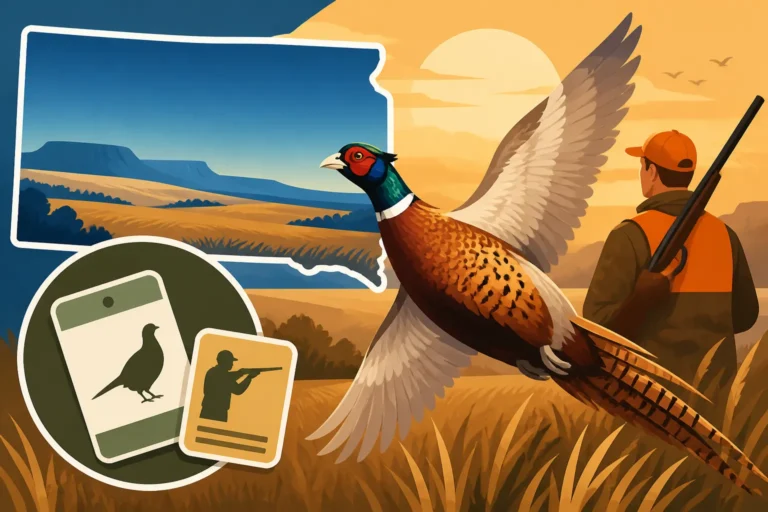
This is arguably the most sought-after combination for nonresident hunters, and for good reason. South Dakota is renowned globally for its incredible pheasant hunting, but it also sits squarely in the Central Flyway, offering fantastic waterfowl opportunities. The standard nonresident small game license is your gateway to upland bird hunting, allowing you to pursue ring-necked pheasants, sharp-tailed grouse, prairie chickens, Hungarian partridge, and quail within the specified seasons. This license is the foundation for almost any upland bird trip.
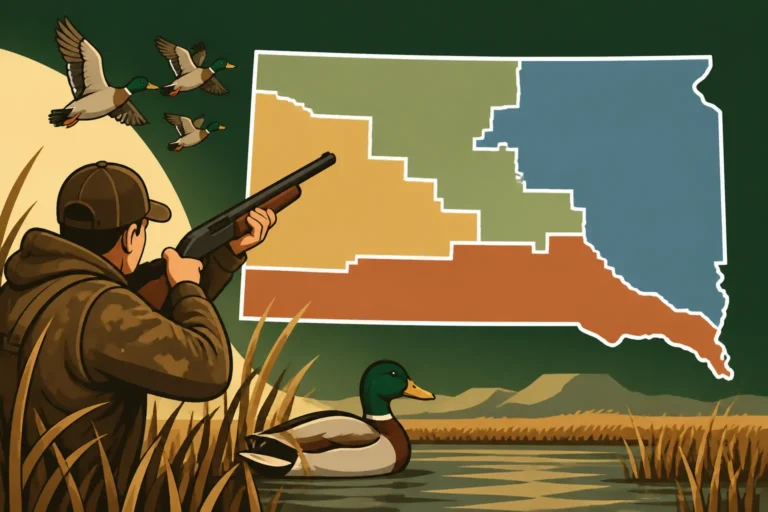
To add waterfowl into the mix, it's generally a separate but easily acquired step. You'll need to purchase a federal duck stamp, which is a national requirement, and then a state waterfowl certification. Once you have these, your small game license effectively becomes a "small game and waterfowl combination," opening up opportunities to hunt ducks and geese across the state's diverse wetlands and agricultural fields. Many hunters plan trips specifically to overlap pheasant and duck seasons, capitalizing on both. It’s a truly rich experience to be able to jump shoot a pothole in the morning and then walk a cattail slough for pheasants in the afternoon. If you're planning such a trip, be sure to consult the specific dates and regulations for South Dakota Waterfowl Seasons and Zones in addition to your upland bird plans.
A critical point of confusion, especially for nonresidents, revolves around the unique "two five-day periods" often associated with the nonresident small game license. This means your small game hunting is limited to two separate, non-consecutive five-day periods, allowing you some flexibility to spread your hunt or return later in the season. We’ll delve deeper into this system shortly, but it’s a vital aspect of planning your small game combination hunt.
Big Game with Small Game Considerations
This is where the term "combination license" can get a little tricky, as big game licenses (deer, antelope, elk) are almost always separate entities from small game licenses. You won't find a single "Deer and Pheasant Combo" license, for instance. However, many hunters successfully pursue both big game and small game during the same trip, effectively creating their own "combination" hunt by holding multiple, distinct licenses.
For example, a hunter might apply for a West River deer tag through the draw system and, if successful, also purchase a nonresident small game license for pheasant hunting during their trip. The key is that these are separate licenses with their own application processes, deadlines, and fees. Your big game tag will cover your deer, and your small game license will cover your upland birds. There's no inherent "discount" or combined application for holding both; they simply permit you to hunt different species simultaneously or consecutively.
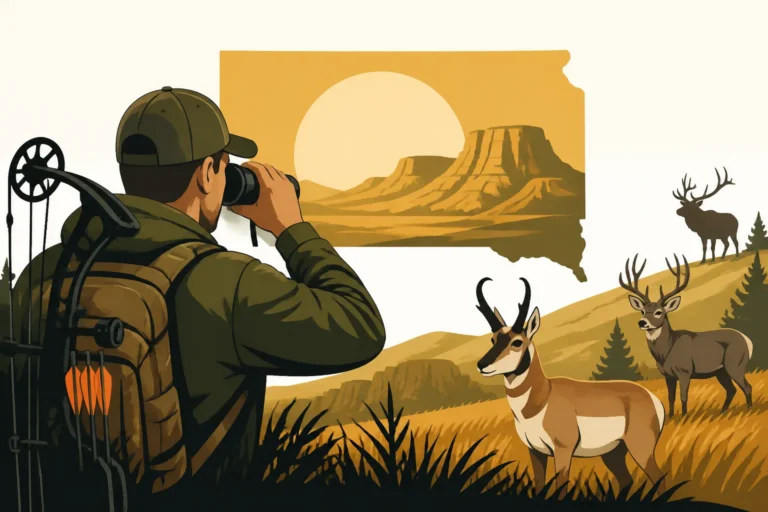
The primary hurdle for big game is often the draw system. South Dakota uses a preference and bonus point system for many of its desirable big game tags, especially for nonresidents. Services like GoHunt are incredibly valuable here, as they provide detailed insights into draw odds and application strategies for various units. They help you understand what it might take to draw a tag for South Dakota Deer Licence Types by Region or even secure a South Dakota Antelope Season and Draw permit. Without a successful draw, the idea of a big game and small game "combination" becomes purely theoretical. So, while you can absolutely hunt deer and pheasants in the same trip, remember that the "combination" refers to the experience and not a single, overarching license document.
Understanding the "Two Five-Day Period" System
For nonresident small game hunters in South Dakota, the "two five-day period" system is perhaps the most unique aspect of the state's licensing structure. It’s a point of frequent discussion and occasional frustration, but once you understand it, you can use it to your advantage to maximize your hunting opportunities.
How It Works and What It Means for Nonresidents
When a nonresident purchases a small game license, it grants them the right to hunt for two distinct, five-day periods during the season. This means you don't get a continuous ten-day hunting window. Instead, you select two separate blocks of five days each. For example, you might choose October 20-24 for your first period and then November 15-19 for your second. The days within each five-day period must be consecutive.
This system was put in place to help manage hunting pressure, particularly on public lands, and to allow more nonresidents to experience South Dakota's renowned pheasant hunting over the course of the season. It allows hunters to either take two shorter trips, or to combine their small game hunting with a big game hunt that falls between their chosen five-day periods. It's a critical piece of information that dictates your entire travel itinerary, so don't overlook it! Many hunters find that understanding How South Dakota's Five-Day Periods Work is key to a successful trip.
One common misconception is that these five-day periods apply to all hunting in South Dakota for nonresidents, including big game. This is generally not the case. Your big game tag (if drawn) typically has its own season dates that are independent of your small game five-day periods. Always double-check the specific regulations for each tag you hold.
Maximizing Your Hunting Time and Planning Around It
Careful planning is essential to make the most of your two five-day periods. Many nonresident pheasant hunters choose their periods to align with the season opener for an early-season push, then return later in November or early December for a late-season hunt when birds are often concentrated in heavy cover. Other hunters might schedule their first period around the general rifle deer season, hunting big game during the interim, and then activating their second five-day small game period.
When selecting your periods, consider factors like anticipated bird numbers, weather patterns, and hunter pressure. Early season hunts (late October) often offer more active birds and milder weather, while late-season hunts (November/December) can present colder conditions but birds that hold tighter, especially in thick cover. You can find detailed information on planning your periods by looking into Choosing Your Five-Day Start Dates.
It’s important to note that once your five-day periods are declared, changing them can be difficult or subject to specific deadlines set by the South Dakota Game, Fish and Parks (GFP). Always check the current regulations on the GFP website well in advance of your hunt. This foresight allows you to coordinate travel, accommodation, and any guided services with your chosen hunting blocks, preventing last-minute logistical nightmares. Remember, planning is half the fun and all of the success when it comes to maximizing your time afield under these rules.
Strategic Planning for Your South Dakota Hunt
A successful hunting trip to South Dakota, especially one involving multiple species or complex licensing, hinges on meticulous planning and leveraging available resources. Don't underestimate the details, as they can make or break your experience.
Utilizing Resources and Application Strategies
The official South Dakota Game, Fish and Parks (GFP) website is your first and most authoritative source for all regulations, season dates, and licensing information. Regulations can change annually, so it’s crucial to check the most current hunting handbook before applying for any licenses or making solid plans. The GFP site also details all South Dakota Nonresident Licence Costs and specific requirements for each game species.
For big game draws, particularly for nonresidents, understanding the odds and application process can be daunting. This is where specialized platforms truly shine. Services like GoHunt provide invaluable data-driven insights into draw odds, unit breakdown, and application deadlines, helping you strategically apply for tags. They can inform you on how many preference points you might need for a South Dakota Big Game Draws and How to Apply successful draw, or help you analyze different unit options. Their tools can be a game-changer for those looking to secure a big game tag and combine it with a small game hunt. Don't forget, regardless of your experience level, all hunters must adhere to South Dakota Hunter Education and Licensing requirements, so ensure you're up-to-date on those rules.
A smart strategy for nonresidents interested in both big game and small game is to apply for big game tags first, as these are draw-dependent and usually have earlier deadlines. Once big game results are known, you can then purchase your small game license and select your two five-day periods, aligning them with your big game hunt or planning separate upland trips.
Budgeting and Logistics for Multiple Species
Hunting in South Dakota can be a significant investment, and pursuing multiple species will naturally increase your costs. Beyond the license fees themselves, consider the expenses for travel, accommodation, food, appropriate gear for varying weather conditions and species, and potentially guided services. If you’re bringing your own dogs, factor in their care and needs too.
| License Type | Key Species Covered | Common Combinations | Nonresident Draw Required? | Five-Day Periods Apply? |
|---|---|---|---|---|
| Nonresident Small Game | Pheasant, Grouse, Partridge, Quail | Add Waterfowl Cert. & Federal Duck Stamp | No | Yes (Two 5-day periods) |
| Nonresident Waterfowl Cert. | Ducks, Geese | Requires Small Game License + Federal Duck Stamp | No | No (follows Small Game dates) |
| Nonresident Deer (Rifle/Archery) | Whitetail, Mule Deer | Concurrent Small Game & Waterfowl (separate licenses) | Yes | No (has own season dates) |
| Nonresident Antelope (Firearms) | Pronghorn Antelope | Concurrent Small Game & Waterfowl (separate licenses) | Yes | No (has own season dates) |
When combining a big game hunt with a small game hunt, you also need to think about logistics. Will you be carrying both a rifle and a shotgun? How will you field dress and transport a deer or antelope if you’re also trying to maximize your pheasant hunting time? Will you need to find a local meat processor, or do you plan to process it yourself? The answer to these questions will impact your vehicle choice, cooler space, and overall timeline. Don't forget that different species often have different legal shooting hours and daily bag limits, requiring diligent attention to detail. Staying informed and organized through a well-researched plan will lead to a more enjoyable and successful South Dakota hunting experience. A good way to keep track of your success is to carefully complete the Reading a South Dakota Harvest Report for any harvested game.
Disclaimer
Please note that hunting regulations, seasons, and license requirements are subject to change annually by the South Dakota Game, Fish and Parks (GFP). Always consult the most current official GFP regulations and handbooks before planning any hunting trip or purchasing licenses. This guide is intended for informational purposes only and should not be considered legal advice.