South Dakota Elk Application Deadline
There's nothing quite as deflating as realizing you've missed a critical hunting application deadline, especially when it comes to coveted tags like a South Dakota elk. The dream of chasing a Black Hills bull can vanish in an instant if you don't stay on top of those crucial dates. Navigating the complex world of big game draws, preference points, and various application periods can feel like a full-time job, but this comprehensive guide is here to simplify the process and ensure you know exactly when the South Dakota elk application deadline looms.
Understanding the South Dakota Elk Draw System
The allure of elk hunting in South Dakota is undeniable. While not as widely known for elk as some western states, the Black Hills and pockets of prairie units offer some fantastic, challenging opportunities for a resident or nonresident to pursue these majestic animals. However, unlike small game hunting, securing an elk tag here isn't a simple over-the-counter purchase. It's a highly competitive draw system designed to manage herd populations and distribute hunting pressure fairly.
Why Deadlines Matter for Elk Tags
Missing the application deadline isn't just an inconvenience; it means you're out of luck for the entire year. With limited tags available and often more applicants than permits, every step of the process, from application to drawing, is critical. The South Dakota Game, Fish and Parks (GFP) sets these strict deadlines to manage the application volume, process requests efficiently, and conduct the draw. These dates are carved in stone, and there are rarely, if ever, exceptions made for late submissions. You simply won't be in the running if your application isn't received by the specified cut-off.
For anyone serious about hunting elk in the state, understanding South Dakota Big Game Draws and How to Apply is fundamental. It's not just about filling out a form; it's about understanding the game you're playing. The draw system itself is a carefully balanced act between giving residents priority and offering limited opportunities for nonresidents, all while considering the health of the elk herds.
Overview of South Dakota's Elk Units and Management
South Dakota’s elk population is primarily concentrated in the beautiful Black Hills, but there are also smaller, scattered herds across the prairie. The state divides these areas into specific units, each with its own quota of tags, season dates, and weapon restrictions. These units are managed intensely to ensure sustainable hunting opportunities. The Black Hills units (like Custer State Park and those within the Black Hills National Forest) are the most popular and historically challenging to draw, while prairie units might offer different experiences but are still highly sought after.
For example, a Black Hills unit might have tags specifically for archery, rifle, or muzzleloader, and often different seasons for bulls versus antlerless elk. Each year, the GFP assesses herd health, population trends, and hunter success rates to determine the number of tags issued for each unit. This adaptive management approach is why the exact number of tags can fluctuate annually, making your research before applying all the more important. Understanding these units and their unique characteristics is crucial, especially when considering South Dakota Elk Draw and Units to make an informed choice on your application.
The Critical South Dakota Elk Application Deadline
Alright, let's cut to the chase and nail down the most important date for any aspiring South Dakota elk hunter. For the primary firearm, archery, and muzzleloader elk seasons, the South Dakota Game, Fish and Parks (GFP) typically sets the application deadline in late May or early June. This timing is consistent year after year, allowing the department to process applications and conduct the draw well in advance of the early archery seasons, which often kick off in September.
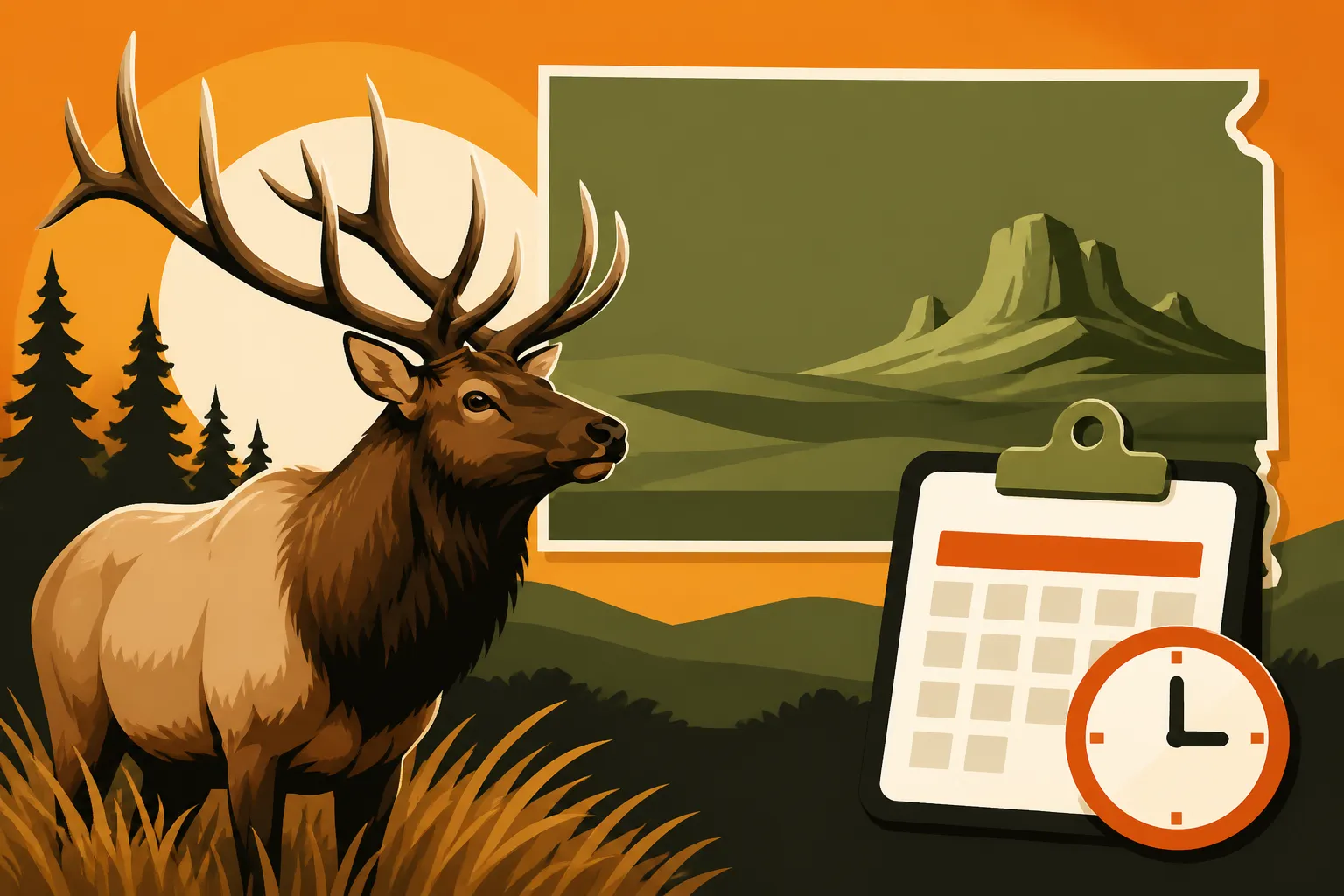
As of the current year (2024), the application period for South Dakota elk tags generally opens in late April and closes on the first Friday in June. For example, in 2024, the application deadline was June 7th. It’s imperative to remember that this deadline is not a postmark date; your application must be submitted and received electronically by the GFP by this specific time. Missing it by even a minute means you're out.
Key Dates to Mark on Your Calendar
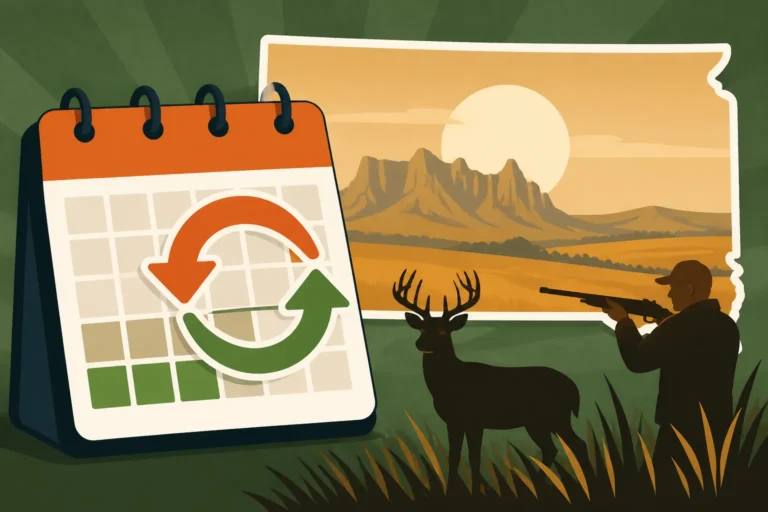
To avoid the heartbreak of a missed opportunity, diligent calendar management is a must. Here’s a breakdown of the typical application timeline:
| Event | Typical Timeframe |
|---|---|
| Application Period Opens | Late April |
| Application Deadline | First Friday in June |
| Draw Results Released | Early to Mid-July |
| Leftover Tag Sales (if applicable) | Late July / Early August |
These dates are generally consistent, but I always recommend double-checking the official South Dakota GFP website for the exact dates each year, just in case there are any minor adjustments. Setting multiple reminders on your phone, marking it on your physical calendar, and even telling a hunting buddy to remind you are all great strategies. Platforms like GoHunt are fantastic for staying organized, as they often track these critical dates and provide alerts, making it easier to keep all your application deadlines straight across multiple states.
Common Pitfalls and How to Avoid Them
Even with the deadline marked, hunters still run into issues. One of the most common pitfalls is simply forgetting. Life gets busy, and these dates can sneak up on you, especially if you're applying for multiple species in different states. Another frequent problem is technical issues—waiting until the last hour on deadline day only to find the GFP website is experiencing high traffic, your internet connection is spotty, or your credit card isn't going through. Don't let a preventable technical glitch rob you of a chance at a tag.
To sidestep these frustrations, here are a few simple but effective tips:
- Apply Early: Don't wait until the eleventh hour. Submit your application several days, if not a week or two, before the deadline. This gives you a buffer to resolve any technical issues, verify your information, and ensure everything is processed correctly.
- Double-Check Information: Review your chosen unit, weapon type, and personal details thoroughly. A simple typo in your hunter ID or a mistake in unit selection can invalidate your application or land you in a unit you didn't intend.
- Verify Payment: Ensure your credit card information is current and that you have sufficient funds. Declined payments are a common reason for application failures.
- Confirm Submission: After submitting, always look for a confirmation email or a confirmation number on the GFP website. Save this information! It's your proof that your application went through successfully.
Paying attention to these details can make all the difference. Remember, the competition for South Dakota elk tags is stiff, and you don't want to be disqualified for a preventable error.
Navigating the Application Process
Applying for a South Dakota elk tag can feel daunting initially, but the GFP has streamlined its online system to be fairly user-friendly. Most applications are now submitted electronically through the GFP website, which offers a convenient and secure way to enter the draw.
Step-by-Step Guide to Applying Online
Here’s a general roadmap for submitting your South Dakota elk application:
- Access the GFP Website: Start by navigating to the official South Dakota Game, Fish and Parks website. Look for the "Licenses and Permits" or "Hunting Draws" section.
- Create/Log In to Your Account: If you’re a returning applicant, log in using your existing GFP account. New applicants will need to create a profile, which typically involves providing personal information like your name, address, date of birth, and possibly hunter education certification details. Ensure all your contact information is accurate, as this is how GFP will notify you of draw results.
- Select Elk Application: Within the application portal, find the option for "Elk" or "Big Game Draw." You'll then be prompted to select the specific season (e.g., Firearm, Archery, Muzzleloader) and whether you're applying as a resident or nonresident. Remember that South Dakota Nonresident Licence Costs will be higher, and draw odds can be significantly tougher for nonresidents due to quotas.
- Choose Your Unit(s): This is where your research on elk units pays off. You'll typically be asked to select a first, second, and possibly third choice for units and hunt types (e.g., Bull Elk, Antlerless Elk, Specific Unit Code). Reference the GFP’s annual hunting handbook or online unit maps to make informed decisions. Consider your physical capabilities and the terrain of the unit; for example, Hunting Elk on Steep Black Hills Ridges can be physically demanding.
- Address Preference/Bonus Points: South Dakota uses a preference point system for elk. You’ll have the option to apply for a tag or purchase a preference point only. This choice is critical. If you apply for a tag and are unsuccessful, you'll typically be awarded a preference point for the next year. If you don't want to hunt this year but want to build points, you can purchase a point directly. We’ll discuss this more in the next section.
- Review and Pay: Before final submission, carefully review all your application details. Make sure your unit choices are correct and that you've selected the appropriate point option. Then proceed to the payment section. The application fee and any required licensing fees (like the Habitat Stamp) will be processed here.
- Confirm Submission: Once payment is processed, you should receive a confirmation screen and an email. Print or save this confirmation. It's your proof of application.
Many hunters find themselves researching draw odds through tools like GoHunt or the GFP's own reports before making their unit selections. This diligence is part of the process and can significantly impact your hunting journey.
Maximizing Your Draw Odds Preference vs. Bonus Points
South Dakota employs a hybrid preference and bonus point system for many of its big game draws, including elk, though for elk it leans heavily on preference points. Understanding this system is paramount to building your chances over time.
- Preference Points: In a preference point system, the applicant with the most points typically draws first. Each year you apply for a tag and are unsuccessful, you earn a preference point. If you choose not to apply for a tag but still want to build points, you can usually purchase a "point-only" option during the application period. The more points you have, the higher your priority in future draws. For a good breakdown, see South Dakota Preference Points Explained. It's a long game, but a necessary one for competitive draws like elk.
- Bonus Points: While some draws in South Dakota use bonus points (where each point essentially gives you an extra entry into the draw, increasing your odds but not guaranteeing a tag based solely on points), the elk draw primarily functions on preference. This means accumulated points directly influence your likelihood of drawing, making it a very strategic system for long-term hunters.
Strategy for Maximizing Odds:
If your primary goal is to hunt elk in South Dakota, especially in the highly desirable Black Hills units, committing to building preference points is often the most reliable strategy.
- Start Early: Begin accumulating preference points as soon as you know you want to hunt South Dakota elk. Even if you can't hunt for a few years, buying a point each year keeps you in the game.
- Research Point Totals: Utilize resources like GoHunt, and GFP's own draw statistics, to see how many points successful applicants needed to draw specific units in previous years. This will give you a realistic idea of the commitment required.
- Consider Your Choices: You can apply for a tag with your accumulated points. If you apply and are unsuccessful, you gain another point. If you draw, your points typically reset to zero for that species. Carefully consider whether to burn your points on a lower-odds unit or hold out for a higher-quality hunt in a harder-to-draw unit. Sometimes, applying for an antlerless tag might have higher draw odds if you're just looking for an elk hunting experience.
- Stay Consistent: The key to any point system is consistency. Don't miss a year of applying or purchasing a point, or you'll lose valuable ground in the race for a tag.
It's a waiting game, but one that can pay off with an incredible hunt if you stick with it. Many hunters spend years building up their points, researching Black Hills Elk Hunting Tactics and Calling Elk in Black Hills Timber in anticipation of their lucky year.
After the Deadline: What Happens Next?
Once the South Dakota elk application deadline has passed, a period of anticipation begins. The GFP office goes to work, processing thousands of applications, verifying eligibility, and preparing for the actual draw. For many, this waiting game is almost as intense as the hunt itself.
Draw Results and Notification Process
Generally, draw results for South Dakota elk tags are released in early to mid-July. This gives successful applicants ample time to plan their hunts for the fall seasons. The GFP will typically notify applicants in a few ways:
- Online Portal: The most common method is through your GFP online account. You’ll be able to log in and see your draw status directly.
- Email Notification: Many applicants receive an email notifying them that results are available and directing them to log into their account.
- Physical Mail: While less common for the initial notification, sometimes official tag packets or unsuccessful notices are sent via mail, especially for resident hunters.
If you are successful, your license or tag will typically be mailed to you within a few weeks of the results being posted. Make sure your mailing address on file is current! It’s also a good idea to research South Dakota Elk Season Dates as soon as you draw, so you can begin making detailed plans for your hunt. This is the time to finalize your scouting strategy, whether that involves Scouting a South Dakota Unit From Home using maps and aerial imagery, or planning a physical scouting trip to the unit.
Leftover Tags and Alternative Opportunities
What happens if you don't draw an elk tag in the main draw? Don't despair entirely, though your options become much more limited, especially for nonresidents.
- Leftover Tag Sales: If any elk tags remain after the initial draw (which is rare for desirable Black Hills units but can sometimes happen for specific antlerless or prairie unit tags), the GFP typically offers them for sale on a first-come, first-served basis. These sales usually occur in late July or early August. These tags are highly sought after and often sell out within minutes or hours. You need to be ready and logged in precisely when sales open if you hope to snag one.
- Archery Elk: While the main draw encompasses archery, some hunters might explore general archery opportunities if specific units allow them without drawing a specific tag. However, for most quality elk opportunities in South Dakota, the draw is the primary route.
- Future Draws: If you're unsuccessful, remember that you've likely earned another preference point, moving you one step closer to your dream tag next year. This is part of How the South Dakota Draw System Works and is why patience and persistence are vital for big game hunters in the state. Reflect on your application choices, consult resources like GoHunt to analyze draw odds for the next season, and plan your strategy for the following year's application period. Every year you gain a point brings you closer to that incredible South Dakota elk hunting experience.
Disclaimer
Always consult the official South Dakota Game, Fish and Parks (GFP) website or their current hunting regulations handbook for the most accurate and up-to-date information regarding application deadlines, season dates, and licensing requirements. Regulations can change, and it is the hunter's responsibility to ensure compliance.