South Dakota Youth Small Game Licence
There’s a unique joy that comes with introducing a young person to the timeless tradition of hunting. However, the excitement of getting out into the field with your child can sometimes be dulled by the seemingly endless maze of licences, regulations, and requirements. For many parents in South Dakota, trying to understand how to get their young aspiring hunter legally equipped for small game can feel like a daunting task. This comprehensive guide aims to demystify the South Dakota Youth Small Game Licence, helping you navigate the process with ease so you and your young hunter can focus on making incredible memories in the great outdoors.
Understanding the South Dakota Youth Small Game Licence
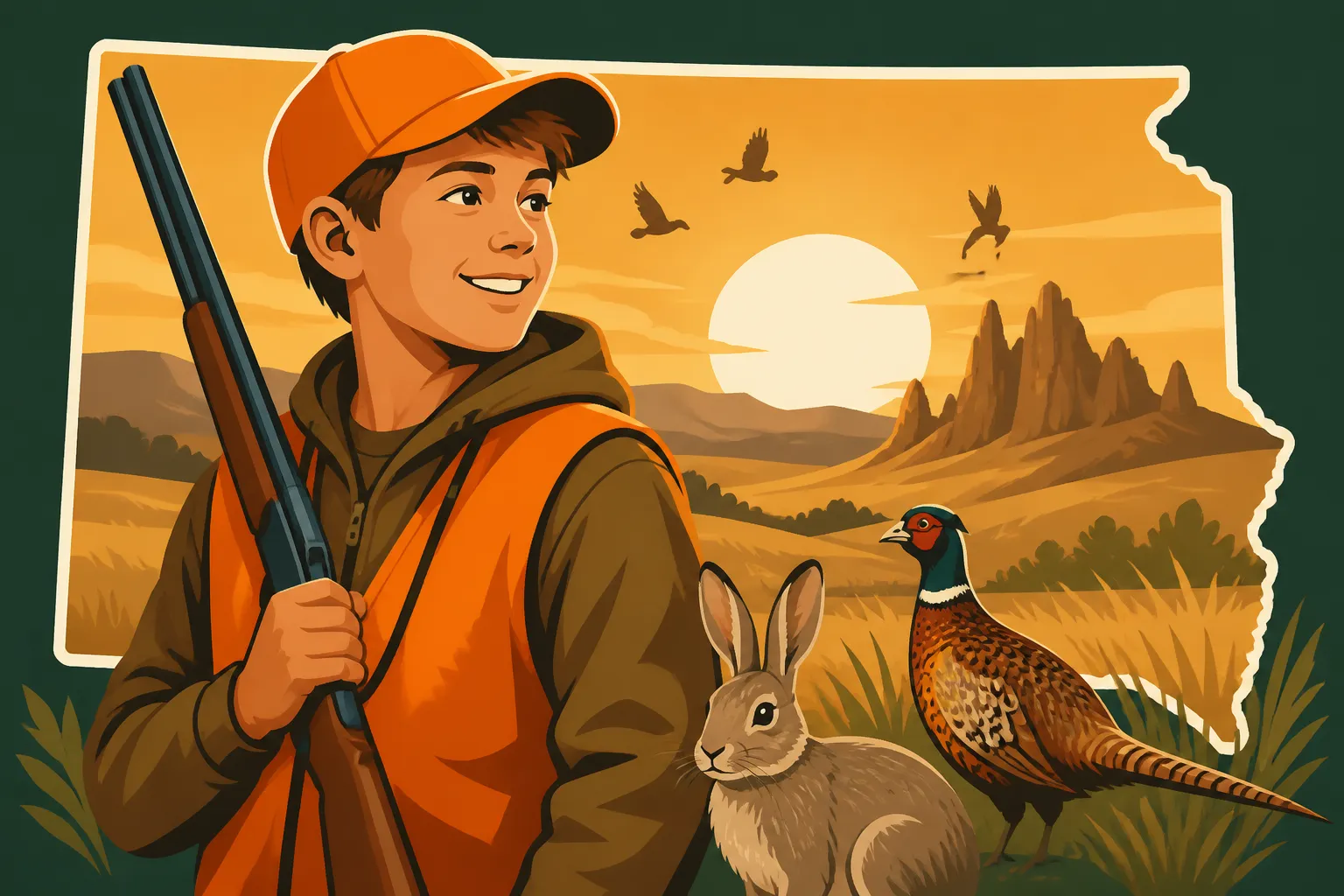
The South Dakota Game, Fish and Parks (GFP) Department understands the importance of fostering the next generation of conservationists and hunters. That’s why they’ve created specific licence options designed to make it easier and more affordable for youth to participate. The Youth Small Game Licence is a fantastic example, tailored to encourage young people to experience the thrill of hunting pheasants, grouse, squirrels, rabbits, and other upland birds and small game animals that make South Dakota so special. It’s more than just a piece of paper; it’s an invitation to tradition and responsibility.
Who Qualifies for This Licence?
To be eligible for the South Dakota Youth Small Game Licence, there are a few straightforward criteria that your young hunter needs to meet. First and foremost, this licence is specifically designed for residents of South Dakota who are under the age of 16. Generally, this means anyone 15 years old or younger. It's a residency-based licence, so if you're visiting from out of state, your child would typically fall under nonresident youth small game provisions, which might have different costs or requirements.
Beyond age and residency, hunter education plays a crucial role. While South Dakota does offer an apprentice hunter program that allows individuals to hunt without first completing hunter education, the general rule is that anyone born after December 31, 1954, must have completed a certified hunter education course to hunt in the state. For youth, this often means attending a dedicated course designed to teach safe firearm handling, wildlife identification, ethics, and conservation principles. It's a foundational step that not only fulfills a legal requirement but also instills responsible hunting habits from a young age. You can find out more about these essential requirements in guides like South Dakota Hunter Education and Licensing.
What Game Can Be Hunted with It?
The South Dakota Youth Small Game Licence is incredibly versatile, opening up a world of opportunities for young hunters. It covers a broad spectrum of small game and upland bird species found across the state. The most famous, of course, are the legendary pheasants, which draw hunters from around the globe to South Dakota's golden fields. Imagine the excitement of a young hunter as a rooster explodes from the cover in front of them!
But it’s not just pheasants. This licence also permits hunting of prairie grouse, including sharp-tailed grouse and greater prairie chickens, especially popular in the wide-open spaces of West River South Dakota. Hungarian partridge and bobwhite quail, though less widespread, are also fair game where they can be found. Beyond birds, this licence includes rabbits (both cottontail and jackrabbit), and squirrels. It truly allows for a diverse hunting experience, letting young hunters pursue different species throughout the season. For specific seasons and regulations regarding some of these incredible birds, you might want to consult information on South Dakota Prairie Grouse and Partridge.
Key Benefits and Why It's Great for Young Hunters
The primary benefit of the Youth Small Game Licence is its accessibility and affordability. South Dakota wants to make it as easy as possible for kids to get involved, understanding that these early experiences often shape a lifelong appreciation for the outdoors. The cost of the licence is significantly lower than adult licences, reducing the financial barrier for families. This means more money can be spent on good boots, warm layers, or perhaps even a new pair of binoculars, which are all crucial for a comfortable and successful hunt.
Moreover, it fosters a sense of ownership and responsibility. When a child has their own licence, they feel more invested in the hunt. They learn about regulations, bag limits, and ethical considerations, developing into responsible sportsmen and women. It’s a hands-on lesson in wildlife management and conservation, connecting them directly to the resources they enjoy. This initial step can spark a lifelong passion for hunting and outdoor stewardship, which is invaluable. Plus, having their own licence makes them feel like a genuine participant, not just an observer, boosting their confidence and engagement in every outdoor adventure.
How to Obtain the Youth Small Game Licence
Getting a hunting licence for your child shouldn't be a frustrating experience that deters participation. South Dakota has worked to streamline the process, making it relatively straightforward for parents to ensure their young hunters are legally prepared for the field. With a few steps, your child can have their official document in hand, ready for their next adventure.
Step-by-Step Application Process
Obtaining the Youth Small Game Licence can be done through a few convenient channels. The easiest and often quickest way for many is through the South Dakota Game, Fish and Parks website. Their online licensing system is user-friendly, allowing you to purchase the licence from the comfort of your home. You'll need to create an account or log in, provide the necessary information for your child, including their age and hunter education details, and then proceed with payment. Once purchased, you can often print a temporary licence immediately, with the official hard card mailed to you later.
Alternatively, you can visit a GFP office in person during business hours. This option can be helpful if you have specific questions or prefer face-to-face assistance. Lastly, many sporting goods stores, bait shops, and other authorized licence vendors across the state also sell hunting licences. These local vendors are often deeply connected to the hunting community and can offer friendly advice along with your purchase. No matter which method you choose, make sure to give yourself a little time before the season starts, just in case there are any unexpected hitches.
Required Documentation and Hunter Education
When applying, you’ll typically need basic identifying information for your child, such as their full name, date of birth, and residency details. As mentioned earlier, hunter education is a critical component for most hunters. If your child was born after December 31, 1954, they must have successfully completed a state-approved hunter education course. This is often validated by a hunter education certificate number that you’ll need to provide during the application process.
If your child hasn't completed hunter education yet, they may be able to hunt under the state's Apprentice Hunter Program, which allows individuals to hunt under the direct supervision of an authorized mentor without prior hunter education. This is a fantastic way to give a child a taste of hunting before committing to the full course, but it comes with strict supervision requirements. Always double-check the current regulations regarding mentored hunting to ensure full compliance. Remember, a valid habitat stamp is also usually required for anyone age 16 or older who hunts small game, so keep that in mind as your child approaches that age, as detailed in South Dakota Habitat Stamp Requirements.
Licence Costs and Validity Periods
One of the greatest advantages of the Youth Small Game Licence is its affordability. As a resident youth licence, the cost is minimal, often just a few dollars, if not free, demonstrating the state’s commitment to recruiting young hunters. This low cost helps families invest in other essential gear, like good optics or quality outdoor clothing. It's truly a small price to pay for access to South Dakota's incredible small game hunting opportunities.
The licence is typically valid for the entire hunting season, from its purchase date through the end of the current licence year, which usually runs from January 1st to December 31st. This means that once purchased, your young hunter is covered for all the various small game seasons that fall within that calendar year. It's worth noting that while the small game licence itself has a broad validity, specific species may have their own distinct season dates, bag limits, and shooting hours, so always consult the current year's South Dakota Hunting and Trapping Handbook for precise information. Resources like GoHunt can also provide up-to-date summaries and visual guides to these regulations, helping you stay informed.
Rules, Regulations, and Mentorship for Youth Hunters
Hunting isn't just about pulling a trigger; it's about understanding and respecting the rules that govern ethical and safe participation. For young hunters, this means not only learning the basic regulations but also having a knowledgeable mentor to guide them through the nuances of responsible hunting. This foundational experience shapes their entire journey as outdoorspeople.
Important Regulations to Know
When your young hunter heads afield with their new licence, there are several key regulations they (and you, as their mentor) need to be aware of. First, shooting hours for pheasants, for instance, typically don't begin until 10:00 AM Central Time during the regular season. This later start allows birds to disperse from their overnight roosts, making for a safer and often more productive hunt. For other species, shooting hours might differ, so always check the specific rules for the game your child is pursuing.
Bag limits are another critical aspect. South Dakota has daily and possession limits for various species. For pheasants, the daily limit is usually three roosters, with a possession limit of 15 birds after the first day's hunt. These limits are designed to manage wildlife populations and ensure fair chase. Blaze orange requirements are also paramount for safety, especially during upland bird season where multiple hunters might be in the field. Generally, a certain amount of visible blaze orange is required on your person, which is critical for preventing accidents. Always refer to a guide like Blaze Orange Rules on a Bird Hunt to ensure you're fully compliant and your young hunter is highly visible. Furthermore, when hunting on public lands, knowing the rules for Hunting South Dakota Walk-In Areas or South Dakota Game Production Areas is crucial for a smooth and legal hunt.
The Role of an Adult Mentor
Perhaps the most vital component of a young person’s hunting journey is the adult mentor. South Dakota’s regulations often specify that youth hunters must be directly supervised by a licensed adult hunter. This isn't just a legal formality; it's an incredible opportunity for teaching and bonding. The mentor’s role goes far beyond simply accompanying the child. They are responsible for ensuring the child's safety, teaching them about firearm or archery safety, explaining wildlife identification, demonstrating ethical shot placement, and reinforcing positive outdoor behavior. This direct supervision and guidance are central to the integrity of the apprentice hunting system and the development of a responsible hunter.
A good mentor teaches patience, observation, and respect for nature. They explain why we follow bag limits, why we strive for clean kills, and why we always prioritize safety. This often means demonstrating proper gun handling, even when not actively hunting, and discussing the principles outlined in Safe Gun Handling on a Bird Drive. It's about instilling the values that transform a "shooter" into a "hunter" – a person who understands their place in the ecosystem and acts as a steward for wildlife. Many successful hunting trips with youth involve less shooting and more learning, focusing on the experience rather than just the harvest. This shared experience is what truly builds character and lasting memories.
Maximizing the Youth Hunting Experience
To truly make the most of the South Dakota Youth Small Game Licence, focus on creating positive, memorable experiences rather than solely on the harvest. Start with shorter hunts, especially for younger kids, to prevent fatigue and maintain enthusiasm. Choose locations that offer good opportunities for success but aren't overly challenging. Reading Aerial Imagery for Cattail Cover might help you identify promising spots that aren't too dense for a young hunter. Walk-In Areas can be fantastic resources for this, and understanding Hunting Pressure Patterns on Walk-In Areas can help you find less crowded spots.
Safety should always be the absolute top priority. Beyond blaze orange, teach your child proper muzzle control, target identification, and zone of fire. Bring plenty of water and snacks, and dress appropriately for the unpredictable South Dakota weather. Layering is always a good idea, as temperatures can change quickly. If you're bringing a dog, remember to keep your canine companion cool and hydrated, especially during early season hunts, as discussed in Keeping a Dog Cool on an Early Opener. Celebrate every aspect of the hunt, from spotting game sign to a successful retrieve by a dog, and even the simple beauty of a South Dakota sunrise. These moments are what truly build a love for hunting and the outdoors. Planning ahead with tools like the GoHunt app or website can help you scout potential areas, understand property boundaries, and ensure you’re choosing the best location for a successful and safe outing.
Here's a quick reference for some small game species commonly pursued with this licence:
| Species | Typical Season Duration | Daily Bag Limit (Resident Youth) | Key Habitat Notes |
|---|---|---|---|
| Ring-Necked Pheasant | Oct-Jan | 3 roosters | Tall grass, cattail sloughs, shelterbelts, crop edges |
| Sharp-tailed Grouse | Sep-Jan | 3 | Native prairie, grassland, sagebrush coulees |
| Hungarian Partridge | Sep-Jan | 5 | Croplands, grassland edges, old farmsteads |
| Cottontail Rabbit | Year-round | 10 | Brushy cover, timber fringes, rocky outcrops |
| Squirrel (Fox & Gray) | Sep-Feb | 5 | Deciduous timber, river bottoms, wooded areas |
Note: Season dates and limits can change annually. Always consult the current South Dakota Hunting and Trapping Handbook for official regulations.
Bringing your kids into the world of hunting is a rewarding experience, one that teaches patience, respect, and a deep appreciation for nature. The South Dakota Youth Small Game Licence is an excellent gateway, designed to welcome the next generation into our rich outdoor heritage. Make the most of it, create those unforgettable memories, and enjoy every minute afield with your young hunter. Pheasant Hunting Etiquette on Public Ground is also a great topic to review with young hunters to ensure everyone has a respectful and enjoyable experience.
Disclaimer
The information provided in this guide is for general informational purposes only and does not constitute legal advice. Hunting regulations in South Dakota can change frequently. Always consult the official South Dakota Game, Fish and Parks (GFP) website and the current year's hunting and trapping handbooks for the most accurate and up-to-date regulations, season dates, licence requirements, and bag limits before planning any hunting activity. Failure to do so may result in violations and penalties.