What the Nonresident Small Game Licence Covers
Many hunters, especially those coming from out of state, find themselves scratching their heads when trying to decipher the complex rules and regulations for small game hunting in South Dakota. It can feel like navigating a maze, trying to figure out which species you can legally pursue and what stamps you need beyond the basic license. This comprehensive guide is here to untangle that confusion, providing clarity on exactly what the South Dakota nonresident small game license covers, ensuring you're fully prepared for your hunt.
Understanding the Basics of the Nonresident Small Game License
For many, South Dakota is synonymous with pheasant hunting, and rightfully so. But the nonresident small game license is more versatile than you might initially think, covering a range of species beyond just the iconic rooster. Knowing the fundamental definitions and available license structures is your crucial first step in planning a successful trip.
Defining "Small Game" in South Dakota
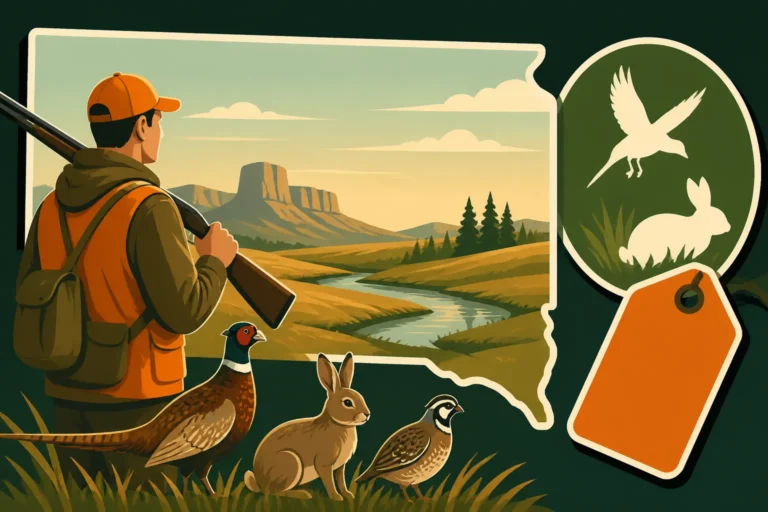
In South Dakota, "small game" isn't just one blanket category; it encompasses a variety of species, primarily upland birds, migratory birds, and certain furbearers and rabbits. For many nonresidents, the dream of South Dakota small game hunting centers almost exclusively around the legendary ring-necked pheasant. And for good reason – South Dakota truly is the Pheasant Capital of the World, offering unparalleled opportunities from the rolling plains of the West River to the rich agricultural fields of the East River. But the small game license actually opens doors to much more than just pheasants.
It includes other upland birds like sharp-tailed grouse, greater prairie chickens, and Hungarian partridge, although specific seasons and areas apply to these less common pursuits. If you're looking for a diverse upland experience, the expansive grasslands can offer incredible opportunities for grouse, often requiring different tactics than pheasant drives.
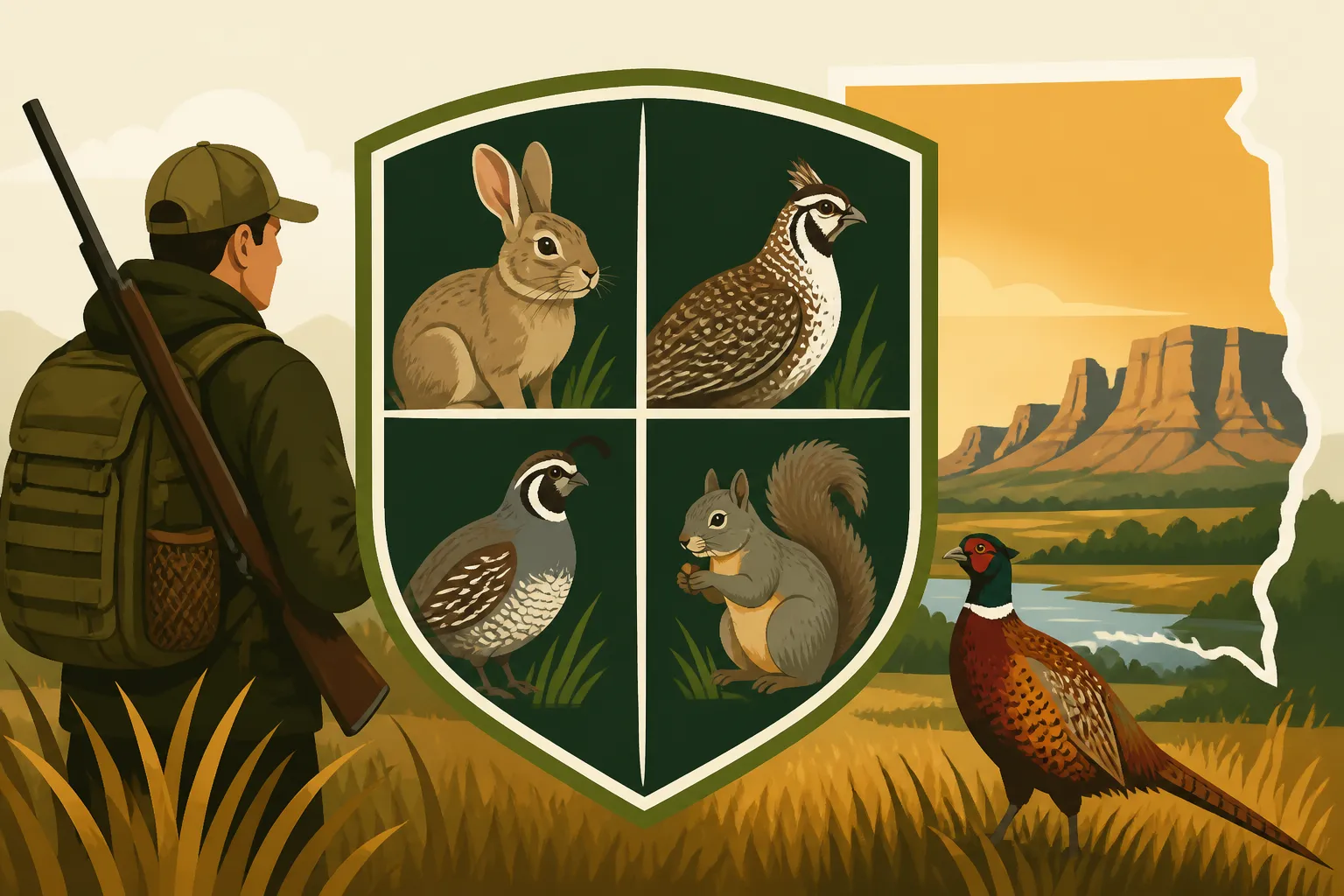
Beyond the upland birds, this license also covers various migratory game birds, which typically require additional federal stamps. We’re talking about ducks, geese, coots, snipe, and even sandhill cranes in designated zones. And for those looking for a different kind of pursuit, the small game license generally allows for hunting rabbits and squirrels. It’s crucial to remember that each of these categories has its own set of dates, limits, and sometimes additional requirements, so while the license is broad, the specifics for each species are paramount. Knowing the full scope of what "small game" means here is the first step to planning a diverse and exciting hunt.
License Structure for Nonresidents
The South Dakota Game, Fish and Parks (GFP) offers a specific nonresident small game license, meticulously designed to accommodate hunters coming from other states. Unlike some states that might offer a single, generic hunting license, South Dakota has carefully segmented its offerings, recognizing the immense popularity of its small game resources, especially pheasants. The primary nonresident small game license is typically an annual license, valid for the entire season from its opening in the fall through its closing in the late winter. This is the cornerstone for anyone planning an extended trip or multiple trips throughout the fall and winter, providing maximum flexibility for your hunting schedule.
However, recognizing that not everyone can commit to a full season, the GFP also offers more flexible options. Nonresidents can purchase a two five-day hunting period license. This means you choose two separate five-day windows during the season when you intend to hunt. This flexibility is a huge benefit for those who might only have a week or two available but want to maximize their chances. Understanding What Two Five-Day Periods Mean is crucial for planning your nonresident hunt. It's not just a matter of picking two weeks; you select specific start dates, and these periods cannot overlap. This structure helps manage hunting pressure and ensures a quality experience for all, whether you're joining a group or heading out solo. Keep in mind that a habitat stamp is also required, which we'll delve into later.
Annual Versus Short-Term Options
Deciding between an annual nonresident small game license and the two five-day period license often comes down to the duration and flexibility of your planned hunt. The annual license, while a higher upfront cost, offers unrestricted access to the entire small game season, from the traditional pheasant opener in October through the late winter months. This is ideal for serious upland bird hunters who might make multiple trips or stay for an extended period, perhaps hunting Late-Season South Dakota Pheasants in Heavy Cover when the birds are more concentrated but also tougher to flush. If you have the time and the means, the annual pass gives you maximum freedom to chase pheasants, grouse, or ducks whenever the mood strikes you throughout the season.
On the other hand, the two five-day periods are incredibly popular for hunters coming for a specific week-long pheasant trip. You get 10 days of hunting split into two blocks, which can be consecutive or separated by weeks or months. This flexibility allows hunters to target prime hunting windows without committing to the full annual cost. It's a fantastic option if you're joining a group for a specific hunt or if you simply can't get away for longer. Just be mindful of the specific dates you select when purchasing, as these are generally fixed once chosen. For instance, if you're coming up for the traditional pheasant opener, you'd want your first five-day period to align perfectly with that third Saturday in October, which marks the start of the South Dakota Pheasant Season and Licences. Carefully consider your travel plans, the weather forecast for your chosen periods, and how much time you realistically have in the field before making your choice, as changing these dates post-purchase can be complicated or incur additional fees.
What Species Are Covered by the License
The nonresident small game license is your gateway to a diverse range of hunting opportunities in South Dakota. While pheasants often steal the show, it's worth exploring the full spectrum of game you can pursue with this single license.
Ring-Necked Pheasants and Other Upland Birds
Without a doubt, the ring-necked pheasant is the undisputed king of South Dakota's small game scene, and your nonresident small game license is your primary ticket to pursuing these vibrant birds. The license allows you to hunt pheasants throughout their dedicated season, which runs from the third Saturday in October well into January. South Dakota's unique blend of agricultural land, Conservation Reserve Program (CRP) acres, and diverse natural habitat creates the perfect environment for pheasants, making it a bucket-list destination for many bird hunters. You'll find yourself walking vast fields of corn, milo, and thick cattail sloughs, often with a good dog leading the way, experiencing the thrill of a rooster flushing skyward.
Beyond pheasants, your license also covers other exciting upland bird opportunities. Sharp-tailed grouse and greater prairie chickens can be found primarily in the grasslands of West River South Dakota, offering a completely different hunting experience than pheasants. These hunts often involve covering vast tracts of prairie, typically done by walking or with good glassing techniques, sometimes for miles, to spot these wary birds. Then there are Hungarian partridge, often found in similar habitats to pheasants, particularly in the northern and eastern parts of the state. While not as abundant as pheasants, encountering a covey of "Huns" can be a delightful surprise, providing fast-paced, challenging wing-shooting. Always check the specific regulations for South Dakota Prairie Grouse and Partridge before heading out, as their seasons, bag limits, and often even shooting hours can differ from pheasants, requiring careful attention to the details in the annual hunting handbook.
Migratory Birds and Waterfowl
The nonresident small game license also serves as the foundational permit for hunting a wide array of migratory birds in South Dakota, but here’s where additional federal and state stamps become crucial. South Dakota lies squarely within the Central Flyway, making it a prime destination for waterfowl hunters. Ducks, including abundant mallards, speedy pintails, various teal, and hardy divers, are plentiful on the state's countless prairie potholes, stock dams, and larger reservoirs like Lake Oahe and Lake Sharpe. Geese, from local giant Canadas to migrating lesser Canadas and vast numbers of snow geese, also offer incredible hunting opportunities, especially in the state's vast cut cornfields where hunters utilize elaborate decoy spreads. Your basic nonresident small game license permits you to pursue these species, provided you have the necessary federal and state waterfowl stamps and are registered with the Harvest Information Program (HIP).
It’s easy to overlook, but other migratory birds like coots, snipe, and even sandhill cranes (in specific zones and with an additional permit) are also technically covered by the small game license, assuming all other federal requirements are met. So, if you're planning a pheasant hunt but also want to sneak in an early morning duck hunt on a pothole, your small game license is the starting point. Just remember to secure your South Dakota Federal Duck Stamp Rules and complete your South Dakota HIP Registration well in advance. These aren't optional; they're federal mandates for anyone hunting migratory birds, and neglecting these could quickly turn a fantastic hunt into a legal headache and costly fines.
Rabbits, Squirrels, and Furbearers
While pheasants and waterfowl often steal the spotlight and draw the most attention from nonresident hunters, the nonresident small game license also grants you the privilege to hunt some other often-overlooked species: rabbits and squirrels. These animals provide excellent opportunities for beginners, youth hunters, or anyone just looking for some relaxed time afield. Cottontail rabbits are widespread across South Dakota, often found in brushy areas, shelterbelts, and along field edges, providing fast-action shooting with a shotgun or a fun challenge for a .22 rifle. Squirrels, primarily fox squirrels, are common in timbered areas, especially along river bottoms like the Missouri River corridor and in urban-edge environments where trees are plentiful. Hunting these species is a great way to hone your shooting skills, introduce new hunters to the sport, and enjoy the outdoors without the intensity that often accompanies a full-scale pheasant drive.
In some contexts, "furbearers" can be loosely associated with small game, but it's important to clarify the specifics in South Dakota. The standard nonresident small game license does not cover furbearers like coyotes, foxes, or bobcats. These often fall under predator hunting regulations, which may or may not require a separate license for nonresidents depending on the species and specific regulations at the time. For instance, in South Dakota, nonresidents currently do not need a license to hunt coyotes. However, it’s always best to consult the current GFP Hunting and Trapping Handbook to confirm any specific licensing requirements for predator species, as these can change. For now, know that your basic nonresident small game license is strictly for game birds, rabbits, and squirrels, laying the groundwork for many enjoyable hours in the field.
Important Regulations and Restrictions for Nonresidents
Beyond simply possessing the correct license, successful and legal hunting in South Dakota as a nonresident hinges on a thorough understanding of the state's specific regulations. These rules are in place to manage wildlife populations, ensure fair chase, and provide a quality experience for all hunters.
Bag and Possession Limits
Understanding bag and possession limits is absolutely critical for any nonresident hunter in South Dakota, and these limits vary significantly by species. For pheasants, the daily bag limit is typically three roosters, meaning you can harvest up to three male pheasants in a single day. The possession limit, on the other hand, is usually 15 pheasants, which means you can legally possess up to five days' worth of your daily limit at any given time, whether they are in your cooler, freezer, or being transported. This possession limit is especially important for nonresidents who are staying for multiple days or traveling home with birds, as exceeding it can lead to serious fines and legal issues. It’s always best to err on the side of caution and meticulously count your birds.
For other upland birds like grouse and partridge, the limits are different and often lower. Migratory birds like ducks and geese also have their own complex daily bag and possession limits, which can even vary by species within the same hunt (e.g., mallard limits vs. pintail limits) and by management zone. You absolutely need to consult the most current South Dakota Game, Fish and Parks (GFP) hunting regulations handbook, which is updated annually. Modern hunting apps like those offered by GoHunt often provide detailed state-specific regulations within their platforms, making it easier to quickly reference these numbers in the field, helping you stay compliant. This resource is invaluable, as limits can sometimes change year to year based on population surveys and habitat conditions. Never assume; always verify before you head out.
Season Dates and Shooting Hours
Just like bag limits, season dates and shooting hours are meticulously regulated and vary widely depending on the species you're pursuing with your nonresident small game license. The pheasant season, for example, typically opens at 10:00 a.m. Central Time on the third Saturday in October and closes at sunset in late January. The late start time for pheasants on the opener is a South Dakota tradition designed to allow birds to leave their overnight roosts and move into feeding and loafing cover before hunters enter the field, and to help manage hunting pressure, giving everyone a more equal opportunity. For more details, check the specific South Dakota Pheasant Season Structure and South Dakota Shooting Hours for Pheasants in the official regulations.
Migratory bird seasons, including ducks and geese, operate on different calendars and often have earlier shooting hours, typically beginning one-half hour before sunrise and extending until sunset. These seasons are also often divided into zones or split seasons, meaning they might close for a period and then reopen later in the year, which can be confusing if you don't stay updated. Grouse and partridge seasons will also have their own specific opening and closing dates, which are generally earlier than pheasants. Keeping track of all these dates and times can feel like a full-time job, but it's vital for legal hunting. Always carry a copy of the current regulations, or have an up-to-date hunting app like GoHunt on your phone, to ensure you're always hunting within the legal framework, avoiding any inadvertent violations.
Hunting on Public Versus Private Land
The legalities of hunting on public versus private land in South Dakota are paramount, and your nonresident small game license applies to both, provided you have proper access. South Dakota is well-known for its extensive public hunting opportunities, including Game Production Areas (GPAs), federal Waterfowl Production Areas (WPAs), and the hugely successful Walk-In Area (WIA) program. These designated areas, clearly marked with distinctive yellow signs, are open for public hunting. Hunting South Dakota Walk-In Areas Explained is a fantastic way for nonresidents to find quality hunting grounds without needing private land access, allowing you to explore vast acreages of prime habitat. You can find these areas by using the South Dakota Public Hunting Atlas, which is an indispensable tool for pre-hunt scouting.
However, the vast majority of South Dakota's prime pheasant and deer habitat is on private land. While your nonresident small game license allows you to hunt private land, it does not grant you automatic permission. You absolutely must obtain permission from the landowner before stepping foot on private property, whether it's conspicuously posted with "No Hunting" signs or not. South Dakota has strict trespass laws, and ignorance is no excuse. Even retrieving a downed bird from private land requires permission if you physically cross the property line. Many nonresidents secure access through reputable outfitters or by developing respectful relationships with local landowners. Respecting these boundaries and always asking permission is not just a legal requirement but a fundamental part of ethical hunting in South Dakota, preserving the crucial relationships between hunters and landowners for years to come. Understanding South Dakota Road Hunting Laws is also important to avoid issues when hunting along public access routes.
Additional Stamps and Permits You Might Need
While the nonresident small game license is your core document, you'll likely need to stack a few other permits on top of it, especially if you plan to diversify your hunting activities beyond just upland birds. These additional stamps and registrations support conservation efforts and help manage game populations effectively.
Habitat Stamp Requirements
Beyond the nonresident small game license itself, there's a crucial additional requirement for nearly all hunters in South Dakota: the Habitat Stamp. This stamp is mandatory for virtually anyone hunting small game, big game, or waterfowl in the state, regardless of residency status. The funds generated from the sale of Habitat Stamps go directly towards vital habitat improvement projects across South Dakota, benefiting a wide array of wildlife species, including the very pheasants, grouse, and migratory birds you're pursuing. It's a small fee that makes a significant and measurable difference in maintaining and enhancing the quality of hunting in the state, ensuring that future generations will have abundant wildlife resources.
The Habitat Stamp is a separate purchase from your primary hunting license. For nonresidents, it's typically a one-time annual purchase. So, whether you buy an annual nonresident small game license or the two five-day period license, you'll also need a Habitat Stamp. There are very few exceptions, such as those hunting solely on licensed shooting preserves with a specific shooting preserve license. But for standard wild bird or migratory bird hunting, consider the Habitat Stamp a non-negotiable part of your licensing package. You can purchase it simultaneously with your hunting license through the South Dakota GFP website or at authorized vendors throughout the state. Don't let this small detail trip you up; ensure you have your South Dakota Habitat Stamp Price accounted for and in hand before your hunt begins, as conservation funds are critical.
Federal Duck Stamp and HIP Registration
For any nonresident planning to hunt migratory waterfowl in South Dakota – think ducks, geese, mergansers, coots, and snipe – two additional federal requirements come into play: the Federal Duck Stamp and Harvest Information Program (HIP) registration. The Federal Duck Stamp, officially known as the Migratory Bird Hunting and Conservation Stamp, is a physical stamp that must be signed across its face and carried while hunting migratory waterfowl. This stamp is a federal requirement for all waterfowl hunters 16 years of age or older across the United States, and it costs $25 annually. Ninety-eight cents of every dollar generated from Duck Stamp sales goes directly to conserving wetlands and purchasing vital waterfowl habitat, so it's a vital and direct contribution to conservation efforts that benefits countless species.
In addition to the Duck Stamp, you must also register with the Harvest Information Program (HIP). This is a federal program designed to collect harvest data for migratory game birds. When you register, which is usually free and can be done quickly online or when purchasing your state license, you’ll be asked a few brief questions about your previous year's hunting activity for specific migratory birds. This data helps wildlife managers make informed decisions about migratory bird populations and set seasons and bag limits for South Dakota Waterfowl on the Central Flyway. Both the Federal Duck Stamp and HIP registration are non-negotiable for waterfowl hunters, regardless of your state of residency. Make sure you understand South Dakota Federal Duck Stamp Rules and South Dakota HIP Registration well before your trip to avoid any issues or fines.
The Application Process and Planning Your Trip
Acquiring your South Dakota nonresident small game license is usually straightforward, but understanding the intricacies of the process and leveraging available resources can elevate your planning from good to great.
Purchasing Your License Online
In today's digital age, acquiring your South Dakota nonresident small game license is typically a straightforward process, primarily handled online through the official South Dakota Game, Fish and Parks (GFP) website. This is by far the most convenient method, allowing you to purchase your license, Habitat Stamp, and even complete your HIP registration from the comfort of your home, long before you ever set foot in the state. The GFP website is user-friendly and guides you through the necessary steps. You'll create an account, select the appropriate nonresident small game license (either the annual license or the two five-day periods), add a Habitat Stamp, and if you plan to hunt waterfowl, complete your HIP registration and optionally purchase your Federal Duck Stamp (though the physical stamp will be mailed, a temporary permit is usually available for immediate use).
While online purchase is dominant and highly recommended, you can also buy licenses in person at various authorized license agents across the state, such as sporting goods stores, bait shops, and some convenience stores. However, relying on in-person purchases can be risky, especially if you're arriving late in the day or hunting in a remote area where license vendors might be scarce or closed. It's always best to secure your licenses well in advance to avoid any last-minute stress or delays to your precious hunting time. Having your license printed out and saved digitally on your phone (always check official GFP rules regarding digital copies for legal validity) provides peace of mind and ensures you're ready to hunt the moment you arrive.
Understanding South Dakota's Five-Day Periods
If you opt for the two five-day nonresident small game hunting periods, truly grasping how they work is critical for maximizing your hunt. These are not just ten random days you can pick and choose on the fly once you arrive in the state. When you purchase this license, you must declare two distinct, non-overlapping five-day periods. For example, you might select October 22-26 as your first period and November 10-14 as your second. Once these dates are chosen and printed on your license, they are generally set in stone, though sometimes there are provisions for changing dates with a fee and advance notice, but always verify current GFP policy well in advance of your hunt.
This system is designed to spread out hunting pressure and give everyone a fair shake, especially during peak times like the pheasant opener. It also means you need to have your travel dates solidified before you buy your license. If your plans change unexpectedly, you could find yourself with a license that doesn't match your availability, potentially forcing you to adjust your trip or even forfeit hunting days. This is where meticulous planning comes into play. Think about the historical weather patterns for those periods, how bird behavior might change, and your group's availability. For instance, if you're targeting Hunting Roosters After a Blizzard, you'd want to pick a later season five-day period, but then you risk the weather being too severe or not getting the snow you hoped for. It's a balance of strategy and a little bit of luck, but having your dates locked in is non-negotiable for this license type.
Utilizing Resources for Planning Your Trip
Planning a successful nonresident small game hunt in South Dakota requires more than just a license; it demands thorough research and strategic utilization of available resources. The South Dakota Game, Fish and Parks website is your primary official source for up-to-date regulations, detailed maps, and season dates. They publish a comprehensive hunting handbook annually that should be your bible, offering specifics on everything from bag limits to legal shooting devices. But beyond the official channels, there are fantastic tools available to help you pinpoint hunting locations.
The South Dakota Public Hunting Atlas is an absolute game-changer for nonresidents. This online interactive map, also available as a printable version or through mobile apps, clearly delineates all public hunting lands, including Game Production Areas (GPAs), federal Waterfowl Production Areas (WPAs), and the extensive Walk-In Area (WIA) program. This atlas allows you to scout potential hunting spots from home, identify access points, and understand property boundaries, making your planning incredibly efficient. Many experienced hunters also rely on third-party mapping applications like onX Hunt, which layers public and private land ownership, aerial imagery, and topographic maps directly onto your smartphone or GPS device. GoHunt is another excellent platform that integrates state regulations, draw odds (primarily for big game, but also offers general hunting info), and mapping tools that can be incredibly helpful for planning. Using a combination of these resources will give you a significant edge in finding productive ground and avoiding trespass issues, making your South Dakota small game adventure much smoother and more enjoyable. Scouting South Dakota Public Ground Before the Season is critical, and these tools are indispensable for that.
Making the Most of Your South Dakota Small Game Hunt
Once you've got your licenses sorted and your research done, it's time to hit the fields. But a great hunt isn't just about finding birds; it's about being prepared, being safe, and being a good ambassador for the sport.
Leveraging Tools and Technology for Success
In today's hunting world, technology can be a powerful ally, especially when you're a nonresident navigating unfamiliar South Dakota landscapes. Beyond just identifying public land, mapping apps are invaluable for in-field navigation and strategic decision-making. Tools like onX Hunt or GoHunt allow you to mark parking spots, track your walking routes, identify different cover types (like cattails, CRP, or corn stubble), and even pinpoint exactly where birds were flushed or shot. This kind of real-time data collection helps you learn an area quickly and adapt your tactics on the fly. For example, if you're pushing a cattail slough, knowing your exact location relative to a blocker on the other side, as you would when Pushing a Cattail Slough With Blockers, is critical for safety and efficiency, and a GPS app makes this seamless.
Weather apps with hyper-local wind direction and speed are also crucial on the open prairie. Pheasants often hold tighter or flush differently depending on the wind direction, and understanding its direction is key for setting up successful drives or stalks, as well as for dog work. Additionally, online forums and social media groups dedicated to South Dakota hunting can offer insights into general conditions and bird reports, although always take specific spot information with a grain of salt and never expect public land honey holes to be shared openly. Remember, these tools are aids, not replacements for good old-fashioned scouting and hunting skills. They simply enhance your ability to make informed decisions, stay safe, and efficiently cover ground, especially when you're far from home in vast, open country.
Respecting Landowners and Fellow Hunters
One of the most important, yet often overlooked, aspects of hunting in South Dakota as a nonresident is the paramount importance of respecting landowners and fellow hunters. South Dakota has a strong tradition of private land hunting, and maintaining good relationships with landowners is vital for future access for all hunters. Always ask for permission before entering private land, even if it's just to retrieve a downed bird. A simple knock on the door, a polite request, and a sincere thank you – perhaps even an offer to share some of your harvest – can go a long way in building goodwill. Many landowners appreciate hunters who are respectful, clean up after themselves, and leave gates as they found them. Understanding South Dakota Posted Land Signage Rules is important, but even unposted land requires permission, a fact often overlooked by those unfamiliar with the state's traditions.
Beyond private land, courtesy on public hunting areas is equally important. Hunting Pressure on South Dakota Public Ground can be significant, especially during the pheasant opener and peak weekends. Share the resource, give other hunters ample space, and communicate if you're working the same cover. Avoid sky-busting or shooting birds that are clearly going to another hunter. This applies whether you're working a Walk-In Area, a Game Production Area, or federal lands. A courteous attitude not only makes the experience better for everyone involved but also helps maintain a positive image for all hunters, ensuring the future of our hunting heritage in South Dakota.
Preparing for South Dakota Weather and Conditions
South Dakota weather, especially during the fall and winter hunting seasons, can be incredibly unpredictable and unforgiving. Nonresident hunters must be prepared for everything from mild, sunny autumn days in the 60s to bitter cold, high winds, and heavy snow that can drop temperatures below zero with dangerous wind chill. A warm October morning can quickly turn into a brisk, windy afternoon, and a late-season hunt in December or January can easily see temperatures plummet well below freezing with significant snowfall and drifting. Layering is key, allowing you to adapt to changing conditions throughout the day as you walk, stand, and ride. Invest in good quality waterproof and windproof outerwear, warm insulated boots, and appropriate head and hand protection. Dressing for Layering for South Dakota Wind is crucial, as the constant prairie wind can make even moderate temperatures feel brutally cold, zapping your energy and putting you at risk.
Beyond personal gear, think about your vehicle and emergency preparedness. Many prime hunting areas involve driving on gravel or unpaved two-track roads that can become impassable quickly after heavy rain or snow. Carry emergency supplies, including extra water, food, blankets, a shovel, traction aids, and jump cables. A full tank of gas is non-negotiable before heading into remote areas. Cell service can be spotty to non-existent in vast stretches of West River country, so consider carrying a satellite communication device like a Garmin inReach for emergencies. Knowing how to Getting Stuck on a Prairie Two-Track before it happens could save your hunt, or even your life. The vastness of the South Dakota prairie is beautiful but demands respect and thorough preparation for its potentially harsh conditions.
| Species Covered by SD Nonresident Small Game License (with caveats) | Key Requirements Beyond Base License | Typical Season (Approx.) | Daily Bag Limit (Approx.) |
|---|---|---|---|
| Ring-necked Pheasant | SD Habitat Stamp | Oct – Jan | 3 Roosters |
| Sharp-tailed Grouse, Greater Prairie Chicken | SD Habitat Stamp | Sept – Jan | 3 (combined) |
| Hungarian Partridge, Quail | SD Habitat Stamp | Sept – Jan | 5 (Partridge), 5 (Quail) |
| Ducks, Geese, Mergansers, Coots | SD Habitat Stamp, Federal Duck Stamp, HIP Registration | Sept/Oct – Dec/Jan (split) | Varies by species/zone |
| Snipe | SD Habitat Stamp, HIP Registration | Sept – Nov | 8 |
| Sandhill Cranes | SD Habitat Stamp, HIP Registration, Special Crane Permit | Sept – Oct | 3 |
| Cottontail Rabbit, Squirrel (Fox/Grey) | SD Habitat Stamp | Year-round (Rabbits), Sept – Feb (Squirrels) | 10 (Rabbits), 5 (Squirrels) |
Note: All season dates, bag limits, and specific regulations are subject to change annually. Always consult the current South Dakota Game, Fish and Parks (GFP) Hunting Handbook for the most up-to-date and accurate information.
Disclaimer
Please remember that hunting regulations, season dates, and license requirements can change frequently. The information provided in this guide is for general informational purposes only and should not be considered legal advice. Always consult the official South Dakota Game, Fish and Parks (GFP) website and the current year's hunting handbook before planning and embarking on any hunt to ensure full compliance with all state and federal laws.