First Aid Kit for a Prairie Hunt
Heading out into the wide-open spaces of South Dakota to chase pheasants or stalk a deer is an incredible experience, but it comes with a unique set of challenges. One of the biggest, and often overlooked, is the sheer remoteness you can find yourself in. When an unexpected cut, scrape, sprain, or worse happens miles from the nearest paved road, the delay in getting professional medical attention can turn a minor incident into a serious emergency. This guide is all about equipping you with a comprehensive first aid kit specifically tailored for a prairie hunt, ensuring you're prepared for whatever the hunt throws your way.
The Harsh Realities of Prairie Remoteness
It's easy to get caught up in the excitement of the hunt, focusing on shot placement, dog work, or reading the wind. But the South Dakota prairie, while beautiful, is an unforgiving place if you're not prepared for the unexpected. Unlike hunting areas closer to civilization, medical help isn't just a quick phone call away.
When Every Minute Counts
Think about it: you're likely miles from the nearest small town, perhaps traversing rough two-tracks or walking deep into a vast expanse of grassland or cattails. Cell service can be spotty at best, especially in some of the deeper draws or remote corners of West River country. If you or a hunting partner sustains a significant injury – say, a deep laceration from a fall while crossing a fence, a bad sprain from stepping in a badger hole, or even an allergic reaction to an insect bite – those precious minutes spent waiting for help to arrive can feel like an eternity. Having the right tools and knowledge to stabilize a situation immediately can literally be the difference between a manageable incident and a life-threatening one. It’s not about being a wilderness medic, but about bridging that critical gap until professional help can reach you. Knowing about things like how to handle a severe injury is just as important as understanding proper Field Dressing in Warm October Weather for your game, because both involve immediate care.
Common Hazards of the South Dakota Landscape
The prairie itself presents numerous opportunities for injury. You might be walking through thick cover, where hidden obstacles abound.
- Falls and Sprains: Uneven terrain, unseen holes (gopher, badger, or even larger animal dens), and slippery conditions from morning dew or frost can lead to twisted ankles, knee injuries, or nasty falls.
- Cuts and Abrasions: Barbed wire fences are ubiquitous in South Dakota. Negotiating them can result in deep cuts. Thorns, sharp stubble, and even simply handling knives while field dressing can cause injuries.
- Environmental Exposure: The weather can change in an instant. Hypothermia, even in relatively mild temperatures if you're wet and windy, is a real risk. Dehydration is a constant threat, especially on sunny, dry days when you're exerting yourself. Sunburn and windburn are also common if you don't protect your skin.
- Insect and Animal Bites: Ticks are prevalent, and while most bites aren't severe, some can transmit diseases. Spiders, bees, and wasps are also out there. In some areas, rattlesnakes are a concern, particularly when Walking and Blocking South Dakota Cattail Sloughs.
- Dog-Related Injuries: If you're hunting with dogs, they're part of your team, and their safety is paramount. Burrs, cuts on paws, exhaustion, and overheating are common issues. You'll need specific items for them. When considering something like Dog Water and Burrs on the Prairie, it's clear their needs are as important as yours.
Many hunters use mapping apps like GoHunt to scout terrain and identify potential hazards before they even set foot in the field. This proactive approach can highlight areas of dense cover where footing might be tricky or where you might encounter more barbed wire.
Essential Components of a South Dakota Prairie First Aid Kit
Building a solid first aid kit isn't just about throwing a box of band-aids into your pack. It's about thoughtful selection, anticipating needs, and knowing how to use each item effectively. Think of your kit as layers of protection, ready for different scenarios.
Basic Wound Care: The Foundation
Most hunting injuries tend to be cuts, scrapes, and punctures. Having the right supplies to clean and cover these immediately is critical for preventing infection and promoting healing.
- Assorted Adhesive Bandages: From small finger cuts to larger scrapes, you'll need various sizes. Waterproof options are a bonus, especially when dew or rain is a factor.
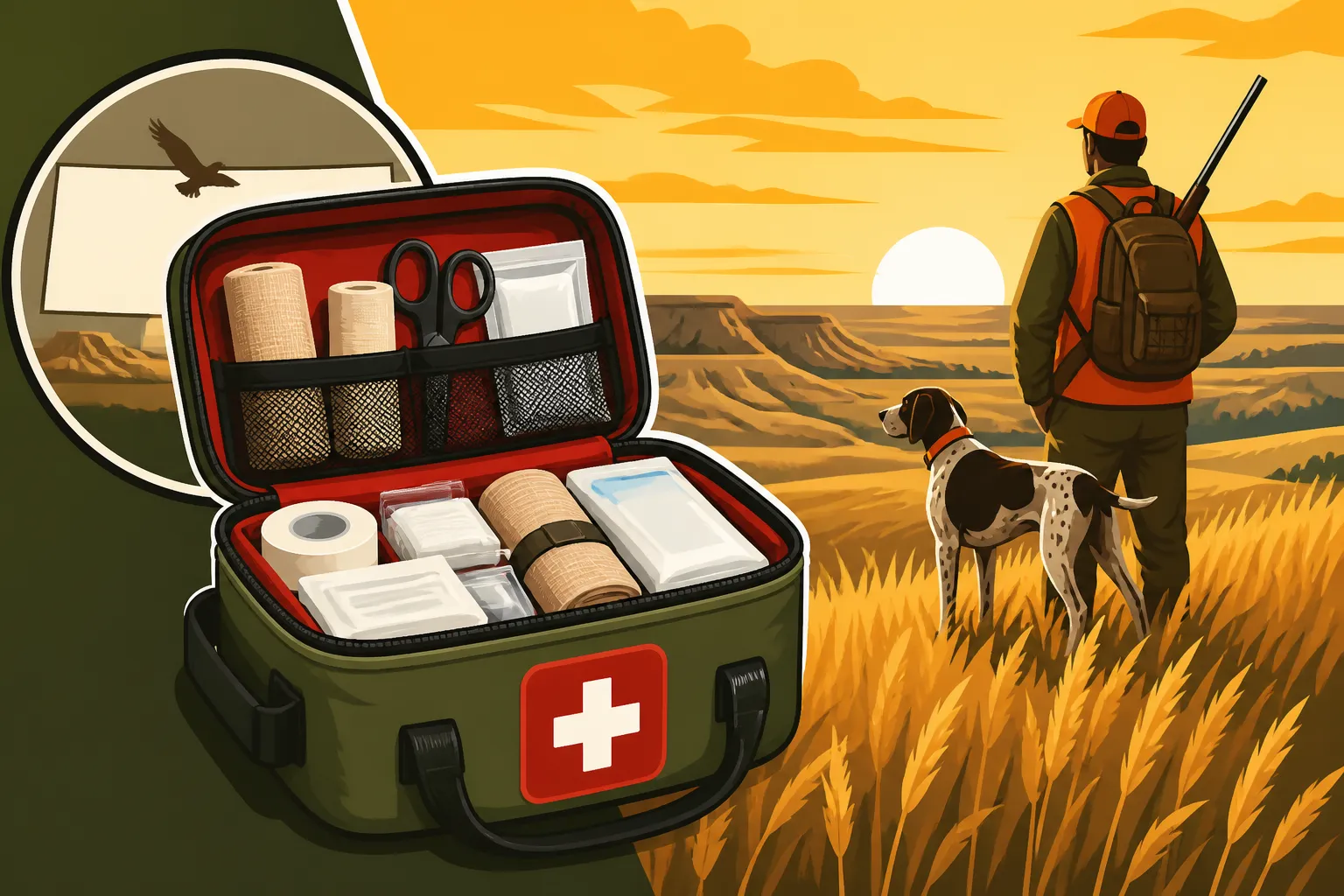
- Sterile Gauze Pads (Various Sizes): These are your workhorses for larger wounds. They can absorb blood, protect the wound, and apply pressure. Include 4×4 inch and 2×2 inch pads.
- Roller Gauze/Conforming Bandage: This is great for wrapping around a limb to secure a dressing or provide light compression. A 2-inch and 4-inch roll would be ideal.
- Medical Adhesive Tape: Crucial for securing gauze pads, bandages, or even improvising slings. Look for waterproof, durable tape that sticks well even when damp.
- Antiseptic Wipes/Solution: Alcohol prep pads, BZK (Benzalkonium Chloride) antiseptic wipes, or a small bottle of povidone-iodine solution. These are vital for cleaning wounds before bandaging to prevent infection. Don't skip this step!
- Sterile Saline Rinse: Small, single-use vials are perfect for flushing dirt and debris from wounds, especially eyes. They're much safer than using creek water.
- Triple Antibiotic Ointment: Small packets or a tube of Neosporin or similar product can be applied to clean wounds before covering to help prevent infection.
Pain Relief and Allergy Management
Beyond immediate injury care, managing pain and allergic reactions can significantly improve comfort and prevent more serious complications.
- Over-the-Counter Pain Relievers: Ibuprofen (Advil, Motrin) or acetaminophen (Tylenol) are essential for headaches, muscle aches, sprains, or general discomfort. Always carry enough for a few days, not just a single dose.
- Antihistamines: Diphenhydramine (Benadryl) is a must-have. It can alleviate symptoms of allergic reactions to insect bites, plants (like poison ivy, though less common on the open prairie), or even unexpected food allergies. For severe allergies, an EpiPen is critical if prescribed, and you should always carry two.
- Anti-Diarrheal Medication: Loperamide (Imodium) can be a lifesaver. Upset stomachs happen, and being stuck miles from a bathroom is not fun, or safe.
- Antacids: For heartburn or indigestion, which can sometimes be mistaken for more serious issues or simply make an uncomfortable hunt even worse.
Essential Tools and Miscellaneous Items
These small but mighty items round out your kit, providing capabilities you might not think of until you desperately need them.
- Trauma Shears or Small Scissors: Far more effective and safer than trying to cut clothing or bandages with a hunting knife.
- Tweezers (Fine-tipped): Absolutely indispensable for removing splinters, thorns, ticks, and those pesky prairie burrs that always seem to find their way into skin or dog paws.
- Nitrile Gloves (at least 2 pairs): Protect yourself from bloodborne pathogens and keep wounds sterile during treatment.
- CPR Face Shield: For safely performing CPR, if you or a partner are trained.
- Small Flashlight or Headlamp: Even during the day, this is useful for examining wounds in shaded areas or if you're caught out late.
- Whistle: For signaling for help if you're separated from your party or injured and unable to move.
- Emergency Blanket (Mylar): Lightweight and compact, these can provide crucial warmth for someone in shock or suffering from hypothermia, which is a real risk when Layering for South Dakota Wind isn't quite enough.
- Small Notebook and Pen/Pencil: To record symptoms, medications given, and times, which can be critical information for emergency responders.
- Hand Sanitizer: For cleaning hands before and after administering first aid when water isn't available.
Personal Medications and Contact Information
This is non-negotiable. If you or anyone in your hunting party takes prescription medications, ensure they are always readily available within their individual first aid kits.
- Prescription Medications: Include all necessary prescriptions in clearly labeled, waterproof containers. Carry at least an extra day's supply, especially for critical medications like insulin, asthma inhalers, or heart medications.
- Allergy Information/Medical Conditions: A small card with vital medical information (allergies, conditions, emergency contacts) for each hunter is a good idea. This can be tucked into the kit or worn on a dog tag.
Beyond the Band-Aid: Specialized Gear for Hunting Injuries
While basic first aid covers a lot, hunting often introduces unique injury scenarios that require more specialized attention.
Trauma Management and Bleeding Control
Hunting accidents, though rare, can involve more severe trauma. Having items for serious bleeding control is a prudent measure.
- Tourniquet: A legitimate, purpose-built tourniquet (like a CAT or SOF-T Wide) is for severe, life-threatening extremity bleeding that cannot be stopped by direct pressure. Crucially, know how to use it safely and effectively. Improper use can cause more harm.
- Hemostatic Gauze (e.g., QuikClot): Gauze impregnated with a blood-clotting agent. For deep wounds where direct pressure is difficult or insufficient. Again, training is essential for its proper application.
- Pressure Bandages/Israeli Bandages: These combine a non-stick pad with an elastic wrap and a pressure bar, making them excellent for applying direct, sustained pressure to a bleeding wound.
- Chest Seals: While highly specialized, if you are hunting with firearms and venturing into truly remote areas, a vented chest seal (like HyFin or Halo) can be life-saving for penetrating chest wounds. This is advanced first aid, and training is absolutely recommended.
It's important to remember that these items are for life-threatening situations and require some level of training beyond basic first aid. Organizations like the National Outdoor Leadership School (NOLS) or Wilderness Medical Associates International offer courses that specifically address these types of injuries in remote settings.
Dog First Aid: Caring for Your Canine Companion
For many South Dakota pheasant hunters, dogs are indispensable. They are also highly susceptible to injuries in the field, and your human first aid kit won't cut it for them.
- Paw Protection: Dog boots (e.g., Ruffwear, Muttluks) can protect paws from sharp stubble, burrs, and ice. Carry a few spares. For existing cuts, self-adhering veterinary wrap (Vetrap) is excellent for bandaging paws.
- Burr Comb/Remover: Prairie burrs can quickly mat in a dog's coat and embed in their paws. A sturdy metal comb or dedicated burr remover is essential.
- Antiseptic Spray/Wipes (Dog-Safe): For cleaning minor cuts and scrapes on your dog.
- Wound Ointment (Dog-Safe): Something like Vetericyn or a topical antibiotic for minor abrasions.
- Benadryl (liquid or tablet): For allergic reactions to insect stings. Consult your vet for the correct dosage for your dog's weight.
- Tick Removal Tool: A specialized tool makes removing ticks easier and reduces the risk of leaving mouthparts embedded.
- Snake Bite Kit (Suction device, not recommended by vets): While some hunters carry them, the scientific consensus is that they are largely ineffective. The best defense against snakebite is prevention and immediate transport to a vet. However, knowing your hunting area and watching for Reading Prairie Coulees for Mule Deer can also help you identify areas where snakes might be present.
- Hydrogen Peroxide: Can be used to induce vomiting in dogs if they ingest something toxic, only under direct veterinary instruction. Always have a vet on speed dial.
- Thermal Blanket: A small blanket specifically for your dog if they get cold or go into shock.
When Keeping a Dog Cool on an Early Opener, remember that overheating is a serious concern, and prompt action with a dedicated dog first aid kit can be life-saving.
Environmental Protection and Personal Comfort
Preventative measures are often the best first aid. Many issues can be avoided by preparing for the environment.
- Sunscreen and Lip Balm: High SPF sunscreen and a good lip balm prevent painful burns that can detract from your hunt and cause long-term skin damage.
- Blister Treatment: Moleskin, hydrocolloid bandages (Compeed, DuoDerm), or even simple athletic tape. Treat hot spots early, before they turn into debilitating blisters, especially when you're wearing Boots for Walking Cattails All Day.
- Insect Repellent: Products containing DEET or picaridin are effective against ticks, mosquitoes, and other biting insects.
Packing, Placement, and Practice: Making Your Kit Effective
Having a well-stocked first aid kit is only half the battle. You need to be able to access it quickly, keep it protected, and know how to use its contents.
Kit Size, Portability, and Placement
Your kit needs to be appropriate for the length and style of your hunt.
- Personal Kit vs. Group Kit: For individual day hunts, a smaller, compact kit in your vest or backpack is ideal. For group hunts, a larger, more comprehensive kit should be in a central, easily accessible location, like the hunting vehicle, with smaller, individual kits carried by each hunter.
- Waterproof and Durable: South Dakota weather can be unpredictable. Your kit needs to withstand moisture and rough handling. A dry bag or a robust, waterproof case is highly recommended.
- Accessible Location: Don't bury your kit at the bottom of your pack. It should be in a dedicated pouch or pocket that you can reach quickly, even under stress. Consider a fanny pack, a side pocket on your backpack, or a specific compartment in your bird vest. For vehicle-based hunts, keep the main kit secured but within easy reach in the cab or cargo area. Remember that even something like Getting Stuck on a Prairie Two-Track can leave you stranded far from your vehicle's main storage.
Many hunters use mapping platforms like GoHunt not just for navigation but also for marking emergency rendezvous points or the location of the main first aid kit in a large hunting area. This adds an extra layer of safety planning.
Organization and Accessibility
When an emergency strikes, you don't want to be fumbling around looking for a specific bandage.
- Categorize and Label: Use small, clear pouches or Ziploc bags within your main kit to organize items by type (e.g., "Wound Care," "Medications," "Tools"). Label them clearly.
- Know Your Kit: Familiarize yourself with every item in your kit. Know where everything is located, so you can grab it without hesitation.
- "Grab-and-Go" mentality: The most critical items (gloves, gauze, tourniquet if you carry one) should be immediately accessible.
| Category | Essential Items | Purpose |
|---|---|---|
| Wound Care | Assorted Bandages, Gauze Pads, Tape | Clean, cover, and protect cuts, scrapes, and larger wounds. |
| Antiseptics | Antiseptic Wipes, Saline Rinse, Antibiotic Oint | Prevent infection; clean debris from wounds. |
| Pain/Allergy | Ibuprofen/Acetaminophen, Antihistamines | Manage pain, reduce swelling, treat allergic reactions. |
| Tools | Trauma Shears, Tweezers, Nitrile Gloves | Safe cutting, splinter/tick removal, personal protection. |
| Trauma | Tourniquet, Pressure Bandage, Hemostatic Gauze | Control severe, life-threatening bleeding. (Requires training) |
| Dog Specific | Vet Wrap, Burr Comb, Dog-Safe Antiseptic | Paw protection, burr removal, minor dog wound care. |
| Environmental | Sunscreen, Lip Balm, Moleskin, Insect Repellent | Prevent burns, blisters, and insect-borne issues. |
| Emergency Signalling | Whistle, Emergency Blanket | Signal for help, provide warmth for shock. |
| Personal Meds | Prescriptions, Medical ID Card | Crucial for pre-existing conditions. |
Regular Review and Replenishment
First aid kits are not "set it and forget it" items.
- Check Expiration Dates: Medications, antiseptic wipes, and even some trauma dressings have expiration dates. Replace them well before they expire.
- Replenish Used Items: After every hunt where you use something from your kit, take the time to replace it. A partially used kit is an unprepared kit.
- Seasonal Adjustments: Consider adding or removing items based on the season. More layers and heat packs for late-season hunts in the snow, more insect repellent for early fall.
Knowing How to Use It: Training is Key
Even the best-stocked kit is useless if you don't know how to use its contents.
- Basic First Aid/CPR: Take a certified course from the Red Cross or American Heart Association. These skills are invaluable for any outdoor enthusiast.
- Wilderness First Aid (WFA): If you spend a lot of time in remote areas, a WFA course provides more in-depth training for managing injuries and illnesses when definitive medical care is hours away.
- Practice Scenarios: Occasionally, talk through potential injury scenarios with your hunting partners and how you would respond with your kit. This mental rehearsal can make a real difference under pressure.
- Carry a Reference Guide: A small, waterproof first aid guide or a digital version on your phone (if you have Cell Coverage in West River Country) can be helpful for refreshing your memory or looking up specific treatments.
Ultimately, your first aid kit is a critical piece of your hunting gear, just as important as your shotgun or your calls. It's a testament to responsible hunting, showing that you not only prepare for the hunt itself but also for the well-being of yourself, your partners, and your dogs. Remember to always share your hunt plan, including where you'll be and when you expect to return. This is as vital as any item in your pack, and why we often discuss the importance of Leaving a Trip Plan Before a Hunt. Being prepared means being safe, and being safe means more enjoyable, successful hunts on the beautiful South Dakota prairie.
Disclaimer
The information provided in this guide is for informational purposes only and does not constitute medical advice. Always consult with a qualified healthcare professional for any medical concerns or before making any decisions related to your health or treatment. In an emergency, always seek immediate professional medical attention.