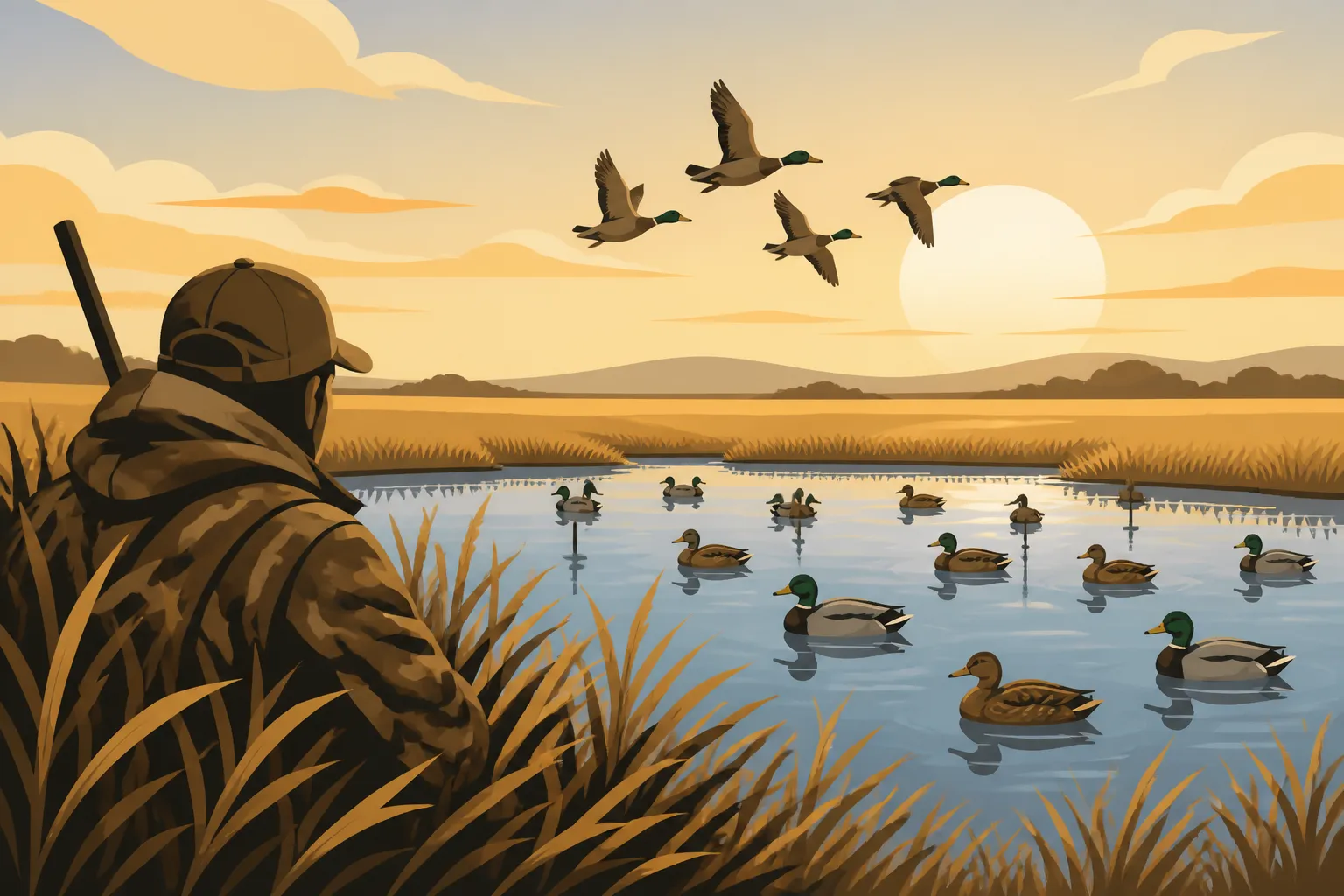
Decoy Spreads on a Prairie Pothole
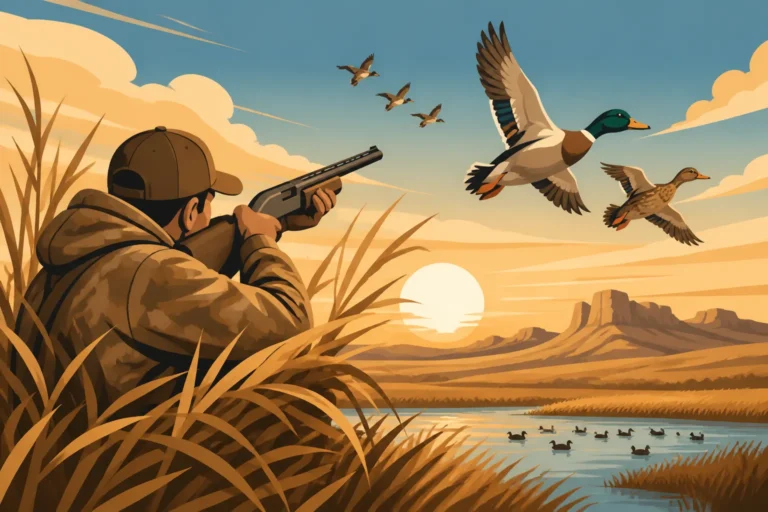
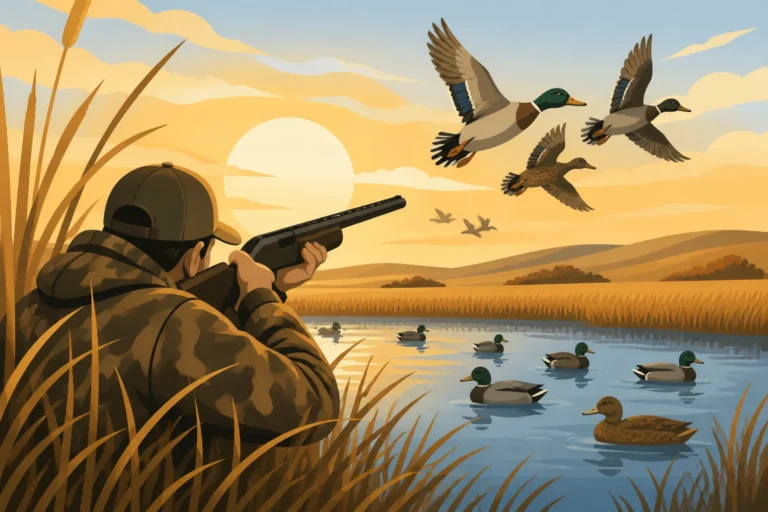
There's nothing quite as frustrating as watching a perfect flock of mallards cup their wings, only to flare at the last second, leaving you wondering what in the world went wrong with your decoy spread. It's a common heartbreaker on the vast South Dakota prairie, where ducks have seen every trick in the book. This comprehensive guide will walk you through the nuances of crafting effective decoy spreads specifically for those often-fickle prairie potholes, helping you bring more birds into range.
Understanding the Prairie Pothole Environment
Hunting prairie potholes in South Dakota is an art form, a blend of intuition, experience, and careful observation. These ephemeral wetlands, scattered across the landscape like forgotten jewels, present a unique set of challenges that can make or break your hunt. The birds that inhabit them are often wild, well-traveled, and incredibly wary, having seen hunters from Saskatchewan to Texas.
The Unique Challenges of Pothole Hunting
Prairie potholes are far from static environments. Their water levels can fluctuate dramatically, transforming a vast marsh into a shallow puddle within weeks, or vice versa. This variability means the ideal spot you hunted last year might be bone-dry or too deep to wade this season. You're constantly scouting, assessing, and adapting. Some potholes are expansive and open, offering little in the way of natural cover, while others are choked with emergent vegetation like cattails and phragmites, creating intricate channels and pockets of open water. The size of these potholes also varies wildly, from small, intimate pools where ducks feel secure to larger basins that might attract bigger flocks but also demand more decoys and careful concealment.
Ducks, especially the seasoned adults, are incredibly wary on these smaller bodies of water. They approach with caution, often circling multiple times, scrutinizing every detail below. Any unnatural setup—a boat too exposed, a decoy spread that looks too sparse or too dense, or a blind that doesn't blend seamlessly—will send them flaring out of range in an instant. These birds are quick to spot anything out of place; their survival depends on it. Imagine being a duck, flying thousands of miles, encountering countless dangers. You develop an acute sense of what's safe and what isn't. The slightest glint of sunlight off an exposed face or the unnatural sheen of a decoy can be enough to trigger their alarm bells.
Then there's the relentless South Dakota weather. The wind, ever-present, can be your best friend or your worst enemy. It dictates where birds will land, how your decoys will move, and how well your calls carry. A strong gust can blow your decoys into a tangled mess or create such chop that they look lifeless. Sun glare, particularly during morning or afternoon hunts, can make it nearly impossible to see incoming birds clearly, and conversely, it can make your spread look flat and uninviting to approaching ducks. And let's not forget the cold. Early season hunts might be mild, but by late October or November, ice becomes a factor, requiring careful consideration of how you deploy and retrieve your spread.
Reading the Water and the Wind
Before you even think about tossing out the first decoy, you need to become a student of the water and the wind. This fundamental step is often overlooked, but it's absolutely critical for success on a prairie pothole. Ducks are creatures of habit and efficiency, and they will always, always land into the wind. This isn't just a preference; it's a necessity for their aerodynamics, allowing them to brake effectively and set down gently. Your job is to create an inviting, obstacle-free landing zone directly into that wind.
Identifying natural landing areas within the pothole is key. Look for areas of open water that are free of dense vegetation, shallow enough for ducks to feed comfortably, and offer a clear approach path from the direction of the prevailing wind. Often, ducks will have "worn" spots in the vegetation from repeated use. These natural runways are goldmines. If you’re hunting a larger pothole, observe where birds naturally raft up or feed. They often gravitate to certain depths or food sources. Pay attention to the subtle cues: a slight current, a line of bubbles indicating feeding, or disturbed mud near the shoreline.
Effective scouting isn't just about finding birds; it's about finding where they want to be and how they want to approach it. Don't just drive by; take the time to observe from a distance, perhaps even the day before your hunt. Watch how birds approach, where they land, and what direction they take off. This intelligence is invaluable. Modern tools, like the satellite imagery and topographical maps available through GoHunt, can be incredibly useful for virtual scouting. You can identify potential potholes, analyze terrain for access, and even get a sense of vegetation density and open water before you ever set foot on the ground. This pre-scouting can save you a ton of time and effort, especially when trying to pinpoint which Pothole Sloughs Worth Walking in East River might hold the most birds.
Essential Decoy Spreads for Prairie Ducks
Once you've read the wind and understood the lay of the land, it's time to talk about the business end of duck hunting: the decoy spread. There isn't a single "magic" spread that works every time, but understanding a few foundational setups will give you a solid playbook for different scenarios on the prairie. Remember, your goal is to mimic what real ducks look like on the water—safe, feeding, and content.
The Classic J-Hook or C-Shape
The J-hook, or C-shape, is arguably one of the most versatile and effective decoy spreads, particularly for puddle ducks like mallards and pintails. It’s a favorite among experienced waterfowlers for a reason: it creates a clear, inviting landing zone that ducks instinctively understand. Imagine a J-shaped line of decoys, with the long arm extending out into the pothole and the short, curved end bending back towards your blind. The open "hook" of the J faces directly into the wind, providing a natural runway for incoming birds.
The genius of this spread lies in its ability to funnel ducks exactly where you want them. The main body of decoys represents a safe, feeding flock, while the open water within the hook signals an easy landing spot. When birds approach, they'll often circle downwind of your spread, then turn into the wind to commit, aiming for that inviting gap in your "J." This allows you to position the landing zone perfectly within your effective shooting range, typically 20-30 yards from your hidden blind. You can vary the length of the J, the tightness of the curve, and the density of the decoys within it, depending on the size of the pothole and the number of decoys you have. This setup often works wonders for Waterfowl Hunting the South Dakota Prairie because it appeals to birds looking for a safe harbor from the open skies.
The Loosely Grouped "Family" Spreads
Sometimes, less is more, especially when you're dealing with smaller potholes or highly pressured birds. The "family" spread isn't really a specific shape, but rather a concept of deploying smaller, more natural groupings of decoys. Instead of a large, continuous line, you might have three or four clusters of 4-6 decoys each, spaced out within the pothole. Each cluster mimics a small family group feeding or resting together, lending a very natural, unpressured look to your setup.
This approach is particularly effective in situations where a large, elaborate spread might seem out of place. Think of a tiny, secluded pothole hidden away, where only a handful of ducks would naturally gather. Deploying fifty decoys in such a spot would instantly flag your setup as suspicious to discerning birds. By using smaller, realistic groups, you create an intimate, non-threatening atmosphere. You can mix species within these groups—a few mallards, a pair of pintails, maybe some gadwalls—to further enhance the natural appearance. For subtle realism, consider adding movement with jerk strings or even subtle motion decoys within these clusters, mimicking the head-bobbing and dabbling of feeding ducks. These smaller, more scattered arrangements also give ducks multiple potential landing zones, often increasing their confidence.
The Funnel or Landing Strip Approach
When birds are particularly wary, or you're hunting a larger pothole with consistent flight paths, the funnel or landing strip approach can be incredibly effective. This spread is designed to clearly delineate a wide, safe entry point that gradually narrows, guiding ducks directly into your sweet spot. Imagine a V-shape, with the wide, open end facing the prevailing wind, and the point of the V terminating near your blind. The decoys form the "walls" of this funnel, clearly showing birds where the danger-free landing strip lies.
This setup works by giving ducks exactly what they're looking for: an easy, unobstructed path to land, free from obstacles. As they commit and fly down the "strip," they are gradually drawn closer and closer to your concealment. It's particularly useful when you have a good number of decoys, say 2-3 dozen, to create substantial "walls" for the funnel. The key is to keep the landing strip itself free of decoys and any other obstructions that might make a duck hesitate. You want them to feel like they can comfortably glide down and set their feet without any last-second maneuvers. This spread helps to mitigate the effects of Hunting Pressure Patterns on Walk-In Areas where ducks are more educated and require a clearer invitation to commit.
Decoy Selection and Enhancements
Having the right spread strategy is only half the battle; the other half is having the right tools for the job. Your decoys themselves, and any enhancements you add, play a massive role in whether ducks commit with confidence or flare off into the distant South Dakota sky. Realism and motion are your best friends on the prairie.
Species, Numbers, and Realism
When it comes to selecting your decoys, there's a delicate balance to strike between sheer numbers and uncompromising realism. On many prairie potholes, a dozen or two high-quality, realistic decoys will often outperform a hundred cheap, battered ones. South Dakota ducks, especially later in the season, are incredibly discerning. They've seen it all. Investing in decoys with lifelike paint schemes, anatomically correct shapes, and even flocked heads (which eliminate shine) can make a significant difference. Brands like Avian-X and Dakota Decoy Co. have built their reputations on this level of detail.
It's also crucial to match the species of ducks you're hunting and seeing in the area. While mallards are the bread and butter for many, if you're consistently seeing pintails, gadwalls, or wigeon, add some of those species to your spread. A diverse spread often appears more natural and can attract a wider variety of birds. For example, a few pintail drakes with their long necks bobbing can add a lot of visual appeal to a spread, mimicking the natural diversity you'd find in a Duck Production on South Dakota Prairie Potholes. As for numbers, for most potholes, 1-3 dozen good decoys are usually sufficient. In smaller, more intimate spots, even a half-dozen hyper-realistic decoys can be enough. The key is to convey a sense of safety and presence, not necessarily an entire migratory flock.
Adding Motion and Realism
Still decoys can only do so much. To truly breathe life into your spread, you need motion. Nothing screams "real ducks" like movement on the water, especially on a calm day when your spread might otherwise look completely static. Spinning wing decoys, often called "mojos," are incredibly effective at drawing distant birds' attention. Their flashing wings mimic landing or taking off birds, a powerful visual cue that ducks key into. Place them strategically, perhaps on the downwind side of your spread or at the entrance to your landing zone, to maximize their visibility. However, be mindful of overusing them, especially on pressured birds, as some ducks can become "mojo-shy."
For more subtle, natural motion, jerk strings and pulsators are fantastic. A jerk string, activated by a hunter in the blind, causes a few decoys to bob and swim, creating ripples that spread across the water, mimicking feeding activity. Pulsators create similar ripples but are battery-operated, offering continuous, natural motion. These subtle movements can convince wary birds that your spread is alive and well. Consider using full-body decoys on shorelines or shallow edges if your pothole allows, as they add another dimension of realism, portraying ducks preening or resting out of the water. Remember, the goal is to harness the wind and these motion enhancers to make your spread look as authentic as possible, turning it into a living, breathing tableau that says "come on down!"
Camouflage and Concealment
All the perfect decoy spreads and motion devices in the world won't matter if your blind isn't hidden effectively. Ducks have incredible eyesight, and on the open South Dakota prairie, concealment is paramount. You are essentially setting up a trap, and if the trap is visible, the birds will simply bypass it. Whether you're using natural cover like cattails, a portable blind, or a layout blind, it must blend seamlessly with the surroundings.
Take the time to brush in your blind thoroughly, using native vegetation that matches the color and texture of the habitat. Avoid straight lines and sharp angles; break up the outline of your blind with irregular shapes. One common mistake is leaving too much of the blind's structure visible, or using material that doesn't match the environment. For those long days in the field, a quality Layout Blinds on South Dakota Stubble can be a lifesaver, but only if it's perfectly concealed. Pay attention to the top of your blind, too—incoming birds will be looking down.
Beyond the blind itself, think about personal camouflage. Wear dark gloves and a face mask to eliminate skin shine. Avoid any exposed gear that might glint in the sun, like a shiny shotgun barrel or a reflective water bottle. Most importantly, stay still. Any sudden movement, even a subtle shift, can send a flock spiraling away. Ducks are constantly scanning, and their peripheral vision is exceptional. By carefully considering your camouflage and maintaining absolute stillness, you complete the illusion, making your decoy spread irresistible.
Adapting to Conditions and Troubleshooting
Even the best-laid plans on a prairie pothole can go awry. The weather can change in an instant, birds can become incredibly wary, and what worked yesterday might not work today. Success often hinges on your ability to adapt, to troubleshoot on the fly, and to remain flexible throughout the hunt.
Adjusting for Wind Shifts and Sun Glare
The wind is a hunter's constant companion on the South Dakota prairie, and it rarely stays static. A perfectly placed spread for a north wind becomes useless if the wind shifts to the west. Ducks, as we discussed, will always land into the wind, so if the wind changes direction, your carefully planned landing zone might suddenly become a crosswind approach or, worse, a downwind landing. You need to be ready to react quickly.
When the wind shifts, don't be afraid to pull your decoys and reposition them. It might seem like a hassle, especially if you're already settled, but it's often the difference between shooting ducks and watching them sail by. Reposition your spread so that the open part of your J-hook or the funnel of your landing strip is once again facing directly into the new wind direction. This keeps that crucial, obstacle-free landing zone clear and enticing. Similarly, pay attention to Reading Wind on a Big Water Set for clues on how the wind is affecting duck behavior, even on smaller potholes.
Sun glare is another condition that can plague hunters. Early morning or late afternoon sun can create blinding glare off the water, making it difficult for you to see birds and potentially making your decoys look unrealistic. Position your decoys to minimize glare for incoming birds. If the sun is particularly harsh, consider using fewer motion decoys that might create a distracting flash. Sometimes, simply repositioning your blind or adding more natural brush can help mitigate the effects of direct sun, allowing you to focus on the incoming birds without squinting.
Handling Wary or Pressured Birds
Some days, no matter what you do, the ducks just don't want to commit. This is often the case when birds have been heavily pressured, such as during the peak of the season or on publicly accessible areas like Hunting South Dakota Walk-In Areas. These birds are educated, smart, and have likely been shot at countless times. In these situations, your standard, robust spread might actually be working against you.
When birds are wary, scaling back your spread size can often be the best strategy. Instead of a large, commanding spread, try reducing your decoy count to a small, intimate group—perhaps just a dozen or even a half-dozen high-quality decoys. Less is often more with educated ducks. A small, natural-looking cluster of feeding birds can appear much less threatening than a huge congregation. These smaller setups suggest an unpressured environment, which can increase the confidence of hesitant birds.
Furthermore, consider how you're using calls. Aggressive, continuous calling might work on opening weekend, but it can quickly educate birds. With wary ducks, try softer, more subtle calls, letting the decoys do most of the work. Mix up your calling, offering a few soft quacks, some contented clucks, and maybe a quiet greeting call. If you're using spinning wing decoys, try turning them off periodically or using them only intermittently, as some ducks become "mojo-shy" and will flare at the sight of them. Observing how birds react to your efforts is crucial; if they keep flaring at a certain point, change something.
The Importance of Scouting and Flexibility
Ultimately, consistent success on prairie potholes boils down to two things: relentless scouting and unyielding flexibility. Never, ever skip the scout. Spend time observing ducks without hunting them. See where they want to be, how they approach, and what they're doing. This intelligence is irreplaceable. You might find a small, overlooked pothole that holds dozens of birds because it offers unique cover or a particular food source. This kind of detailed scouting can also help you understand which South Dakota Waterfowl Production Areas might be most active.
Beyond scouting, you need to be prepared to change your game plan on the fly. Don't go into a hunt with just one spread in mind. Have multiple options, from a large J-hook to a minimalist family group, ready to deploy. Be willing to adjust your setup mid-hunt if the birds aren't cooperating. If your first spread isn't working after a few passing flocks, don't stubbornly stick with it. Pull your decoys, reposition, and try something new. Maybe you need to move the landing zone, add more motion, or even remove some decoys.
Technology can aid this flexibility. Tools like GoHunt's mapping features aren't just for initial scouting; they can be used in the field to mark new access points, alternative potholes you discover, or even the precise location of a natural landing zone that ducks are keying into. The more information you gather and the more adaptable you are, the better your chances of turning those frustrating flares into memorable retrieves.
| Decoy Spread Type | Description | Ideal Conditions | Pros | Cons |
|---|---|---|---|---|
| J-Hook / C-Shape | Decoys form a J or C, creating an open landing zone into the wind. | Good wind, moderate to large potholes | Clear landing zone, funnels birds effectively. | Can be complicated to set up in thick vegetation. |
| Family Groups | Small clusters of 4-6 decoys, scattered naturally. | Smaller potholes, wary birds, low pressure. | Very natural look, less intimidating to educated ducks. | May not draw distant birds as effectively. |
| Funnel / Landing Strip | Wide opening tapering to a narrow strip near the blind. | Wary birds, consistent flight paths, larger potholes. | Guides birds precisely to shooting range, clear path. | Requires more decoys for effective "walls." |
| Loosely Scattered | Decoys spread out widely with no discernible pattern. | Calm days, very small potholes, early season. | Mimics birds casually feeding, covers more water. | No defined landing zone, can make shooting difficult. |
Disclaimer
Please remember that hunting regulations, seasons, and licensing requirements can change. Always consult the most current South Dakota Game, Fish and Parks regulations and official publications before planning any hunting trip. This guide is for informational purposes only and does not supersede state laws or regulations.