Blind Hunting a Prairie Waterhole
Hunting in the vast, open expanses of the South Dakota prairie can feel like an impossible challenge, especially when targeting wary game like antelope or even mule deer that seem to vanish into thin air. You're constantly fighting against their incredible eyesight and the lack of traditional cover. But there's a timeless tactic that can level the playing field, turning the wide-open spaces to your advantage: blind hunting a prairie waterhole. This guide will walk you through everything you need to know to make your next waterhole hunt a success, from scouting to shot execution.
Understanding Prairie Waterholes and Their Importance
On the semi-arid plains of South Dakota, water isn't just a convenience; it's a lifeline. Animals, especially those that thrive in dry environments, are keenly attuned to water sources, and understanding this dependency is the first step to successful waterhole hunting.
Why Water is King on the Prairie
Imagine a hot, dry South Dakota summer or a crisp, windy fall day. The landscape, particularly west of the Missouri River, can be incredibly parched, with miles of shortgrass prairie, sagebrush, and scattered coulees. In such an environment, reliable water sources are few and far between. This scarcity transforms every stock dam, dugout, seep, or natural spring into a magnetic beacon for wildlife. Antelope, with their phenomenal eyesight, will often travel significant distances, sometimes several miles, from their feeding grounds just to slake their thirst. Mule deer and even whitetails in the draws will also frequent these spots, especially during the drier parts of the season. Predators like coyotes also gravitate towards these areas, not just for water, but for the prey they attract. Ignoring the profound impact of water on animal movement in this environment is like trying to hunt pheasants without understanding the importance of dense cover.
The hotter and drier the conditions, the more critical water becomes, and the more predictable animal movement to these sources will be. After a good rain, animals might be able to find temporary puddles or dew, dispersing their activity. But when the prairie bakes under the sun for days or weeks, every creature will be drawn to the most dependable waterholes. This predictability is precisely what makes blind hunting these locations so effective. It funnels game to a specific, manageable area, giving you an edge in a landscape where animals usually have all the advantages.
Identifying Productive Water Sources
Finding the right waterhole is paramount. Not all waterholes are created equal, and some will be far more productive than others. Start your search by looking at maps, either physical topo maps or digital mapping tools like GoHunt. These resources can highlight depressions, blue lines indicating intermittent streams, or small ponds that might represent stock dams. Pay close attention to areas identified in resources like Finding Water in Dry West River Country. You're looking for locations that are isolated, offering little cover around them, which paradoxically makes them better for blind hunting because animals have to expose themselves to drink.
Once you’ve identified potential spots on a map, it’s time for some serious in-field scouting, ideally well before the season. Visit these waterholes and look for sign. Fresh tracks in the mud around the edge are the most obvious indicator of recent use. Pay attention to the size and density of tracks – multiple sets of antelope, deer, or even elk tracks indicate a well-used watering spot. Look for droppings, matted-down grass, and clear trails leading to and from the water. These trails will often be well-worn paths through the prairie, like animal highways. If you can, set up a trail camera for a few days or a week. This will give you invaluable information about what species are visiting, when they are visiting, and how frequently. A waterhole that gets visited by a dozen antelope every afternoon is far more valuable than one that only sees a lone coyote once a week. Remember, the goal is to confirm consistent animal activity, not just the presence of water.
Setting Up for Success: Blind Placement and Concealment
Once you've identified a promising waterhole, the next critical step is positioning your blind. This isn't just about hiding; it's about strategic placement that maximizes your chances for an ethical shot while minimizing disturbance.
Strategic Blind Location
The golden rule of blind placement around a waterhole is to prioritize the wind. Animals, especially antelope and deer, rely heavily on their sense of smell. You must set up downwind of where you expect the animals to approach and drink. Even a slight breeze can carry your scent for hundreds of yards, alerting game long before they come into range. Before setting up, spend time observing the prevailing wind patterns for that particular location and time of day. Digital tools and weather apps can help, but nothing beats actual on-the-ground observation with a wind checker.
Consider the sun's position. You ideally want the sun at your back, especially during prime hunting hours like early morning or late afternoon. This puts the sun in the animals' eyes, making it harder for them to see you, while illuminating them for a clear shot. Placing your blind 50 to 100 yards from the waterhole is often ideal, as it provides a comfortable shooting distance for most hunters and rifles, while still being close enough for a good view. You need to consider the terrain. Is there a small rise, a few scattered yucca plants, or even a slight depression that can help break up your silhouette? When reviewing your hunting areas, GoHunt's detailed topo maps can reveal subtle terrain features that might offer a natural advantage for blind placement. Remember, any movement during setup should be done carefully and quietly, ideally under the cover of darkness or during a time when animals are least likely to be present, to avoid "spooking" the area before your hunt even begins. For a contrasting approach, consider methods like Spot-and-Stalk Antelope on Open Prairie, which relies on direct engagement, but for a waterhole, stealthy, pre-planned concealment is key.
Maximizing Concealment
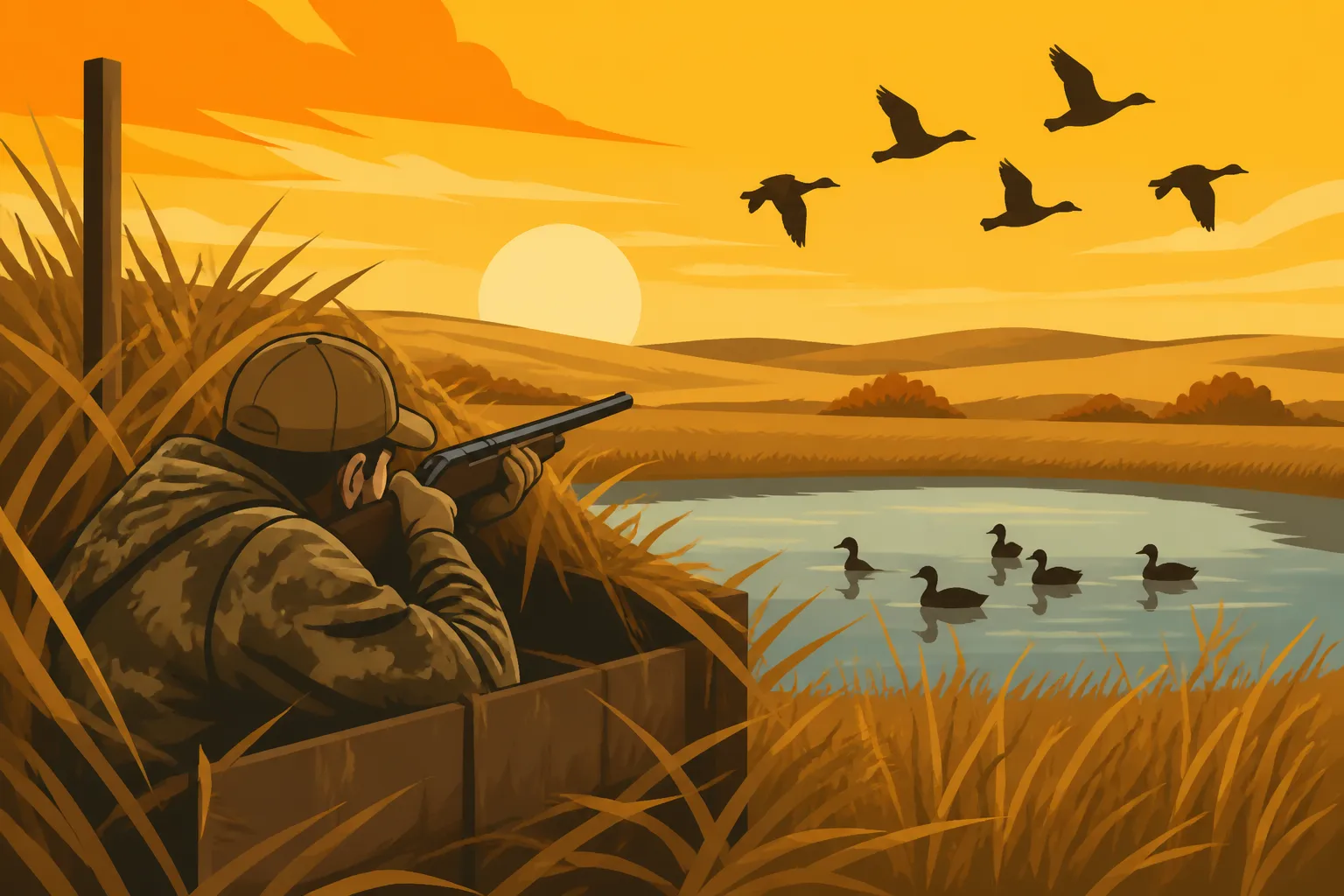
Whether you choose a commercially made pop-up blind or construct a natural blind, maximizing concealment is absolutely crucial. Pop-up blinds are convenient and effective, but they need to be brushed in thoroughly. Don't just set it out in the open; gather local vegetation like sagebrush, yucca, and dry grasses and weave them into the blind's loops or lean them against it. The goal is to break up the hard lines and silhouette of the blind, making it disappear into the surrounding landscape. If you're building a natural blind, use existing cover like a small clump of brush or a slight depression, and then enhance it with more material collected from the immediate area. This ensures the blind blends in naturally and doesn't look out of place.
When positioning your blind, also think about your shooting lanes. Can you comfortably take a shot at various angles as an animal approaches the water or drinks? Clear any tall grass or obstacles that might impede your line of sight or deflect a bullet. This foresight ensures that when the moment of truth arrives, you have an unobstructed path to your target. Remember, even the smallest details matter. A flap left open, a piece of shiny gear, or an uncamouflaged face can give you away in the open prairie. Ensure your clothing, face, and hands are also well-camouflaged. Reviewing your route to the blind on mapping apps can even help you plan an approach that keeps you out of sight of any animals already at or near the water.
The Waiting Game: Tactics and Patience
Once your blind is set up and you're settled in, the real test of a waterhole hunter begins: the waiting game. This demands patience, discipline, and a deep understanding of animal behavior.
Timing Your Hunt
The best times to blind hunt a waterhole are often dictated by the specific game you're after and the prevailing conditions. For antelope, hot, dry conditions are your best friend, as they make water a non-negotiable necessity. Midday, when the sun is highest and temperatures are soaring, can often be surprisingly productive for antelope, as they seek relief from the heat. This contrasts sharply with deer, which are typically more active at dawn and dusk. However, in extremely dry conditions, even deer will become less nocturnal and visit water during daylight hours.
Early mornings, right at first light, and late afternoons, leading up to sunset, are generally prime times for many species to visit water. These cooler periods allow animals to move more comfortably. Pay attention to the weather forecast. A sudden cold front or a major rain event might temporarily reduce activity at waterholes. However, a prolonged period of heat and drought will consistently draw animals in. This is also when strategic setups like Antelope Decoy Setups Over Water can become incredibly effective, drawing curious antelope even closer to your blind. Understanding the South Dakota Antelope Firearms Season dates will also help you plan your hunts for optimal weather conditions and animal activity.
Remaining Undetected and Managing Boredom
Being absolutely still and quiet is non-negotiable. Even the slightest movement inside the blind can be picked up by the keen eyes of an antelope or the sensitive ears of a deer. Resist the urge to fidget, check your phone constantly, or make unnecessary noise. Keep your rifle or bow ready, positioned for a quick, smooth acquisition of the target. Minimize how often you peek out; instead, use the shooting windows strategically. Remember, animals have excellent peripheral vision and can spot movement that you think is hidden.
The waiting can be monotonous, even agonizing. This is where the mental game comes into play. Bring essentials to make your wait comfortable and maintain focus. Water is obviously important, both for you and to remain hydrated. Snacks that are quiet to eat are a good idea. Some hunters bring a book or an e-reader, but be careful not to get so engrossed that you miss an opportunity. Audiobooks or podcasts on low volume can help pass the time without requiring visual attention. The key is to find a balance between being alert and managing the inevitable lulls. Many seasoned hunters simply embrace the solitude, observing the subtle changes in the prairie around them. It's an opportunity to truly connect with the environment, a rare gift in our fast-paced world.
Ethical Considerations and Shot Opportunity
The moment of truth—when an animal finally approaches your waterhole—demands readiness, precision, and adherence to ethical hunting principles. All your preparation culminates in this critical window of opportunity.
Shot Placement and Readiness
As an animal approaches the waterhole, you need to be prepared to make a clean, ethical shot. This means having your rifle or bow at the ready, without making any sudden movements that might alert the animal. Since you'll likely be shooting from a seated or kneeling position within a blind, it's absolutely crucial to practice shooting from that exact posture. Don't just practice off a bench; get down and simulate the blind environment. This is where practicing shots from a seated position can pay huge dividends. Understand the vital zones of the animal you're hunting and be confident in your ability to hit them accurately at the distances you've set your blind. Resources like Shot Placement on a Quartering Pronghorn can be invaluable for reviewing specific shot angles.
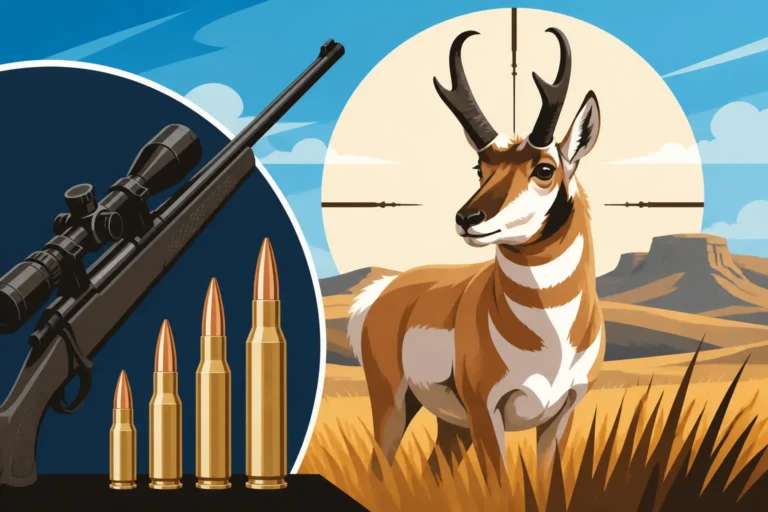
Animals rarely stand perfectly broadside at a waterhole. They will approach, turn, and bend to drink, offering various angles. Be patient. Wait for the best possible shot angle—a broadside or slightly quartering-away shot into the vitals. Use your rangefinder (essential for Rangefinding Across Open Ground) to confirm the distance to the animal, even if you think you know it. The open prairie can play tricks on your depth perception. Being confident in your Rifle Calibers for South Dakota Antelope and their capabilities at various ranges is also key. Hesitation or a rushed shot can lead to a wounded animal and a difficult tracking job.
Field Dressing and Recovery in Open Country
After the shot, the work isn't over. With the open, often warm conditions of the South Dakota prairie, quick and efficient field dressing is critical to preserving the meat. Antelope, in particular, can develop a strong, "gamey" flavor if not cooled down rapidly. If you're successful, immediately locate your downed game. In the short grass and rolling terrain, even a clearly hit animal can disappear quickly. Reference guides like Field Dressing an Antelope Fast will provide step-by-step instructions.
Begin field dressing as soon as possible to allow the carcass to cool. In warm weather, especially common during early antelope seasons, this is paramount to preventing spoilage and ensuring the meat tastes its best. Remember, if you make a marginal shot, the vast prairie can make tracking incredibly challenging. Knowing how to effectively track in short prairie grass, as detailed in Following Up a Marginal Shot in Grass, becomes crucial. Always follow up on every shot, even if you think you missed, as an injured animal can travel far. Having a plan for extraction, whether with a game cart, ATV, or vehicle access (where legal), will save you a lot of effort and help get that hard-earned meat cooled down quickly, ensuring you avoid the common pitfalls that give Why Antelope Meat Gets a Bad Name its unfortunate reputation.
Optimal Blind Placement Factors for Waterhole Hunting
| Factor | Consideration | Why it Matters |
|---|---|---|
| Wind Direction | Always set up downwind of approach routes; confirm with wind checker regularly. | Animals rely heavily on scent. Being upwind guarantees they'll detect you long before they're in range, making any efforts futile. |
| Sun Position | Position the blind with the sun at your back, especially during prime morning/evening hours. | Sun in the animal's eyes reduces their ability to spot you, while providing excellent visibility for your shot. Avoid facing directly into the sun. |
| Distance to Water | 50-100 yards is a common sweet spot for rifle hunters; closer for archery. | Allows for comfortable, ethical shots while being close enough for clear identification. Too close can make movement detection easier for game; too far increases shot difficulty. |
| Natural Cover | Utilize existing terrain features like rises, brush clumps, or depressions to break up blind outline. | Helps the blind blend into the landscape, making it less conspicuous to wary animals. Reduces the "new object" effect. |
| Approach/Exit | Plan your entry and exit routes to the blind to minimize disturbance and remain unseen by game. | Avoids spooking animals that might be in the area or on their way to water. Stealthy access is as important as the blind itself. |
| Shooting Lanes | Clear any obstructions (tall grass, small bushes) in your expected shooting zones. | Ensures an unobstructed line of sight and bullet path to the vitals, preventing deflections or missed opportunities. |
| Background | Place the blind against a darker background if possible (e.g., distant hill, dark vegetation). | Helps hide your silhouette and further minimizes the blind's visibility, especially against bright skies. |
Disclaimer
Hunting involves inherent risks, and conditions in the field can change rapidly. This guide offers general advice for blind hunting a prairie waterhole in South Dakota. Always prioritize safety, adhere to all local and state hunting regulations, and respect wildlife. Ensure you have the proper licenses and permits before venturing out. Always scout thoroughly, practice responsible land use, and leave no trace.