Walking Speed That Holds Roosters
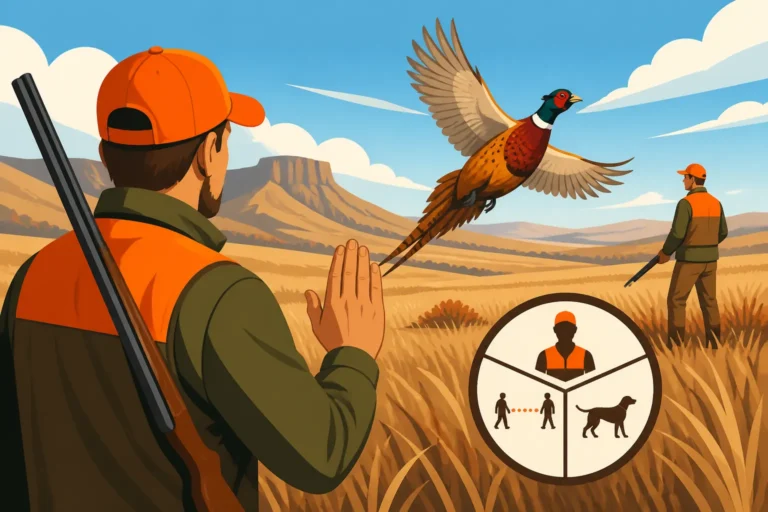
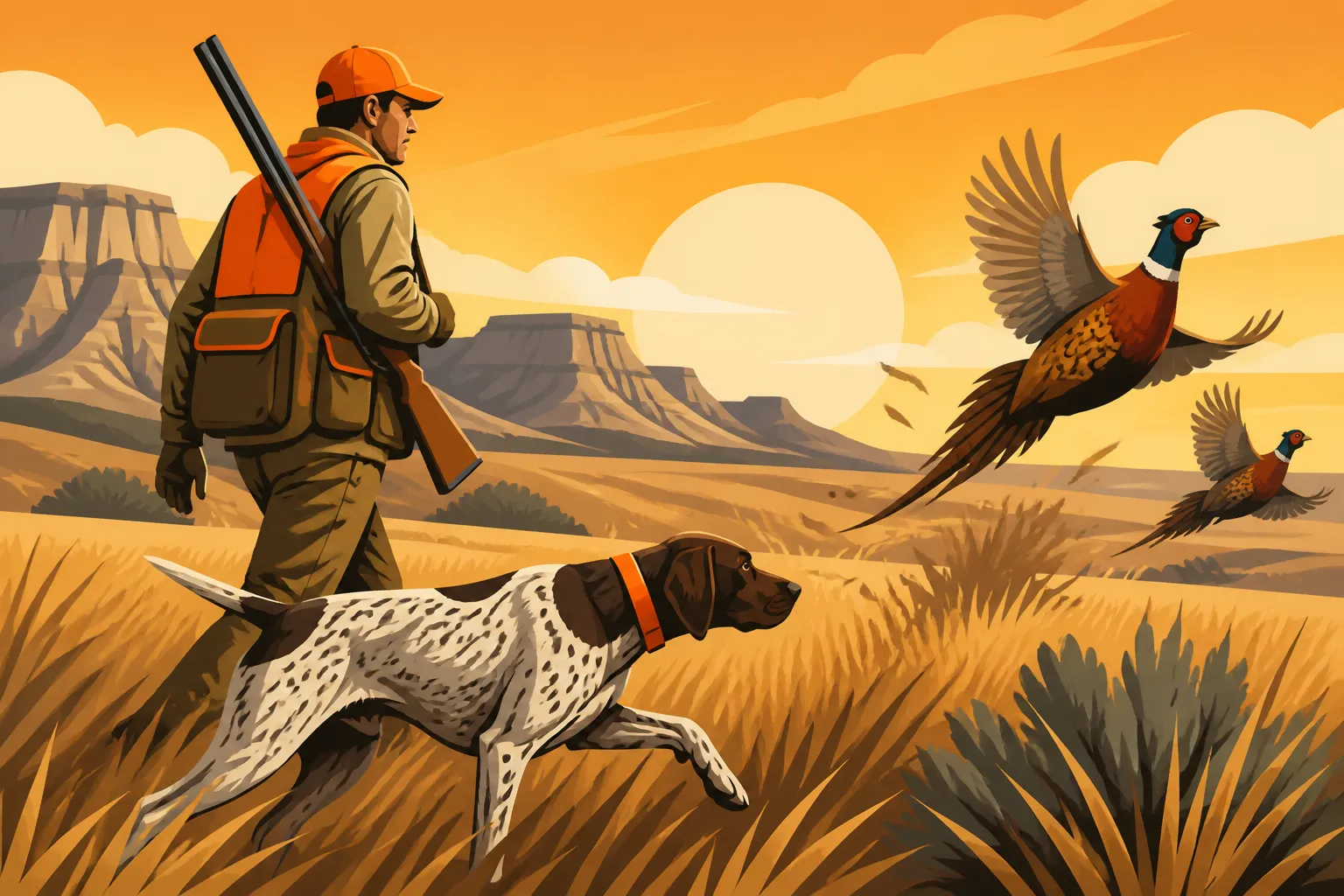
One of the most frustrating experiences in South Dakota pheasant hunting is watching a magnificent rooster flush 80 yards out, well beyond shotgun range, leaving you wondering what you could have done differently. It often boils down to your walking speed—the subtle rhythm and pace you maintain as you traverse prime pheasant cover. This guide aims to help you understand and master the art of walking just right to encourage those wily roosters to hold tight, or at least flush within effective shooting distance.
The Elusive "Sweet Spot" in Your Stride for South Dakota Pheasants
It’s not just about covering ground; it's about covering it in a way that makes pheasants react predictably, ideally by flushing rather than running. Many hunters, especially those new to the expansive fields of South Dakota, tend to either march too quickly, effectively pushing birds ahead of them, or move too slowly, giving birds ample time to slip out the back or quietly run hundreds of yards. The key is to find that sweet spot, a pace that makes a rooster feel pressured enough to fly, but not so pressured that it opts to run for its life.
Why Roosters Run and How Your Speed Plays a Role
Pheasants are masters of evasion. Their primary defense mechanism isn't flying; it's running and hiding. They're built for speed on the ground, and their camouflage allows them to melt into the densest cover. When a pheasant senses danger from an approaching hunter, its first instinct is almost always to run. This is particularly true for older, more experienced roosters who have survived a few hunting seasons. They've learned that running gives them options: they can circle around you, dive into thicker cover, or simply gain distance before a last-ditch flush. If your walking speed is too fast, you're essentially telling the bird, "I'm coming at you quickly, run now or be caught!" This rapid approach triggers their flight response on the ground, leading to those distant flushes.
Conversely, if you move too slowly, you might not generate enough pressure to convince the bird that running is futile. It might simply sit tight, letting you walk right past it, or it might slink away quietly, using its incredible stealth to remain undetected. The goal is to create a sense of immediate, inescapable threat that forces the bird to make a quicker decision, and often, that decision is to flush when the perceived escape route on the ground is cut off. Understanding this behavioral nuance is critical for any hunter looking to improve their success rates. If you've ever found yourself asking Why Birds Run Instead of Flush, your walking speed is a major part of the answer.
Finding the Right Cadence: The Balance Between Pushing and Allowing Birds to Hold
So, what's the "right" speed? It's less of a precise number and more of a feeling, an intuitive pace that you develop over time. Generally, you want a deliberate, consistent pace that's a bit faster than a casual stroll, but slower than a brisk walk. Think of it as a steady, purposeful march. For most hunters, this translates to about 1.5 to 2 miles per hour. This speed is fast enough to keep birds from simply sitting tight and letting you pass, but slow enough that you aren't outrunning your dog or pushing birds so far ahead that they never flush.
A consistent pace is paramount. Erratic changes in speed can confuse birds, making them unpredictable. A steady pressure often works best. Imagine a slow, creeping wave rather than a sudden burst. This consistent forward motion forces the bird to continually re-evaluate its options. If it runs a short distance, and you're still coming at the same persistent pace, it starts to consider flushing as the next best option. This applies whether you're working a small piece of cover on your own or coordinating a larger drive. For more on coordinating with a team, you might find tips on Pushing a Cattail Slough With Blockers helpful, as synchronizing paces is key there.
Environmental and Situational Factors Dictating Your Pace
The ideal walking speed isn't a static number you apply to every field, every day. South Dakota's dynamic environment and the behavior of its wild birds demand adaptability. The type of cover, the weather conditions, and even the amount of hunting pressure the birds have experienced can all profoundly affect how pheasants react to your approach.
Cover Type and Density: From Thick Cattails to Sparse CRP, How It Changes Things
The kind of cover you're hunting is arguably the biggest factor influencing your optimal walking speed.
- Dense Cover (Cattails, Tree Rows, Heavy CRP): When you're in incredibly thick stuff, like a choked cattail slough or a dense shelterbelt, you generally need to slow down significantly. Birds feel incredibly secure in these environments and are much more likely to hold tight. If you move too fast, you might walk right past them without ever knowing they were there. A slower, more methodical pace, almost a shuffle, allows your dogs (if you have them) to work thoroughly and gives you more time to react to a sudden flush from close quarters. Think of it like wading through mud – a slow, powerful push. When Working South Dakota Shelterbelts for Roosters, a slow and thorough approach pays dividends.
- Medium Cover (Standard CRP, Tall Grass): This is where that 1.5 to 2 mph "goldilocks" speed often shines. The cover is good enough for birds to feel protected, but not so dense that they'll let you step on them. A consistent, deliberate pace is usually effective here, giving birds enough pressure to flush but not enough to sprint out of range immediately.
- Sparse Cover (Stubble Fields, Road Ditches): In thinner cover, pheasants are much warier and more prone to running. You might need to adjust your speed slightly faster here, but with an emphasis on preventing them from gaining too much ground. Often, strategic pauses and zigzags are more effective than just speed. The goal is to cut off their running lanes and force an early flush. For hunters employing Dogless Pheasant Hunting in South Dakota, paying extra attention to these cover types and adjusting speed accordingly is even more crucial.
Weather's Influence on Bird Behavior: Wind, Temperature, and Recent Snow
Weather plays a huge, often underestimated, role in how birds behave.
- Windy Days: Wind is your friend in a pheasant field. Roosters often hold tighter on windy days because flying is more strenuous, and the wind helps mask your approach. You can often walk a bit faster and still get good flushes because the birds are less likely to run long distances into the wind, and they're less likely to hear you coming. However, if you're walking with a strong wind, you might need to slow down to prevent birds from using the wind to outrun you or get airborne far ahead.
- Cold Temperatures/Snow: When temperatures drop and especially after a fresh snowfall, pheasants seek dense thermal cover. They will often hold incredibly tight, conserving energy. This means you can, and often should, slow your pace considerably. Birds are less inclined to run through deep snow and prefer to hunker down. Your deliberate, slow progress will eventually force them to flush. This is especially true for Late-Season South Dakota Pheasants in Heavy Cover.
- Warm Days: On warmer days, particularly during the early season, birds are more active and prone to running. They're also more likely to be out in lighter cover, feeding. You might need to maintain a slightly brisker, but still controlled, pace to keep up with their running, always being mindful of potential escape routes. Keeping your dog cool on early opener days is important, too.
Hunting Pressure and Educated Birds: How Past Encounters Shape a Rooster's Reaction
The more a field or area has been hunted, the smarter the birds become. Early in the season, during South Dakota Pheasant Hunting Tactics for the Opener, birds are often naive. They might hold tighter, or flush readily. As the season progresses, and especially in areas that see consistent hunting pressure like many popular Walk-In Areas, roosters become "educated."
These educated birds are quick to run. They've learned that running often leads to survival. In such scenarios, a static, predictable walking speed might not be enough. You might need to incorporate more pauses, zigzags, and even coordinate with blockers to keep them from simply running out of the field. Sometimes, even a slightly faster initial pace, followed by a sudden stop, can trick a wary rooster into flushing, thinking it's been cornered. It's a game of chess, where your walking speed is a key move.
Advanced Tactics to Manipulate Flushes with Your Footwork
Mastering your walking speed isn't just about finding one perfect pace; it's about dynamic adjustments and integrating other tactics to outsmart even the wariest South Dakota roosters. Your footwork can be a powerful tool to dictate when and where a bird flushes.
The Art of the Pause and the Zigzag: Deliberate Movements to Trick Wary Birds
One of the most effective ways to break a rooster's running habit is to introduce unpredictability.
- The Pause: Imagine you're walking a steady line through a CRP field. A rooster is running ahead, keeping just out of range. If you simply maintain your pace, it will continue running. However, if you suddenly pause for a few seconds, that rooster often gets confused. It was reacting to your forward pressure. When that pressure suddenly stops, the bird might freeze, trying to ascertain the threat. This moment of hesitation is your opportunity. Often, if you wait just a few seconds and then take another deliberate step forward, the bird, now feeling cornered, might decide to flush. This tactic is particularly effective in longer, narrower strips of cover or when you suspect a bird is just ahead.
- The Zigzag: Instead of walking in a straight line through a grass strip or along a field edge, try zigzagging. This creates uneven pressure on the birds. One moment you're putting direct pressure on a bird, the next you're veering slightly away, then back towards it. This unpredictable movement makes it harder for a rooster to establish a clear running lane. It forces them to make more decisions about direction, often culminating in a flush when they can't decide where to run next. This is especially useful in wider strips where birds have more room to maneuver. Learn more about how to make this work in Zigzagging a Grass Strip for Birds.
These deliberate changes in your movement pattern disrupt the pheasant's instinctual running game plan, compelling it to make a quick decision.
Teamwork: Synchronizing Speed with Dogs and Other Hunters
Hunting pheasants in South Dakota is often a team effort, whether with a dog or a group of hunters. Your walking speed must be harmonized with everyone else involved.
- Working with Dogs: If you're hunting with a pointing dog, your speed should be dictated by your dog's pace and how thoroughly it's working the cover. A good pointing dog will slow down when it gets birdy, thoroughly investigating scent cones. Your job is to keep up with your dog, allowing it to work without rushing it. If your dog is a flusher, you might maintain a slightly brisker pace to keep it pushing forward, but always be ready to react to its signals. Remember that different dog breeds have different styles; Pointing Dogs Versus Flushers on Wild Birds delves into this. A dog that is constantly out of range due to your speed or its own can lead to missed opportunities.
- Hunting in a Group with Blockers: When driving a field with multiple hunters, consistent spacing and a synchronized walking speed are crucial. The line of walkers needs to move as one unit, maintaining even pressure across the field. If one person surges ahead or lags behind, it creates a "hole" or a "bulge" in the line, giving birds easy escape routes. Blockers positioned at the end of the field or along escape cover need to remain still and allow the drive to push birds towards them. Communicating your pace and observing the line is paramount to a successful group hunt. This coordinated effort ensures that the birds are pushed predictably towards the blockers or forced to flush within the walking line. Remember, roosters can How Far Roosters Fly When Pushed and having blockers helps reduce those long-range flushes.
Leveraging Technology for Optimal Route Planning
In today's hunting landscape, technology can significantly enhance your ability to strategically approach a field, indirectly influencing your effective walking speed. Mapping applications are invaluable tools.
Modern mapping apps like GoHunt offer detailed satellite imagery, topographic maps, and public/private land boundaries. Before you even set foot in a field, you can use these tools to:
- Identify Prime Cover: Pinpoint the densest cattail sloughs, shelterbelts, or CRP fields where birds are most likely to hold. This allows you to plan your approach and anticipate where you'll need to slow down the most.
- Scout Escape Routes: Locate ditches, creek beds, or fence lines that birds might use to run out of a field. Knowing these escape routes ahead of time allows you to adjust your walking lines and speeds to cut them off, or position blockers strategically. GoHunt's detailed topo layers are fantastic for spotting these subtle terrain features.
- Plan Your Walk: Pre-determine your walking path, especially in larger fields or those with tricky terrain. By understanding the contours and cover changes, you can mentally prepare to adjust your speed and tactics before you encounter any birds. This pre-planning reduces hesitation in the field, allowing for a more consistent and effective approach.
By using tools like GoHunt to visualize the terrain and anticipate bird behavior, you can make more informed decisions about your walking speed and tactics, ultimately leading to more roosters in the bag.
Mastering Your Walking Speed Through Practice and Observation
Just like anything else in hunting, becoming proficient at adjusting your walking speed takes practice. Every field, every day, and every group of birds presents a slightly different challenge. The best hunters are those who are constantly observing, adapting, and learning from their experiences.
Self-Correction in the Field: Paying Attention to Bird Reactions
The most valuable feedback you'll get on your walking speed comes directly from the birds themselves.
- If birds are consistently flushing far out: This is a clear sign that you are likely moving too fast. The birds are feeling too much pressure too soon and are opting to run, then flush when they've gained significant distance. Try slowing your pace by about 25% and see if the flushes start to occur closer.
- If birds are getting up behind you or you're walking past them: You might be moving too slowly, allowing them to sit tight or slip away quietly. Alternatively, you might be walking too straight. Try increasing your speed slightly, or incorporate more zigzags and pauses to thoroughly cover the ground and surprise hidden birds.
- Observe your dog's reactions: A good bird dog will often tell you if your pace is off. If your dog is getting too far ahead and pushing birds, or if it’s consistently missing scent cones because you’re moving too fast, adjust your speed to match its working rhythm. Conversely, if your dog seems bored or isn’t finding many birds, it might be an indication that either the birds aren't there, or you're giving them too much time to escape.
Continuously ask yourself, "What are the birds telling me?" and adjust accordingly. This isn't a science with precise measurements; it's an art of reading the landscape, the conditions, and the game.
Adapting to Different Seasons and Locations
The pheasants you encounter on the opening weekend in East River South Dakota will likely behave very differently from those you chase in late December in West River.
- Early Season (October): Birds are generally less educated and might hold tighter. The weather is often milder, leading to more active birds that might be more inclined to run in thinner cover. You can often maintain a consistent, deliberate pace and find success. However, in dense early-season cover, remember to still slow down and let dogs work thoroughly.
- Mid-Season (November): Pressure builds, and birds become warier. Temperatures drop, pushing birds into heavier cover. This is when the nuances of pausing, zigzagging, and precise speed adjustments become critically important. Hunters might need to adapt their South Dakota Pheasant Hunting Tactics for the Opener to more refined mid-season approaches.
- Late Season (December/January): By now, birds are the most educated and are often concentrated in the thickest winter cover, like large cattail sloughs, dense shelterbelts, and unharvested corn. Deep snow also limits their running ability. Your walking speed should be considerably slower, focusing on thoroughly working every inch of heavy cover. Birds will often hold until the very last second. This is when patience and a methodical, relentless pace are your best allies.
Even within South Dakota, the hunting environment can change drastically. East River country, with its abundant sloughs and CRP, often demands a different approach than the more open, agricultural landscapes of some West River areas. Being able to adapt your walking speed to these varied conditions is a hallmark of an experienced pheasant hunter.
| Factor | Recommended Walking Speed Adjustment | Rationale |
|---|---|---|
| Dense Cover (Cattails) | Slower, almost a shuffle | Birds hold tighter, need time for dogs/hunters to thoroughly search |
| Sparse Cover (Stubble) | Slightly brisker, but with pauses/zigzags | Birds run more, need to cut off escape routes |
| Strong Headwind | Slightly faster, consistent | Wind masks approach, makes flying harder for birds |
| Strong Tailwind | Slower, more deliberate | Birds use wind to run or fly out of range quickly |
| Cold/Snowy Weather | Slower, methodical | Birds conserve energy, hold tighter in heavy cover |
| Warm/Mild Weather | Consistent, perhaps slightly brisker in open | Birds more active, prone to running |
| High Hunting Pressure | Slower, more pauses/zigzags | Educated birds run, unpredictability forces flushes |
| Hunting Alone | Consistent, with focus on covering escape routes | Fewer hunters to push, reliance on individual pressure |
| Hunting with Flushers | Consistent, slightly brisker to keep dogs moving | Dogs actively push birds, need to keep pace with their work |
| Hunting with Pointers | Slower, dictated by dog's pace | Allow dog to thoroughly work scent, react to points |
Disclaimer
Hunting is an inherently dangerous activity. Always prioritize safety, adhere to all local and state regulations, and ensure you have the appropriate licenses and permits before heading afield. The advice provided here is for informational purposes only and should not replace proper hunter education or professional guidance. Be aware of your surroundings, identify your target and what is beyond it, and always handle firearms responsibly.