Layout Blinds on South Dakota Stubble
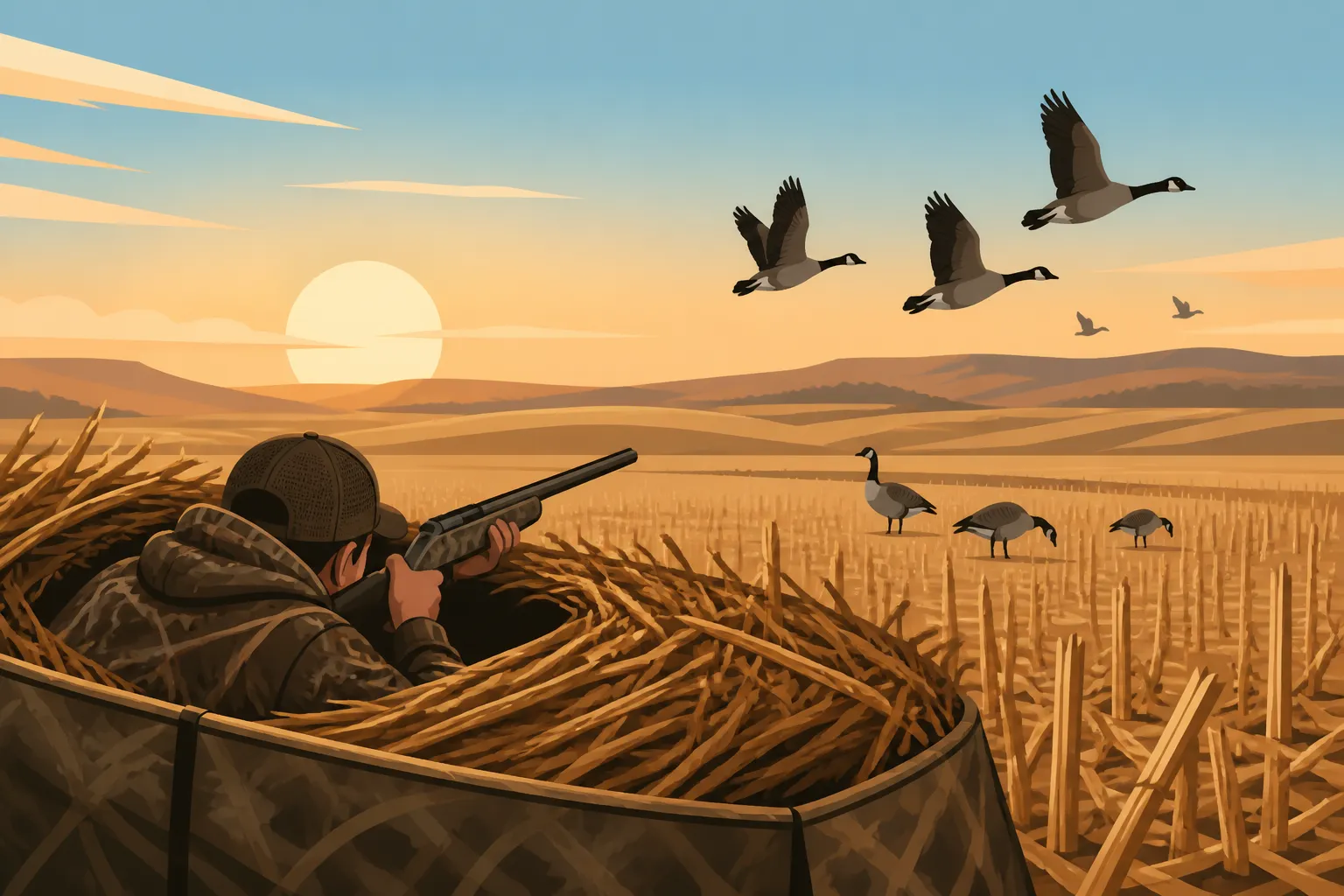
There's nothing quite as frustrating as watching a flock of geese circle high above, wary of your spread, knowing they spotted something 'off' in your field. Hunting wary waterfowl in South Dakota's wide-open stubble presents a unique challenge: how do you disappear effectively? This guide dives deep into mastering layout blinds, from selection to advanced concealment, helping you blend seamlessly into the prairie landscape and bring those birds into range.
Understanding South Dakota Stubble Fields for Waterfowl
Hunting waterfowl in South Dakota means embracing the vast, open agricultural landscape, particularly stubble fields. These fields, whether they held corn, soybeans, or wheat, become prime feeding grounds for migrating ducks and geese. However, their very openness, which makes them attractive to birds, also makes concealment incredibly challenging for hunters. Understanding the nuances of these fields is the first step to effective hunting with a layout blind.
The Nature of South Dakota Stubble
South Dakota's stubble fields come in various forms, each presenting its own concealment opportunities and challenges. Corn stubble, with its taller, thicker stalks, offers the most natural bulk for brushing in a blind. Even after harvest, the leftover stalks can stand anywhere from a few inches to over a foot high, providing excellent vertical break-up. Soybean stubble, on the other hand, is typically much shorter and sparser, making concealment more demanding. Wheat or sunflower stubble often falls somewhere in between, offering less vertical cover than corn but more than beans. The key is to match your blind's profile and your brushing efforts to the specific type and height of stubble you're hunting.
Beyond the crop type, the condition of the stubble field is paramount. A field that was harvested cleanly might have very little residue left, leaving a nearly bare dirt surface. Conversely, a field harvested in wet conditions or with less efficient machinery might have significant amounts of flattened stubble and discarded crop material. The fresher the stubble, the more vibrant its color, which will fade over time with sun and weather. Successful hunters know that a layout blind must not only blend with the texture but also the current color palette of the field.
Reading Terrain and Bird Movement in Stubble
Effective layout blind hunting isn't just about hiding; it's about hiding in the right spot. Waterfowl, particularly geese, are creatures of habit and efficiency. They often prefer to land in fields that offer subtle depressions, slight rises, or areas with less standing stubble where they can feed more easily. Before you even think about setting up your blind, spend time observing the field from a distance, or better yet, scout it thoroughly. Look for "X" marks – the exact spots where birds are consistently landing and feeding. This is where tools like GoHunt can be incredibly useful, allowing you to mark specific points on a map during scouting and then navigate directly back to them in the dark.
Understanding how birds approach and depart a field is also critical. They will almost always land and take off into the wind. This means your setup needs to account for the prevailing wind direction on your hunt day, ensuring birds are working into your decoys and presenting optimal shots. Look for natural flyways, fence lines, or subtle changes in elevation that birds might use as navigational cues. Setting your blind along one of these natural flight paths, or in a "pocket" where birds naturally funnel, will greatly increase your success. For more insights into how to locate these crucial areas, check out our guide on Scouting South Dakota Public Ground Before the Season.
Seasonal Changes and Stubble Height
The South Dakota waterfowl season stretches from early fall well into winter, and the stubble fields undergo significant transformations during this period. In the early season, stubble is typically taller and often still retains some green or yellow hues. This provides more natural cover for blinds but also means the field can be quite noisy when walking through it, potentially spooking nearby birds. As the season progresses, stubble gets flattened by snow, wind, and machinery, reducing its height and changing its texture. This late-season, heavily matted stubble can be tougher to hide in, requiring more artificial concealment or deeper brushing techniques.
The color of the stubble also evolves. Early season corn might still have a golden-brown tint, while late-season stubble becomes bleached and almost silvery-gray. Your blind's camouflage pattern and the natural material you use to brush it in must adapt to these changes. A perfectly camouflaged blind in October might stand out like a sore thumb in December. Hunters who consistently succeed pay close attention to these subtle shifts and adjust their strategies accordingly. Our article on South Dakota Waterfowl Seasons and Zones provides a deeper dive into the seasonal timelines.
Choosing the Right Layout Blind for South Dakota
Selecting the appropriate layout blind is a pivotal decision for any serious waterfowl hunter in South Dakota. The market offers a dizzying array of options, each with its own pros, cons, and specific design features. Making an informed choice means considering the types of fields you'll be hunting, your personal comfort, and the practicalities of transport and setup.
Types of Layout Blinds and Their Features
Layout blinds generally fall into a few main categories, primarily defined by their frame structure and degree of portability.
- Framed Blinds: These are the most common type, featuring an aluminum or steel frame that provides structure, support, and protection from the elements. They often have comfortable backrests, padded seats, and a generous amount of interior space. Examples include models from Avery Outdoors (now Banded), Final Approach, and Rogers Sporting Goods. Their primary advantage is comfort and durability, making long waits in cold fields much more bearable. The trade-off is often their bulk and weight, which can make transport a bit more challenging.
- Backpack/Frameless Blinds: Designed for ultimate portability, these blinds often lack a rigid frame, relying on the hunter's body for support or using minimal, flexible supports. They are incredibly lightweight and pack down small, making them ideal for hunters who need to cover a lot of ground on foot or those with limited vehicle space. However, they typically sacrifice comfort and some protection from the elements. They are less common in general stubble field hunting but can be useful for specific mobile tactics or scouting setups.
- Low-Profile Blinds: These are a subcategory of framed blinds designed to be as flat to the ground as possible. Brands like the Rogers Toughman series or certain Banded models focus on minimizing vertical height, which is crucial in very short stubble or when hunting extremely wary birds. While they offer superior concealment, they can sometimes be less comfortable for extended waits due to their restricted internal space.
Key Features for South Dakota Conditions
When hunting South Dakota's often unforgiving prairie, certain layout blind features become non-negotiable for comfort, safety, and success.
- Low Profile: This is perhaps the most critical feature. The flatter your blind lies against the ground, the less "blob-like" it appears to circling birds. A low profile is essential for blending into sparse stubble or fields where crops have been heavily matted down. Look for designs that prioritize minimal height without sacrificing too much interior space.
- Durability: South Dakota hunting can be rough. Winds are constant and often fierce, fields are muddy or frozen, and gear takes a beating. A blind with a robust frame, heavy-duty fabric (like 900D or 1200D polyester), and strong stitching will stand up to years of abuse. Reinforced stress points, tough buckles, and reliable zippers are also key indicators of quality. There's nothing worse than a broken zipper in freezing temperatures.
- Comfort and Back Support: You'll spend hours lying in your blind, often in freezing temperatures. A comfortable, adjustable backrest and ample padding are vital. Some blinds offer excellent lumbar support, which can make a huge difference over a long morning hunt. Ergonomics are often overlooked but contribute significantly to your ability to stay still and alert.
- Brush Straps and Storage: Ample, well-placed brush straps are a must for attaching natural stubble, corn stalks, or other vegetation. The more material you can add, the better your concealment. Look for blinds with internal storage pockets for calls, shells, and snacks, keeping essential gear within easy reach without having to sit up.
- Weather Protection: While many blinds offer decent weather resistance, consider models with a full-coverage top flap or storm skirt that can be deployed in heavy rain or snow. A waterproof bottom is also essential to keep you dry when hunting in damp fields.
Brand Considerations
When you're ready to invest in a layout blind, you'll encounter several reputable brands that consistently produce quality gear. Banded (formerly Avery Outdoors) is a long-standing leader, known for their A-Frame and Power Hunter series. Final Approach has also been a staple for decades, offering reliable and often innovative designs. Rogers Sporting Goods produces its own line of blinds, often providing excellent value. Other brands like Tanglefree, Rig'Em Right, and Mojo Outdoors also offer compelling options.
When researching, don't just look at the price tag. Read user reviews, check out videos of hunters setting up and using the blinds, and consider what specific features will benefit your style of hunting in South Dakota. While I can't recommend a single "best" brand, many hunters swear by the durability and thoughtful design of Banded blinds for the conditions found on the prairie. Before making a final purchase, using a resource like GoHunt's gear reviews or looking at various hunting forums can provide invaluable real-world feedback on different models.
| Feature / Blind Type | Framed Blinds | Backpack/Frameless Blinds | Low-Profile Blinds |
|---|---|---|---|
| Comfort | High (padded, backrest) | Low (minimal support) | Medium (snug, less space) |
| Concealment | Good (requires brushing) | Excellent (very flat) | Superior (very flat, small) |
| Portability | Medium (bulky, heavy) | High (lightweight, small) | Medium (flatter, still bulky) |
| Durability | High (robust frame) | Medium (fabric-dependent) | High (sturdy frame, tough fabric) |
| Weather Protection | Good (often full coverage) | Limited (minimal design) | Good (designed for ground level) |
| Typical Use | Field hunting, extended waits | Mobile hunting, quick setups | Sparse stubble, wary birds |
| Price Range | $$ – $$$ | $ – $$ | $$ – $$$ |
Mastering Layout Blind Concealment Techniques
Even the most technologically advanced layout blind is useless if it's not properly concealed. Waterfowl have incredible eyesight, and they've evolved to spot anything out of place in their feeding grounds. The art of concealment is about erasing your presence, making your blind look like just another clump of stubble, or better yet, disappearing entirely into the natural landscape.
Natural Blending with Stubble and Crop Residue
The golden rule of layout blind concealment is to use the natural materials found in the field you're hunting. This means no artificial green grass mats in a bleached-out cornfield. Before setting up your blind, take a few minutes to gather handfuls of cornstalks, soybean pods, wheat chaff, or whatever residue is abundant. Start by weaving this natural material into the brush straps on your blind, aiming to break up its outline. Don't just lay it on top; try to make it look like it's growing from the blind itself, or as if it naturally accumulated there.
Think about texture and color. If the corn stubble is standing tall, try to mimic that vertical element by sticking stalks upright in your blind's brushing pockets or weaving them to stand at an angle. If the field is mostly matted down, flatten your brushing material to match. The goal is to blend in seamlessly with the surrounding environment, so much so that if you walked away from your blind for 20 yards, you'd struggle to pick it out. Remember, the birds are looking down from above, so pay close attention to the top and sides of your blind. You can find more detail about maximizing natural concealment in various field types in our article, Field Hunting Geese in South Dakota Cut Corn.
The Art of "Branding" Your Blind
"Branding" your blind refers to a more intense form of brushing in where you essentially create a "nest" or "island" of natural material that fully encases your blind. This isn't just about sticking a few stalks in the straps; it's about building up enough bulk around and over the blind to completely obscure its hard edges and geometric shape. For example, if you're in a standing corn stubble field, you might break off several full cornstalks and arrange them around the blind, leaning them against the sides and top flap. This creates a more organic, mound-like appearance that birds are less likely to shy away from.
One common mistake hunters make is not bringing enough material. Always err on the side of too much. Start brushing from the bottom up, focusing on obscuring the skirt and wheels (if your blind has them). Then work your way around the body, paying extra attention to the head and foot ends, which can often cast unnatural shadows or create distinct shapes. The idea is to make your blind look like a natural feature of the landscape, not an alien object that dropped from the sky. This extra effort might take an additional 15-20 minutes during setup, but it can be the difference between birds locking up and coming into range or flaring at 100 yards.
Adapting to Changing Light and Weather
Concealment isn't a static concept; it's dynamic. What looks perfectly hidden in the pre-dawn gloom might stick out like a sore thumb as the sun rises higher. The angle of the sun changes throughout the morning, creating different shadows and highlights. Always check your blind's appearance from various angles and distances once the sun is up. A hunting partner can be invaluable here, giving you an honest assessment from a bird's-eye perspective.
Weather conditions also play a huge role. Rain can flatten brushing material, making your blind more exposed. Snow, while often a hunter's friend for camouflage, can also accumulate on your blind, making it stand out if you don't adjust. If snow starts falling, consider gently shaking off excess snow from your blind and adding fresh, snow-covered stubble if available. Similarly, strong winds can blow off brushing material, so it's wise to over-brush and securely fasten your natural cover. The best hunters are those who are constantly assessing and adjusting their concealment throughout the hunt, adapting to every change in light, weather, and bird behavior.
Advanced Strategies for Stubble Blind Hunting
Once you've mastered the basics of blind selection and concealment, it's time to elevate your game with advanced strategies. These techniques involve integrating your blind setup with your decoy spread, calling, and leveraging environmental factors to consistently put birds in your face.
Decoy Spreads Around Layout Blinds
The decoy spread is the magnet that pulls birds to your location, and how you arrange it in relation to your layout blinds is critical. For geese, a common strategy is to create a "pocket" or "landing zone" directly in front of and downwind of your blinds. This funnel encourages birds to commit to the open area where they feel safest. Your blinds should be placed along the edge of this landing zone, effectively becoming part of the "feeding flock" from a bird's perspective. Think of your blind as another dark lump in the field, not a separate entity.
Varying your decoy types (full-body, shells, silhouettes, socks) can add realism, but consistent placement is key. When setting up in a big stubble field, consider a large, loose spread that mimics a flock feeding naturally. Leave wide gaps for birds to land. For ducks hunting stubble (which often happens in shallower water or sheet water in fields), a more condensed spread might be effective, placing your blinds along the downwind edge, slightly outside the main concentration of decoys. Remember, the principles outlined in Decoy Spreads on a South Dakota Prairie Pothole apply, but with the added consideration of the dry land environment.
Calling Techniques from a Layout Blind
Calling from a layout blind requires a slightly different approach than calling from a pit blind or standing up. The confined space can muffle calls, and the act of sitting up to call can potentially flare birds. Practice calling while in a prone position in your blind to understand how your calls project. Often, a louder, more aggressive call is needed to compensate for the blind's muffling effect, especially if you're battling South Dakota's notorious wind.
Timing is everything. Don't call constantly. Let the birds work, observe their reactions, and call only when necessary to finish them or redirect them. When birds are committed and working directly into your spread, go quiet. The less movement and sound coming from your blinds, the better. Consider using hands-free calls or short-reed calls that require minimal hand movement. Coordinating calling with your hunting partners is also vital – designate a primary caller and have others provide subtle backup calls, focusing on realism and sounding like a natural flock. This cooperative approach is especially effective during the Early Canada Goose Season Tactics.
Using the Wind to Your Advantage
The wind is arguably the most influential factor in waterfowl hunting. Birds almost always land and take off into the wind, as it provides lift. This means you must set your layout blinds downwind of your decoy spread, facing into the wind. This puts the birds directly in front of you as they cup their wings and commit to landing, offering prime shooting opportunities. Misjudging the wind direction can lead to birds landing behind you or off to the sides, presenting difficult shots or no shots at all.
Beyond landing patterns, the wind also dictates how your decoys move, adding realism to your spread. Windsock decoys, in particular, rely on wind to appear active and alive. Strong winds can also help carry your calls further, but they can just as easily blow your scent towards incoming birds, making concealment even more critical. Always be aware of the wind's direction and strength throughout the hunt, as it can shift. Having a wind checker or even a piece of string tied to your blind can provide a quick, discreet way to monitor the wind and make minor adjustments to your body position within the blind if necessary.
Practical Considerations and Gear Management
Hunting from layout blinds, especially in South Dakota's often challenging conditions, requires more than just a good blind and clever concealment. It demands meticulous gear management, attention to comfort, and a focus on keeping your equipment in top shape. Overlooking these practicalities can quickly turn a promising hunt into a miserable experience.
Transporting and Setting Up Blinds
Layout blinds, while designed for field hunting, can be cumbersome to transport and set up. Most framed blinds are bulky when folded, often requiring a truck bed or a large trailer. If you're hunting public land or walk-in areas, consider a blind cart or a sled to haul your gear across fields. Maneuvering a heavy blind through muddy or snow-covered terrain can be exhausting before the hunt even begins. For details on dealing with varied public access, look at our Hunting Pressure Patterns on Walk-In Areas article.
Setting up your blind in the dark is an acquired skill. Practice at home in daylight to familiarize yourself with the process. Identify the wind direction and orient your blinds accordingly. Once the blinds are in place, the work of brushing them in begins. This takes time, especially if you're branding them heavily. Always arrive well before legal shooting light to ensure you have enough time for a thorough setup and to get settled without rushing. A headlamp with a red-light setting is indispensable, allowing you to see without alerting early-flying birds.
Comfort and Endurance in the Blind
Long hours spent lying prone in a layout blind can take a toll on your body, especially in cold weather. Investing in quality layering is crucial. Start with moisture-wicking base layers, add insulating mid-layers, and top it off with a waterproof, windproof outer shell. Hand warmers and foot warmers are not a luxury; they're a necessity for staying comfortable and alert. A warm hat and a neck gaiter or facemask are also essential to prevent heat loss.
Beyond clothing, a comfortable blind itself makes a huge difference. Ensure your blind has adequate padding and good back support. Some hunters bring a small pillow for extra head comfort. Snacks and a thermos of hot coffee or soup can significantly boost morale and energy during a long, cold wait. Remember, if you're cold and uncomfortable, you're more likely to fidget, move, and potentially spook birds. Endurance in the blind is directly linked to your comfort level.
Maintaining Your Layout Blind
Proper maintenance will extend the life of your layout blind significantly. After each hunt, especially if the blind got wet or muddy, take the time to clean it. Remove all brushing material, shake out dirt and debris, and if possible, wipe down the fabric with a damp cloth. Never pack away a wet or muddy blind, as this can lead to mold, mildew, and corrosion of the frame. Let it air dry completely before folding it for storage.
Periodically inspect your blind for wear and tear. Check zippers for smooth operation, look for tears or abrasions in the fabric, and ensure all buckles and straps are intact. Small repairs, like patching a tear with a repair kit or replacing a broken buckle, are much easier and cheaper than buying a new blind. Store your blind in a dry, cool place away from direct sunlight when not in use. This careful attention ensures your blind is ready for action whenever the birds are flying. This level of preparation mirrors the dedication found in our guide to Waterfowl Hunting the South Dakota Prairie.
Safety and Ethics in Stubble Field Hunting
Hunting from a layout blind, while highly effective, introduces its own set of safety considerations and ethical responsibilities. The confined space, the proximity of hunting partners, and the interaction with landowners all demand a heightened awareness and adherence to best practices.
Gun Safety in a Confined Blind
Gun safety is paramount in any hunting scenario, but it takes on particular importance in the tight quarters of a layout blind. Always ensure your firearm's safety is engaged when you're not actively shooting. When retrieving your gun from its resting position in the blind, keep the muzzle pointed downrange, away from yourself and your hunting partners. Be acutely aware of your muzzle direction at all times. This is especially crucial when sitting up to shoot, as the gun can swing in unexpected ways.
Communication among hunters is key. Clearly establish shooting lanes and zones before the hunt begins. Yell "Birds!" or "Take 'em!" to signal the start of shooting, and always know where your partners are. Never swing on a bird if it means pointing your barrel in the direction of another hunter. In the heat of the moment, it's easy to get tunnel vision, but maintaining strict muzzle control and situational awareness is non-negotiable.
Hunting with Partners and Dogs
Layout blind hunting is often a team sport, and successful teams have clear communication and established roles. Discuss who will call, who will signal to shoot, and which birds each hunter will target. For example, assign specific zones (e.g., "I'll take the left," "you take the right") or targets (e.g., "I'll take the lead bird") to avoid confusion and ensure efficient shooting. This coordination helps ensure good shooting opportunities for everyone and minimizes safety risks.
Hunting with dogs from a layout blind requires extra planning. Your dog needs to be well-trained to remain absolutely still and quiet in its designated spot, often in a dog blind or covered area next to your layout blind. A restless dog can easily spook birds or interfere with shooting. Ensure your dog has a comfortable, warm spot, especially in cold weather, and has access to water. After the shot, release your dog only when it's safe to do so and the shooting has ceased. Proper training and clear commands are essential for a safe and effective hunt with a canine companion.
Respecting Private Property and Landowners
The majority of prime stubble field hunting in South Dakota occurs on private land. This means showing immense respect for landowners and their property is not just good manners, it's essential for maintaining access. Always obtain explicit permission before entering any private land, even for scouting. If you're fortunate enough to gain access, treat the land better than you found it. Close gates, don't drive off established paths unless absolutely necessary, and pick up all your spent shells and any other trash.
A small gesture of thanks, like offering to help with chores or bringing a gift, can go a long way in building relationships and ensuring future hunting opportunities. Misconduct on private land not only jeopardizes your own access but can also sour relations for other hunters. Understanding and adhering to local and state hunting regulations, including those on trespass, is critical. For nonresident hunters, remember that most big game tags, and all small game hunting, require specific licensing. Always have your South Dakota Federal Duck Stamp Rules, state duck stamp, South Dakota Habitat Stamp Requirements, South Dakota HIP Registration, and small game license ready. If you’re unsure about the bag limits for various species, our guide on South Dakota Duck Bag Limits can help.
Disclaimer
Please remember that hunting regulations and conditions can change. Always consult the official South Dakota Game, Fish and Parks (GFP) regulations guide before any hunting activity. This information is for educational and entertainment purposes only and should not replace official safety courses or expert advice. Hunt safely and responsibly.