Party Size Limits on a Drive
It's a familiar scenario: you and your buddies are planning that eagerly anticipated South Dakota pheasant hunt, and suddenly the conversation turns to logistics. How many of us are going? Is that enough? Or worse, is it too many? Figuring out the optimal party size for a successful pheasant drive in South Dakota can feel like a guessing game, especially when you factor in safety, effectiveness, and the sheer enjoyment of the hunt. This guide aims to demystify party size limits, both the official and the practical, ensuring your next hunt is both productive and safe.
Understanding South Dakota's Legal Framework for Hunting Party Sizes
When you're out chasing pheasants in the vast landscapes of South Dakota, it's easy to assume there might be a hard-and-fast rule about how many people can be in your hunting party. However, the reality is a little more nuanced than a simple number. South Dakota's game and fish regulations primarily focus on individual hunter conduct, licensing, and ethical practices rather than setting strict numerical limits on the size of a hunting group for small game like pheasants.
State Regulations Versus Practical Group Dynamics
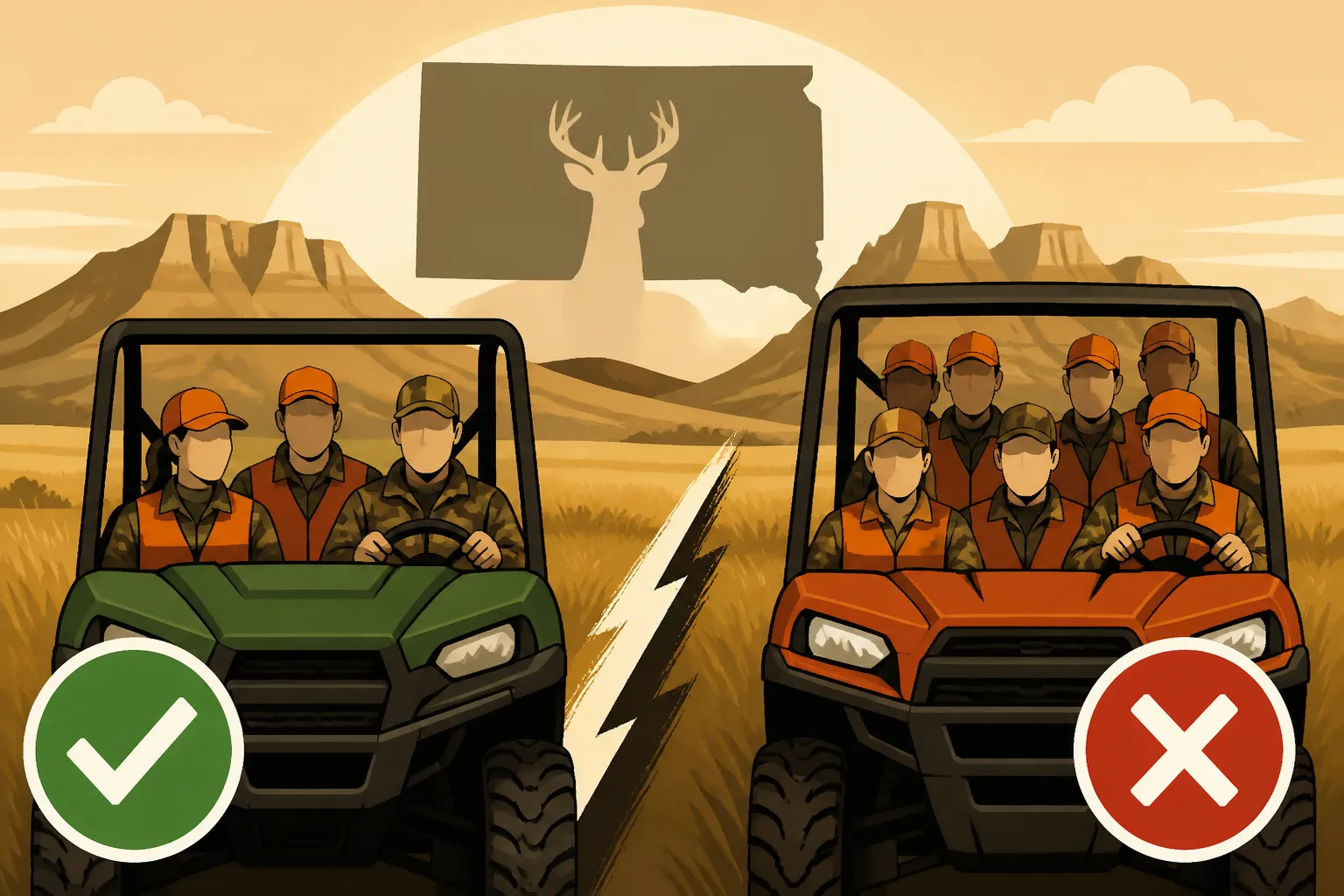
Legally speaking, the South Dakota Department of Game, Fish and Parks doesn't typically put a cap on how many hunters can constitute a "party" for pheasant hunting. You won't find a rule stating "no more than X hunters on a pheasant drive." Their regulations emphasize individual compliance with bag limits, shooting hours, and, critically, safety. For instance, blaze orange requirements are in place to ensure hunters are visible to one another, a regulation that becomes even more vital when you have multiple individuals moving through cover. The state is more concerned with whether each hunter is properly licensed, respects property boundaries, and handles their firearm safely, rather than dictating the precise headcount of your entire group.
However, the absence of a strict legal limit doesn't mean there aren't practical limits. Running a safe and effective drive implicitly requires a certain degree of organization and common sense. A group that is too large can become unwieldy, making communication difficult and potentially increasing safety risks by spreading hunters out too widely or, conversely, bunching them up too closely. Conversely, a group that is too small might not be able to adequately cover a piece of ground, leading to fewer flushes and missed opportunities. These practical considerations are often what truly dictate party size, far more than any governmental mandate.
How Outfitters Manage Group Sizes for Drives
While the state might not regulate your crew's headcount, if you're hunting with a professional outfitter in South Dakota, they absolutely will have their own established party size limits. These aren't arbitrary; they are usually developed through years of experience, balancing safety, the quality of the hunting experience, and the size and type of land they manage. An outfitter's reputation often hinges on providing a consistent, enjoyable, and safe hunt, and managing group sizes is a critical component of that.
Outfitters consider several factors when setting their limits. First, safety is paramount. They want to ensure there are clear shooting lanes, that all hunters understand the plan, and that accidental discharges or mistaken identity incidents are minimized. Second, they aim to optimize the success rate. Knowing their ground, they can determine how many walkers are needed to push birds effectively and how many blockers are required to cut off escape routes. Too many hunters can spook birds prematurely or cause them to run out the sides, while too few might allow birds to simply slip back through the line. Many reputable outfitters list their typical group sizes directly on their websites or when you inquire about booking. When you're browsing options on platforms like BookYourHunt, pay close attention to the stated group minimums and maximums for their pheasant drives, as this is a key indicator of their operational style and what kind of experience you can expect. Don't hesitate to ask specific questions about why they prefer a certain group size; a good outfitter will be happy to explain their methods.
Factors Influencing Optimal Party Size for a Pheasant Drive
Determining the "perfect" number of hunters for a pheasant drive isn't a one-size-fits-all answer. It's a dynamic equation influenced by several critical variables. What works brilliantly in one field might be completely ineffective in another, and the presence or absence of good bird dogs can dramatically shift your needs.
The Size and Type of Cover Being Hunted
The habitat you're targeting is perhaps the most significant factor in dictating your ideal party size. South Dakota offers a diverse range of pheasant cover, from vast expanses of CRP (Conservation Reserve Program) grass to dense cattail sloughs and winding shelterbelts. Each type of cover demands a different approach and, consequently, a different number of hunters to effectively work the area.
Consider a small, linear strip of cover, perhaps a half-mile long grass waterway between two cornfields. For this, a smaller group of 3-5 hunters might be ideal. Two or three walkers can push through the strip, while one or two blockers position themselves at the end to catch birds attempting to escape. In this scenario, too many walkers would simply get in each other's way or create unsafe shooting angles. Now, imagine a massive 80-acre block of thick CRP that has stood all winter, holding hundreds of birds. A small party would be utterly overwhelmed. Here, you might need 8-12 or even more hunters, spread out to cover the width of the field, with dedicated blockers anticipating where birds will try to break. For truly heavy cover, like a massive cattail slough that might be 100 yards wide and a quarter-mile long, pushing that effectively requires significant manpower. You'd need a robust line of walkers, probably spaced 15-20 yards apart, and often several designated blockers positioned strategically at the far end or along the edges where birds are known to sneak out. This kind of drive can quickly chew up a small group's energy without yielding results if they can't cover the ground efficiently. Pushing a Cattail Slough With Blockers details just how much effort these areas require. The thicker the cover, the more resistance a bird faces, and the more likely it is to hold tight or try to run, making sufficient coverage crucial.
Hunter-to-Dog Ratios and Dog Effectiveness
The presence and number of well-trained bird dogs can fundamentally alter your party size requirements. A good flushing dog or a steady pointer can be worth multiple hunters in terms of finding and putting birds into the air. If your group is blessed with several highly effective dogs, you can often achieve the same level of bird-finding success with fewer hunters. For instance, a small party of three hunters with two experienced flushing dogs working a medium-sized grass field might be just as effective, if not more so, than five hunters without any dogs. The dogs cover ground more efficiently, penetrate thick cover more thoroughly, and have a superior sense of smell to locate birds that hunters might walk right past.
Conversely, if you're hunting without dogs – which is absolutely possible and often necessary for some, as explored in Dogless Pheasant Hunting in South Dakota – you'll likely need to compensate with more human "boots on the ground." More hunters mean a wider front, more thorough coverage, and more eyes to spot running birds. The type of dog also matters. Pointing dogs, while excellent at finding birds, require hunters to move in to flush, which can sometimes slow a drive down. Flushers, on the other hand, are designed to keep moving and put birds up quickly. You can learn more about these dynamics in Pointing Dogs Versus Flushers on Wild Birds. Ultimately, the more effective your canine companions are, the more flexibility you have with your human headcount. A strong team of dogs allows hunters to focus more on strategic positioning and shooting, rather than solely on pushing cover.
Safety Considerations and Communication
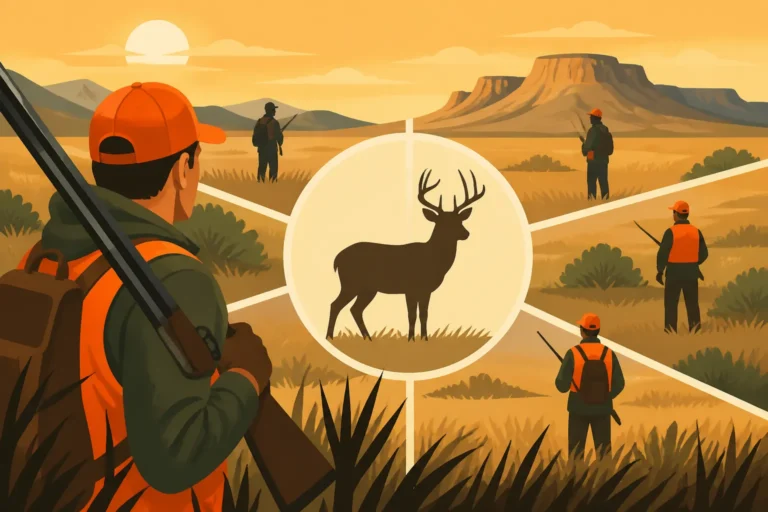
Safety should always be the absolute priority on any hunting trip, and party size plays a crucial role here. A disorganized or overly large group can quickly become a liability. Every hunter must have clear shooting lanes, understand the direction of the drive, and maintain awareness of their fellow hunters. When you have too many people, especially in dense cover, it becomes incredibly difficult to keep track of everyone's position, leading to potentially dangerous situations with cross-shooting or obscured targets. This is why strict adherence to rules like Safe Gun Handling on a Bird Drive and proper Muzzle Discipline With Blockers Ahead is non-negotiable.
Effective communication is also key to a safe and productive drive. In a smaller group, it's easier to hear shouts of "Bird!" or "Walker left!" and for everyone to understand the changing dynamics of the field. As groups get larger, communication can break down. Hunters at one end of a large field might be completely unaware of what's happening at the other. This can result in missed birds, but more importantly, it can lead to confusion about where fellow hunters or blockers are positioned. Guides, especially, understand this and often cap their group sizes to maintain control and ensure everyone's safety. They'll brief their clients thoroughly on the drive plan, designate roles (walkers, blockers, flankers), and establish clear communication signals. Overcrowding a field doesn't just reduce effectiveness; it exponentially increases the risk of an accident.
Practical Implications for Your Hunting Group
Understanding the theoretical aspects of party size is one thing, but putting it into practice for your actual hunt is where the rubber meets the road. Whether you're a seasoned group of friends or booking a guided experience, proactive planning around your party size will make a significant difference.
Maximizing Success with Your Chosen Party Size
Once you've settled on a party size, whether it's an intimate group of three or a larger contingent of ten, the next step is to strategize how to make the most of it. Small groups often need to be smarter and more agile. Instead of trying to sweep vast tracts of land, they might focus on smaller, isolated pockets of cover or conduct repeated, meticulous passes through prime habitat. Zigzagging a Grass Strip for Birds is a technique that a smaller group can employ effectively, ensuring thorough coverage of narrower strips. They can also leverage tactics like "block and push" on smaller sloughs, where one or two hunters quietly position themselves at a strategic escape point while the others slowly work through the cover. For small groups without dogs, identifying areas where birds are likely to hold tight, like heavy cattail edges or shelterbelt ends, becomes even more critical.
Larger groups, on the other hand, have the luxury of brute force, but they need organization to avoid chaos. With more hunters, you can create wider lines, cover more ground simultaneously, and have dedicated blockers on multiple sides of a large field. This requires a designated "drive captain" or experienced hunter to direct the line, manage spacing, and ensure everyone knows their role. Communication is paramount, often relying on hand signals or pre-arranged calls. A larger group can be particularly effective in pushing vast fields of corn stubble or tall grass, especially when working toward a natural barrier. Utilizing aerial imagery and tools like onX Layers for South Dakota Land Status can help even large groups strategically plan their drives, identifying pinch points and escape routes where blockers should be placed. This foresight turns what could be a messy group into a highly effective flushing machine.
How to Coordinate with Guides and Fellow Hunters
If you're opting for a guided hunt in South Dakota, the best advice is simple: communicate openly and early with your outfitter. Most reputable outfitters will have standard group sizes they prefer, but it's crucial to ensure your expectations align with theirs. Don't be afraid to ask specific questions:
- What is the typical number of hunters per drive?
- What is the guide-to-hunter ratio?
- How many dogs will be working the field with our group?
- What is the average size of the cover we'll be hunting?
- Can our group of X hunters be accommodated, or do we need to add/subtract members?
These questions, similar to those outlined in Questions to Ask a South Dakota Outfitter, help prevent surprises and ensure everyone is on the same page. If you're a smaller group looking to fill out a party, some outfitters might combine you with another small group, which can be a great way to meet new hunters and share the experience. Conversely, if you have a large corporate group, an outfitter needs to know this well in advance to allocate appropriate guides and ground.
For self-guided groups, coordination among yourselves is equally important. Before you even set foot in South Dakota, discuss everyone's physical capabilities, preferred hunting style (fast-paced walking vs. slower methodical pushing), and expectations for the trip. Platforms like GoHunt can be invaluable for researching general pheasant hunting strategies and understanding what different types of cover demand in terms of manpower before you even contact an outfitter or plan your own DIY hunt. Designate a leader for each drive who can call the shots, maintain the line, and ensure safety. Make sure everyone understands the boundaries of the cover, the wind direction, and where blockers will be positioned. A well-briefed team, regardless of size, is always a more successful and safer team.
| Party Size (Hunters) | Typical Cover Type | Pros | Cons | Ideal for |
|---|---|---|---|---|
| 2-3 | Small shelterbelts, narrow grass strips, CRP edges | Agile, stealthy, easy communication, less pressure on public land | Limited coverage, difficult for large fields, fewer guns on flushes | Targeting specific, small pockets; Dogless Pheasant Hunting in South Dakota with skilled walkers |
| 4-6 | Medium grass fields, small sloughs, food plots | Good balance of coverage and control, manageable communication, efficient | Can be stretched thin on very large fields, requires good dog work | Standard guided hunts, most DIY groups on average-sized Walk-In Areas like those described in Hunting South Dakota Walk-In Areas |
| 7-9 | Large CRP fields, extensive cattail sloughs | Excellent coverage, strong push, multiple blockers, high flush potential | Communication can be challenging, more safety considerations, harder to coordinate | Working significant habitat blocks, guided hunts with ample ground and multiple guides |
| 10+ | Very large fields, multiple habitat types | Maximum coverage, can drive multiple areas simultaneously | High potential for communication breakdown, major safety concerns, requires expert leadership | Large corporate groups on private, managed land with professional guides and strict protocols |
Disclaimer
This article is for general informational purposes only and does not constitute professional advice. Laws, prices and regulations vary by location and change over time. Consult a qualified professional for guidance on your specific situation.