Guide-to-Hunter Ratios on Bird Hunts
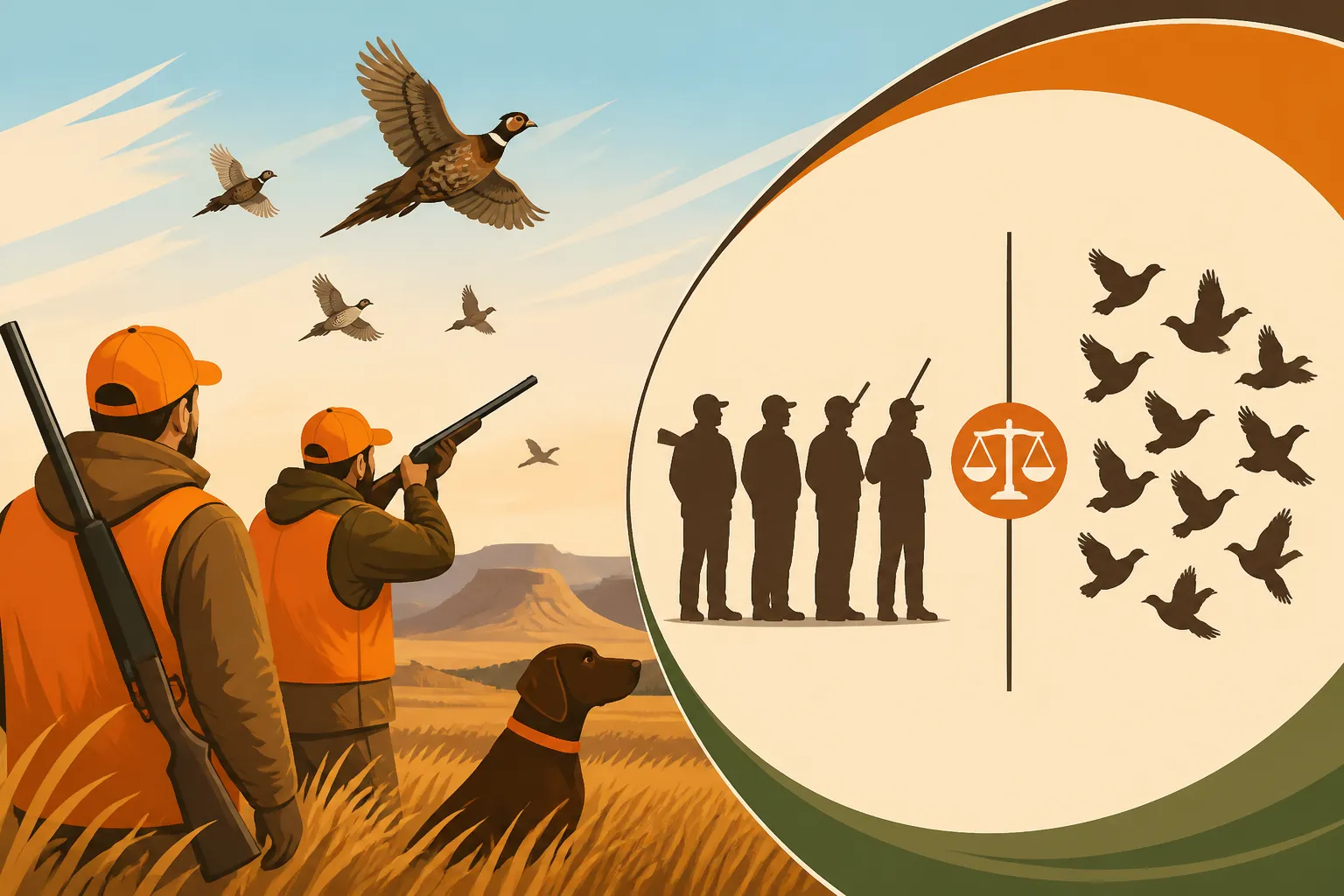
One of the questions that often swirls around when you're planning that dream South Dakota bird hunt, especially for pheasants, is how many guides will actually be in the field with your group. It’s a common source of confusion and sometimes even frustration, because the ratio of guides to hunters can profoundly impact your experience, from safety to bird flushes and overall enjoyment. This guide aims to pull back the curtain on guide-to-hunter ratios, helping you understand what to expect, what to ask, and how to ensure you get the most out of your hard-earned hunting adventure.
Understanding the Basics of Guide Ratios in Bird Hunting
When you're shelling out good money and investing precious vacation time into a guided bird hunt, particularly for those legendary South Dakota pheasants, it’s completely natural to wonder about the logistics of your guiding team. It’s not just about having someone point you in the right direction; it’s about the entire dynamic of the hunt.
Why Guide Ratios Matter for Your Hunt Experience
Imagine this scenario: you're with a group of six or seven hunters, eager to hit a prime cattail slough, and there's only one guide trying to manage the dogs, direct the line, keep an eye on safety, and ensure everyone gets a shot. It can quickly feel chaotic. Birds might flush wild, out of range, because the single guide is spread too thin. Dogs could get tangled or go off course without sufficient supervision, leading to missed retrieves or even potential injuries. On the flip side, having a couple of experienced guides with a similar-sized group allows for better control, more strategic pushes, and often, a much safer environment.
A good guide ratio ensures that each hunter receives adequate attention, whether it's confirming safe shooting lanes, helping identify a bird, or just offering a word of encouragement. It also means the guides can dedicate proper focus to their hunting dogs, who are often the true heroes of a pheasant hunt. When dogs are well-managed and working efficiently, more birds are located, flushed correctly, and retrieved, which directly translates into a more successful and satisfying hunt for everyone involved. Without enough guides, the intricate dance of a pheasant drive—where blockers, walkers, and dogs must coordinate perfectly—can easily fall apart, leaving hunters feeling like they didn't get the quality experience they paid for.
Common Guide-to-Hunter Ratios in South Dakota Pheasant Camps
In the world of South Dakota pheasant hunting, you'll encounter a range of guide-to-hunter ratios, and these often reflect the outfitter's operational style, the type of hunt being offered, and ultimately, the price point. Generally speaking, a common ratio might be one guide for every four to six hunters. This allows the guide to effectively manage a string of three or four dogs, direct the pace of the hunt, and maintain a watchful eye over the hunting party. For larger groups, an outfitter might employ a team approach, with two guides handling six to eight hunters, often with one guide designated as the "lead" and another supporting the flanks or managing additional dogs.
However, for a more premium or intimate experience, you might find outfitters offering lower ratios, sometimes as low as one guide for every two or three hunters. This kind of setup is often marketed towards smaller, private groups or those seeking a highly personalized hunt where individual coaching and specific tactical approaches are paramount. This lower ratio can significantly enhance the quality of the hunt, allowing for more strategic maneuvers in the field and a greater focus on individual hunter success and enjoyment. It's not just about the number of birds in the bag, but the overall feel and personal connection to the hunt.
Ultimately, the ideal ratio can be subjective and depends heavily on what you're looking for. A seasoned hunter might be comfortable in a larger group with fewer guides, relying on their own experience, while a newer hunter might benefit greatly from a more attentive, lower-ratio setup. It's crucial to clarify these details upfront to align your expectations with the reality of the hunt.
Factors Influencing Guide-to-Hunter Ratios
The number of guides an outfitter assigns to your group isn't arbitrary; it's usually a carefully considered decision influenced by several key factors. Understanding these can help you better appreciate the setup you're offered and even influence your choice of outfitter.
Type of Hunt and Terrain
The actual method of hunting pheasants in South Dakota plays a huge role in determining appropriate guide ratios. For instance, if you're participating in a classic pheasant drive involving a line of walkers pushing birds toward blockers, the coordination required is immense. A longer line of hunters needs more eyes and voices to ensure everyone stays in formation, maintains a safe distance, and works the cover effectively. In these scenarios, you might see a ratio of one guide for every four to five hunters, with guides potentially at either end of the walking line or strategically placed within it. This setup is crucial for executing a successful drive, minimizing stray birds, and preventing safety incidents. Pushing a Cattail Slough With Blockers is a complex operation that demands good communication and supervision.
Conversely, if the hunt involves smaller, more agile maneuvers, perhaps working shelterbelts or smaller pockets of cover, the ratio might be different. In cases where groups are splitting up to cover different angles or if it’s more of a "walk-up" style hunt, a lower guide-to-hunter ratio might be maintained for increased intimacy and direct interaction. The terrain itself also dictates the need for guidance. Thick, dense cover like heavy cattails or CRP fields, especially Late-Season South Dakota Pheasants in Heavy Cover, can be challenging to navigate safely and effectively, requiring more active guidance than more open stubble fields. More rugged landscapes, though less common for pheasant drives, would also demand a different guiding approach.
Number of Dogs and Their Role
Let's be honest, dogs are the heart and soul of a South Dakota pheasant hunt. The number, breed, and experience of the dogs accompanying your hunt directly influence the need for human handlers (guides). An outfitter running a string of four to six well-trained flushing dogs will often need at least two guides dedicated primarily to managing those animals, directing their casts, ensuring they stay within effective range, and preventing them from flushing birds too far ahead. Each guide might be responsible for two to three dogs, allowing them to focus on the canine team while still overseeing the hunters.
The type of dog also makes a difference. Pointing Dogs Versus Flushers on Wild Birds have different working styles and, therefore, different handling requirements. Pointing dogs might require a guide to be closer to "honor" their points and ensure the flush comes at the opportune moment. Flushers, on the other hand, need consistent direction to systematically cover ground and push birds towards the hunters. If an outfitter boasts a robust kennel with numerous dogs always in the field, it's a good bet they also employ enough guides to handle them properly, as untrained or poorly managed dogs can actually hinder a hunt more than help it.
Outfitter Philosophy and Pricing Tier
Every outfitter has a unique philosophy about how they run their hunts, and this is often reflected in their guide-to-hunter ratios. Some outfitters pride themselves on providing a highly personalized, intimate experience, aiming for smaller groups and lower ratios to foster closer interaction between guides and hunters. This approach often translates to a higher price point, as the operational costs per hunter are naturally higher. These types of operations might prioritize teaching and skill development alongside bird harvesting.
Other outfitters might focus on maximizing efficiency and providing a more accessible experience, which can lead to slightly higher guide-to-hunter ratios. This doesn't necessarily mean a lower quality hunt, but the experience might be more streamlined, with less individual attention per hunter. When you're researching potential outfitters, whether through word-of-mouth or platforms like BookYourHunt, pay attention to how they describe their "hunt experience" and whether they emphasize group size or personalized attention. The pricing structure often gives a strong hint. Generally, if an outfitter is at the higher end of the scale for a South Dakota Guided Pheasant Day Rate, you can usually expect a more favorable guide-to-hunter ratio as part of that premium service.
What to Ask Your Outfitter About Guide Ratios
Choosing a guided hunt is a significant investment, and you deserve to know exactly what you're getting. Don't be shy about asking direct questions regarding guide ratios. It’s part of doing your due diligence and ensures you’re making an informed decision.
Clarifying Expectations Before You Book
The absolute best time to get clarity on guide ratios is before you put down a deposit. Don't assume anything. Many hunters make the mistake of assuming a certain level of service based on price or website photos, only to be surprised in the field. Be direct and ask: "What is your typical guide-to-hunter ratio for a pheasant hunt?" This question gives you a general idea.
However, you need to dig a little deeper. Follow up with: "Specifically for our group of [X number] hunters, how many guides will be with us in the field each day?" The answer to this question is critical because it addresses your specific booking. Sometimes, an outfitter's "typical" ratio might be different depending on the size of your group or other bookings they have. If your group is small, say two or three hunters, you might actually get a better ratio than a larger group, or you might be combined with another small group, which could change the dynamic. It's also wise to ask about the number of dogs. "How many dogs will typically be in the field with each guide?" This helps you visualize the amount of ground coverage and dog power your group will have access to.
Understanding the Guide's Responsibilities in the Field
It’s easy to think of a guide as just someone who walks with you and points out birds. But a good guide does so much more, and understanding their multifaceted role highlights why an appropriate guide-to-hunter ratio is so vital. Your guides are, first and foremost, safety officers. They are constantly monitoring gun barrels, ensuring safe shooting lanes, and reminding hunters of critical rules like Muzzle Discipline With Blockers Ahead. This constant vigilance is paramount, especially when multiple hunters are moving through dense cover.
Beyond safety, guides are expert bird strategists. They read the cover, the wind, and the birds' behavior to orchestrate the most effective drives. They manage the dogs, making sure they're working efficiently and ethically. They are also navigators, leading you through unfamiliar terrain, and often, educators, sharing insights into pheasant behavior, dog training, and local ecology. On top of all this, they are hosts, working to ensure your comfort, answer your questions, and enhance your overall enjoyment. When a guide is stretched too thin due to an unfavorable ratio, it compromises their ability to perform these critical duties, potentially leading to a less safe, less effective, and less enjoyable hunt. Asking about these responsibilities helps you appreciate the value of a well-staffed guiding team.
The Impact on Safety and Success
Let's not mince words: a good guide-to-hunter ratio is a cornerstone of both safety and success on a bird hunt. On the safety front, multiple guides mean more eyes on the line, better enforcement of safe shooting practices, and quicker responses if an issue arises. In the dynamic environment of a pheasant drive, where birds can flush unpredictably and hunters are moving through thick cover, the importance of Safe Gun Handling on a Bird Drive cannot be overstated. A guide at each end of the line, or one every few hunters, can significantly reduce the risk of accidents by ensuring everyone knows where other hunters are and what's behind the flushing bird.
From a success standpoint, more guides can lead to better bird control. Pheasants are notoriously good at running and sneaking out the sides of a drive. More guides, often accompanied by more dogs, mean wider coverage and better containment, flushing more birds within shooting range. This translates directly into more shooting opportunities for hunters and, often, a higher harvest. It also allows for more nuanced tactical decisions in the field; guides can adapt to changing bird patterns, adjust the pace of the drive, or redirect dogs to maximize encounters. When you're making the effort to book a South Dakota Pheasant Hunt, you want every advantage possible, and a strong guiding team is certainly one of them. Don't hesitate to include these details in your Questions to Ask a South Dakota Outfitter.
Making the Most of Your Guided Bird Hunt
You've done your homework, picked a great outfitter, and clarified the guide-to-hunter ratio. Now it's time to hit the field! Even with the best setup, your attitude and actions can significantly contribute to the success and enjoyment of your hunt.
Communicating with Your Guide
The guides are there to lead, but it's a two-way street. Effective communication between you and your guide is paramount for a smooth and successful hunt. Before the first bird flushes, have a brief chat with your guide about your comfort level, any physical limitations you might have, or if you're a new hunter who needs a little extra guidance. If you've got a preference for walking the edges or being in the middle of the line, let them know. Are you primarily interested in seeing great dog work, or are you focused on filling your limit? Sharing these expectations upfront helps your guide tailor the experience as much as possible to your group.
Throughout the hunt, maintain open communication. If you're feeling tired, struggling to keep pace, or have a safety concern, speak up immediately. Don't wait for a problem to escalate. Guides are professionals, and they want you to have a great time and stay safe. Remember, even with a great guide ratio, an uncommunicative or uncooperative group can turn a well-planned drive into a frustrating experience. Your willingness to engage and provide feedback can make a substantial difference, ensuring that the guide can adjust tactics or pacing to suit everyone.
Adapting to the Field Situation
Hunting is inherently unpredictable, and even the most meticulously planned guided hunt can throw a curveball. The weather might change drastically, birds might be holding tighter or running more than expected, or a field might be wetter or drier than anticipated. While guide ratios are typically set beforehand, field conditions might sometimes necessitate adjustments. Be prepared to be flexible. Your guide might decide to shorten a drive, move to a different type of cover, or adjust the line based on what they're seeing.
Sometimes, an outfitter might need to combine smaller groups if, for example, a booking fell through or a certain field requires more hunters to cover effectively. While this could slightly alter the guide-to-hunter ratio you initially discussed, it's usually done to ensure a better overall hunting outcome given the circumstances. Trust your guide's judgment; they are experts in their specific hunting areas and have years of experience reading the prairie. Their decisions are usually made with your safety and success in mind.
Leveraging Resources Beyond the Guide
Even though you're on a guided hunt, taking some personal initiative can enhance your experience significantly. Before you arrive, do a little research on the region you'll be hunting. Understanding the local terrain, the typical weather patterns, and even some basic pheasant biology can make you a more engaged and knowledgeable participant. Platforms like GoHunt or other online mapping tools can help you visualize the type of cover you might encounter, giving you a better sense of what to expect.
Think of your guide as the conductor of the orchestra, but you're a crucial instrument. Coming prepared with the right gear, having your shotgun patterned, and being in reasonable physical condition to keep up with the walking pace will make you a better hunter and allow your guide to focus on finding birds, rather than managing logistical issues. A guided hunt isn't just a spectator sport; it's an interactive experience. The more you bring to the table in terms of preparation and active participation, the more rewarding your hunt will be, regardless of the precise guide-to-hunter ratio.
Here's a quick overview of how different guide ratios might play out:
| Guide-to-Hunter Ratio | Typical Group Size | Potential Pros | Potential Cons | Best Suited For |
|---|---|---|---|---|
| 1:2 or 1:3 | Small (2-3 hunters) | Highly personalized attention, focused coaching, maximum safety oversight, intimate experience, more tactical flexibility. | Higher cost per hunter, less ground covered by walking line. | Beginners, hunters seeking personal instruction, those prioritizing a premium experience. |
| 1:4 or 1:5 | Medium (4-5 hunters) | Good balance of personal attention and efficient coverage, effective dog management, solid safety. | Might feel less personal than 1:2, slight trade-off in individual focus. | Most typical guided pheasant hunts, good for small groups of friends. |
| 1:6 or 1:7 | Large (6-7 hunters) | More hunters can cover wider areas in a drive, potentially more overall dog power if guides each run dogs. | Less individual attention, requires very disciplined hunters, higher chance of missed flushes if coordination breaks down. | Larger corporate groups, experienced hunters who prefer a strong team dynamic. |
Disclaimer
This article is for general informational purposes only and does not constitute professional advice. Laws, prices and regulations vary by location and change over time. Consult a qualified professional for guidance on your specific situation.