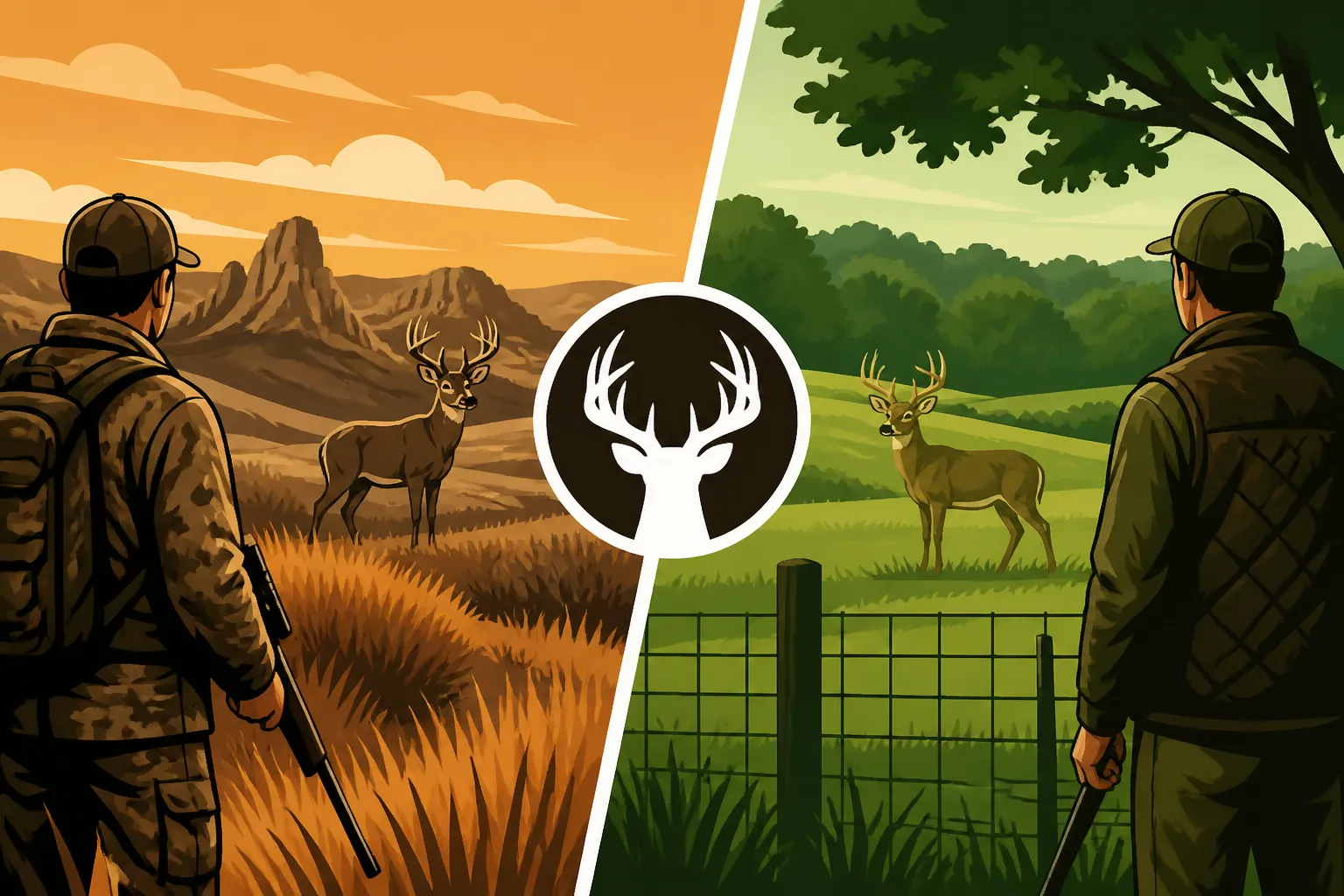
How to Tell a Wild Hunt From a Preserve Hunt
It’s a common scenario: you’re dreaming of a South Dakota pheasant hunt, scrolling through countless lodge websites, and suddenly you realize not all hunts are created equal. You see terms like "wild bird hunt" and "shooting preserve," and it can be incredibly confusing to figure out what you're actually signing up for. This guide is here to cut through the jargon and help you understand the fundamental differences, so you can make an informed choice that perfectly matches your hunting expectations and budget.
Understanding the Core Differences: Wild vs. Preserve
The heart of the matter truly lies in the origin and environment of the birds you're pursuing. South Dakota is famous for its wild pheasants, and that's often what hunters visualize when they think of the state. However, a growing number of operations offer a different experience, which is just as valid but needs to be understood upfront.
The Essence of a Wild South Dakota Hunt
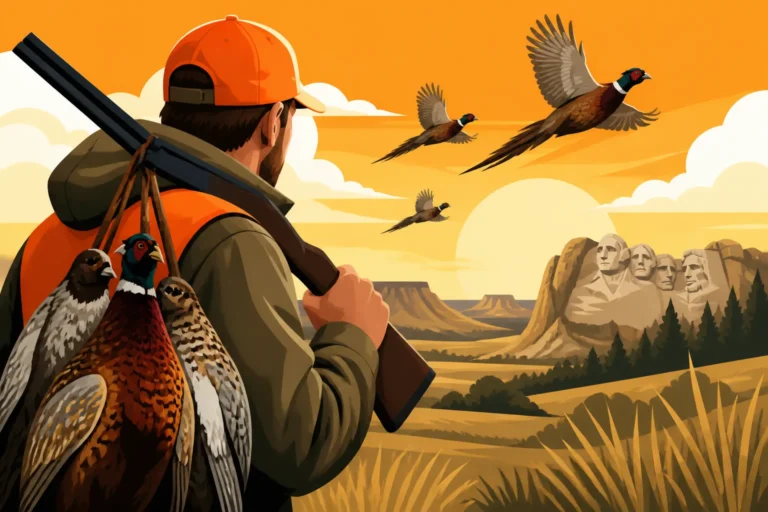
When you book a "wild hunt" in South Dakota, you are quite literally chasing ring-necked pheasants that were born and raised in the wild. These birds have survived blizzards, evaded predators, and developed all the natural instincts of their species. They live in expansive, natural habitats like vast grasslands, cattail sloughs, shelterbelts, and crop fields. The thrill of a wild hunt comes from the unpredictability – you might walk for hours, covering miles of ground, before your dog locks up on a rooster or a covey erupts from heavy cover. The challenge is real, and success is earned through hard work, good dog work, and a bit of luck.
These hunts often take place on a mix of private lands where the outfitter has secured access, or even on the state's vast Public Hunting Land in South Dakota and South Dakota Walk-In Areas Explained. The birds' behavior is dictated by the weather, hunting pressure, and natural cycles. They'll run far ahead of dogs, flush out of range, or hold incredibly tight, making every flush a unique and exhilarating experience. It's an authentic pursuit of South Dakota Ring-Necked Pheasants in their natural environment, where every bird you harvest feels like a true accomplishment.
The experience is often about the journey as much as the birds in the vest. It’s about the camaraderie with your hunting partners and dogs, the crisp prairie air, and the stunning South Dakota sunrises and sunsets. You're immersing yourself in the landscape and embracing the true essence of a traditional pheasant hunt.
The Structure of a South Dakota Preserve Hunt
A preserve hunt, often referred to as a "controlled shooting area," offers a different kind of experience. Here, pheasants (and sometimes other game birds) are raised in captivity and then released into designated hunting areas, usually on a daily or frequent basis. The primary goal of a preserve hunt is to provide a higher volume of bird encounters and a more predictable hunting experience. The birds are typically released just before or during the hunt, making them less "wild" in their behavior.
These hunts are generally conducted on private land specifically managed for this purpose. The habitat might still look like classic South Dakota cover, but it's often designed to keep the released birds within certain boundaries and facilitate easier flushing. Think of carefully managed strips of sorghum, corn, or native grasses, often smaller in scale than the expansive tracts of a true wild hunt. The focus here shifts from the unpredictable challenge of locating truly wild birds to enjoying consistent shooting opportunities and working your dogs on birds that are more inclined to hold or flush predictably.
Preserve hunts can be an excellent option for those who prioritize a high number of shooting chances, hunters with younger dogs needing more experience, or groups looking for a more relaxed pace without the extensive walking sometimes required on wild bird hunts. It's a structured, often guaranteed, experience designed to deliver birds to the gun, and it comes with its own set of rules and licensing distinct from a purely wild pursuit.
Key Indicators to Spot the Difference
When you're trying to figure out if an outfitter is offering a true wild hunt or a preserve experience, there are several tell-tale signs to pay close attention to. These aren't always explicitly stated in plain language, so you might need to read between the lines or ask direct questions.
Licensing and Legal Requirements
One of the most significant indicators lies in the licensing. For a traditional wild bird hunt on either public or private land, you'll need a standard South Dakota nonresident small game license (if you're from out of state) and a habitat stamp. These licenses allow you to hunt wild pheasants during the general hunting season, adhering to state bag and possession limits, and respecting general shooting hours. The rules are uniform across the state for these wild birds.
However, for a preserve hunt, you might be offered or required to purchase a "Nonresident Shooting Preserve Licence." While a general small game license might still be required by some preserves, the existence of a specific preserve license is a huge red flag (or green flag, depending on what you're looking for). Preserve season dates can also be significantly longer than the general pheasant season, sometimes starting earlier and running later, allowing for hunting when the wild bird season is closed. Always check the specific Licences Needed on a South Dakota Preserve when evaluating a guided opportunity. If the season dates extend beyond the general state season, you are almost certainly on a preserve.
It's crucial to understand these distinctions because hunting without the correct license, or outside of legal season dates, can lead to serious legal trouble. A reputable outfitter will always be transparent about the licensing required for their specific operation.
Bird Behavior and Habitat
The behavior of the birds themselves offers strong clues. Wild pheasants, particularly later in the season or when pressured, are notorious for running far ahead of dogs, especially in lighter cover. They'll use every ditch, fence line, and patch of cattails to evade hunters, often flushing at extreme ranges or simply disappearing into thickets. The phrase "the birds ran out of the county" is a common lament among wild bird hunters. You might spend significant time watching your dog work scent trails, only to have the birds bust out 100 yards away or simply vanish. This unpredictability is a cornerstone of the challenge and reward.
On a preserve, the birds, having been raised in confinement, generally exhibit less wariness. They are more likely to hold for dogs and flush within shooting range, often presenting easier shots. While they are still pheasants and can fly powerfully, their survival instincts haven't been honed in the same way as wild birds. The habitat on a preserve, while often looking appealing, might be specifically designed to hold these birds, possibly with feed stations or smaller, more contained fields that encourage them to stay put. If the birds are consistently flushing close and offering relatively easy shots, it's a strong indicator of a preserve environment. You might not see the same elaborate evasion tactics or the sustained running that you’d experience with truly wild pheasants that have learned to survive human pressure. The dynamic of Why Birds Run Instead of Flush becomes far less of a factor on a preserve.
The Role of the Guide and Dogs
Consider how the guides and their dogs operate. In a wild bird scenario, guides are constantly reading the terrain, the wind, the dog's body language, and the subtle signs of bird activity. They're making strategic decisions about where to walk, how to push cover, and anticipating where the birds will run or flush. The dogs are often working extensive ground, following complex scent trails, and using their natural hunting instincts to locate hidden birds. A good guide on a wild hunt is an expert in strategy, knowing how to approach a Cattail Sloughs as Winter Cover or a stretch of thick CRP to maximize flushing opportunities for truly elusive birds.
On a preserve, while skillful dog work is still highly valued and makes the hunt enjoyable, the guide's role often involves managing the release of birds and directing hunters to areas where birds have recently been put out. The dogs might have an easier time locating birds that haven't had days or weeks to spread out and become wary. Sometimes, you might even notice a guide "planting" birds ahead of the hunting party, a common practice on preserves to ensure consistent action. If you observe birds being released from crates, or if the guide seems to know exactly where the birds will be with uncanny accuracy, you are almost certainly on a preserve hunt.
Practical Questions to Ask When Booking
To avoid any surprises, it's absolutely vital to ask direct and pointed questions before you commit to a booking. Don't assume anything; clarify everything. Outfitters should be transparent about the type of hunt they offer.
Inquiring About Bird Source and Habitat
This is where you get straight to the point. Ask explicitly: "Are these wild, naturally reproducing pheasants, or are they pen-raised birds that are released?" A reputable outfitter offering a wild hunt will proudly state that their birds are 100% wild. If they hesitate or use ambiguous language like "strong bird numbers" or "managed population," dig deeper. You should also ask about the nature of their hunting grounds. Are they hunting vast tracts of native prairie, CRP, and crop fields, or are the areas smaller, more confined, and specifically designed for holding released birds?
It’s also wise to ask about the typical size of the fields you’ll be hunting. Wild birds need space to roam and evade. Smaller, more manicured fields, especially if described as "easy walking," can sometimes be a clue. The key is to understand the actual source of the birds. This conversation helps you distinguish a true Wild Versus Preserve Bird Hunts in South Dakota. The habitat should reflect the natural range of wild birds, not a controlled environment.
Understanding Bag Limits and Success Rates
Pay close attention to how bag limits are discussed. For wild pheasant hunts in South Dakota, there are strict daily bag limits (typically three roosters per person) and possession limits (usually 15 roosters, after your first day of hunting). If an outfitter talks about "guaranteed limits" or offers higher bag limits than the state's regulations, it's a very strong indication that you are looking at a preserve hunt. Preserves often have different, more liberal bag limits because they are operating under a specific permit that allows for the harvest of released birds.
Ask: "What are your typical daily bag limits?" and "Are these limits consistent with state regulations for wild pheasants?" Also, be wary of overly enthusiastic claims of 100% success rates or easily filled limits. While South Dakota is renowned for its pheasants, a true wild hunt always carries an element of challenge and unpredictability. While a good outfitter will put you on birds, nature always plays a role. Promises of consistent limits that defy the usual challenges of wild bird hunting are a major clue. Understanding Guaranteed Bird Numbers and What They Mean is crucial here. Sometimes, "guaranteed" means they'll keep releasing birds until you hit your number, which isn't a wild hunt.
Analyzing Pricing Structures
The cost of the hunt can also be quite revealing. While there's a wide range of pricing for both types of experiences, some structures lean more towards one than the other. If you see a "per-bird charge" for any birds shot over a certain number, or if the price is explicitly tied to the quantity of birds harvested, it’s a classic preserve pricing model. Wild bird hunts are typically priced per hunter, per day or package, with the expectation that you'll try to achieve the state's daily bag limit, but without any extra charges if you exceed it (because you can’t, legally).
Examine the inclusions. A "bird cleaning and packaging" service might be common for both, but if the outfitter mentions "no-limit shooting" or "additional birds available for purchase," that's a clear sign of a preserve. Be sure to understand if the quoted price is an all-inclusive package or if there are potential hidden fees. Compare the Cost of a Guided South Dakota Pheasant Hunt with what’s being offered. A significantly lower price for what sounds like an incredible volume of birds might also indicate a preserve, as the operational costs of consistently stocking released birds can sometimes be offset by the volume of hunters they bring in.
Tools and Resources for Informed Decisions
Making an informed decision about your South Dakota hunt involves a bit of homework. Luckily, there are resources and strategies you can employ to vet potential outfitters and ensure you're getting the experience you truly desire.
Researching Outfitters and Their Claims
Don't just take an outfitter's website at face value. Use online resources and community forums to gather independent information. Websites like BookYourHunt and GoHunt can be valuable platforms for finding outfitters, but they also often feature reviews and client testimonials. When reading these, pay attention to the language used by past clients. Do they rave about the "challenging flushes" and "wild birds," or do they focus on the "high volume of shooting" and "lots of birds"?
It's absolutely critical to ask for references – and then call them. Speak to previous clients and ask them directly about their experience. Specifically, ask them if they felt they were hunting wild birds or released birds. Inquire about the hunting pressure, the size of the grounds, and the general demeanor of the birds they encountered. A reputable outfitter will readily provide references; if they're hesitant, that's a significant red flag. This due diligence is crucial for Checking a South Dakota Outfitter's Reputation. Look for consistent feedback across multiple sources, not just curated testimonials on their own site.
Reviewing Contracts and Disclosures
Always, always read the fine print of any hunting contract or booking agreement. This document should clearly outline the type of hunt, what's included, the dates, the cost, and any specific rules. A comprehensive contract should specify whether the hunt involves wild game only, or if it's a preserve hunt with released birds. If it's not explicitly stated, ask for clarification in writing before you sign anything.
Pay attention to clauses regarding bag limits, extra fees, and cancellation policies. If the contract references "controlled hunting area rules" or "special preserve permits," that's your clear answer. Conversely, if it strictly adheres to South Dakota's general hunting regulations, it points towards a wild hunt. A well-written contract protects both you and the outfitter, so ensure it transparently addresses the nature of the hunt. Understanding What a South Dakota Contract Should Say means knowing what to look for and what questions to ask if details are vague. Don't be shy about asking for amendments or clarifications if something isn't clear or doesn't match your understanding.
| Feature | Wild Hunt in South Dakota | Preserve Hunt in South Dakota |
|---|---|---|
| Bird Origin | Naturally reproducing, born & raised in the wild | Pen-raised, released onto designated hunting areas |
| Habitat | Expansive native grasslands, CRP, crop fields, natural sloughs | Managed fields, often smaller, designed to hold released birds |
| Bird Behavior | Wary, prone to running, unpredictable flushes, challenging shots | Generally less wary, more likely to hold, predictable flushes |
| Licensing | Standard South Dakota Small Game License + Habitat Stamp | May require specific "Nonresident Shooting Preserve Licence" |
| Season Dates | Adheres to official state general pheasant season dates | Can operate outside general state season dates (earlier/later) |
| Bag Limits | Strict state daily & possession limits (e.g., 3 roosters daily) | Often higher or "guaranteed" limits, sometimes per-bird fees |
| Guide's Role | Strategic, reads terrain & dog work, locates elusive wild birds | Manages bird releases, directs hunters to stocked areas |
| Cost Structure | Per hunter/day or package; no per-bird fees | Can include per-bird charges or "unlimited" shooting packages |
| Challenge Level | High; success is earned through effort, dog work, and conditions | Moderate; higher volume of shooting, generally more consistent |
Disclaimer
This article is for general informational purposes only and does not constitute professional advice. Laws, prices and regulations vary by location and change over time. Consult a qualified professional for guidance on your specific situation.