Guaranteed Bird Numbers and What They Mean
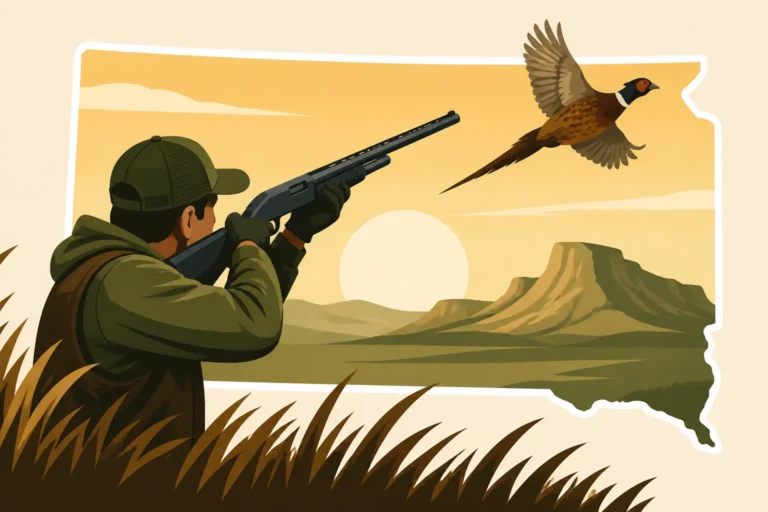
It's a common dream for pheasant hunters heading to South Dakota: hitting the fields and knowing, without a shadow of a doubt, that you're going to put plenty of roosters in the bag. So, when you see an outfitter or lodge promising "guaranteed bird numbers," it can sound incredibly enticing, almost too good to be true. The truth is, that phrase often comes with a specific meaning that might not align with every hunter's vision of a classic South Dakota wild bird hunt.
The Lure of "Guaranteed" Birds and Why It's Misleading for Wild Hunts
Let's be honest, planning a hunting trip, especially if you're traveling a long way to the pheasant capital, involves a significant investment of time, money, and anticipation. The idea of a "guarantee" against coming home empty-handed is incredibly appealing. It taps into our desire for certainty in an activity that is inherently unpredictable. We spend hours researching, poring over maps, and dreaming of those cackling roosters exploding from the cover, and a guarantee feels like peace of mind.
Understanding the Psychological Appeal
For many hunters, particularly those making a once-a-year pilgrimage to South Dakota, the promise of "guaranteed birds" can alleviate a lot of anxiety. You've booked your flights, driven hundreds of miles, and invested in your license and gear. The last thing you want is to arrive and find bird numbers are down due to a harsh winter, poor hatch, or extreme hunting pressure. A guarantee sounds like a shield against disappointment, a way to ensure that your effort and expense will translate into a successful hunt. It’s a powerful marketing tool because it speaks directly to that deep-seated hunter's hope.
The Reality of Wild Bird Hunting
However, anyone who has spent time chasing wild pheasants in South Dakota knows that true wild bird hunting can never come with a 100% guarantee. These are wild animals, not livestock. Their populations fluctuate with weather patterns, nesting success, habitat availability, and hunting pressure. A late blizzard can decimate a population, a drought can impact food sources, and even local bird movements can change day-to-day. Reputable outfitters who focus on true wild birds will emphasize the effort, the quality of their ground, and their experienced guides and dogs, but they will never guarantee a specific number of wild birds in your vest. To do so would be disingenuous to the very nature of wild hunting. That's why it's crucial to understand the difference between wild bird operations and those that rely on put-and-take birds. This distinction is often the key to understanding what "guaranteed bird numbers" truly means. Wild Versus Preserve Bird Hunts in South Dakota can give you a deeper dive into this important difference.
Where "Guaranteed Birds" Do Apply: Shooting Preserves
When you see an outfitter advertising "guaranteed bird numbers," they are almost invariably referring to a hunt on a licensed shooting preserve. This is a perfectly legitimate and enjoyable way to hunt pheasants, but it's fundamentally different from pursuing wild birds on open prairie or public land. It's essential to understand this distinction so your expectations match the experience.
The Nature of Shooting Preserves
Shooting preserves in South Dakota are private lands where game birds, typically pheasants, are raised and released specifically for hunting purposes. These birds are often released shortly before or during the hunt, ensuring a higher density of birds for hunters to pursue. The preserve environment is controlled, meaning the operator can manage bird numbers, habitat (to some extent), and hunting pressure much more directly than on lands where only wild populations exist. Because the birds are released, the preserve operator can, in fact, guarantee that a certain number of birds are available for the hunters, either by stocking a specific number per hunter or charging on a per-bird basis for those harvested. This offers a consistent experience, often with high shot opportunities, which is very appealing to many hunters.
What a Preserve's Guarantee Means
On a shooting preserve, a "guaranteed bird number" usually means one of two things:
- A Set Number of Birds Released Per Hunter: The outfitter might guarantee that, say, 5, 8, or 10 birds per hunter will be released into the cover specifically for your group to pursue. If your group doesn't harvest that number, some preserves might offer to release more, or in rarer cases, even a partial refund, though this is less common. More often, it simply means those birds were available for the hunt.
- A "Per-Bird" Charge Model: Some preserves don't guarantee a release number but rather charge you for each bird you harvest. You might have a base fee for the hunt, and then an additional charge for every pheasant you put in your vest beyond a certain threshold, or for every bird from the first one. This ensures that the preserve covers its costs for raising and releasing the birds.
It's important to remember that the bag limits on preserves can also differ significantly from the statewide daily and possession limits for wild pheasants. Always clarify the specific rules of the preserve you're considering. Preserve Bag Limits in South Dakota will provide more detail on how these limits are regulated.
Identifying a Shooting Preserve Hunt
How do you know if an outfitter is offering a preserve hunt versus a wild bird hunt? Here are some clues:
- Explicit Language: They will often use terms like "preserve," "controlled shooting area," "released birds," or "high-volume shooting."
- Guaranteed Numbers: As discussed, this is a strong indicator.
- Season Dates: Preserve seasons in South Dakota can extend beyond the regular statewide pheasant season, sometimes opening earlier and closing later.
- Acreage Descriptions: While some preserves have large acreages, if the description emphasizes very dense cover or specific "release zones," it might be a preserve.
- Booking Platforms: When searching platforms like BookYourHunt or GoHunt, pay close attention to the hunt descriptions. They often specify whether it's a "wild bird hunt" or a "preserve hunt." Always read the full details before committing.
What to Expect from a Wild Bird Hunt (No Guarantees)
For many, the quintessential South Dakota pheasant hunt involves chasing truly wild birds across vast landscapes, relying on good dogs, skilled guides, and a bit of luck. On these hunts, "guaranteed bird numbers" simply don't exist, and any outfitter offering them for a wild bird experience should raise a red flag. What you can expect, however, is a high-quality experience built on effort, expertise, and access to prime habitat.
Reputable Outfitters and Realistic Expectations
A truly reputable wild bird outfitter won't promise a limit of birds every day. Instead, they will guarantee:
- Access to Prime Ground: They've either purchased or leased extensive acreage known for holding good numbers of wild pheasants, often with diverse habitat like cattail sloughs, shelterbelts, and CRP Acres and South Dakota Bird Numbers. This is their biggest asset.
- Experienced Guides: Guides who know the land, understand bird behavior, and can read conditions to put you in the best possible position for success. They are experts in tactics like Pushing a Cattail Slough With Blockers or Working South Dakota Shelterbelts for Roosters.
- Well-Trained Dogs: High-caliber pointing or flushing dogs that are essential for finding and retrieving wild birds in often dense cover. They are the heart of a good pheasant hunt.
- Hard Work and Effort: They will put in the legwork to give you the best opportunities, adapting to wind, weather, and bird movement.
- Honest Communication: They will give you realistic expectations based on current conditions, recent scouting, and historical success rates, not inflated promises.
You’re paying for the experience, the expertise, the dogs, and the access to land, which collectively maximizes your chances, but never entirely eliminates the variability inherent in hunting wild game.
Factors Influencing Wild Bird Success
Success on a wild bird hunt is a dynamic equation with many variables:
- Habitat Quality and Quantity: Healthy, diverse cover is paramount for birds to thrive and hide.
- Weather Conditions: Temperature, wind, and recent precipitation can drastically affect bird behavior and where they hold. A warm, calm day might see birds spread out, while a cold, windy day can drive them into thick, sheltered cover.
- Hunting Pressure: Public land and heavily hunted private areas can push birds into even thicker, harder-to-reach cover, making them run more than flush.
- Dog Performance: A great dog can turn a slow day into a memorable one by finding birds others miss and retrieving those that fall in dense cover.
- Hunter Skill and Fitness: Your ability to shoot accurately, walk challenging terrain, and follow instructions from your guide plays a significant role.
- Luck: Sometimes, it just comes down to being in the right place at the right time. That's part of the magic of wild hunting.
Asking the Right Questions
Instead of asking about "guaranteed bird numbers," shift your focus to questions that will truly inform you about the quality of a wild bird operation:
- "What kind of habitat do you primarily hunt?"
- "How many acres do you have access to, and how much of it is managed specifically for pheasants?"
- "What's your typical hunter success rate (e.g., how many birds per hunter per day, on average, do guests harvest)?"
- "How many guides and dogs will be working with our group?"
- "What's the typical walking distance and terrain like on an average day?"
- "How do you adapt hunts when weather conditions are challenging?"
- "Can you provide references from past clients who hunted wild birds?"
Platforms like GoHunt and BookYourHunt often provide detailed profiles for outfitters, allowing you to compare these aspects. Look for transparency and thorough descriptions of their operations, rather than just catchy slogans. An outfitter who is upfront about the challenges and rewards of wild bird hunting is usually a better bet than one making impossible promises.
Navigating Contracts and Avoiding Pitfalls
Understanding what you're agreeing to when booking a hunt is paramount, especially when "guaranteed bird numbers" are part of the conversation. Whether it's a preserve hunt or a wild bird experience, the contract is your guide, and knowing what to look for can save you a lot of grief.
Scrutinizing the Fine Print
This is where the rubber meets the road. Don't skim the contract; read every single clause, especially those related to success rates, bag limits, and any clauses that address situations where bird numbers might not meet expectations.
- For Preserve Hunts: A contract for a preserve hunt might explicitly state the number of birds released per hunter or the per-bird cost. It should also clarify what happens if you don't harvest the "guaranteed" number (e.g., extra releases, no refund, etc.).
- For Wild Hunts: A contract for a wild bird hunt should not guarantee bird numbers. Instead, it should outline what the outfitter does guarantee: a professional guide, access to specific private land, well-trained dogs, meals, lodging, etc. If a wild bird contract does guarantee numbers, consider that a major red flag, as it's a promise that cannot genuinely be kept.
- Refunds and Cancellations: Pay close attention to clauses regarding cancellations due to weather, unforeseen circumstances, or simply if your group decides to cut the hunt short. Does it offer any recourse if bird numbers are unexpectedly low, even if not explicitly guaranteed? Typically, a wild bird outfitter won't offer a refund for low bird numbers, but some might offer a discount on a future trip.
For a deeper dive into what a thorough agreement should cover, check out What a South Dakota Contract Should Say.
Red Flags to Watch For
When you're researching and talking to potential outfitters, keep an eye out for these warning signs:
- Overly Aggressive "Guarantees" for Wild Birds: If an outfitter claims to guarantee wild bird limits every single day, no matter what, they are either misrepresenting their operation or you're unknowingly looking at a preserve hunt that isn't clearly advertised as such.
- Lack of Transparency: Vague answers to specific questions about habitat, hunting methods, or bird sources are concerning. A good outfitter is proud of their operation and happy to share details.
- High-Pressure Sales Tactics: If you feel pressured to book immediately without time to review the contract or ask more questions, it's often a sign to step back.
- No References: If an outfitter can't or won't provide references from previous clients, especially those who hunted similar conditions to what you're expecting, be wary.
- Unrealistic Photos/Videos: While marketing materials are designed to excite, be skeptical of media that seems too perfect or doesn't match the general conditions you'd expect in a wild bird environment. Sometimes, photos from a heavily stocked preserve can be used to imply success on wild birds.
These Red Flags When Booking in South Dakota can often indicate deeper issues.
The Value of Honest Communication
Ultimately, your best defense against disappointment is clear, honest communication with your chosen outfitter. Ask direct questions. State your expectations. Listen carefully to their answers. A good outfitter will be candid about the realities of hunting and focus on delivering a high-quality experience, rather than making impossible promises. If an outfitter is hesitant to discuss their operations in detail, or if their "guarantees" seem too good to be true, it’s usually because they are.
Here's a quick comparison to help solidify the differences in what "guaranteed bird numbers" typically mean:
| Feature | Wild Bird Hunt (No Guarantees) | Shooting Preserve Hunt (With Guarantees) |
|---|---|---|
| Bird Source | Naturally reproducing wild populations | Farm-raised birds released for the hunt |
| "Guarantee" Meaning | No bird number guarantee. Focus on effort, access, expertise. | Guaranteed number of birds released per hunter or "per-bird" harvest fee. |
| Hunting Experience | More challenging, relies on finding naturally occurring game. | Higher shot opportunities due to stocked birds, often less unpredictable. |
| Season Dates | Follows statewide South Dakota wild pheasant season. | Often extended seasons, opening earlier and closing later. |
| Bag Limits | Statewide daily and possession limits apply. | Preserve-specific bag limits, often higher or unlimited with per-bird fees. |
| Outfitter Marketing | Emphasizes habitat, dogs, guides, experience, challenge. | Emphasizes high volume, guaranteed shots, high success rates. |
When you're looking at a South Dakota pheasant hunt, remember that "guaranteed bird numbers" is almost always code for a preserve hunt where birds are released. If you're after the genuine, unpredictable thrill of wild pheasants, shift your focus from guarantees to the outfitter's reputation, their access to prime habitat, the quality of their guides and dogs, and their commitment to providing a truly authentic, hard-earned experience. That’s where the real South Dakota pheasant magic happens.
Disclaimer
This article is for general informational purposes only and does not constitute professional advice. Laws, prices and regulations vary by location and change over time. Consult a qualified professional for guidance on your specific situation.