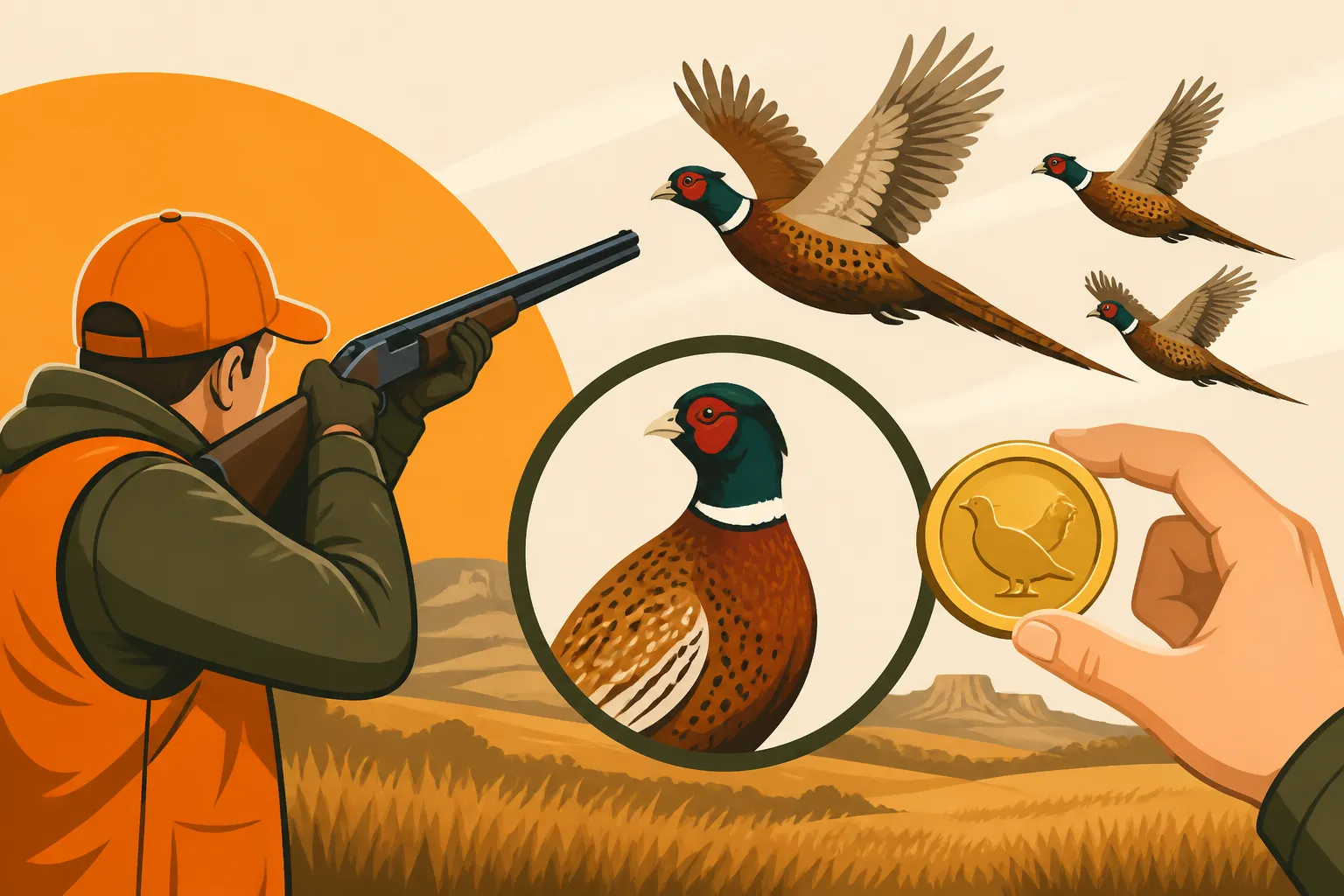
Per-Bird Charges on Preserve Hunts
When you're looking into a pheasant hunt in South Dakota, especially if you're exploring options beyond the pure wild bird experience, you’re likely to encounter the concept of "per-bird charges" on preserve hunts. This can be a bit confusing and frustrating, making you wonder exactly what you're signing up for and how it impacts your budget. This guide will walk you through everything you need to know about per-bird charges on South Dakota shooting preserves, so you can book your hunt with confidence and no hidden surprises.
Understanding Shooting Preserves in South Dakota
South Dakota is legendary for its wild pheasant hunting, no doubt about it. But there's another valuable option available, especially for those looking for a more controlled environment or a higher guarantee of bird numbers: the shooting preserve. These operations play a vital role in providing hunting opportunities, and understanding how they operate, particularly regarding bird charges, is key.
What Differentiates a Preserve Hunt?
A preserve hunt is fundamentally different from hunting wild birds on public or private land. On a licensed shooting preserve, birds are typically raised in captivity and released specifically for hunting. This means a few critical differences for the hunter. First, preserves operate under extended seasons, often starting earlier and ending later than the general state pheasant season. This flexibility is a huge draw for many hunters who can't make the prime wild bird dates. You can read more about Preserve Season Dates in South Dakota to get a clearer picture.
Secondly, the density of birds on a preserve is much higher than what you'd typically find in the wild, as birds are actively managed and released. This doesn't mean it's "canned hunting" in the negative sense, but rather a more managed experience designed to ensure consistent action and give hunters, especially those with new dogs or less mobility, a good opportunity to get on birds. The focus often shifts from simply finding a bird to enjoying the dog work, camaraderie, and the act of hunting itself with more regularity.
Finally, preserve hunts often come with certain guarantees, or at least very high probabilities, of shooting opportunities. This assurance is a major selling point for groups traveling a long distance, as it mitigates the risk of a slow hunting day due to weather, bird cycles, or heavy hunting pressure. It’s a way to ensure your investment in a trip yields tangible results in terms of birds in the bag.
The Role of Per-Bird Charges
Per-bird charges are a direct reflection of the business model for shooting preserves. Unlike wild bird hunting where the cost is primarily your license, travel, and gear, preserves have significant operational expenses tied directly to the birds themselves. They have to purchase or raise chicks, feed them, house them, and then handle the logistics of releasing them for hunts. This is a continuous, year-round investment.
These charges are essentially how the preserve covers the cost of raising or acquiring those pheasants. Think about it: a bird that is fed for months, housed, and then released for a specific hunter isn't free. The charge ensures that the preserve can maintain its stock, provide quality birds, and keep its operations running. It also helps manage hunter expectations and behavior, encouraging ethical shooting and retrieval rather than just blasting away at every bird sighted.
Additionally, per-bird pricing can influence how many birds a preserve chooses to release on a given day. If hunters are paying for each bird they take, there’s an incentive for the preserve to ensure enough birds are available to meet demand, but also to manage their inventory carefully. This model creates a direct correlation between your harvest and your cost, which can be appealing to some who prefer not to pay for birds they don't get, unlike a flat daily fee that includes a set number of birds regardless of success.
How Per-Bird Charges Work in Practice
The phrase "per-bird charges" isn't always as straightforward as it sounds. Different preserves structure their pricing in various ways, and it's absolutely crucial to understand the specifics before you commit to a booking. You don’t want any surprises when it comes time to settle up after a fantastic day in the field.
Common Structures: Daily Limits Versus A La Carte
When you look into preserve hunts, you'll generally find two main ways per-bird charges are integrated into the overall pricing. One common structure involves an all-inclusive package up to a certain number of birds. For example, a lodge might offer a daily rate that includes a guide, dog, lunch, and a limit of 3-4 pheasants per hunter. If you shoot your limit, great, that's all covered. However, if you and your group are particularly sharp-shooters and want to continue hunting beyond that initial limit, any additional birds you harvest might then fall under a separate "per-bird charge." This system provides a baseline cost and allows for additional take if desired.
The second, and perhaps more traditional, structure is the a la carte model, where you pay a base fee for the guide, dog, and access to the preserve, and then every bird you shoot is charged individually. In this scenario, there might be a minimum number of birds that the preserve guarantees to release for your group, but your final bill will directly reflect the total number of birds you put in your game vest. This model offers flexibility in how many birds you pursue and harvest, but it also requires diligent tracking throughout the day. It's not uncommon for preserves using this method to have a "minimum bird release" policy, meaning they will put out a certain number of birds for your group, say 10 or 15, to ensure everyone gets opportunities, even if you don't end up shooting them all. You can learn more about how these different What a Bird Package Includes when comparing services.
It's also worth noting that some preserves will release birds continuously throughout the day, while others will do a single large release. How the birds are released can affect the pace of the hunt and your shooting opportunities, which in turn impacts how many birds you're likely to account for. Make sure to clarify these details so you can prepare for the type of hunting experience you'll have.
What's Included and Excluded in the Charge
This is where the fine print really matters. A "per-bird charge" rarely covers everything. Typically, this charge is specific to the pheasant itself. It usually includes the cost of the bird and, very often, the basic field dressing and packaging of that bird for your trip home. Many lodges will clean, vacuum seal, and freeze your birds as part of their service package, or at least offer it as an add-on. You should specifically ask if Bird Cleaning Included in the Price of your per-bird fee.
However, there are many things that are almost always excluded from a simple per-bird fee. These can include your hunting license and habitat stamp, ammunition (which you might need to purchase separately or bring yourself), dog handling fees (if you're using a lodge's dogs and guide, this is usually part of a separate guide fee), lodging, meals, and certainly tips for your guide and dog handler. Don't forget, tipping is a customary practice in the hunting industry, and understanding Tipping Guides and Dog Handlers in South Dakota is important for your overall budget.
To help you visualize, here’s a simple breakdown of what a "per-bird charge" usually covers versus what it typically does not:
| Item | Usually Included (in Per-Bird Charge) | Usually Excluded (from Per-Bird Charge) |
|---|---|---|
| Pheasant (live release) | Yes | No |
| Field Dressing | Often | No |
| Bird Packaging/Freezing | Often | No |
| Hunting License | No | Yes |
| Habitat Stamp | No | Yes |
| Ammunition | No | Yes |
| Guide/Dog Fees | No | Yes |
| Lodging | No | Yes |
| Meals | No | Yes |
| Tips for Staff | No | Yes |
Always get a clear, itemized breakdown from the outfitter or lodge when you book. A reputable operation will be transparent about their pricing structure and what each fee covers. This transparency is crucial for a stress-free experience.
Making Sense of the Cost and Value
Once you understand how per-bird charges are structured, the next step is to evaluate whether a preserve hunt, with its specific pricing model, offers the right value for you. This involves looking beyond just the sticker price and considering what you gain from the experience.
Comparing Per-Bird Rates
Per-bird rates can vary quite a bit across different shooting preserves in South Dakota. These variations aren't arbitrary; they’re influenced by several factors. The first is the quality and maturity of the birds being released. Some preserves pride themselves on releasing strong, flight-ready pheasants that offer a challenging hunt, and the cost of raising such birds is higher. The time of year can also play a role; early season birds might sometimes be priced differently than mid-season or late-season birds, though this is less common for per-bird fees than for overall package prices.
The amenities of the lodge itself can also factor into the perceived value, even if not directly into the per-bird cost. A high-end lodge with gourmet meals, luxurious accommodations, and top-tier guides might charge a higher base rate, and their per-bird charge could reflect the overall premium experience they offer. You might also find differences based on the species of bird available; while pheasants are king, some preserves might offer chukar or quail, which could have different per-bird pricing. This is where researching and directly asking about per-bird rates from various lodges becomes incredibly important.
When you're comparing rates, don't just look at the dollar amount per bird. Consider what else is bundled with it. Is bird cleaning included? Is there a minimum number of birds you must pay for, even if you don't harvest them? Are there discounts for larger groups or multi-day hunts? Websites like BookYourHunt can be a great resource to compare different outfitter offerings side-by-side, giving you a broad overview of pricing models and what's included before you start making direct inquiries. Remember, the cheapest per-bird rate isn't always the best value if it means a lesser experience or unexpected add-on costs.
Questions to Ask Before You Book
To avoid any miscommunication or disappointment, a thorough conversation with the outfitter is essential before you put down a deposit. Think of it as your due diligence to ensure everyone is on the same page. Beyond the basic costs, there are specific questions you should ask related to per-bird charges. It's covered comprehensively in Questions to Ask a South Dakota Outfitter, but let's highlight the most relevant points for per-bird pricing.
First, clarify the exact per-bird rate and whether it applies to all birds harvested or only those above a certain package limit. Ask about any minimums: "Is there a minimum number of birds we will be charged for, regardless of how many we shoot?" This is particularly important for the a la carte models. Another critical question is how wounded birds are handled. If a bird is clearly hit but runs off and can't be retrieved, will you still be charged for it? Different preserves have different policies, and knowing this upfront is vital for ethical hunting and your budget.
Also, ask about the typical number of birds released per hunter or per group on a given day. This gives you an idea of the shooting opportunities you can expect. Inquire about cleaning and packaging services: "Is bird cleaning included in the per-bird charge, and how will the birds be prepared for transport?" Finally, don't forget to confirm payment methods and when the final balance for the birds is due. Some lodges might require payment at the end of each hunting day, while others settle up at the end of your entire stay.
Navigating Booking and Expectations
Booking a preserve hunt with per-bird charges requires a thoughtful approach, ensuring you pick the right operation and set realistic expectations for your experience. It's about more than just finding birds; it's about enjoying the entire hunting journey.
Finding Reputable Preserves
The hunting industry, like any other, has its share of outstanding operators and those you might want to avoid. When you're looking for a preserve that operates with integrity regarding per-bird charges, reputation is everything. Start by searching for lodges and preserves that are well-established in South Dakota. Look for operations that are transparent about their licensing as a shooting preserve, which you can verify through the state's wildlife department. You can get more information on How South Dakota Licenses Shooting Preserves to understand the regulatory framework.
Online reviews and testimonials are a good starting point, but don't stop there. Contacting past clients, as detailed in Getting References From Past Clients, can provide invaluable insights into their actual experiences. Ask these references specifically about how the per-bird charges were handled, if there were any unexpected costs, and if the bird numbers and quality matched what was promised. Be wary of operations that are vague about pricing or pushy in their sales tactics; these can be Red Flags When Booking in South Dakota. Organizations like GoHunt, which offer planning tools and community forums, can also be helpful for finding reputable operations and hearing firsthand accounts from other hunters.
Another angle to consider is how long an outfitter has been operating on their ground. Longevity often suggests a stable business, good relationships with landowners (if applicable), and a consistent quality of service. While new operations can be excellent, established ones have a track record that's easier to research and verify.
Managing Expectations for a Preserve Hunt
It’s easy to get caught up in the excitement of "guaranteed birds," but it's important to frame your expectations for a preserve hunt appropriately. While there will undoubtedly be more birds and more shooting opportunities than a typical wild bird hunt, it's still hunting. Birds can be challenging, shots can be missed, and some days are simply better than others. The focus should be on enjoying the process, the dog work (whether it's yours or the guide's), and the companionship of your hunting partners.
Understand that a preserve hunt, especially with per-bird charges, is designed to provide a high-volume shooting experience, which can be fantastic for honing skills, training dogs, or simply enjoying consistent action. However, it's a different challenge than navigating vast wild lands for elusive, cunning pheasants that have never seen a human. Embrace it for what it is: an accessible, action-packed way to enjoy pheasant hunting in a managed environment. If your goal is to experience the raw, unpredictable thrill of truly wild South Dakota pheasants, then a preserve hunt might not fully scratch that itch, but it's an excellent option for other valuable hunting experiences.
Ultimately, by understanding the nuances of per-bird charges, asking the right questions, and picking a reputable preserve, you can ensure your South Dakota hunting adventure is everything you hope for, without any last-minute surprises on the bill.
Disclaimer
This article is for general informational purposes only and does not constitute professional advice. Laws, prices and regulations vary by location and change over time. Consult a qualified professional for guidance on your specific situation.